Why Muscle Relaxant Choice Matters in MPS
Muscle Relaxant Mechanism Comparison
OverviewMyofascial pain syndrome (MPS) is characterized by the presence of trigger points — hypersensitive nodules within taut muscle bands that generate local and referred pain. While physical therapy and trigger point release are the definitive treatments, muscle relaxants play a critical adjunct role: they reduce the spasm that perpetuates trigger point activity, improve sleep quality, and lower the pain threshold to allow more effective rehabilitation.
Not all muscle relaxants are equal, and the category is something of a misnomer — several drugs grouped under "muscle relaxants" act primarily through sedation rather than direct modulation of muscle tone. The important distinctions lie in mechanism of action, half-life, addiction potential, and the patient-specific factors that make one agent preferable over another.
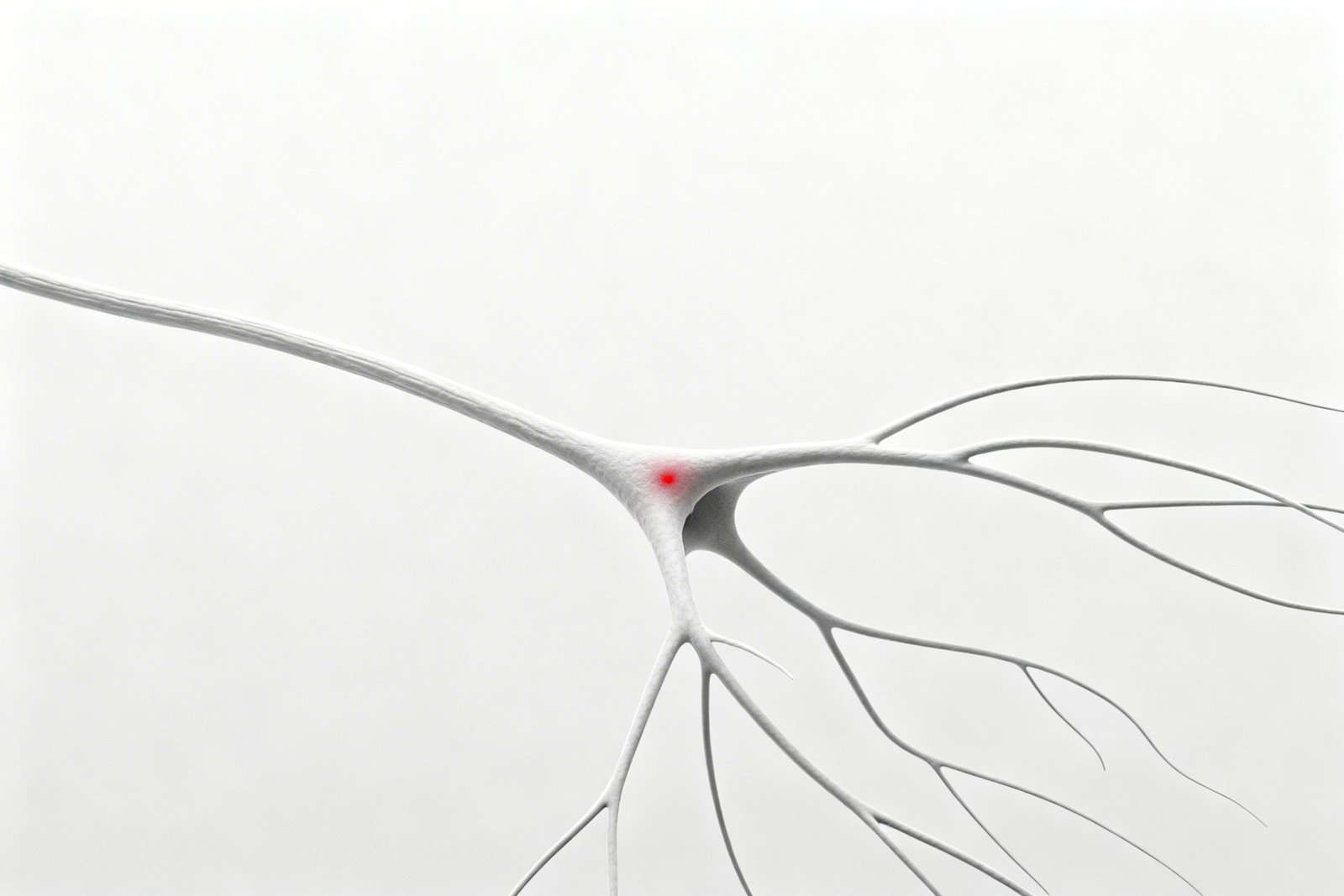
Tizanidine stands apart from most muscle relaxants because of its specific alpha-2 adrenergic agonist mechanism at spinal interneurons. By reducing the release of excitatory neurotransmitters — particularly glutamate and substance P — tizanidine directly dampens the hyperexcitable spinal circuits that sustain myofascial pain. This mechanism also explains its utility in facilitating restorative sleep without the prolonged sedation caused by agents with longer half-lives.
The clinical significance of half-life cannot be overstated in chronic pain management. A drug that still occupies receptors at 7 AM when a patient needs to drive to work is a drug that will eventually be avoided or misused. Tizanidine's 2-4 hour half-life means that a bedtime dose is largely cleared by morning — a pharmacokinetic property that aligns well with the typical MPS treatment goal of nocturnal muscle relaxation and sleep restoration.
Muscle Relaxant Profiles
Each muscle relaxant class has a distinct mechanism, half-life, and risk profile. Understanding these differences is essential for matching the right drug to the right patient at the right time.

Pharmacology
Alpha-2 Agonist Spinal Mechanism DiagramTizanidine (Zanaflex, Sirdalud)
Cyclobenzaprine (Flexeril)
Baclofen (Lioresal)
Methocarbamol (Robaxin)
Carisoprodol (Soma)
Mechanisms & Half-Lives at a Glance
The most clinically relevant pharmacokinetic parameter when choosing a muscle relaxant for MPS is the half-life. A short half-life (tizanidine: 2-4 hours) allows dosing at bedtime with full clearance before morning, preventing the residual sedation that impairs daytime function. A long half-life (cyclobenzaprine: 18 hours) means that a single bedtime dose still has substantial receptor occupancy the following afternoon.
Mechanism of action determines both the therapeutic utility and the side effect burden. Tizanidine acts specifically at spinal alpha-2 receptors — its hypotensive effect is predictable and manageable. Cyclobenzaprine's tricyclic-like anticholinergic profile causes dry mouth, urinary hesitancy, constipation, and cognitive blunting in susceptible patients. Carisoprodol's conversion to meprobamate makes it a sedative-hypnotic with genuine dependence liability — an important distinction from the rest of this class.
The 2-4 hour half-life of tizanidine is not just a pharmacokinetic detail — it is the clinical property that makes it the ideal nocturnal muscle relaxant for chronic MPS.
2-4h
18h
Alpha-2
How to Choose
Selecting the appropriate muscle relaxant requires evaluating the patient's primary symptom target, comorbidities, current medications, and addiction risk profile. The four domains below structure that decision.
Primary Goal: Sleep vs. Daytime Pain
Comorbidity Assessment
Addiction Risk Assessment
Drug Interaction Screen
Treatment Pathways
Muscle relaxant prescribing for MPS follows predictable clinical patterns based on symptom timing, patient characteristics, and treatment goals. The pathways below represent evidence-informed protocols for the most common clinical scenarios.

Prescribing Decision Tree
Muscle Relaxants for MPSNocturnal MPS Protocol
Tizanidine is the first choice for sleep-related MPS due to its short half-life and alpha-2 mechanism that promotes deep sleep without morning carryover sedation.
- Tizanidine 2mg HS (first choice for sleep-related MPS); titrate to 4mg if needed
- Allows restful sleep and morning muscle release without hangover sedation
- Alternatively cyclobenzaprine 5mg HS for short-term exacerbations (2-3 weeks max)
- Add magnesium glycinate 200-400mg for synergistic muscle relaxation
- Warn about morning hypotension (tizanidine) — sit before standing
Daytime Spasm Management
Daytime muscle spasm in MPS requires agents with shorter half-lives or those specifically indicated for spasticity, to avoid sedation interfering with daily function.
- Methocarbamol 750mg 3-4x daily for acute exacerbations
- Baclofen 5-10mg TID if spasticity component is present
- Tizanidine 2mg TID for chronic use (monitor BP and liver enzymes at 1 and 3 months)
- Avoid cyclobenzaprine during working hours — 18h half-life creates afternoon drowsiness
- Physical therapy and trigger point release remain the primary daytime intervention
Special Populations Protocol
Muscle relaxant selection requires modification in elderly patients, those with comorbidities, and during pregnancy or organ impairment.
- Elderly: tizanidine 1-2mg only (risk of falls and hypotension); avoid cyclobenzaprine (Beers list)
- Pregnancy: all muscle relaxants are Category C/D — avoid if possible; use acetaminophen + physio instead
- Liver disease: avoid tizanidine; use methocarbamol or cautious baclofen with dose reduction
- Renal impairment: reduce baclofen dose significantly (renal excretion pathway)
- Hypertensive patients: tizanidine's BP-lowering effect can be leveraged; monitor carefully
Tapering & Discontinuation
Safe discontinuation requires a structured taper for most muscle relaxants. Abrupt cessation of baclofen is a medical emergency; other agents require gradual dose reduction.
- Never abruptly stop baclofen — seizure risk; taper over weeks under medical supervision
- Tizanidine: taper gradually to avoid rebound hypertension (BP can spike on abrupt stop)
- Cyclobenzaprine: taper after 2-3 weeks to avoid rebound spasm and sleep disruption
- Carisoprodol: gradual taper over weeks — withdrawal can be severe (meprobamate dependence)
- Document response and functional improvement before continuing any muscle relaxant beyond 4 weeks
Red Flags — Dangerous Combinations & Misuse
Most adverse outcomes with muscle relaxants are avoidable through careful prescribing and monitoring. The following situations require immediate intervention — either to prevent serious harm or to address inappropriate prescribing that is likely to cause long-term problems.
Tizanidine is the preferred muscle relaxant for most MPS patients — its alpha-2 mechanism is uniquely suited for nocturnal use without addiction risk, with a short 2-4 hour half-life that prevents morning hangover.
Cyclobenzaprine is effective but its 18-hour half-life makes it poorly suited for chronic daily use — reserve for short-term (2-3 week) acute exacerbations only.
Carisoprodol (Soma) should never be used for chronic MPS — it is the only muscle relaxant with true addiction potential and is banned in multiple countries including Sweden, Norway, and the UK.
The tizanidine-fluvoxamine (or tizanidine-ciprofloxacin) combination is dangerous and an absolute contraindication — always screen for CYP1A2 inhibitors before prescribing tizanidine.
No muscle relaxant treats the underlying trigger point — they reduce spasm, improve sleep, and lower the pain barrier to allow effective physical therapy to address the root cause.