Overview
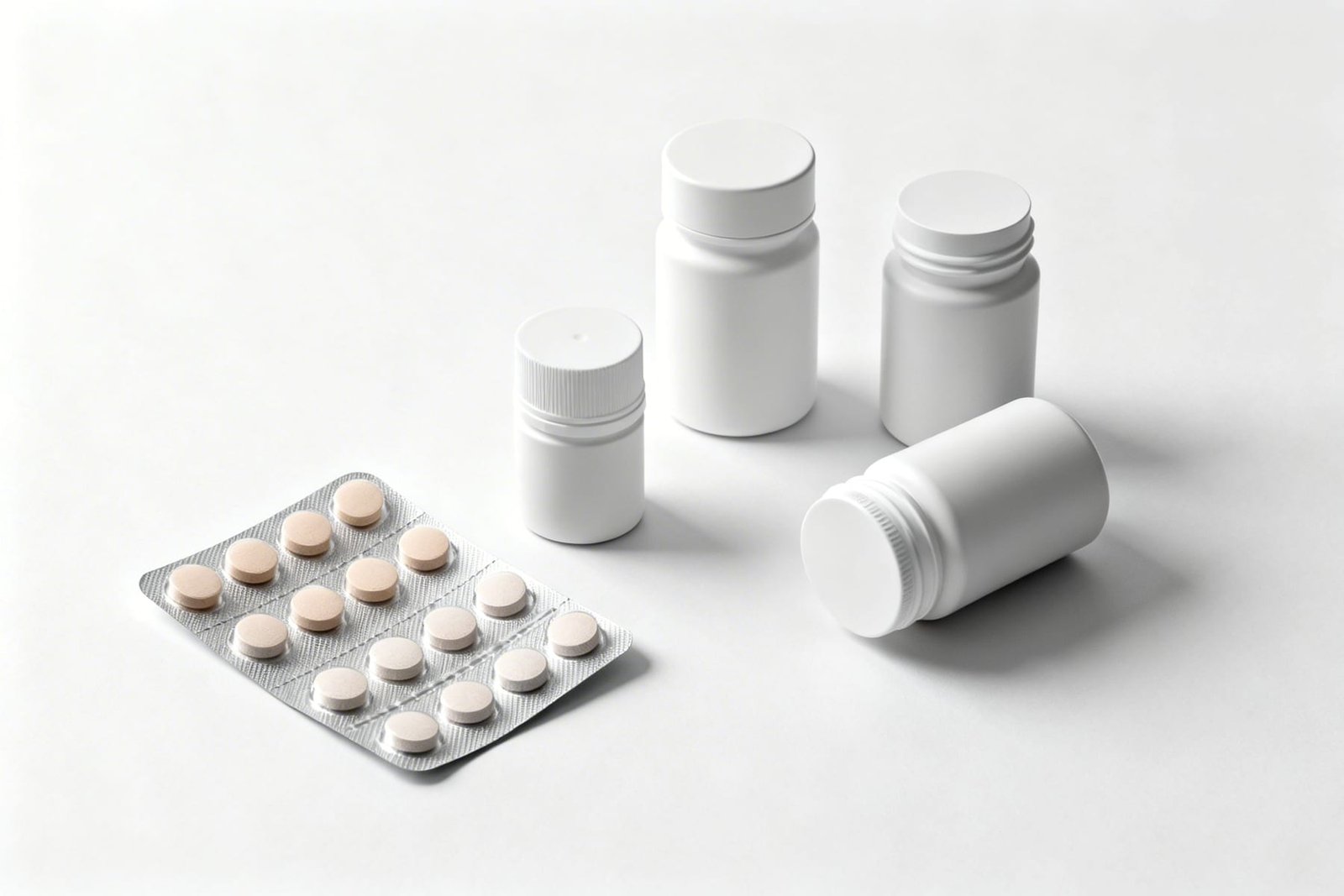
Benzodiazepines
Risk vs Benefit OverviewBenzodiazepines such as diazepam, clonazepam, alprazolam, and lorazepam are used for anxiety, insomnia, seizures, and short-term calming or sedation. Although some also reduce centrally mediated muscle tension, they are generally a poor fit for chronic myofascial pain syndrome (MPS).
The main concern is not that they never provide short-term symptom relief. It is that they do not directly address the broader myofascial problem while introducing important risks: tolerance, dependence, cognitive impairment, sedation, reduced motor learning, and worse participation in rehabilitation.
Benzodiazepines may briefly reduce tension and distress, but in chronic myofascial pain they often create more long-term problems than they solve.
Most modern pain-management frameworks and geriatric prescribing guidance urge caution or avoidance of benzodiazepines in chronic musculoskeletal pain, especially when safer and more sustainable alternatives are available.
Mechanism of Action
Understanding how benzodiazepines work helps explain why they may briefly reduce distress or guarding while still being a poor long-term strategy for chronic myofascial pain.

GABA-A Receptor
Mechanism DiagramGABA-A Receptor Potentiation
Central Muscle Relaxation (Not Peripheral)
Why This Matters for Trigger Points
Why Benzodiazepines Are Usually a Poor Fit
Individual Drug Profiles
Diazepam (Valium)
High- Long half-life with active metabolites, which increases carryover sedation and accumulation risk
- Historically associated with “muscle relaxant” use more than some other benzodiazepines
- May be more impairing in older adults and in people with hepatic impairment
- Long duration can make daytime sedation and psychomotor slowing more prominent
- Prolonged sedation due to active metabolites
- Higher accumulation risk with repeated dosing
- Driving and machinery impairment
- Meaningful CYP-mediated interaction potential
- Still carries substantial tolerance and dependence risk
Clonazepam (Klonopin)
High- Intermediate-to-long half-life
- Sometimes used in chronic anxiety-related contexts, though this does not make it a good fit for chronic myofascial pain
- May reduce anxiety and arousal without directly treating the pain generator
- Longer half-life may reduce interdose rebound compared with alprazolam, but dependence risk remains substantial
- High dependence potential with longer-term use
- Drowsiness, slowed reaction time, and ataxia
- Withdrawal seizure risk with abrupt discontinuation
- No direct evidence that it resolves trigger point pathology
- May reduce distress while leaving the broader rehabilitation problem unchanged
Alprazolam (Xanax)
High- Short half-life with rapid onset and noticeable peak-to-trough fluctuation
- Often more reinforcing because of fast onset
- Primarily an anxiolytic rather than a muscle-relaxant choice
- Short duration can drive frequent re-dosing and rebound symptoms
- Very high misuse and dependence risk relative to many alternatives
- Pronounced interdose rebound in some patients
- Rapid tolerance development
- Difficult discontinuation after regular use
- No clear rationale as a chronic myofascial pain treatment
Lorazepam (Ativan)
Moderate- Intermediate half-life with no active metabolites
- Metabolized by glucuronidation, which may reduce some interaction concerns relative to diazepam or alprazolam
- Sometimes chosen when hepatic metabolism is a concern
- Still primarily addresses anxiety and arousal rather than the broader myofascial pain process
- Still carries substantial class-wide benzodiazepine risks
- Dependence risk with regular use beyond short periods
- Sedation may impair active rehab participation
- Cognitive and psychomotor impairment remain relevant
- Not supported as a routine treatment for chronic myofascial pain
Comparison Grid

Benzodiazepine Comparison
Risk ChartHalf-Life
Active Metabolites
Muscle Relaxant Effect
Abuse Potential
Dependence Risk
Rebound Severity
Drug Interactions
Use in Elderly
MPS Recommendation
What the Evidence Says
Limited Appropriate Use Protocol
Consider Only in Narrow Short-Term Situations
Keep Duration Brief
Never as Monotherapy
Transition to Safer Alternatives Early
Document Rationale and Follow-Up Plan
Safer & More Sustainable Alternatives
For most situations in which a benzodiazepine might be considered in chronic myofascial pain, there are safer or more sustainable alternatives that align better with long-term recovery.
Cyclobenzaprine
Tizanidine
Magnesium Supplementation
CBT for Anxiety
Progressive Muscle Relaxation
Breathing-Based Interventions
Benzodiazepines are generally not recommended for chronic myofascial pain syndrome because the long-term risk-benefit profile is poor.
They may reduce anxiety, arousal, and centrally mediated muscle tension, but they do not directly address the broader trigger point process or the rehabilitation needs of chronic myofascial pain.
Tolerance and physical dependence can develop with regular use, sometimes within weeks rather than months.
Abrupt discontinuation after regular use can be dangerous and may require supervised tapering.
Sedation, cognitive slowing, impaired motor learning, and fall risk can directly interfere with the active rehabilitation that chronic myofascial pain often requires.
If used at all, benzodiazepines are best limited to very short-term, narrowly defined scenarios rather than chronic management.
Safer and more sustainable alternatives often exist, including non-benzodiazepine muscle relaxants and non-pharmacological approaches.
In older adults, benzodiazepines deserve especially cautious scrutiny because of fall, fracture, confusion, and sedation risk.
Remember:The most effective long-term myofascial pain treatment plans usually support active rehabilitation rather than replacing it. Medications should ideally help a person sleep better, move better, and participate more fully in recovery. Benzodiazepines often do the opposite when used regularly over time.
High Dependence Risk — Generally Not Recommended for Chronic MPS