Understanding Myofascial Neck Pain
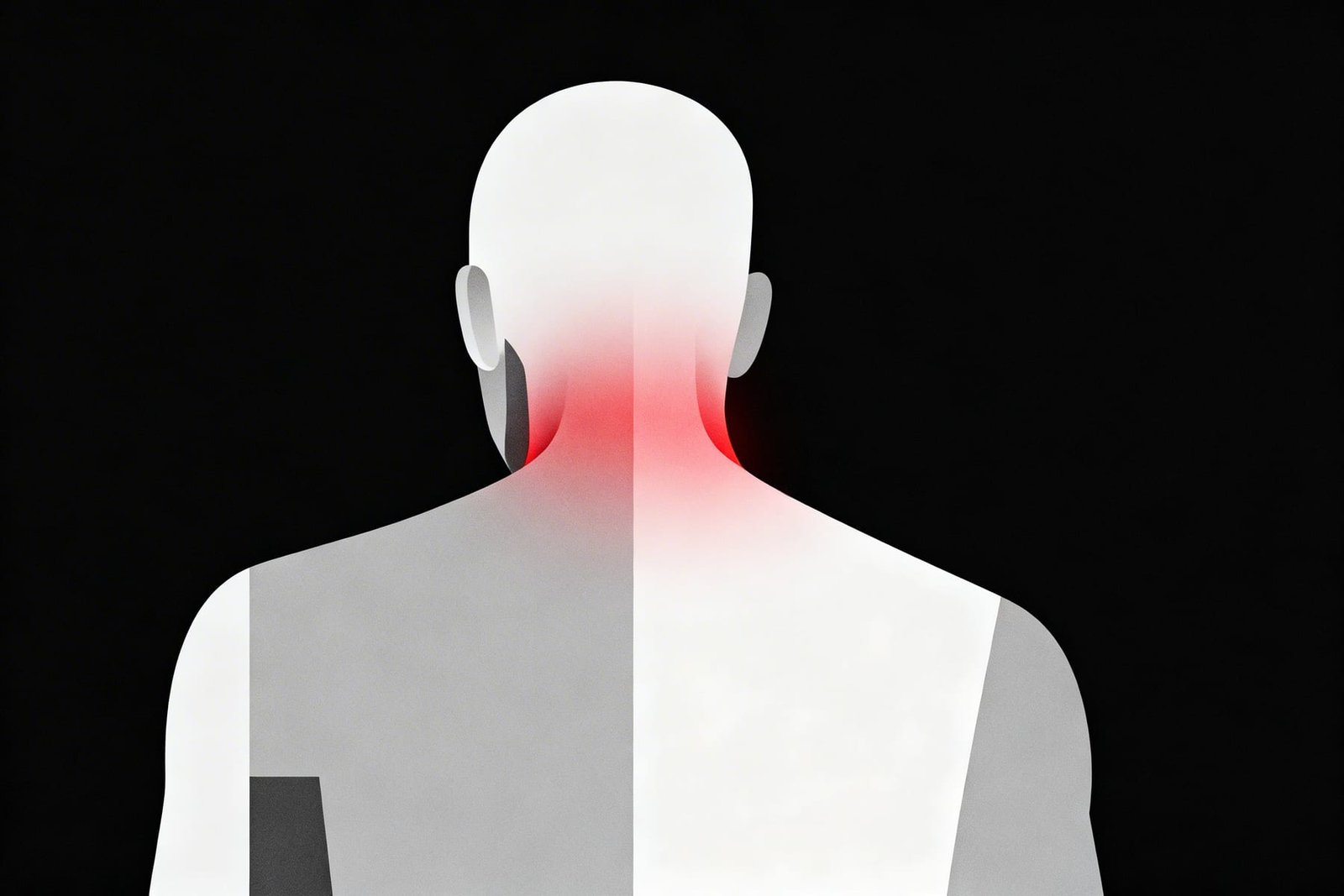
Neck Pain
Anatomy and Pain Pattern OverviewNeck pain is one of the most common musculoskeletal complaints. While imaging often highlights discs and degeneration, many patients also have clear myofascial contributors in the cervical and periscapular muscles.
Sustained screen use and forward-head posture can increase load on the posterior cervical muscles, especially when combined with stress, poor workstation setup, and reduced movement variation through the day.
Cervical muscles are vulnerable to trigger points partly because many of them work at low levels for long periods to hold the head in position. When that load becomes constant and recovery is poor, pain and stiffness often follow.
The upper trapezius and levator scapulae are extremely common contributors to neck pain — but they are rarely the only muscles involved.
Anatomy & Key Trigger Points
The cervical region contains many muscles capable of producing local pain, headache, facial referral, and arm-related symptoms. The muscles below are among the most clinically relevant in everyday neck-pain practice.
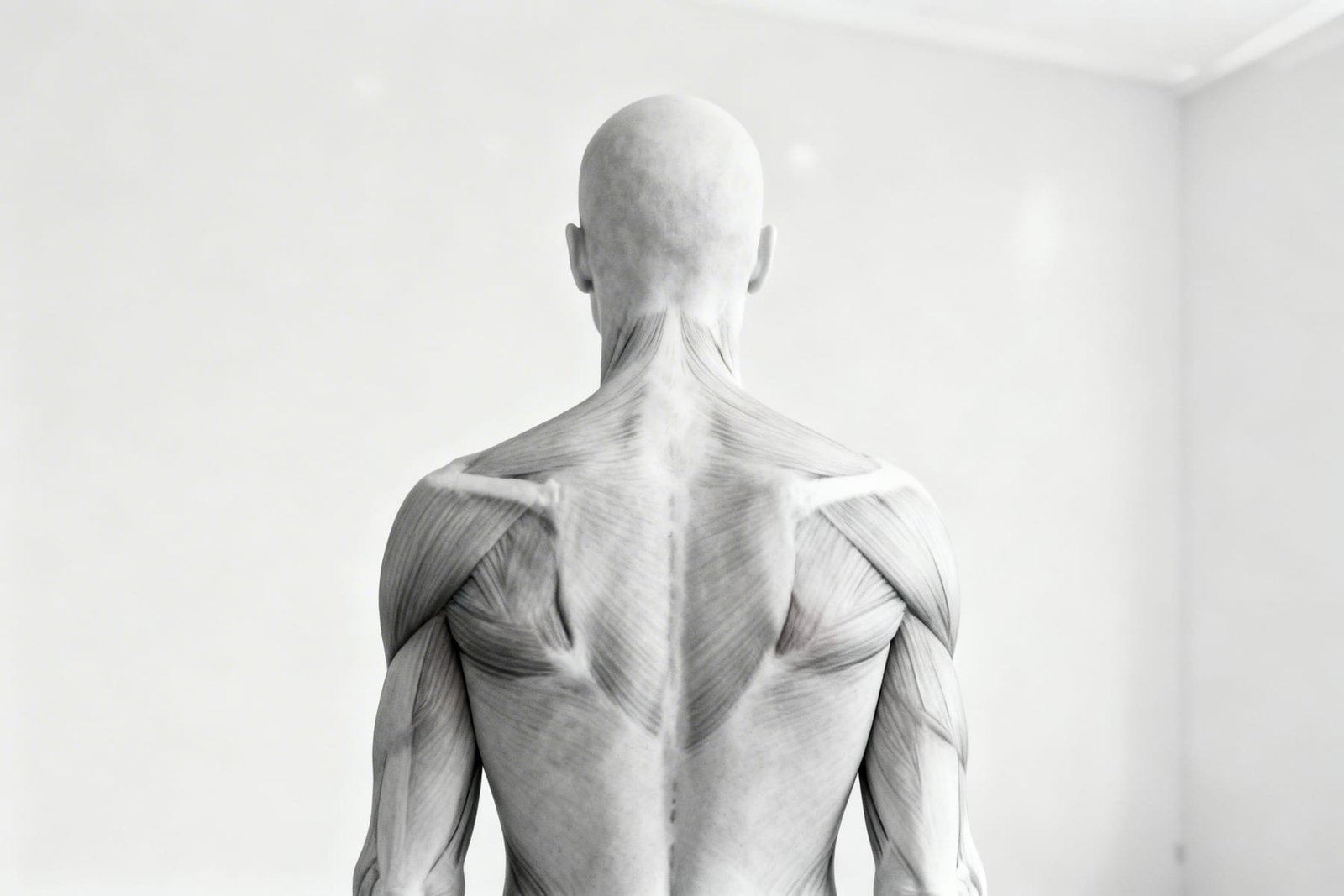
Neck Pain
A very common contributor to neck and shoulder pain. Trigger points in the upper trapezius may refer pain from the posterolateral neck toward the temple and sometimes behind the eye. Sustained shoulder elevation, stress, prolonged desk work, and poor arm support are common aggravating factors.
A clinically important source of referred pain that is often under-recognized. SCM trigger points may contribute to frontal headache, ear-region pain, jaw discomfort, dizziness, visual discomfort, and a sense of disequilibrium in some patients. These symptoms still require careful differential diagnosis rather than automatic attribution to the SCM.
A classic contributor to the “slept wrong” or “stiff neck” presentation. Trigger points often create pain at the angle where the neck meets the shoulder and may restrict cervical rotation toward the affected side.
May refer pain toward the top of the head or posterior skull region. It is commonly considered in patients with sustained forward-head posture, whiplash history, or persistent posterior head pain.
May contribute to posterior neck pain that extends toward the head or around the eye region. It often overlaps with other posterior cervical muscle findings rather than acting in isolation.
Can contribute to band-like headache patterns that wrap around the occipital and temporal regions. Because it lies deep, it is often part of persistent headache patterns that do not respond fully to superficial treatment alone.
These small deep muscles at the skull base are common contributors to occipital pain, cervicogenic headache, and upper-cervical stiffness. Their dysfunction can also overlap with dizziness or head-pressure complaints in some patients.
May contribute to neck, chest, shoulder, and arm symptoms. In some cases, scalene dysfunction overlaps with thoracic outlet-type complaints, though symptom location alone does not prove true neurovascular compression.
May contribute to lateral neck, shoulder, arm, and hand pain patterns. It often coexists with anterior scalene involvement in chronic upper-quarter tension and compression-type syndromes.
May contribute to interscapular pain and posterior-lateral neck discomfort. It is often overlooked because the symptom location can feel distant from the muscle itself.
Referral Patterns
Cervical trigger points can create headache, jaw, ear, eye, and arm symptoms that are easy to misinterpret unless referral patterns are considered carefully.
Sternocleidomastoid (SCM)
- Frontal or facial pain
- Deep ear-region discomfort
- Head pressure or dizziness in some patients
- Occasional autonomic-type symptoms such as tearing or nasal symptoms
Upper Trapezius
- Posterolateral neck pain ascending toward the temporal region
- Pain behind the ipsilateral eye in some patients
- Jaw-angle or temple-region referral
- Common overlap with tension-type headache patterns
Levator Scapulae
- Pain at the angle where neck meets shoulder
- Posterior neck discomfort along the muscle line
- Restricted or painful cervical rotation toward the affected side
- May feel like the neck is “locked” or “stuck”
Suboccipital Group
- Deep ache at the skull base
- Pain diffusing forward through the head
- Symptoms worsened by sustained neck extension
- Common overlap with cervicogenic headache patterns
Forward Head Posture & Screen Use
Forward-head posture is one of the most common perpetuating factors in modern neck pain. It matters not because every patient has a “bad posture diagnosis,” but because sustained head-forward loading can keep the posterior cervical and shoulder girdle muscles working continuously.
The practical message is simple: long uninterrupted screen exposure, poor support, and reduced movement variability often matter more than whether posture looks imperfect in a photo.
In many patients, the pain cycle involves shortened anterior structures, overloaded posterior muscles, reduced deep neck flexor control, and poor scapular support. This is why treatment usually works best when stretching, exercise, and ergonomic changes are combined.
Common
Load Sensitive
Modifiable
Self-Assessment
These self-assessments help identify likely muscular contributors. They are not substitutes for a full examination when symptoms are severe, persistent, or neurologically complicated.
Wall Posture Test
Cervical Rotation ROM
Levator Scapulae Palpation
SCM Pinch Test
Chin Tuck Test
Treatment Pathways
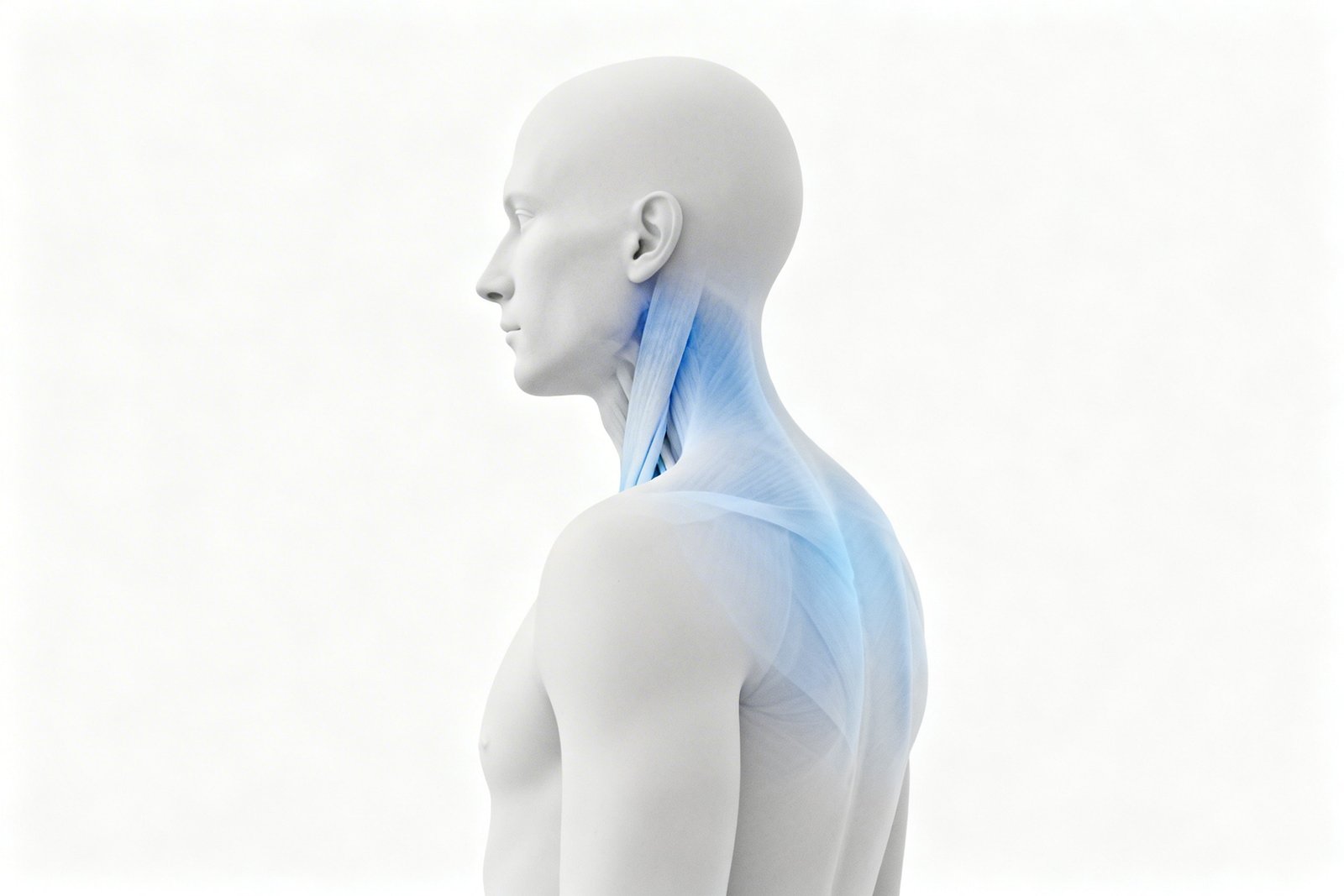
Treatment Pathways
Mechanism DiagramSelf-Care & Postural Correction
- Optimize monitor height, keyboard position, and arm support
- Take regular screen breaks and move the neck through comfortable ranges
- Use a gentle cervical stretching routine for clearly involved muscles
- Adjust sleep position and pillow support if waking pain is prominent
- Use heat when muscular guarding responds well to warmth
- Practice brief posture resets without forcing rigid “perfect posture” all day
Manual Therapy
- Trigger point pressure release in clearly relevant cervical and periscapular muscles
- Myofascial treatment of the neck, upper thoracic, and scapular tissues
- Suboccipital release in selected headache presentations
- Gentle cervical and thoracic mobilization when clinically appropriate
- Self-massage tools may help if used moderately and symptom-guided
Interventional Options
- Dry needling in selected refractory trigger point cases
- Trigger point injection when clearly indicated and clinician-directed
- Occipital nerve block in selected cervicogenic headache patterns
- Botulinum toxin as a specialist option in refractory cases
- Topical agents for localized symptom relief where appropriate
Rehabilitation & Exercise
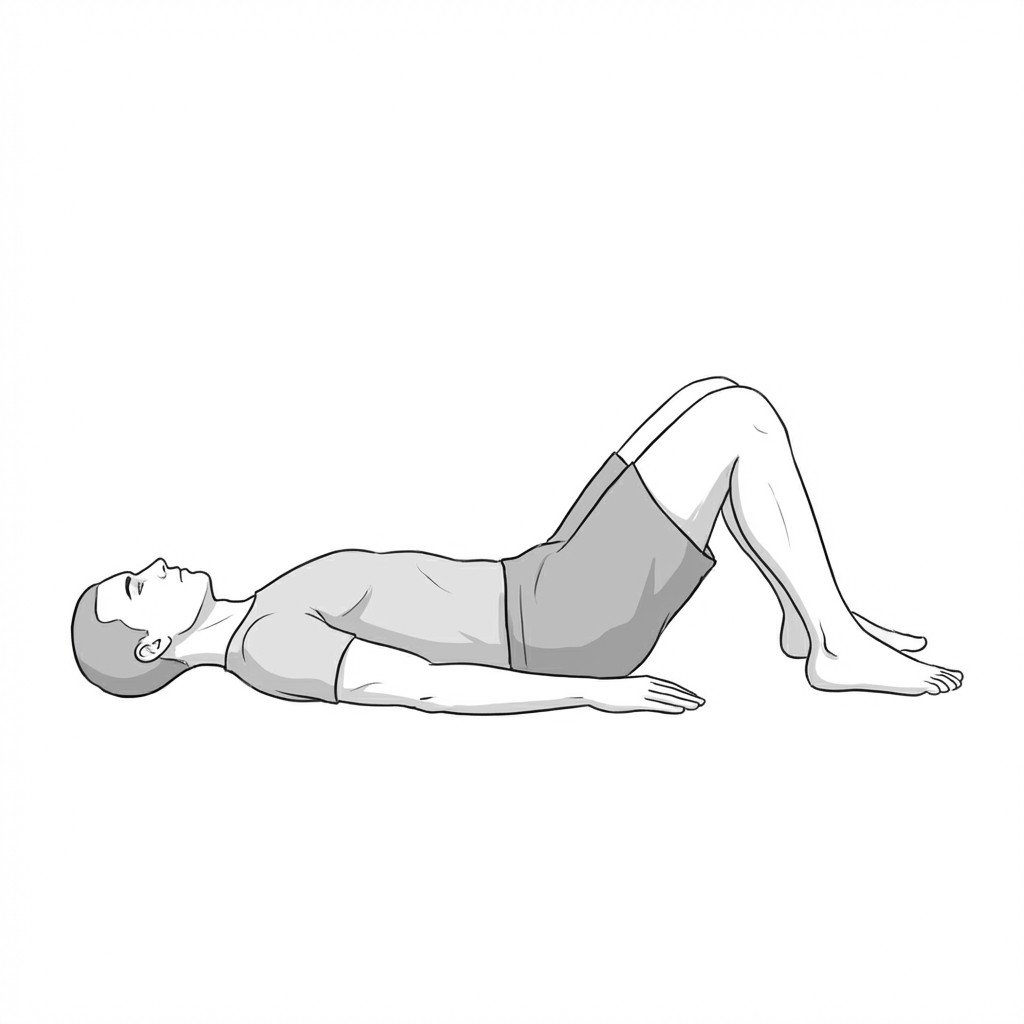
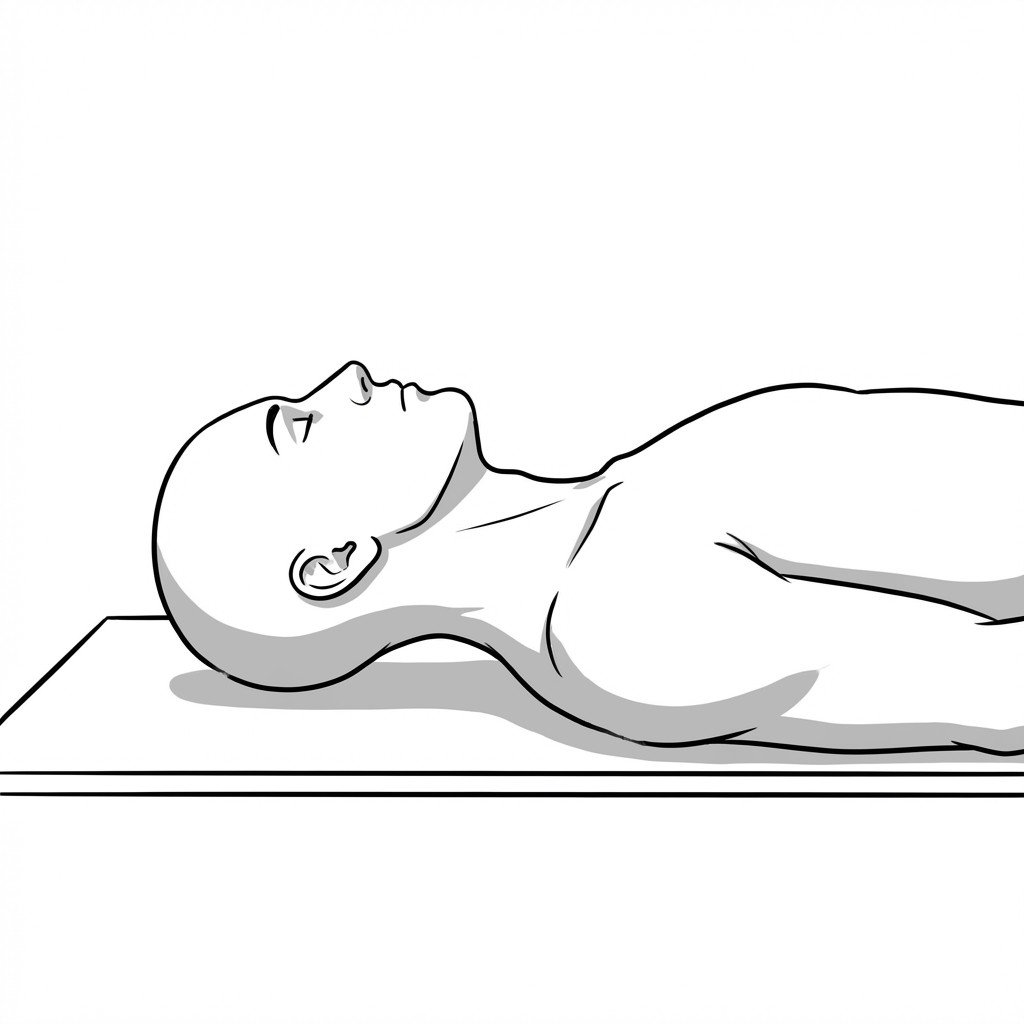
- Deep cervical flexor training and chin-tuck progressions
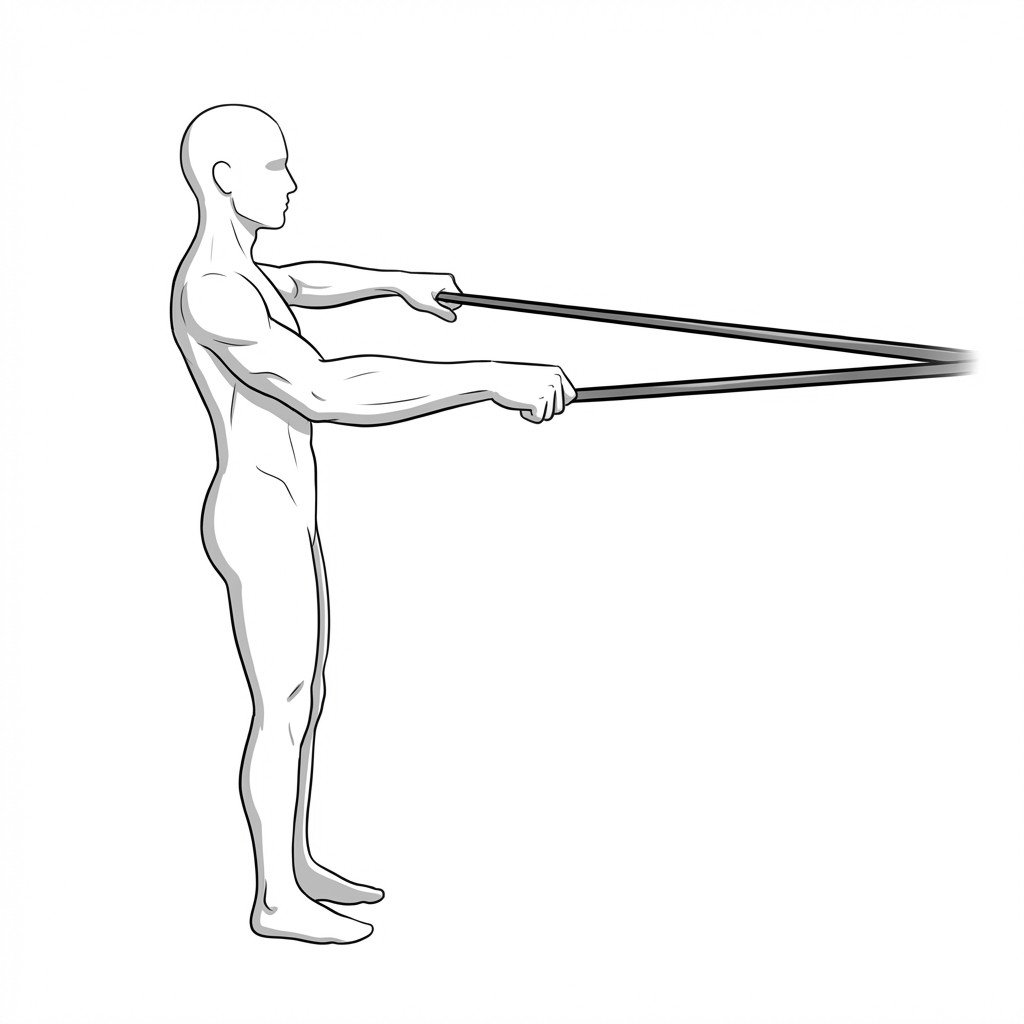
- Scapular stabilization, especially lower trapezius and serratus work
- Thoracic mobility work where upper-quarter stiffness is contributing
- Postural endurance and graded exposure to sustained positions
- Aerobic exercise as part of broader pain modulation and recovery
Red Flags — When to See a Doctor
While cervical trigger points are common, some neck-pain presentations require urgent medical assessment before any self-treatment is pursued.
Cervical and periscapular trigger points are very common contributors to neck pain, stiffness, and headache patterns.
Forward-head posture and sustained screen use can meaningfully increase cervical muscle load, but posture alone should not be treated as the entire diagnosis.
The SCM is especially important because it can produce symptoms that feel unrelated to the neck, including headache, ear-region pain, and dizziness-like complaints.
Simple self-assessment and palpation can help identify likely muscular contributors, but red flags still need to be screened carefully.
The most effective treatment plans usually combine symptom relief, ergonomic or behavioral change, and progressive rehabilitation.
Movement therapy
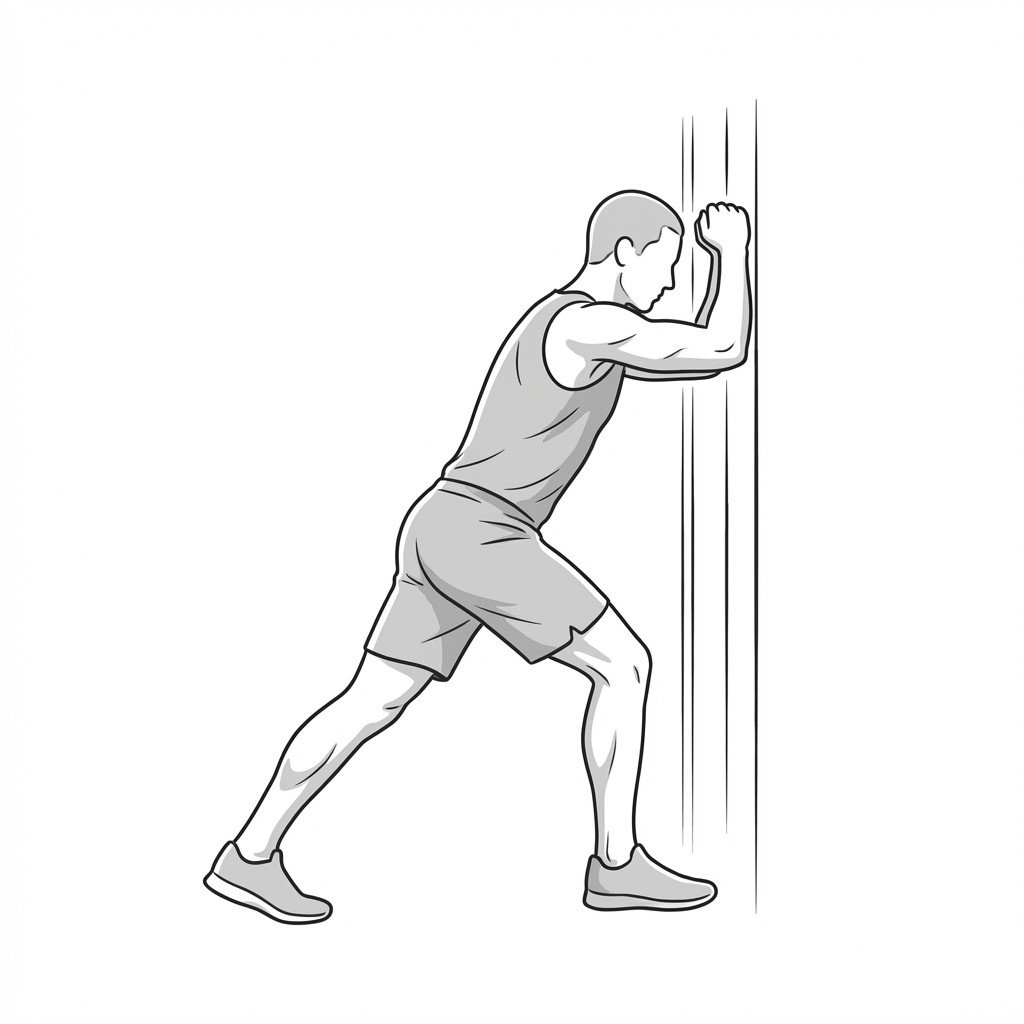
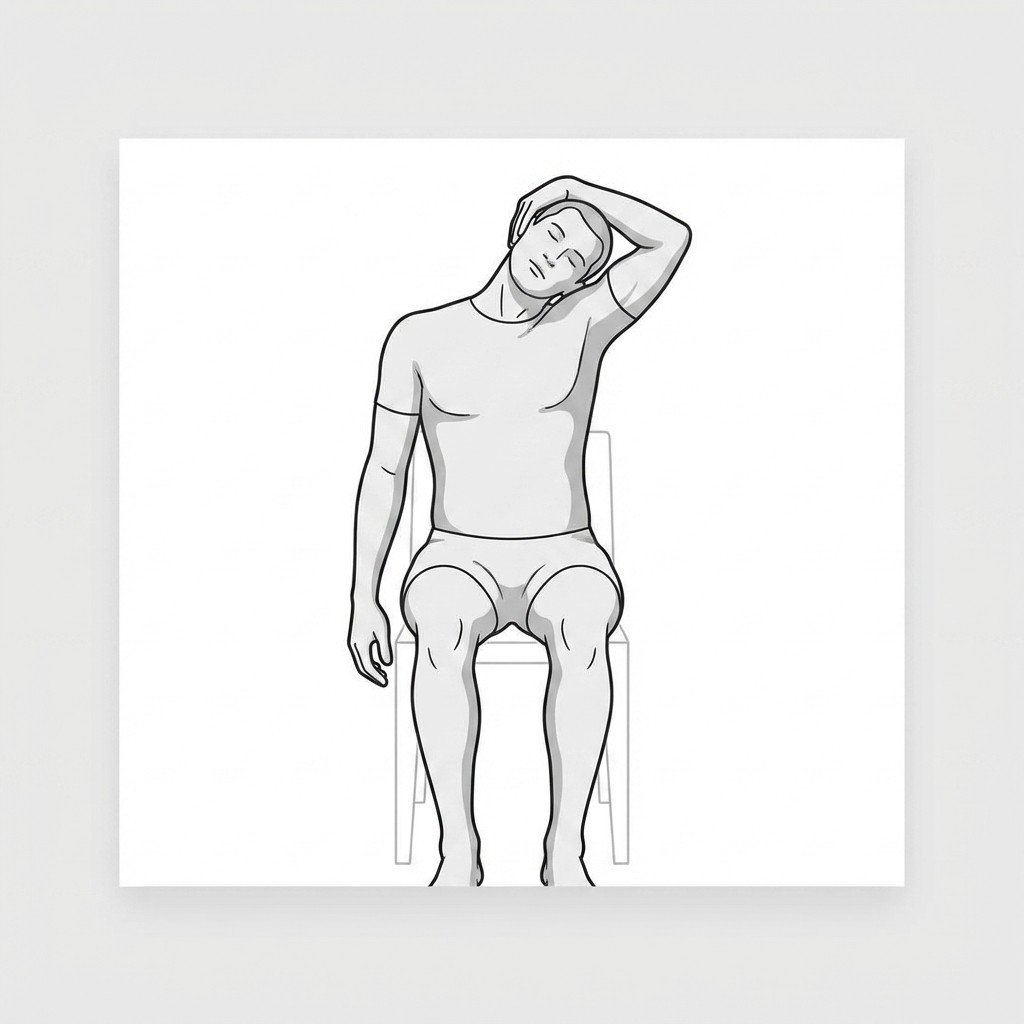
Exercises for Neck Pain
These exercises retrain the deep cervical flexors, restore scapular control, and lengthen the anterior chest wall — the three movement deficits most commonly driving persistent neck pain. Start with 2–3 and progress as tolerated.