
Physical Therapy Mechanism Overview
Why Physical Therapy?
Physical therapy is central in myofascial pain because it can address both symptoms and the factors that keep symptoms recurring: weakness, poor movement patterns, posture, load management, and loss of confidence in movement.
The strongest PT plans do not rely on one technique. They combine evaluation, symptom reduction, movement restoration, strengthening, education, and a realistic home program.
What a Typical PT Program Looks Like
Initial Evaluation
History, pain-pattern mapping, movement assessment, strength testing, and identification of likely perpetuating factors.
Treatment Plan Development
A plan is built around what this patient most needs right now: symptom reduction, movement restoration, capacity building, or recurrence prevention.
Progressive Treatment
Treatment usually shifts over time from therapist-driven symptom reduction toward patient-led capacity building and self-management.
Why Some PT Programs Fail
Programs fail when they stay too generic, too passive, too aggressive, or too disconnected from the actual perpetuating factors driving the pain.
Active vs Passive Treatments
Passive treatments can reduce pain and make movement easier, but active treatments are usually what create the lasting change. The best plans know when to lean on each.
Passive Treatments
Therapist applies to patient
- Often best for early symptom reduction
- Can calm irritable tissue
- May improve tolerance for movement
- Usually not enough by themselves for long-term success
- Should create a window for active progression
Active Treatments
Patient performs independently
- Improve long-term function and capacity
- Reduce recurrence risk
- Build independence and confidence
- Correct movement and loading problems
- Become more important as symptoms settle
The Progression Model
Treatment often starts more passive and becomes more active over time. The exact balance depends on irritability, baseline capacity, and what the patient can tolerate.

Physical Therapy Active Vs Passive Treatments Guide
Passive Treatments
Passive treatments can be helpful, especially when pain is too high for normal movement or exercise tolerance. Their purpose is to support the next step, not to become the whole plan.
Therapist-Applied
Active Treatments
Active treatments are where long-term change usually happens. They rebuild movement confidence, tissue tolerance, and resilience.
Patient-Performed
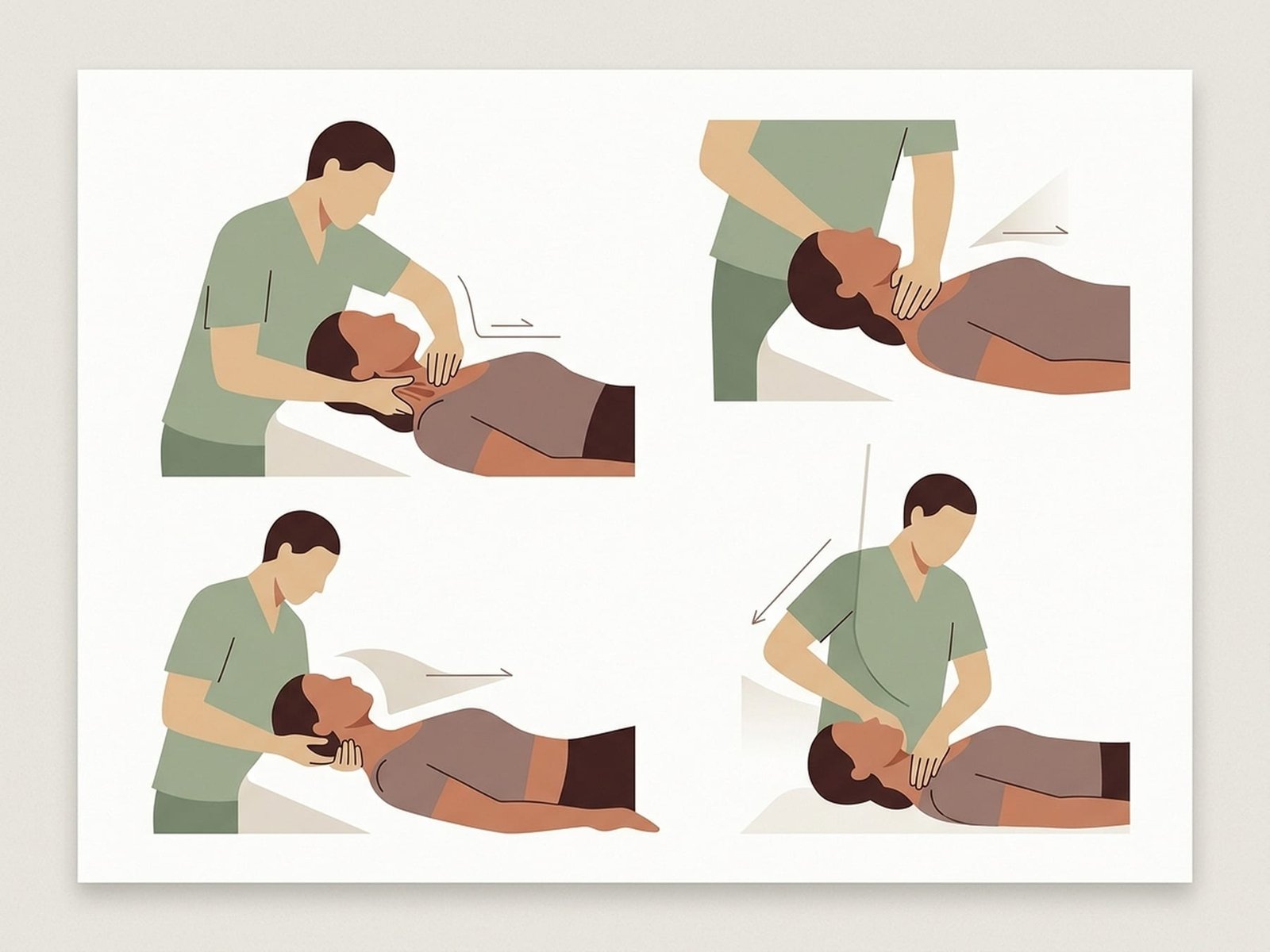
Manual Therapy Technique Demonstration
Treatment Finder
Use pain region and stage to think about what type of care may matter most right now. This is a framework, not a prescription.
Step 1: Select Pain Area
Step 2: Select Pain Stage
Recommended Passive Treatments
- 1Manual trigger point release
- 2Moist heat if helpful
- 3Simple pain-modulation strategies such as TENS in selected cases
Recommended Active Treatments
- 1Breathing work
- 2Gentle cervical motion
- 3Frequent posture-reset breaks
Typical Frequency
Often 1-3 sessions per week early on depending on irritability
The PT Treatment Timeline
Recovery is usually phased rather than instant. The emphasis often shifts from symptom reduction toward progression and maintenance over time.
Assessment & Baseline
Passive Treatment Phase (Weeks 1-2)
Transition Phase (Weeks 3-4)
Active Phase (Weeks 5-8)
Independence (Weeks 8-12+)
Assessment & Symptom Reduction
Weeks 1-2
- Initial evaluation and pain-pattern mapping
- Identify likely perpetuating factors
- Begin pain-reduction and movement-tolerance strategies
- Introduce a simple home program
- Set baseline functional goals
Transition Phase
Weeks 3-4
- Reassess symptom behavior and tissue irritability
- Shift more emphasis toward active treatment
- Progress strength, mobility, or motor-control work
- Refine the home program
- Address barriers such as posture, sleep, or load management
Active-Dominant Progression
Weeks 5-8
- Reduce reliance on passive care
- Build tissue capacity and movement confidence
- Progress loading more functionally
- Strengthen self-management skills
- Reassess recurrence drivers
Independence & Maintenance
Weeks 8-12
- Transition toward independent management
- Establish a realistic maintenance routine
- Return more fully to desired work, sport, or life activities
- Use follow-up visits more strategically
- Clarify early-warning signs and relapse planning

Physical Therapy Treatment Timeline Overview
Finding the Right Physical Therapist
A good fit matters more than a perfect credential list. Look for someone who understands myofascial pain, assesses carefully, and adapts the plan based on response.
Credentials to Look For
- Orthopedic or musculoskeletal specialization
- Training in manual therapy or trigger point management
- Comfort with active exercise progression
- Experience treating persistent musculoskeletal pain
- A style that includes education, assessment, and reassessment
Questions to Ask
- How do you assess trigger points and perpetuating factors?
- How do you balance passive care with active exercise?
- How do you progress treatment if the patient flares easily?
- What does a typical plan look like over time?
- How do you build a realistic home program?
- How do you decide when a patient is ready for discharge or maintenance care?
Red Flags to Avoid
- The same routine at every visit with no reassessment
- No hands-on assessment when the condition clearly needs it
- Passive modalities dominating the plan indefinitely
- No discussion of perpetuating factors or home strategy
- Overly generic exercise sheets with no personalization
- No clear progression or discharge plan
Specialized vs Generalist Care
You do not always need a narrowly titled “specialist,” but you do need a clinician who can examine trigger points, reason through recurrence drivers, and connect manual care to active recovery.
Common PT Mistakes
Even good intentions can fail when treatment is too aggressive, too generic, or too passive for too long.
Too Much, Too Soon
Overly aggressive manual treatment or exercise progression can flare the pain and reduce confidence. Matching dosage to irritability matters.
Passive-Only Treatment
Passive treatment may help symptoms initially, but if the plan never progresses into active recovery, the long-term result is often weak.
Ignoring Perpetuating Factors
Trigger points rarely exist in isolation. Sleep, stress, posture, load, nutrition, work setup, and movement patterns often keep the condition going.
Generic Cookie-Cutter Programs
Standardized exercise handouts are less useful than a program built around the patient’s actual deficits, goals, and symptom behavior.
Not Addressing Sleep & Stress
Sleep disruption and chronic stress can amplify pain and muscle guarding enough to undermine otherwise reasonable treatment.
Stopping at Pain-Free
If the plan ends the moment symptoms drop, recurrence is more likely. Capacity and maintenance matter, not just pain relief.
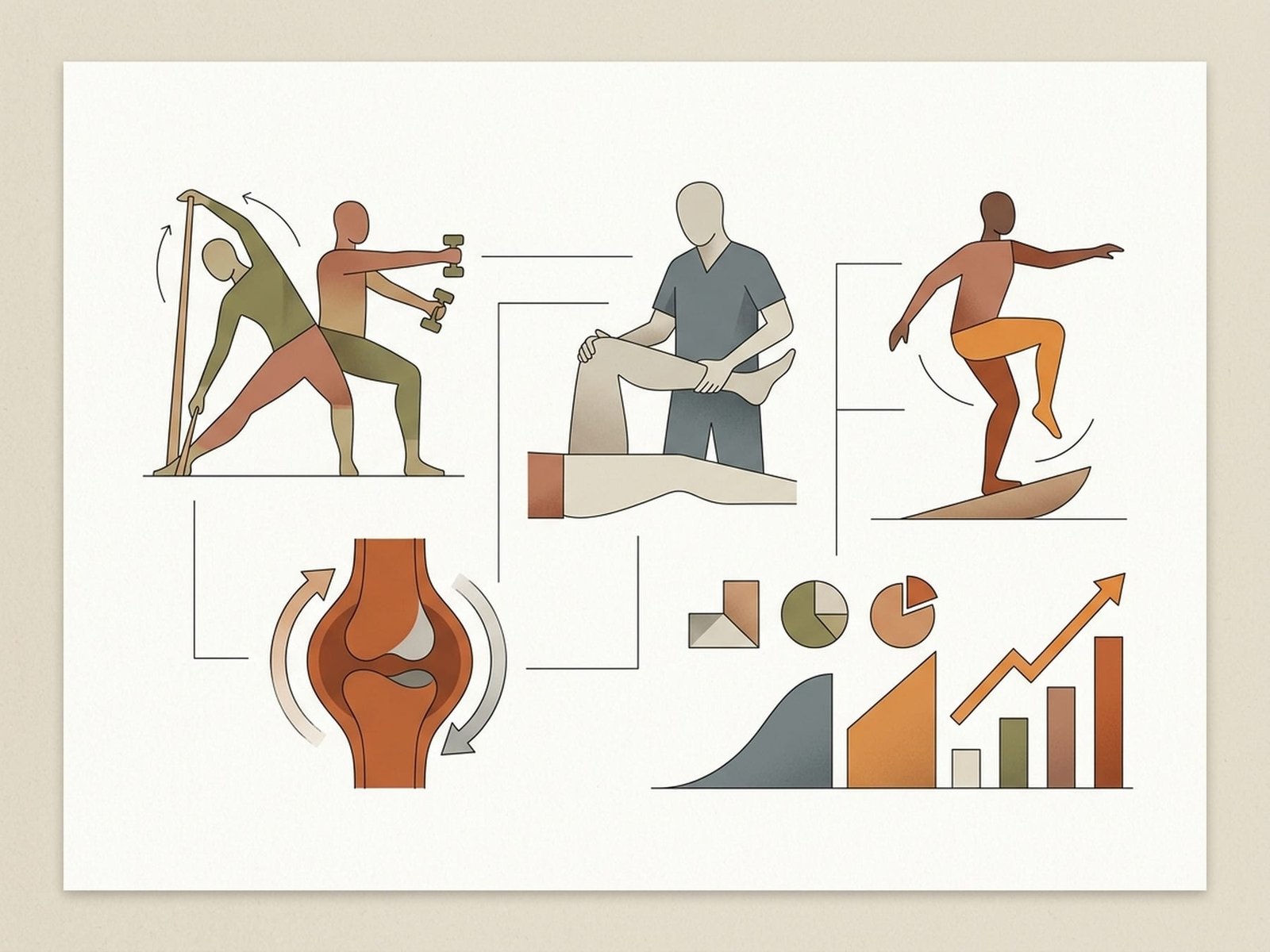
Physical Therapy Clinical Evidence Summary
Evidence & Research
The literature supports a multimodal approach: symptom reduction plus movement, strength, education, and self-management tend to outperform one-dimensional care.
Combined Physical Therapy Approaches
The broad literature supports multimodal care: patients generally do better when hands-on treatment, movement, education, and self-management are combined thoughtfully rather than used in isolation.
Photobiomodulation for Trigger Points
Laser and photobiomodulation may help selected patients, especially as adjuncts, but results depend heavily on dosage, patient selection, and what the modality is combined with.
Exercise vs. Passive Modalities
Exercise-based care generally produces more durable outcomes than passive modalities alone, especially once the patient is past the most reactive stage.
Manual Therapy Mechanisms
Mechanistic research suggests manual treatment can change local sensitivity, tissue stiffness, and pain experience in the short term. Clinical value depends on whether those changes are integrated into functional recovery.
Postural and Load-Factor Correction
When posture, ergonomics, or movement habits are clear perpetuating factors, addressing them usually improves long-term outcomes beyond local treatment alone.
Key Takeaways
Combine Active and Passive
Most patients do best when passive symptom reduction is paired with active recovery rather than replaced by it.
Address the Root Cause
Lasting improvement usually requires dealing with the perpetuating factors, not just the trigger point itself.
Build Independence
A strong PT plan should steadily move the patient toward self-management rather than indefinite dependency.
Allow Adequate Time
Meaningful change often takes weeks, not a couple of sessions. Expect progression, reassessment, and adjustment over time.
Choose a Good Fit, Not Just a Title
The best therapist is the one who can assess the pattern well, explain it clearly, and adapt treatment intelligently — not simply the one with the longest string of letters.
Maintenance Matters
A short maintenance routine often determines whether gains last after formal treatment ends.
Continue Learning
Manual Therapy
Hands-on approaches that may complement a PT program when used strategically.
Strength Training
How progressive loading supports long-term recovery and recurrence prevention.
Exercise Guide
Movement and exercise strategies that commonly fit into myofascial rehabilitation.
TENS Guide
How TENS may be used as a symptom-modulating adjunct in selected cases.
Treatment Framework
A broader view of how different myofascial treatments are sequenced and combined.
Building Your Care Team
How PT may fit alongside other clinicians in a broader pain-management plan.