Understanding the Quadratus Lumborum
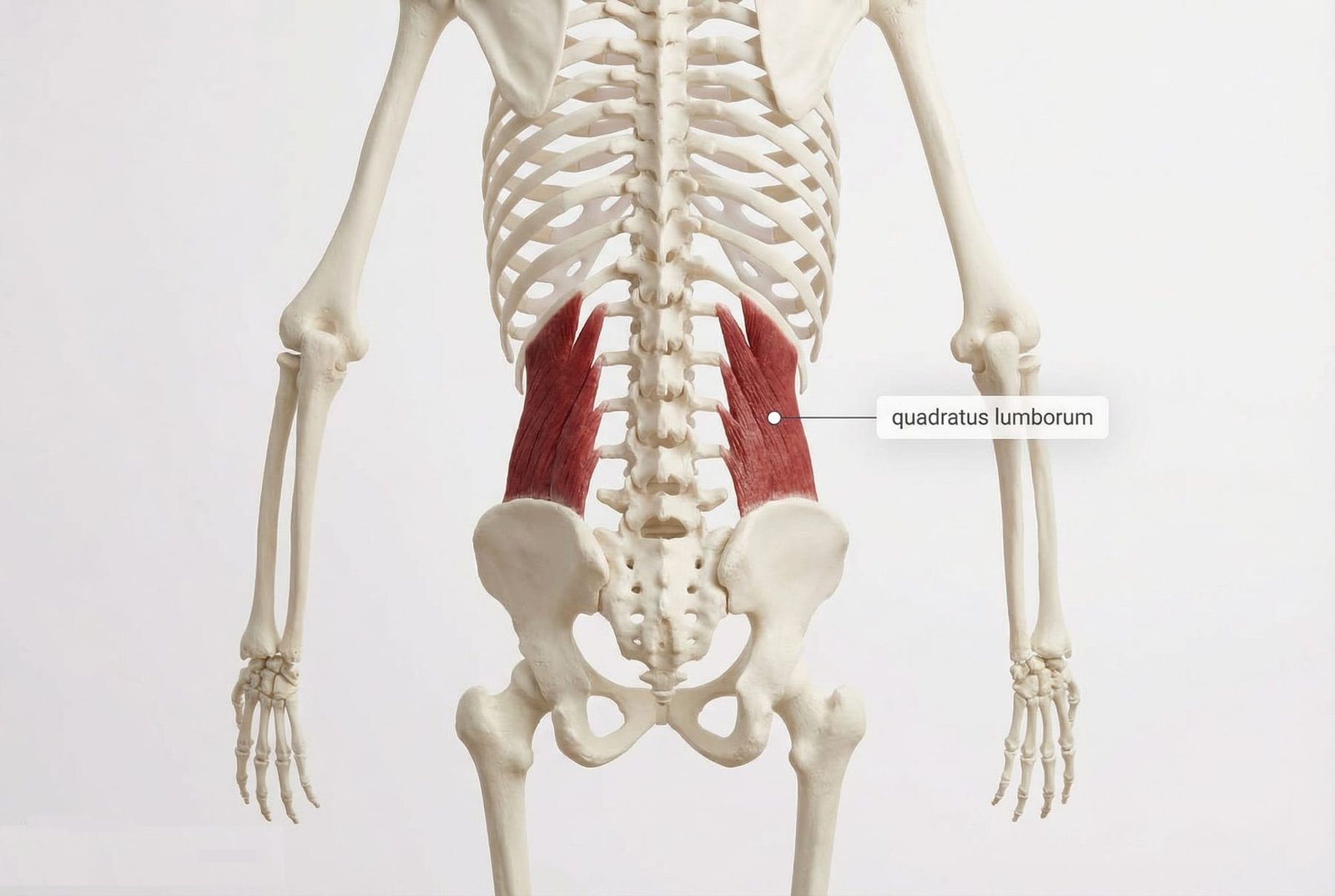
Quadratus Lumborum Anatomy Overview Diagram
The quadratus lumborum (QL) is a deep posterior abdominal wall muscle that connects the lower rib cage, the lumbar spine, and the iliac crest. It plays an important role in lateral trunk stability, pelvic control, and breathing-related trunk mechanics.
Because the QL is deep and its referral pattern overlaps with other lumbar structures, it is often under-recognized in low-back pain workups. Patients may be told their pain is “disc-like,” “hip-related,” or “nonspecific” when the QL is actually a major contributor.
The QL often becomes overloaded when the body is using it to compensate — for hip weakness, pelvic asymmetry, prolonged sitting, side-dominant habits, guarded breathing, or lower-back instability.
It can also remain chronically irritated when its perpetuating factors are not addressed. That is why direct treatment alone often helps temporarily but not durably unless the broader load pattern also changes.
Anatomy & Trigger Points
The QL sits deep between the lower ribs, lumbar spine, and iliac crest. Its location helps explain both its stabilizing importance and why its trigger points are easy to overlook.
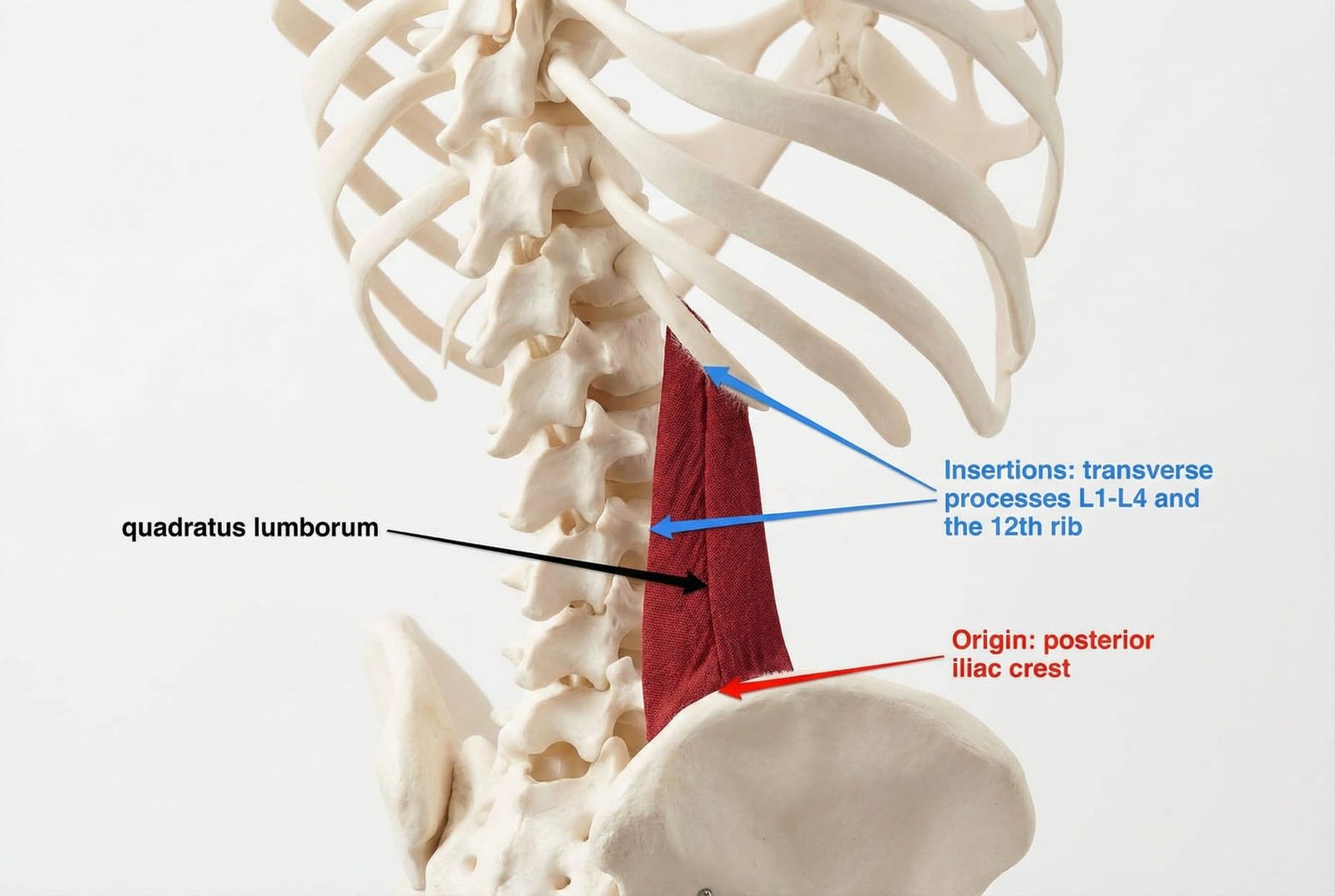
QL Trigger Point Locations Anatomy
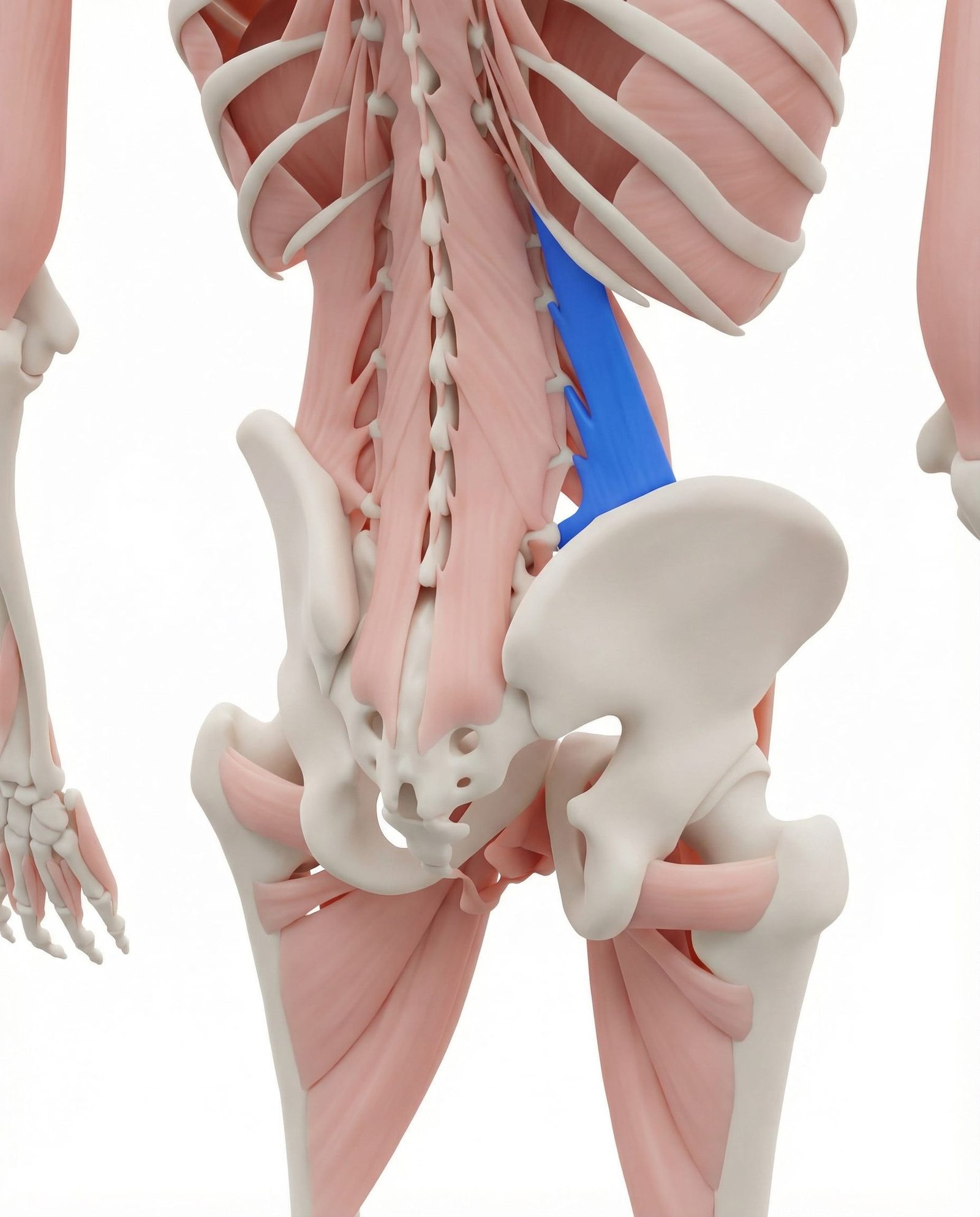
Deep aching pain in the low back, iliac crest, lateral hip, and sometimes groin region. In some patients this can resemble disc-related or sacroiliac-region pain.
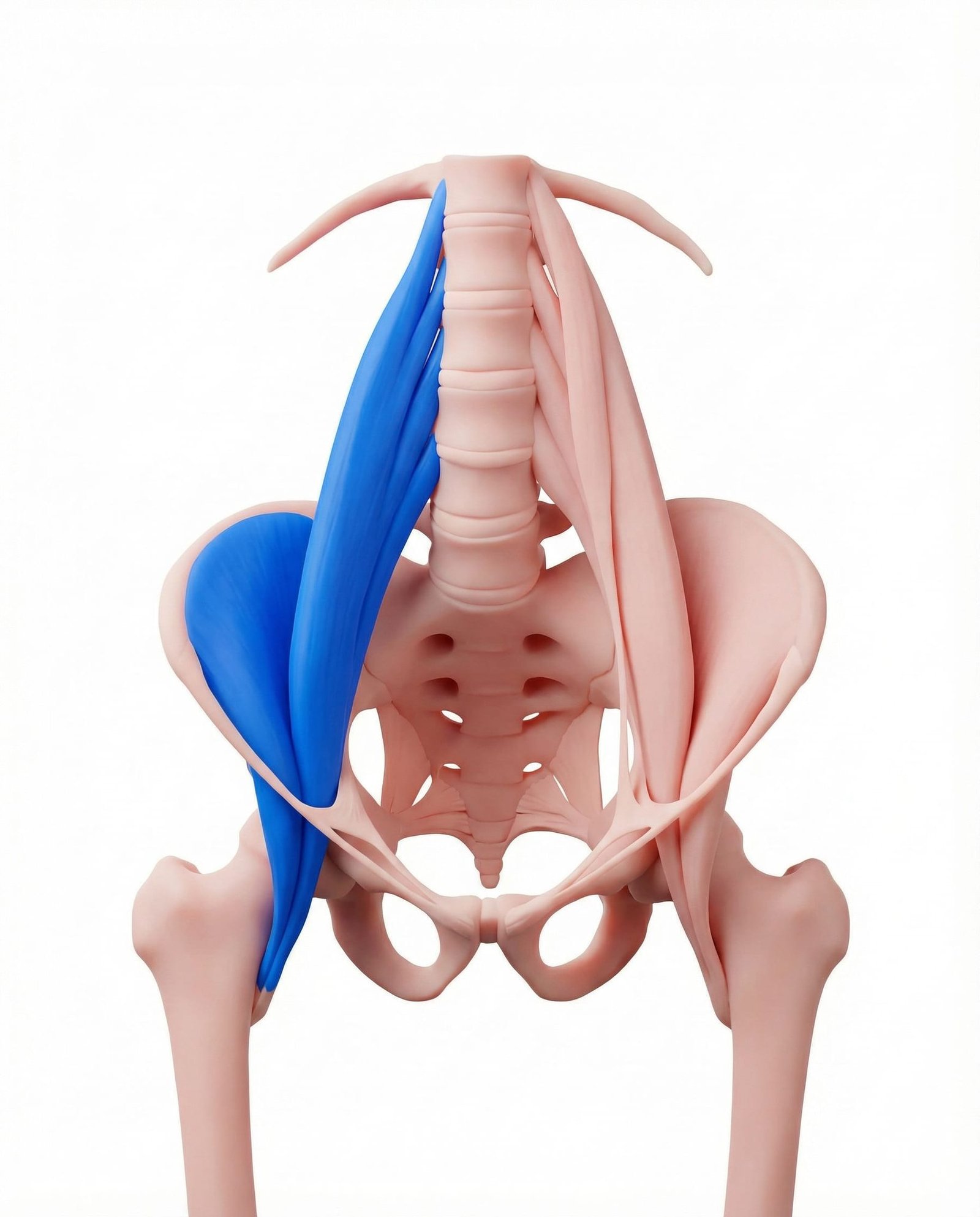
May contribute to deep anterior hip, groin, or lumbar discomfort and often coexists with QL overload in people with anterior pelvic tilt or prolonged sitting.
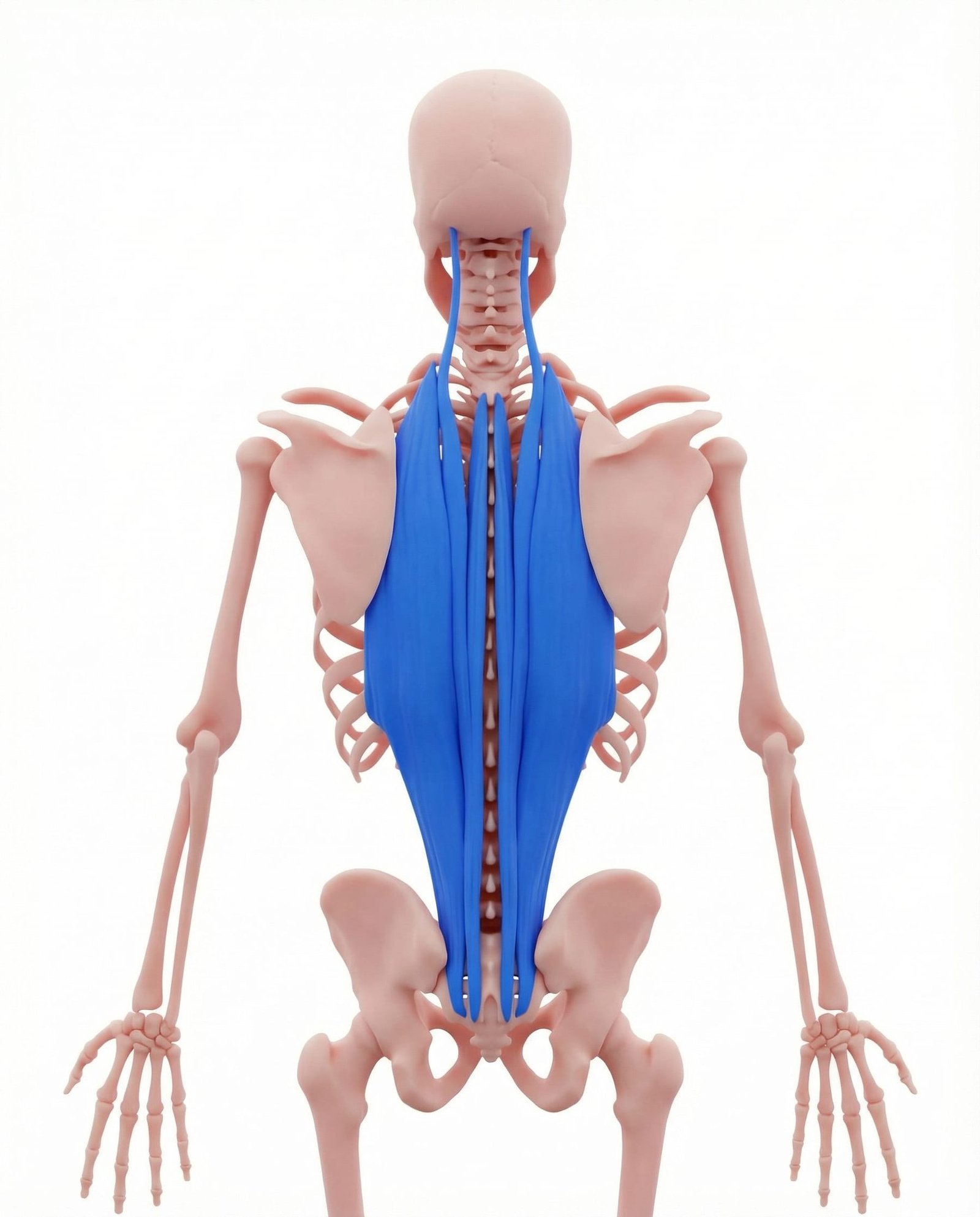
Can produce broader lumbar aching and often becomes secondarily overloaded when the deeper stabilizing system is not sharing the load well.
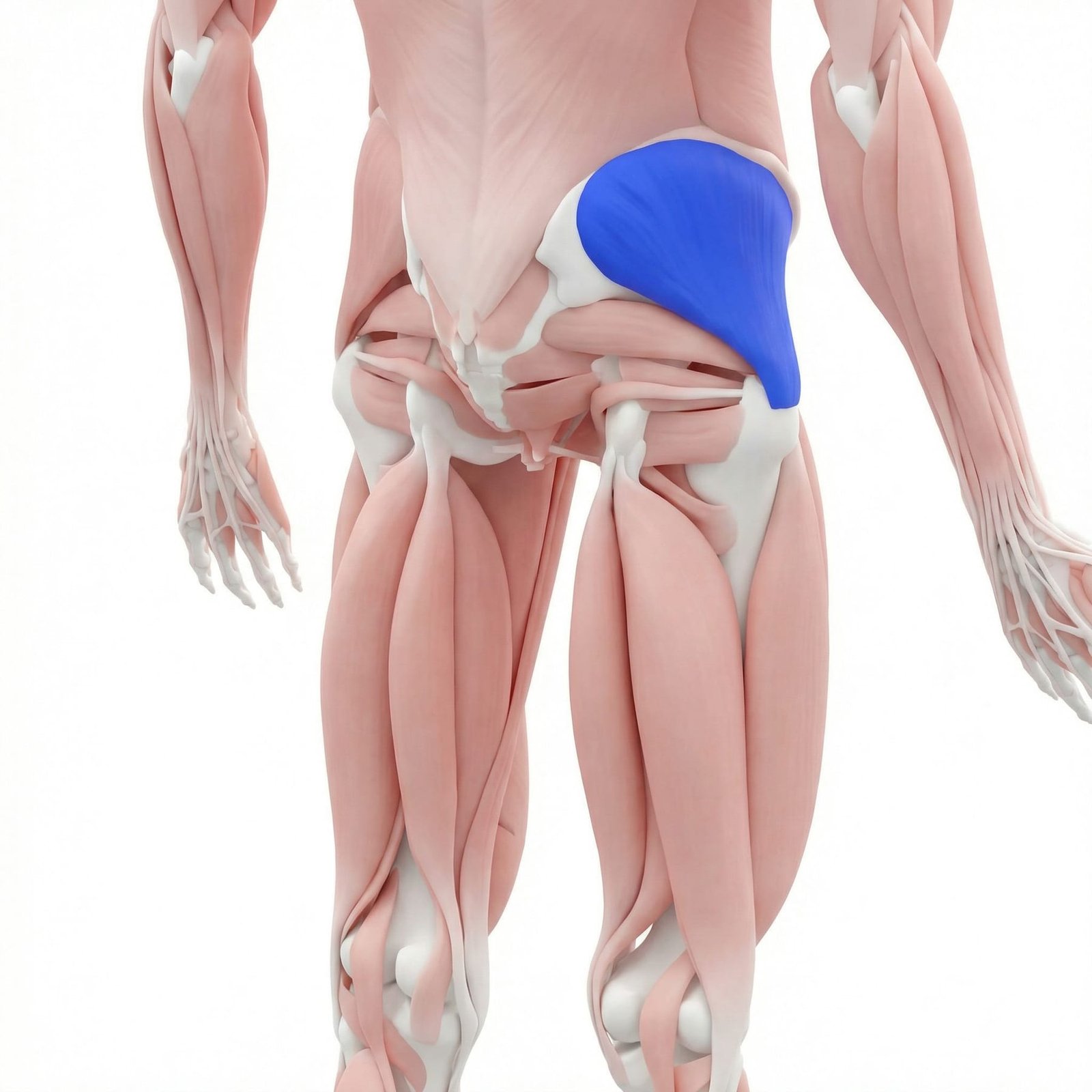
May contribute to lateral hip and iliac crest discomfort and often overlaps with QL pain when single-leg control and pelvic stability are poor.
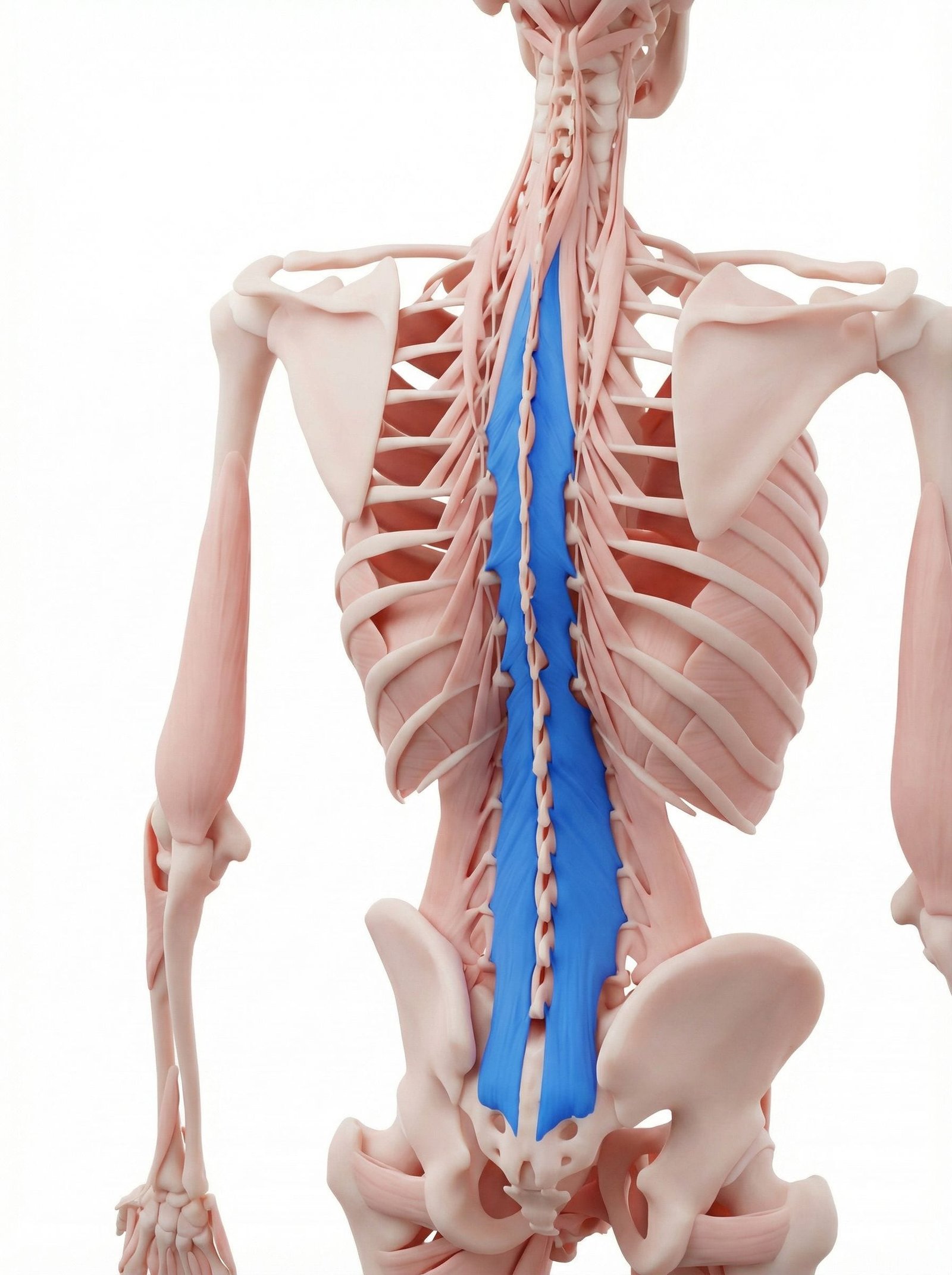
Can contribute to local low-back pain and stiffness and often functions as part of the same stabilization system as the QL.
Referral Patterns: What the QL Actually Feels Like
QL pain is often experienced as deep, aching, hard-to-reach low-back pain rather than as a superficial sore spot. It commonly refers toward the iliac crest, lateral hip, buttock region, or groin.
Some patients describe the pain as “disc-like” because it feels central and deep, but the absence of true neurological features often points back toward muscular referral rather than nerve-root pain.
The QL often feels like a deeper, harder-to-pin-down version of ordinary low-back pain — which is exactly why it is so often missed.
Iliac Crest
Greater Trochanter / Hip
Groin / Abdomen
Self-Assessment Tests
No single test diagnoses the QL by itself. Confidence usually comes from a consistent pattern across palpation, side-bending behavior, loading tests, and the exclusion of more serious causes.
QL Direct Palpation Test
Deep palpation of the QL region
Lateral Trunk Flexion Test
Standing side-bend provocation
Hip Hiker Test
Single-leg pelvic control observation
Standing Loaded Hip Flexion
Single-leg standing knee raise
Treatment Pathways
QL treatment works best when it addresses both the irritated muscle and the reason it is doing too much stabilization work in the first place.
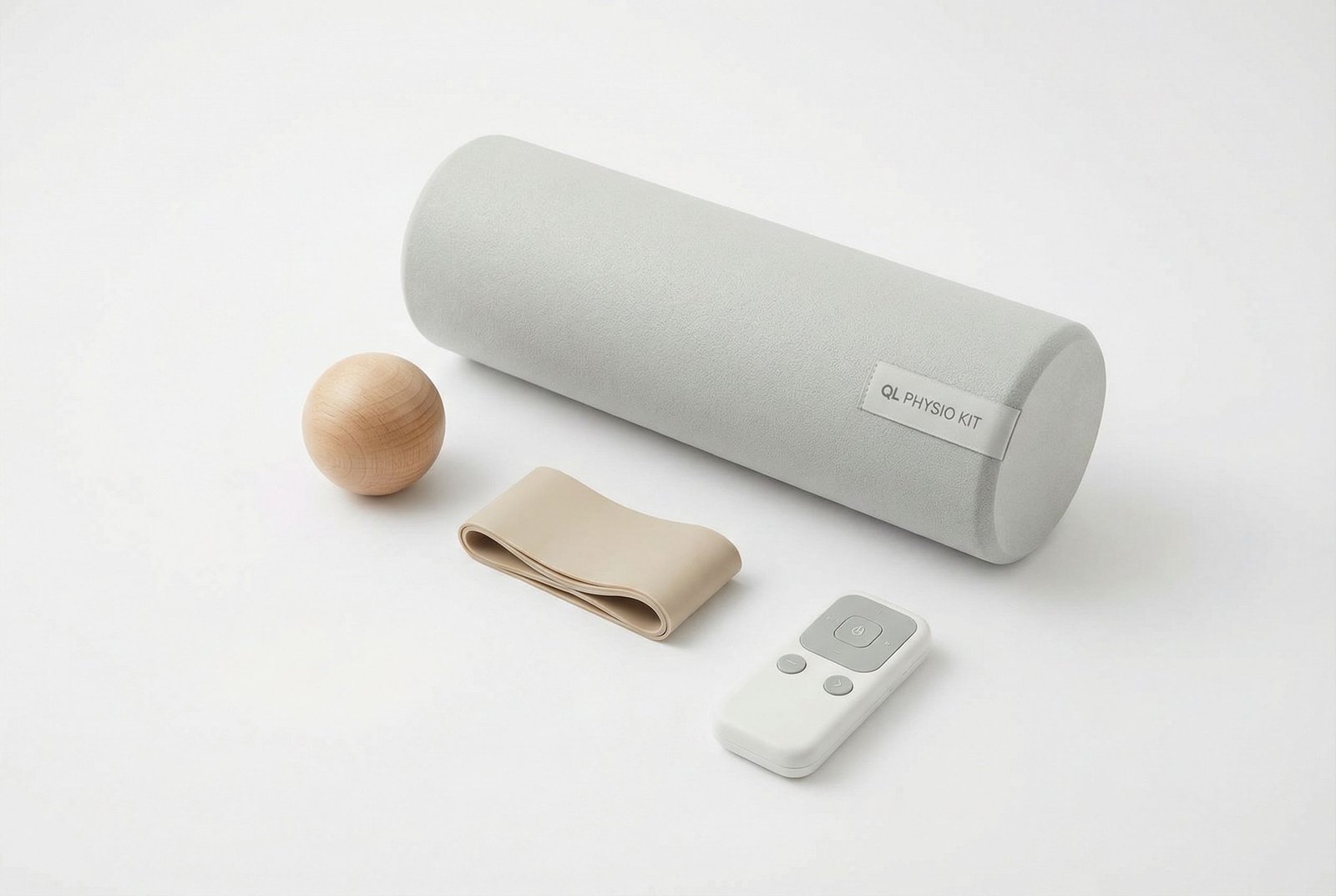
QL Manual Therapy Treatment
Manual & Myofascial Release
Hands-on treatment may help reduce local QL irritability, improve tissue tolerance, and make later stretching or exercise easier to perform.
- Manual trigger point work or myofascial release in the QL region
- Gentle thoracolumbar fascial treatment where clinically relevant
- Symptom-guided rather than force-driven pressure
- Reassessment of movement after treatment rather than pressure for pressure’s sake
Targeted Stretching
Stretching can be helpful when the QL or adjacent lateral trunk and hip tissues feel shortened or guarded, especially when prolonged sitting or asymmetrical posture is a key perpetuating factor.
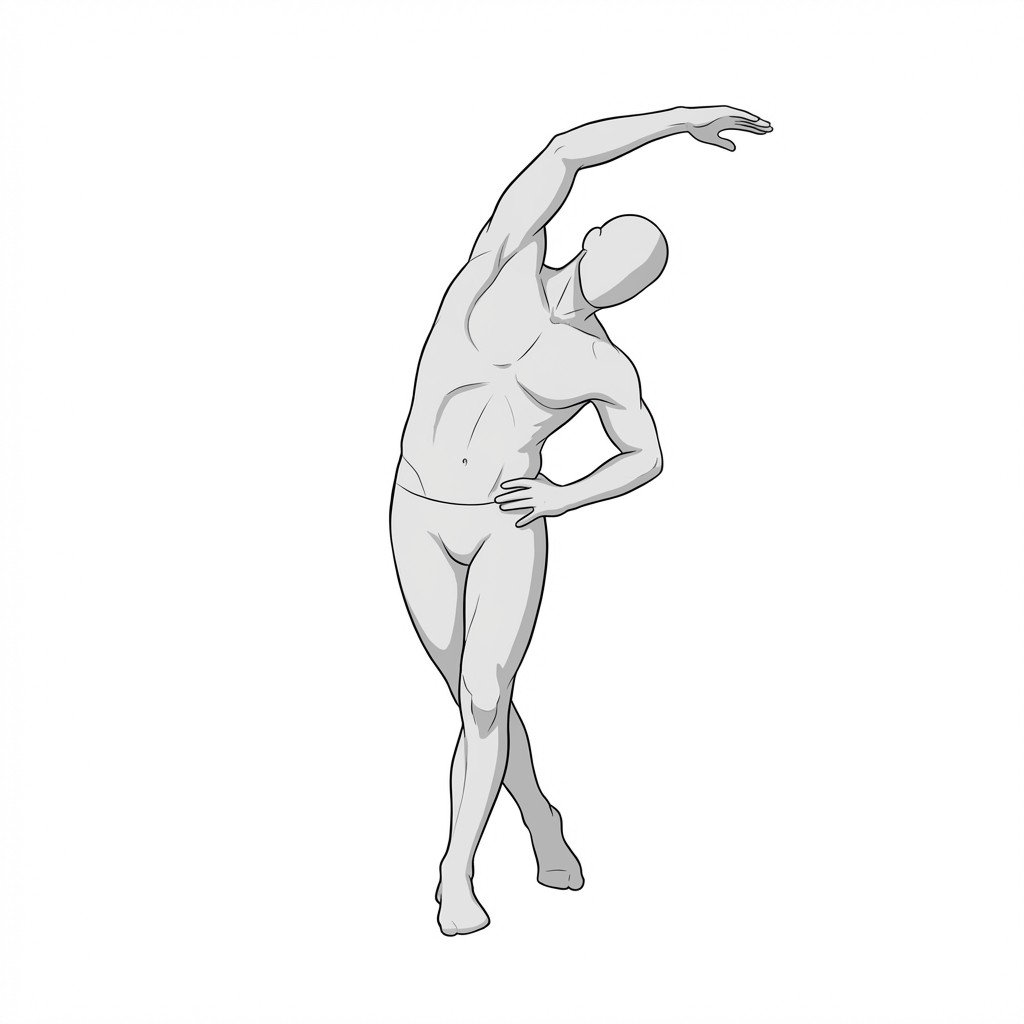
- Gentle lateral trunk flexion stretching
- Supported side-lying or doorway-based QL stretching
- Integration with breathing to reduce guarding
- Symptom-guided range rather than forced end range
Dry Needling & Injections
Interventional treatment may be considered for persistent QL-related pain that has not responded to simpler conservative care. Because the region is deep and anatomically sensitive, skill matters.
- Dry needling by an experienced clinician
- Trigger point injection in selected refractory cases
- Procedural planning that respects the depth and surrounding anatomy
- Use only when the diagnosis is reasonably clear and conservative care has been insufficient
Stabilization & Strengthening
Long-term improvement usually depends on reducing why the QL keeps overworking: weak hip abductors, poor trunk control, asymmetrical loading, or recurrent sitting-related/postural stress.
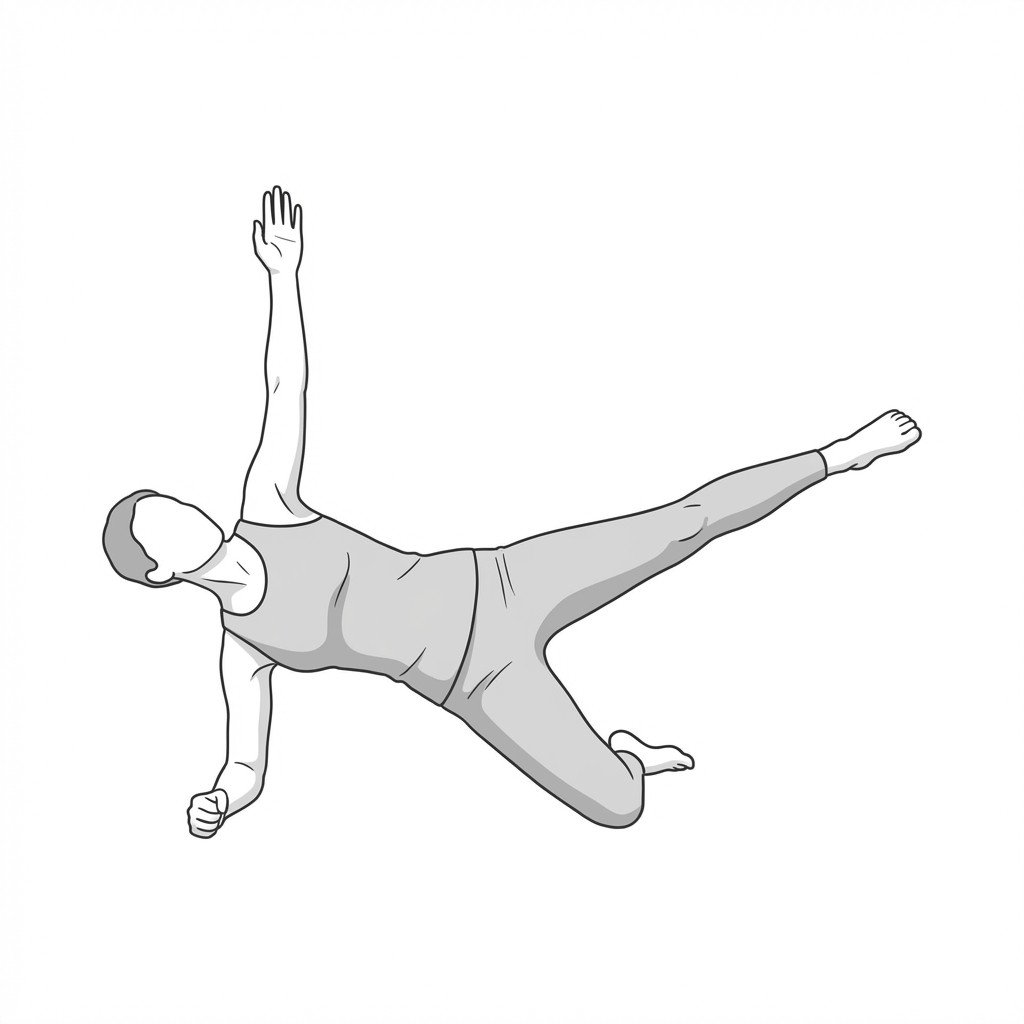
- Lateral plank progression
- Bird-dog and trunk-control exercises
- Anti-rotation work such as the Pallof press
- Hip abductor strengthening and single-leg control work
Red Flags — When to See a Doctor
Most QL-related pain is musculoskeletal, but some symptoms suggest renal, neurological, infectious, or structural causes that need medical review first.
Key Takeaways
The QL is a common and often under-recognized contributor to low-back and iliac-crest-region pain.
Its referral pattern can overlap with disc, sacroiliac, hip, or flank complaints, which is one reason it is often missed.
The QL rarely acts alone — iliopsoas, gluteus medius, multifidus, and lumbar extensors often share the load pattern.
The best treatment plans usually combine symptom reduction with correction of the movement or loading factors that keep the QL overactive.
Many patients improve when the muscle itself and the perpetuating factors around it are treated together.
Movement therapy
Exercises for Quadratus Lumborum Pain
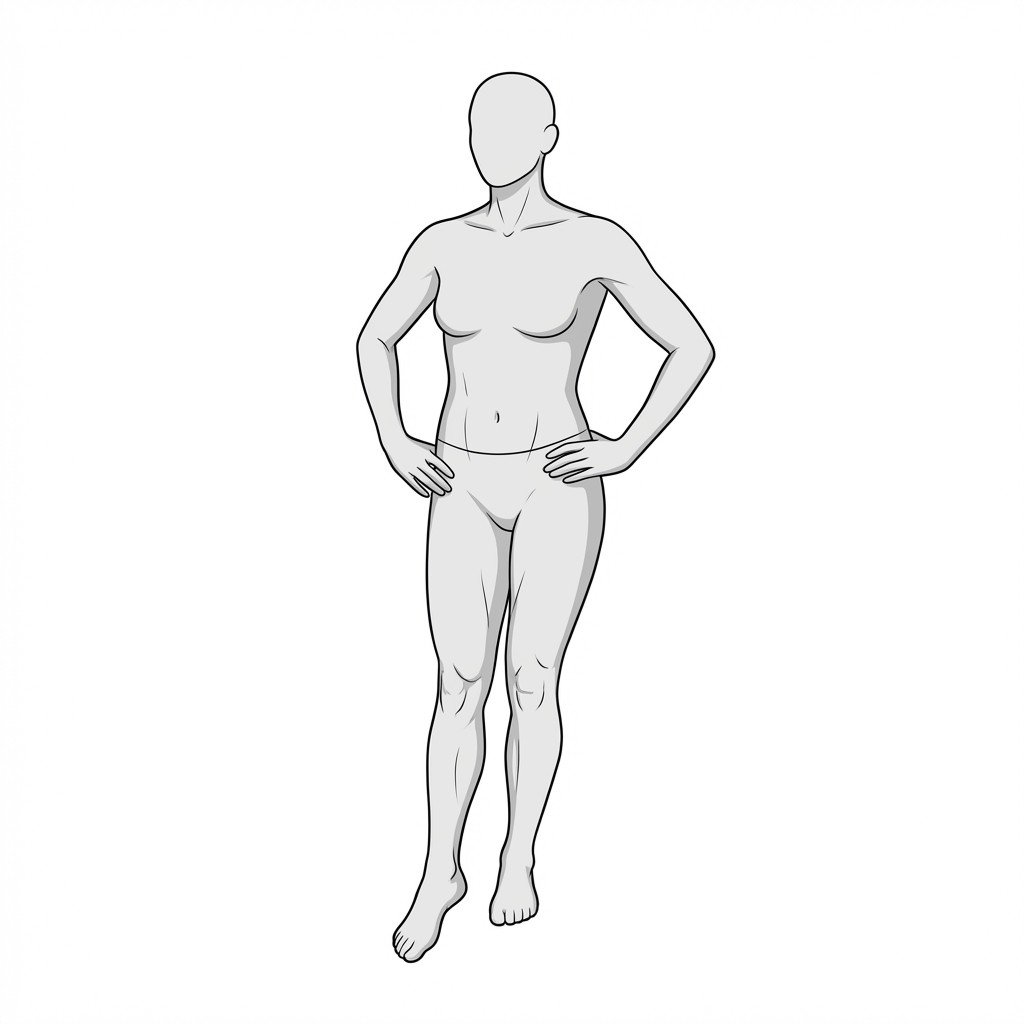
These exercises address the QL's dual role as a hip hiker and lateral lumbar stabilizer — pelvic hikes rebuild the lateral corset, lateral flexion stretching releases the shortened side, and side planks build the endurance needed to hold the pelvis level during standing and walking. Start with 2–3 and progress as tolerated.