Understanding the Trapezius
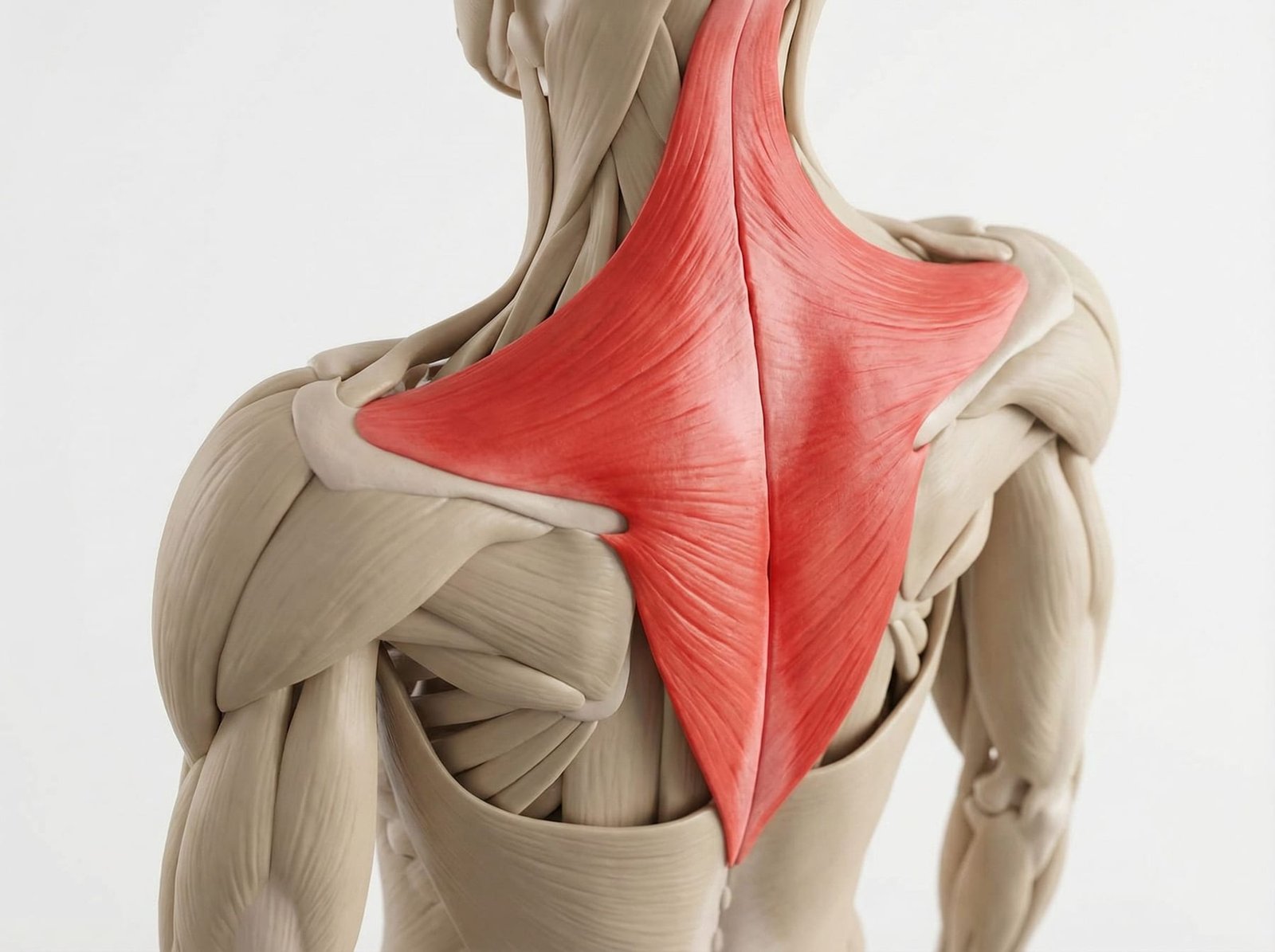
Trapezius Muscle Anatomy
Upper, Middle & Lower FibersThe trapezius is a large posterior neck–upper-back muscle with upper, middle, and lower fiber groups that function somewhat differently. That is one reason the trapezius can contribute to several very different symptom patterns depending on which region is dominant.
Upper fibers often become overactive in stress, prolonged shoulder elevation, and forward-head posture. Middle and lower fibers are often weaker or less well recruited in chronic desk posture and scapular dysfunction, though they can still become painful themselves.
In practice, trapezius trigger points commonly coexist with levator scapulae, SCM, suboccipitals, pectoral tightness, and thoracic stiffness. This explains why many patients feel a “whole upper-quarter problem” rather than one isolated sore muscle.
The clinical importance of the trapezius is not just local shoulder pain. It often contributes to headache, interscapular discomfort, scapular dyskinesis, and difficulty sustaining upright posture through the day.
Anatomy & Trigger Points
The trapezius is best understood as three functionally distinct regions that often fail or overload in different ways. This makes region-specific treatment more useful than treating “the trapezius” as a single generic problem.
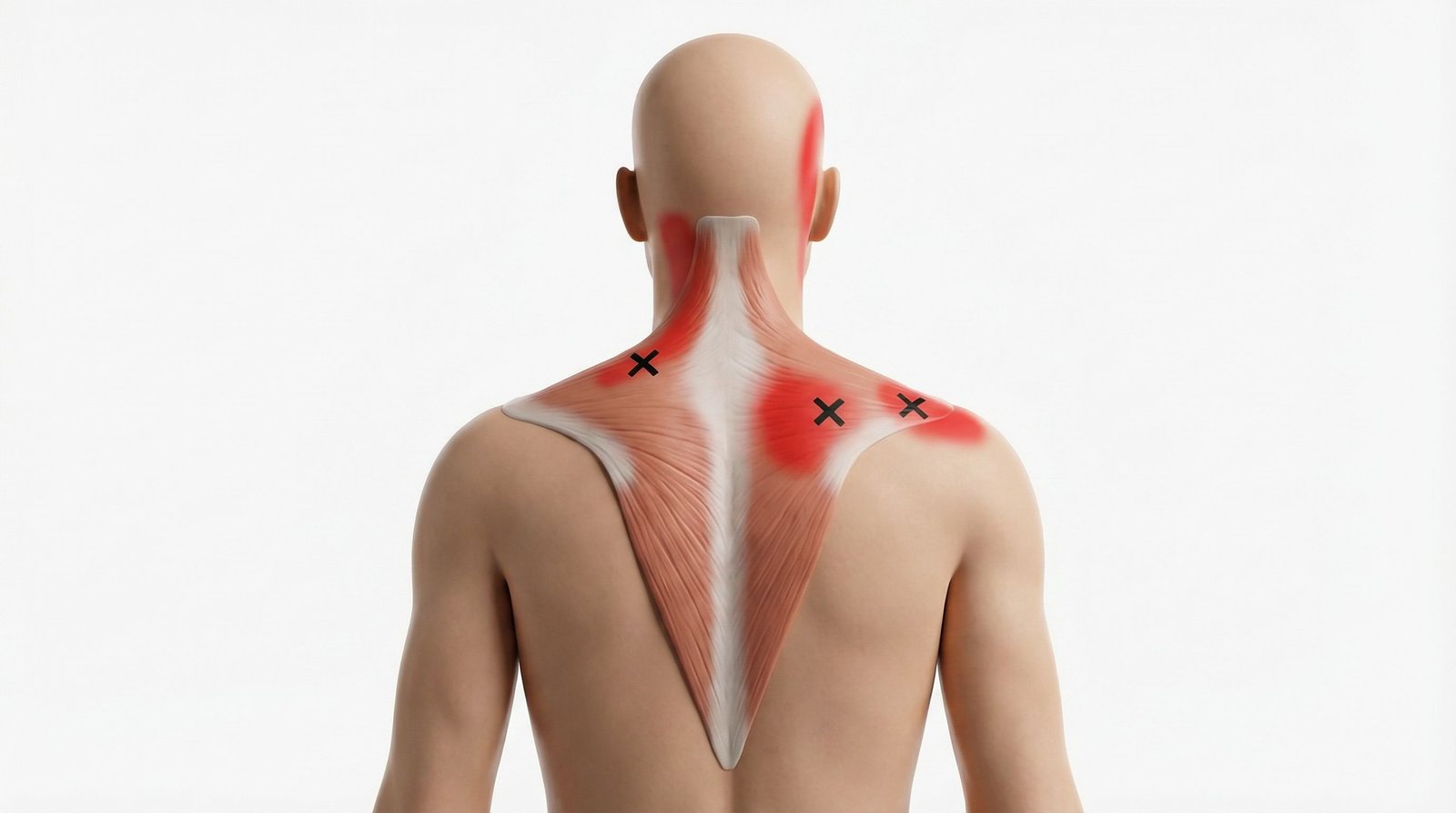
Trapezius Trigger Point Locations and Referral Zones
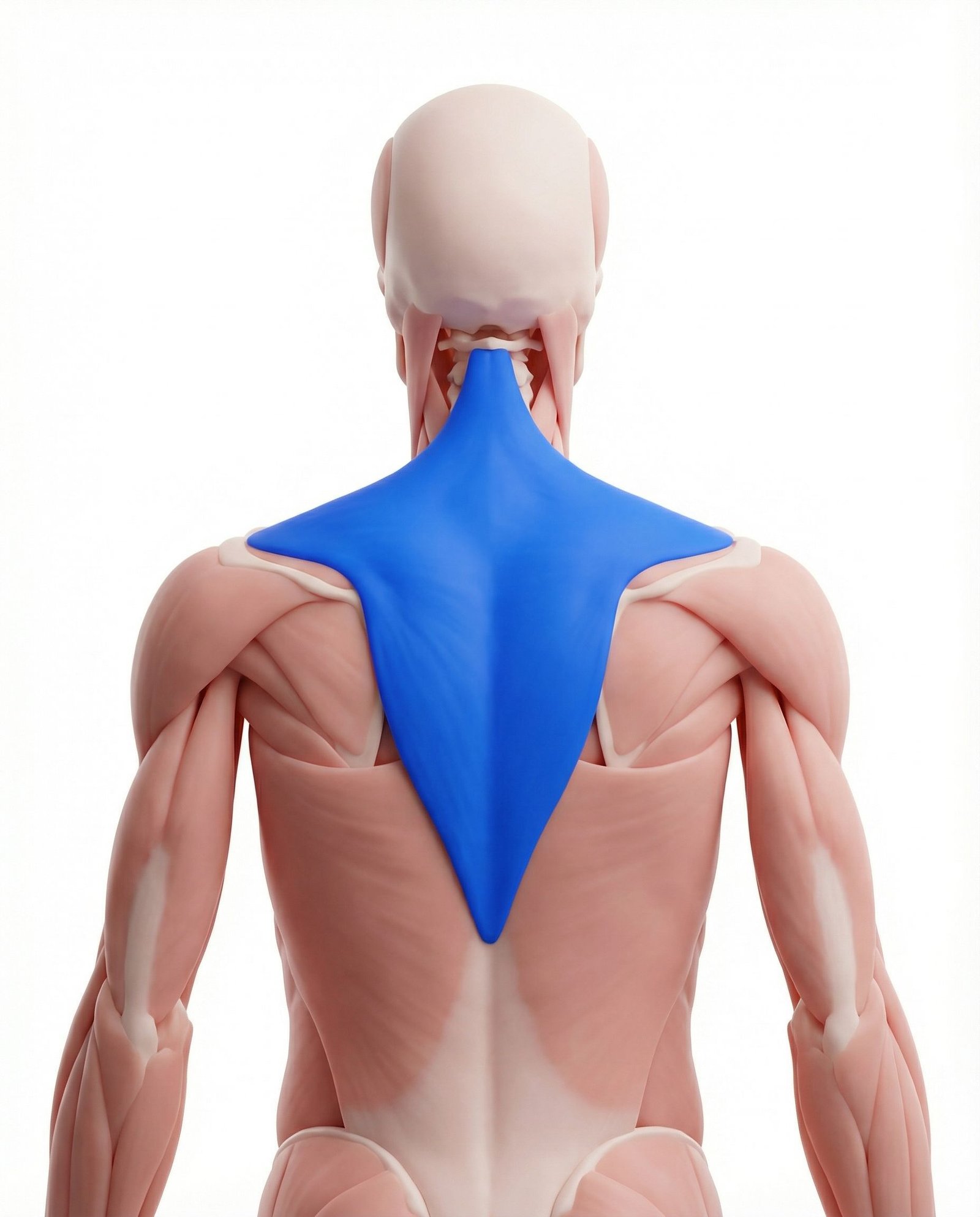
Upper trapezius trigger points often refer pain from the neck and shoulder toward the temple, side of the head, or behind the eye. This is one of the most common myofascial referral patterns in the upper quarter, but it is not the only cause of cervicogenic or temple headache.
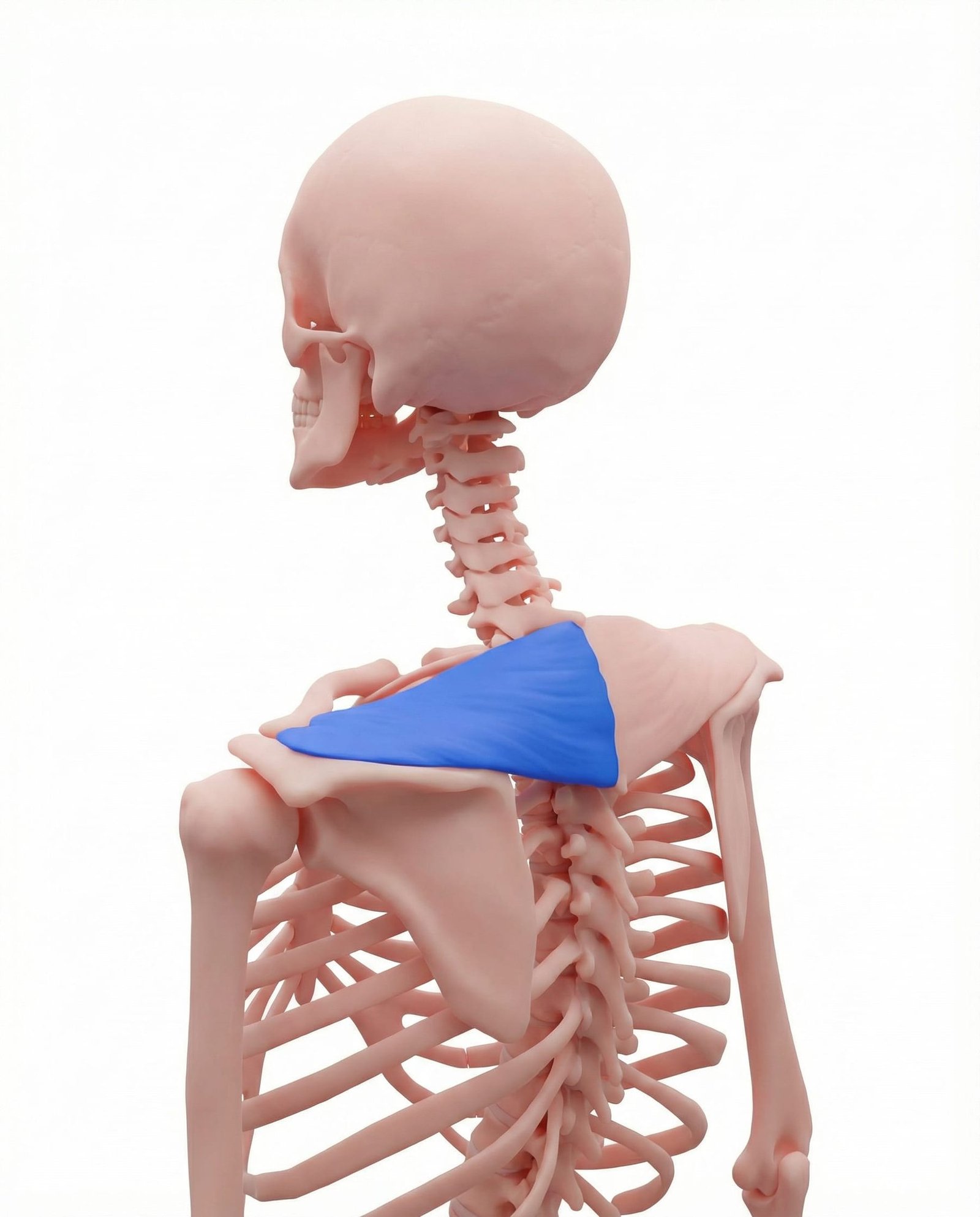
Middle trapezius trigger points commonly produce an interscapular ache or burning discomfort between the shoulder blade and thoracic spine, especially in prolonged desk or forward-shoulder posture.
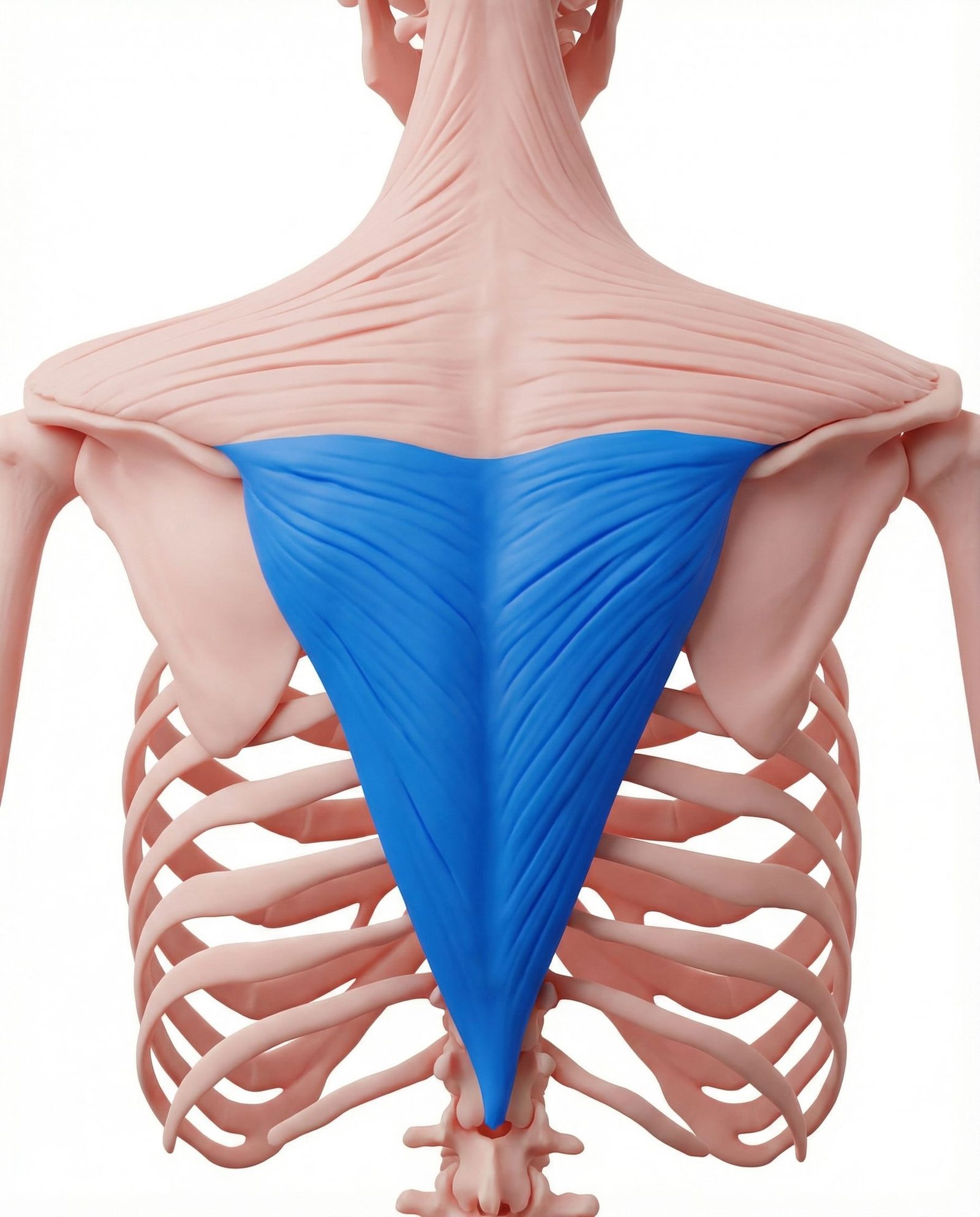
Lower trapezius dysfunction is more often felt as upper-thoracic or lower cervical ache and scapular-control problems than as a sharply distinct pain map. It is frequently part of a broader scapular imbalance rather than a purely isolated pain source.
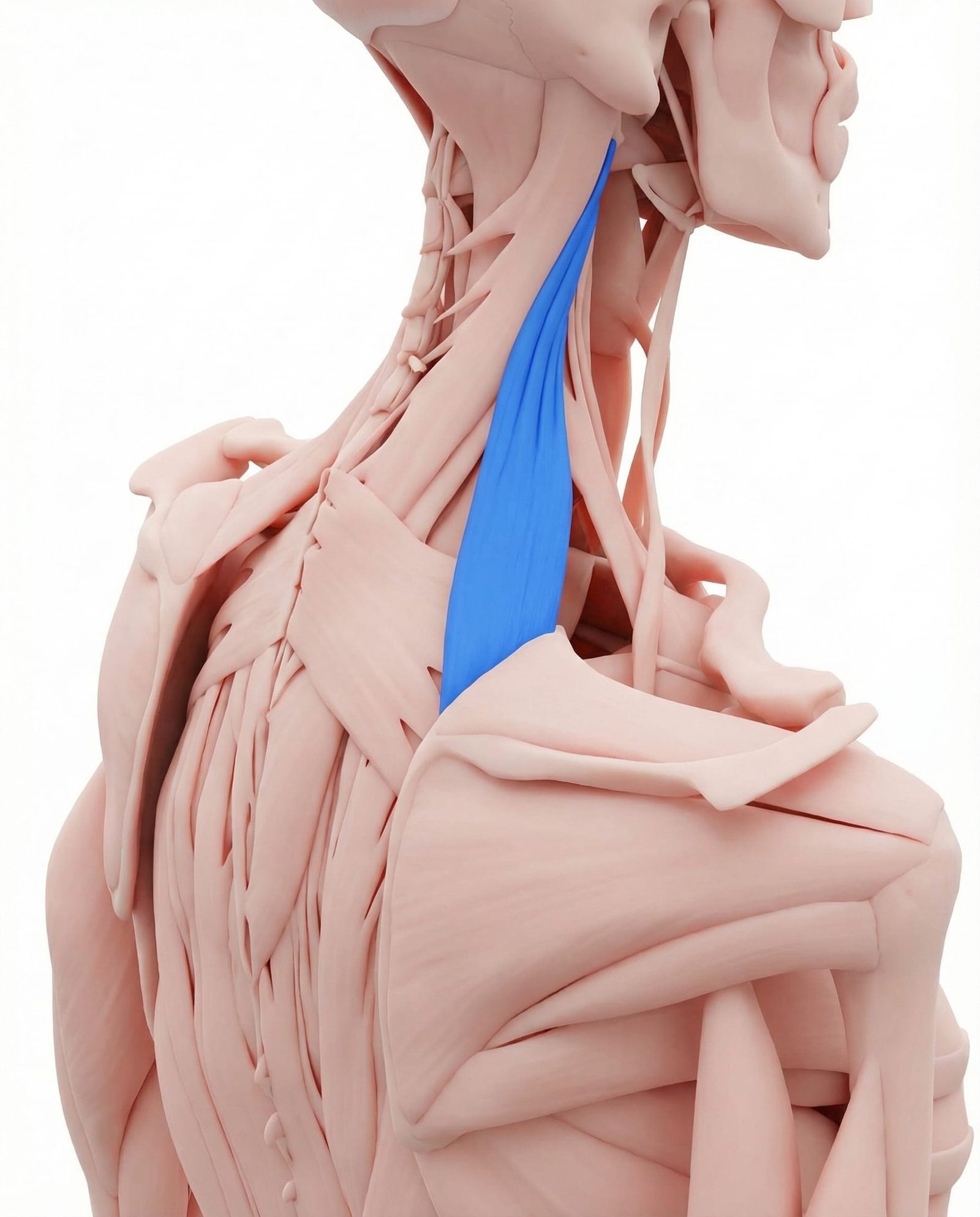
Often contributes pain at the cervicoscapular angle and is a frequent partner in “stiff neck” and acute torticollis-like patterns. It commonly coexists with upper trapezius overload rather than acting alone.
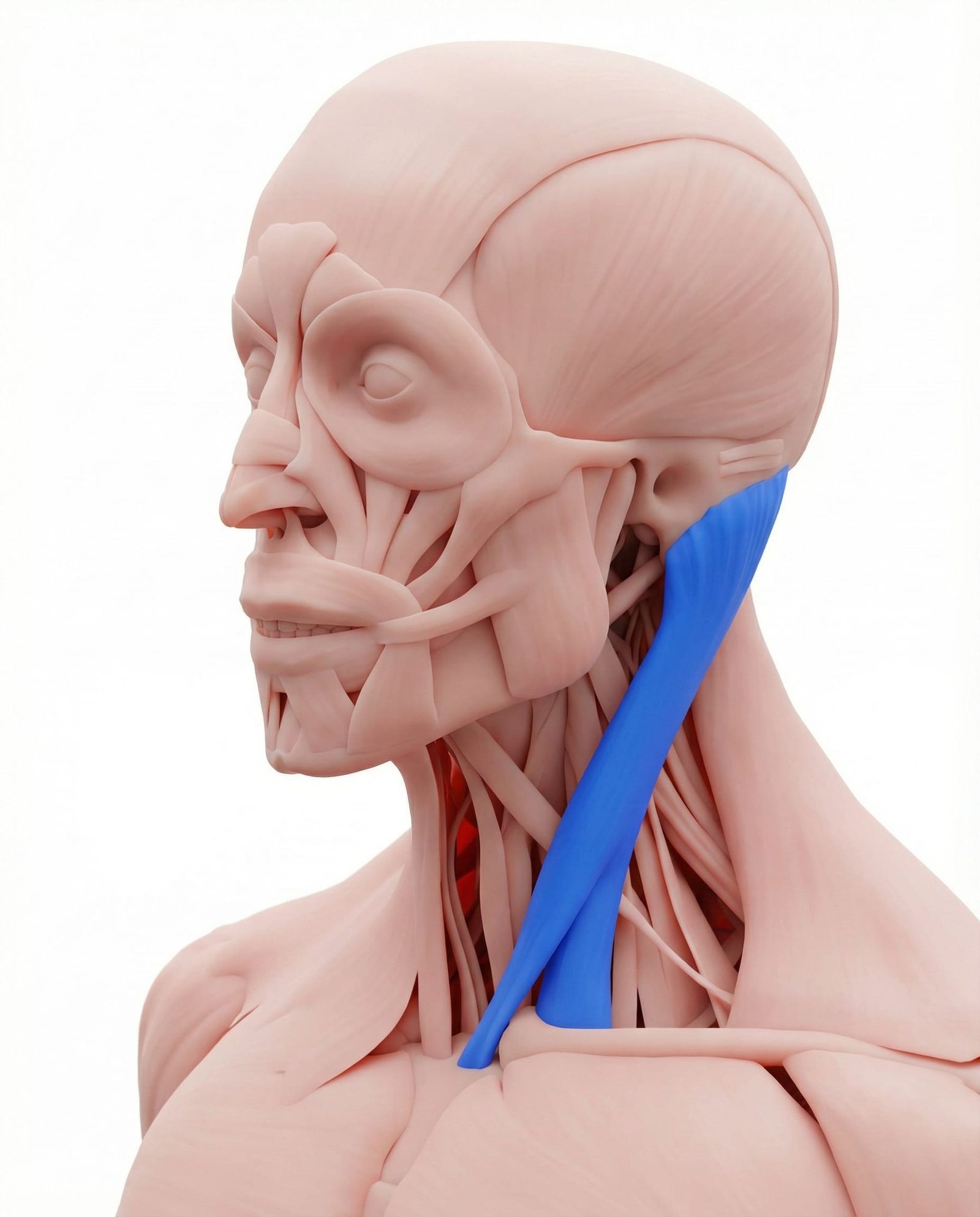
SCM trigger points can refer into the forehead, around the eye, the ear, and sometimes the jaw or face, making the overall cervical pain picture feel more confusing than a simple trapezius-only pattern.
Referral Patterns: The Trapezius Pain Signature
Upper trapezius trigger points often produce pain from the neck toward the temple or eye. Middle trapezius trigger points more often create an interscapular ache or burning discomfort. Lower trapezius dysfunction is often felt more through scapular control problems and diffuse upper-thoracic or cervicothoracic ache than through a clean referral map.
Because SCM, levator scapulae, and suboccipital muscles often overlap with trapezius patterns, the pain map should be used as a clue — not as absolute proof of one muscle diagnosis.
The trapezius often hurts loudly, but it usually does so inside a larger mechanical and stress-regulation story.
Temple
Interscapular
Scapular Control
Self-Assessment Tests
These tests help estimate whether the trapezius is a meaningful contributor. They are most useful when paired with symptom history, posture, scapular mechanics, and red-flag screening.
Upper Trap Pincer Palpation
Shoulder Elevation Endurance Check
Cervical Flexion-Rotation Screen
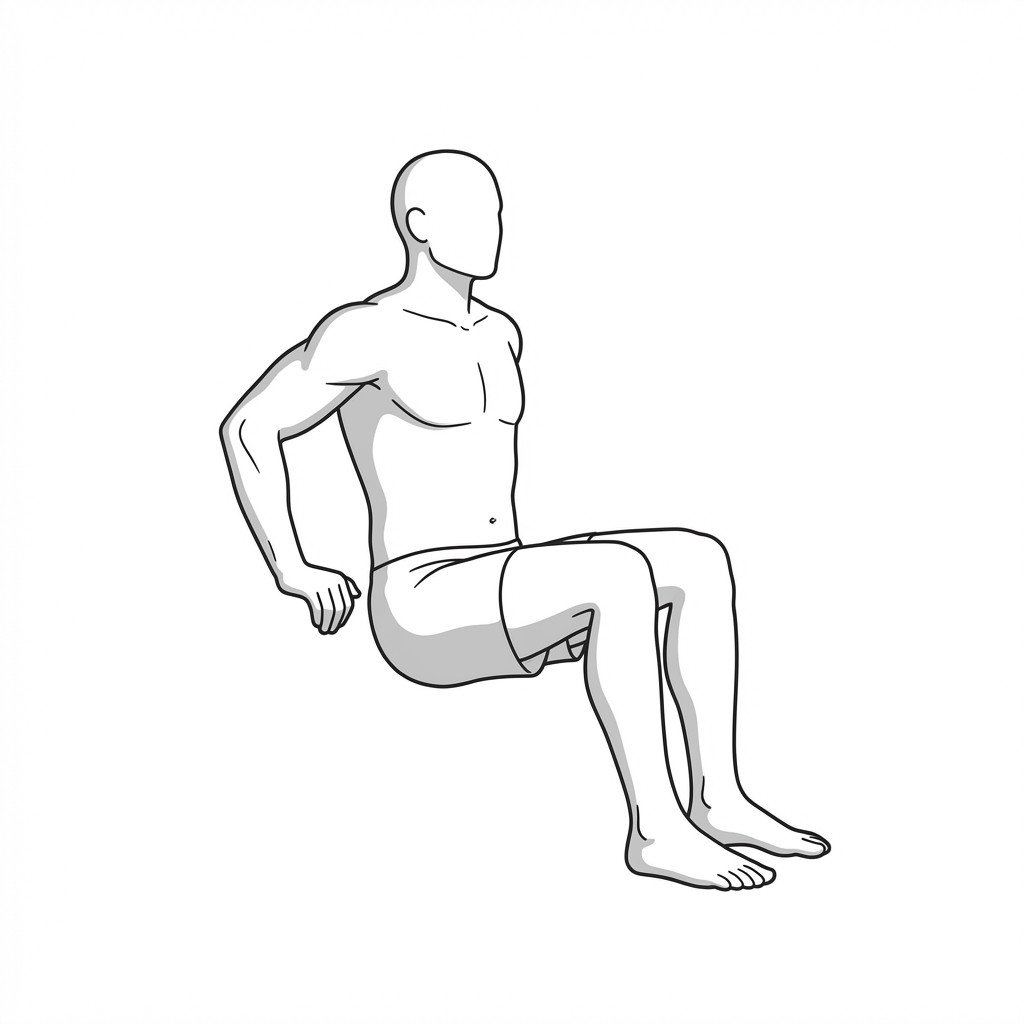
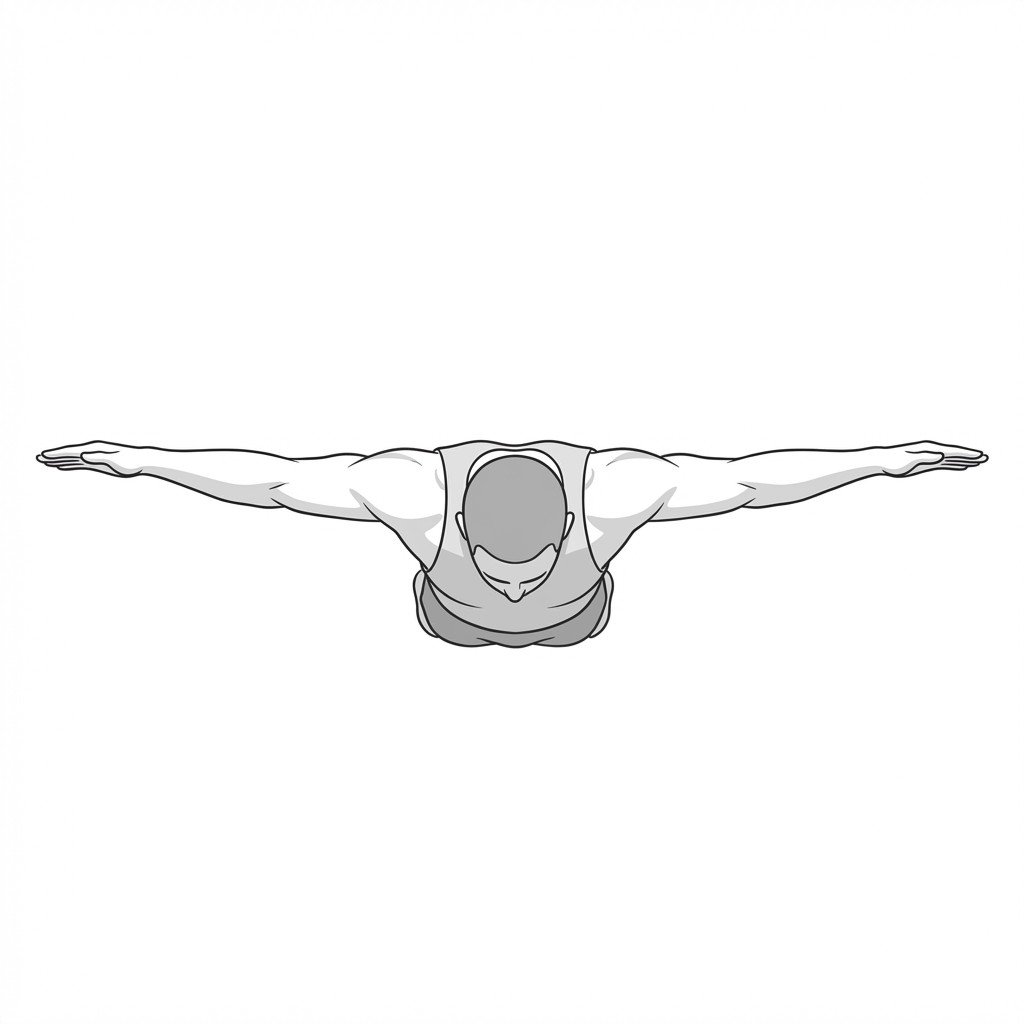
Scapular Retraction / Prone Arm Lift Test
Treatment Pathways
The most effective trapezius treatment usually combines symptom reduction with changes in posture, workload, stress pattern, and scapular control. Passive care alone is often not enough to keep the problem from recurring.
Trapezius Stretching and Self-Release Techniques
Stretching & Local Release
For many patients, the first step is reducing upper-quarter guarding and improving local movement tolerance. This tends to work best when stretching is gentle, frequent, and combined with self-release rather than overly forceful.
- Upper trapezius stretching with relaxed shoulder position
- Levator scapulae stretching when the cervicoscapular angle is a main pain site
- Tennis ball or massage-ball self-release over the most relevant trigger point region
- Chest-opening / pectoral stretching when protracted posture is clearly present
- Short frequent mobility breaks during desk work or static tasks
Dry Needling
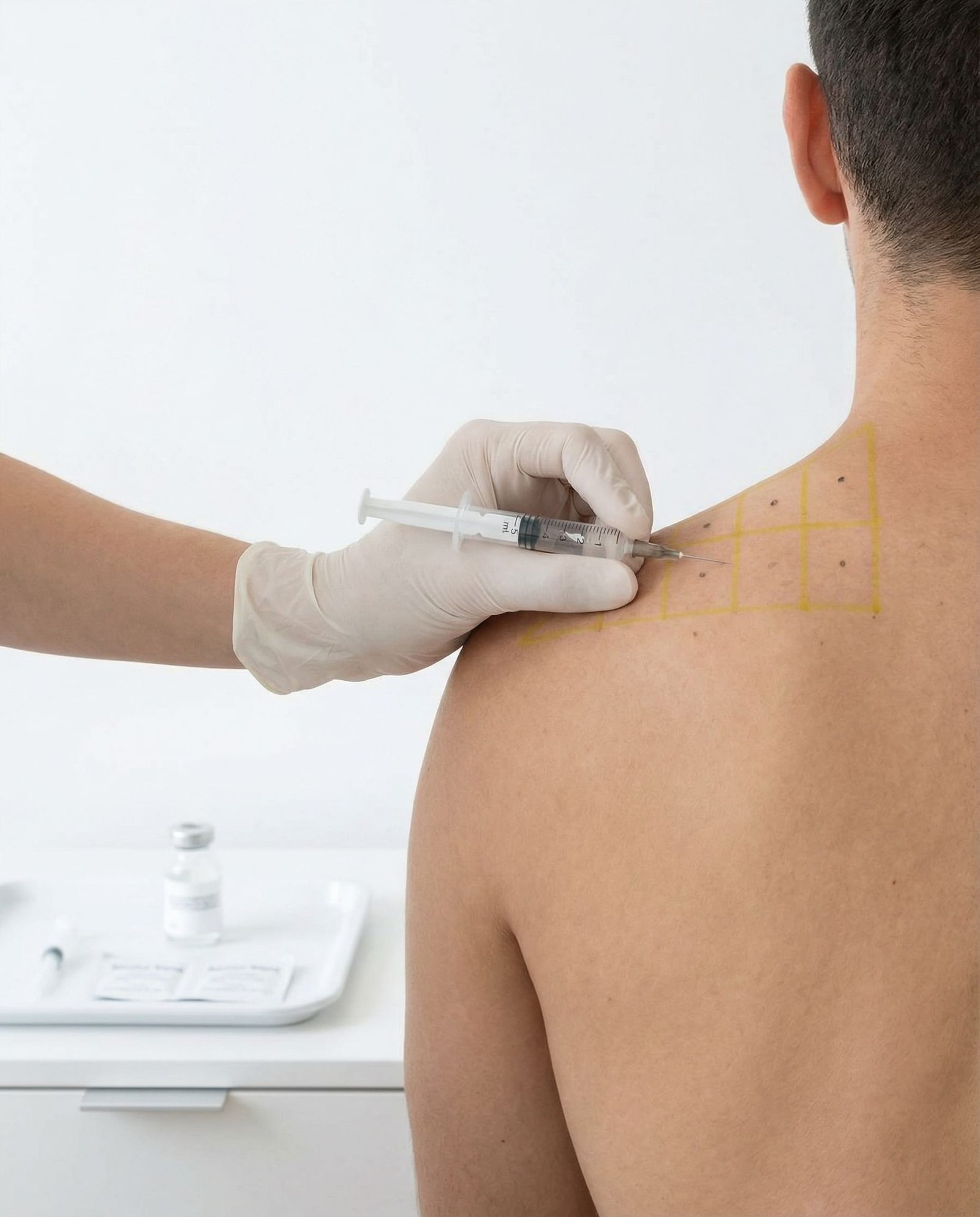
The trapezius is a common dry-needling target in clinical practice. When clearly indicated, it may help reduce pain and guarding, but it should be used as part of a broader plan rather than as the whole plan.
- Upper trapezius needling when focal trigger points are clearly relevant
- Middle trapezius treatment when interscapular pain dominates
- Lower trapezius treatment in selected scapular-dysfunction patterns
- Reassessment of headache, scapular movement, and pain after treatment
- Follow with movement or rehabilitation rather than stopping at needling alone
Postural & Motor-Control Program
Long-term improvement often depends less on repeated release and more on changing the mechanical and behavioral patterns that keep reactivating the trapezius. This is especially important in desk workers and chronic headache patients.
- Chin-tuck and cervical-repositioning work when forward-head posture is clear
- Scapular-setting work emphasizing controlled posterior tilt and depression
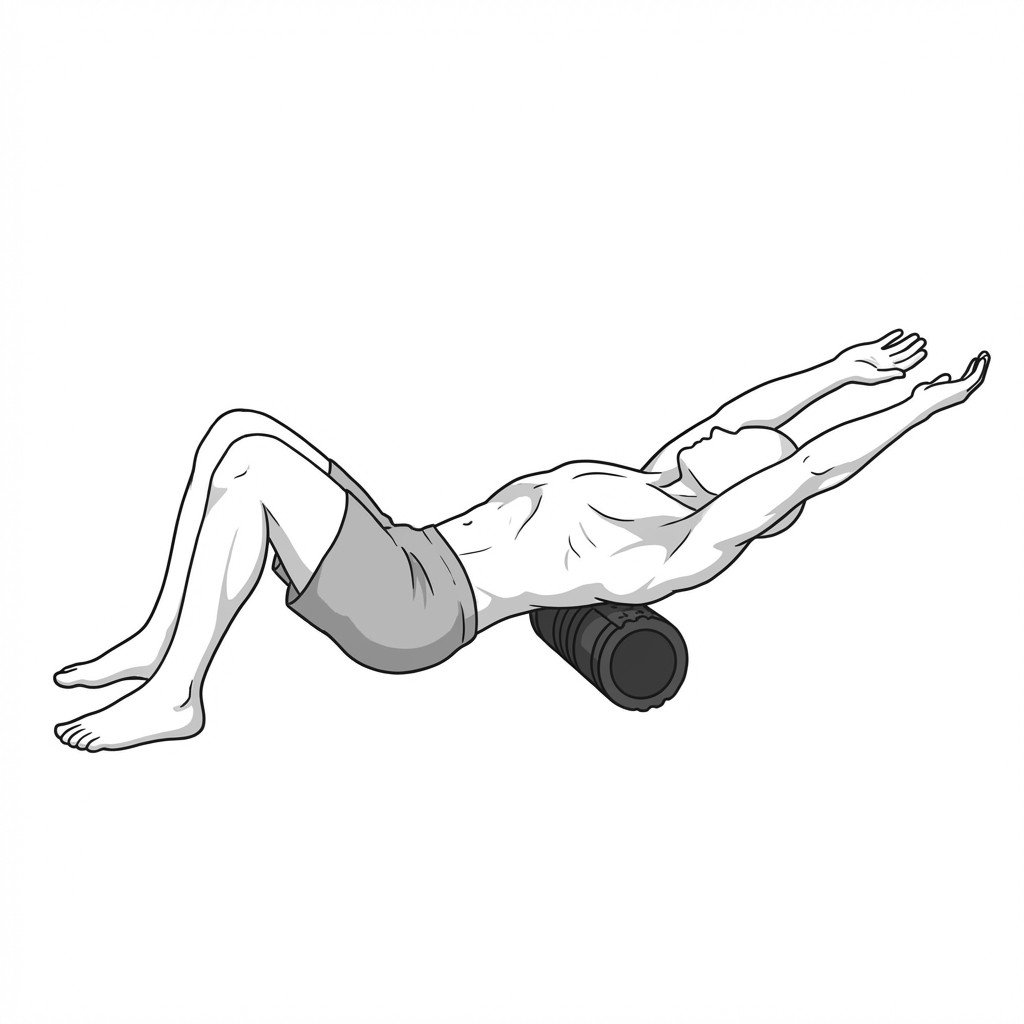
- Thoracic-extension mobility when the upper quarter is chronically flexion-biased
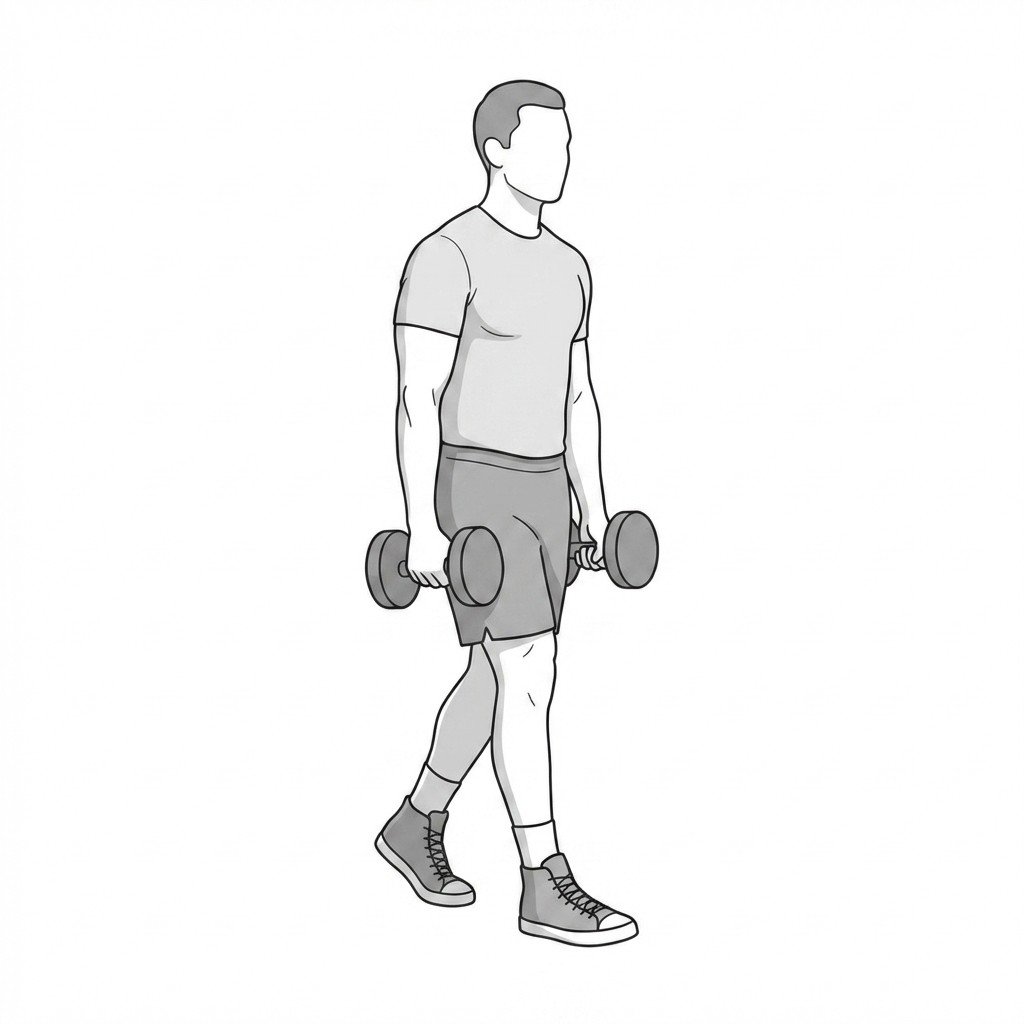
- Lower and middle trapezius strengthening to reduce chronic upper-trap dominance
- Workstation and task analysis when the symptoms are strongly load-pattern dependent
Manual Therapy
Hands-on treatment can be useful when the trapezius, levator scapulae, SCM, and posterior cervical tissues are all contributing to the pain picture. The best use of manual therapy is usually to open a window for more effective movement and exercise afterward.
- Trigger point compression or ischemic compression of the trapezius region
- Soft-tissue treatment of levator scapulae and posterior cervical muscles when indicated
- Selected cervical or thoracic manual techniques when movement restriction is relevant
- Scapular and upper-quarter mobility work
- Short-term symptom reduction followed by active carryover exercises
Red Flags — When to See a Doctor
Most trapezius-region pain is musculoskeletal, but severe headache, fever, vascular signs, and major neurological change always come first in the differential diagnosis.
The trapezius is one of the most important muscles to assess in chronic neck, shoulder, and headache pain, but it is rarely the only tissue involved.
Upper, middle, and lower trapezius fibers behave differently and commonly produce different clinical problems — headache, interscapular pain, and scapular-control dysfunction respectively.
Upper trapezius trigger points commonly contribute to temple and side-of-head pain, but that pattern is not specific enough to rule out other headache causes without proper screening.
Posture, workload, stress, sleep, and shoulder-girdle mechanics all influence whether trapezius trigger points settle or recur.
Long-term success usually depends on combining local treatment with postural, cervical, thoracic, and scapular rehabilitation rather than relying on passive treatment alone.
Stress-related shoulder bracing is a major perpetuating factor and should be treated as clinically relevant, not as an afterthought.
Movement therapy
Exercises for Trapezius MPS
Trapezius MPS often reflects a pattern of upper-trap dominance with mid- and lower-trap underloading — these exercises rebalance scapular control while reducing the chronic elevation and forward-head posture that feed trigger point activity. Start with 2–3 and progress as tolerated.