Understanding the Tensor Fasciae Latae
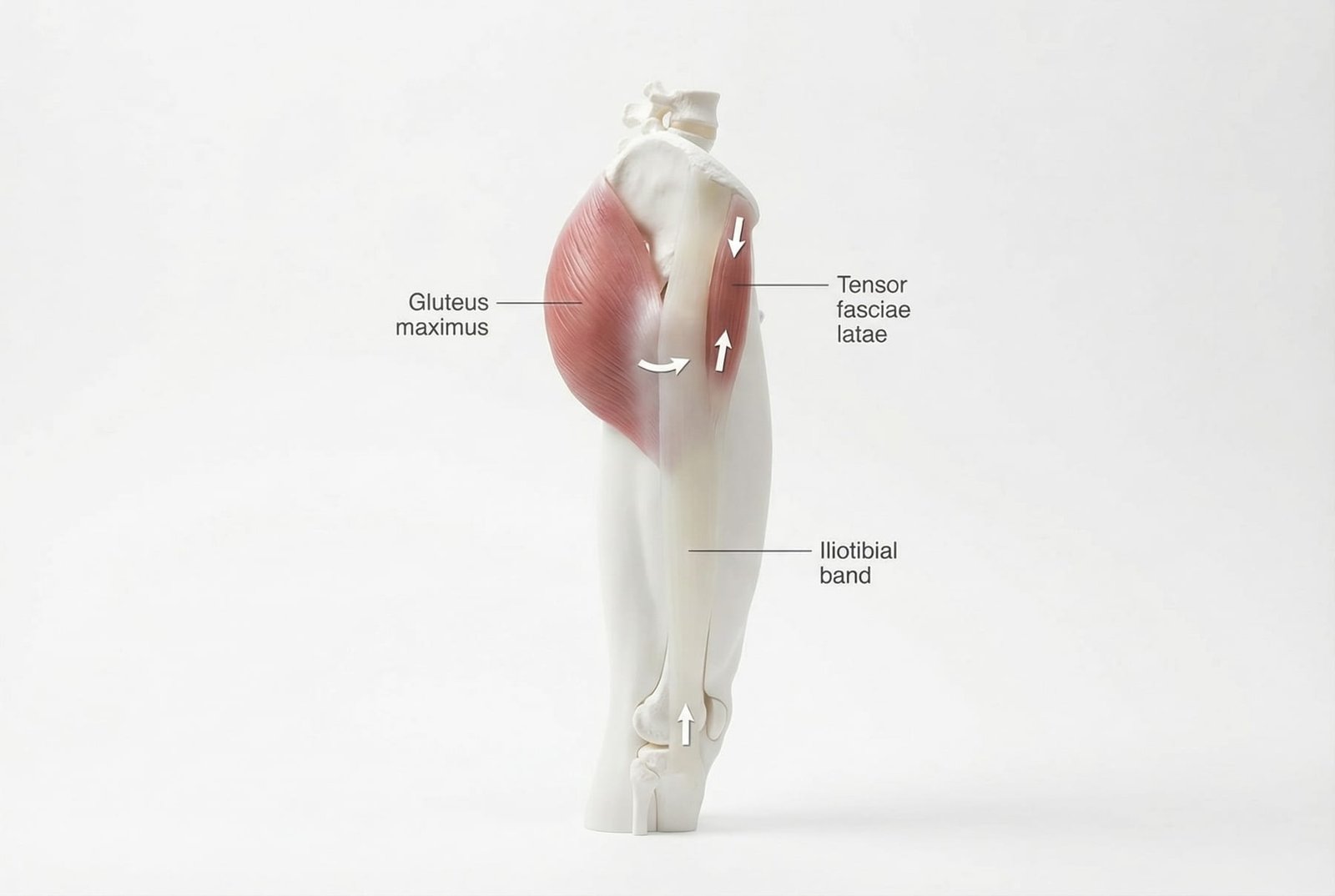
Tensor Fasciae Latae Anatomy and IT Band Connection Lateral View
The tensor fasciae latae (TFL) is a short anterolateral hip muscle arising near the ASIS and feeding into the iliotibial band. Its role in hip flexion, abduction, and internal rotation makes it highly relevant in gait and single-leg stability.
Because it influences tension in the lateral-thigh system through the IT band, TFL dysfunction can contribute to pain at more than one site: lateral hip, lateral thigh, and sometimes lateral knee.
This does not mean the TFL explains every case of outer-hip pain. In many patients, TFL trigger points are only one part of a broader greater-trochanteric or lateral-chain pain syndrome that also includes gluteal tendon, gluteal muscle, or loading-mechanics contributors.
The TFL becomes especially important when prolonged sitting, side-lying pain, IT-band-style symptoms, and gluteal underuse all appear together in the history and exam.
Anatomy & Trigger Points
The TFL is small, superficial, and relatively easy to examine, but it sits in a region where several pain generators overlap. That is why a positive palpation finding should sharpen the differential, not end it.
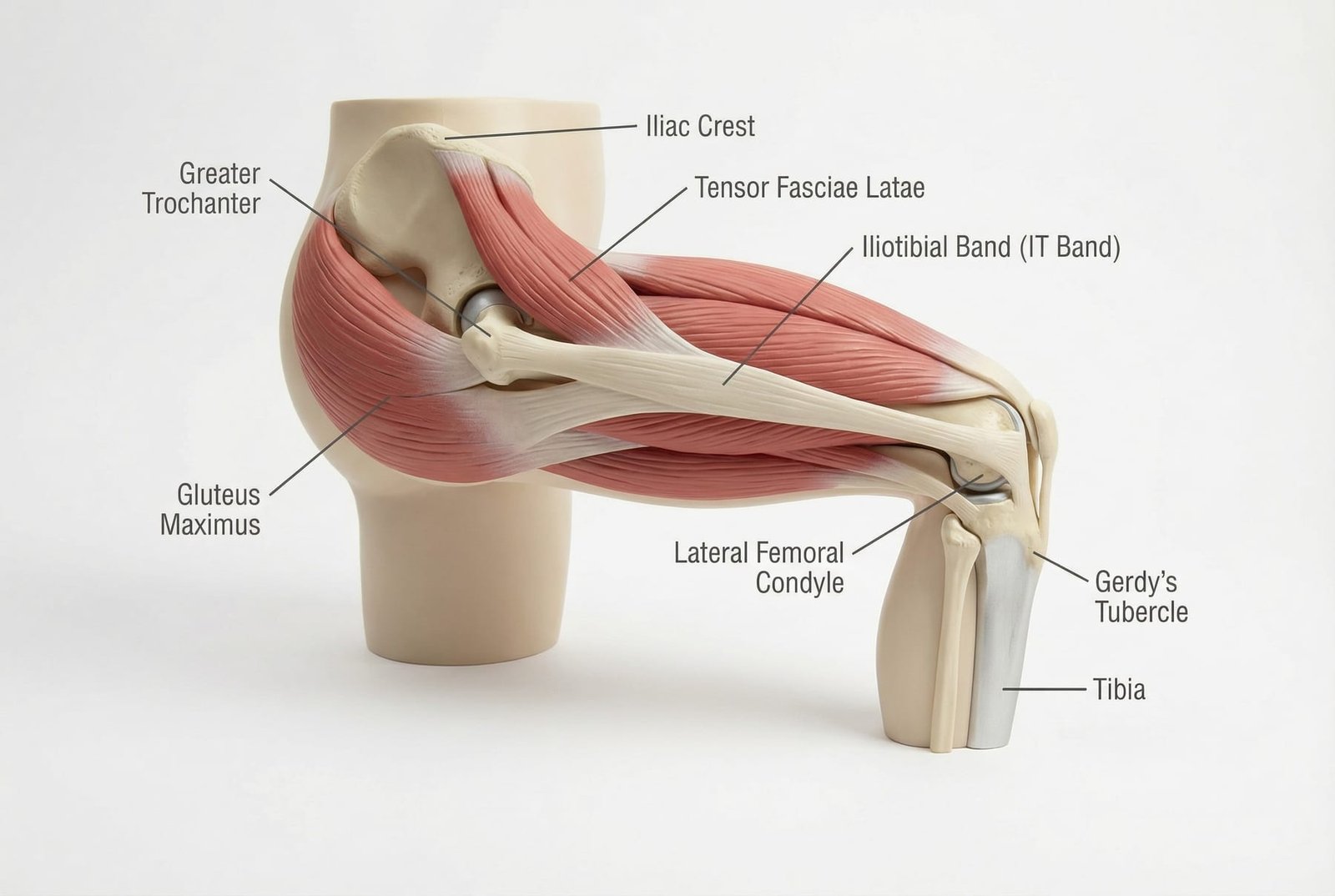
Hip Thigh Pain Anatomy
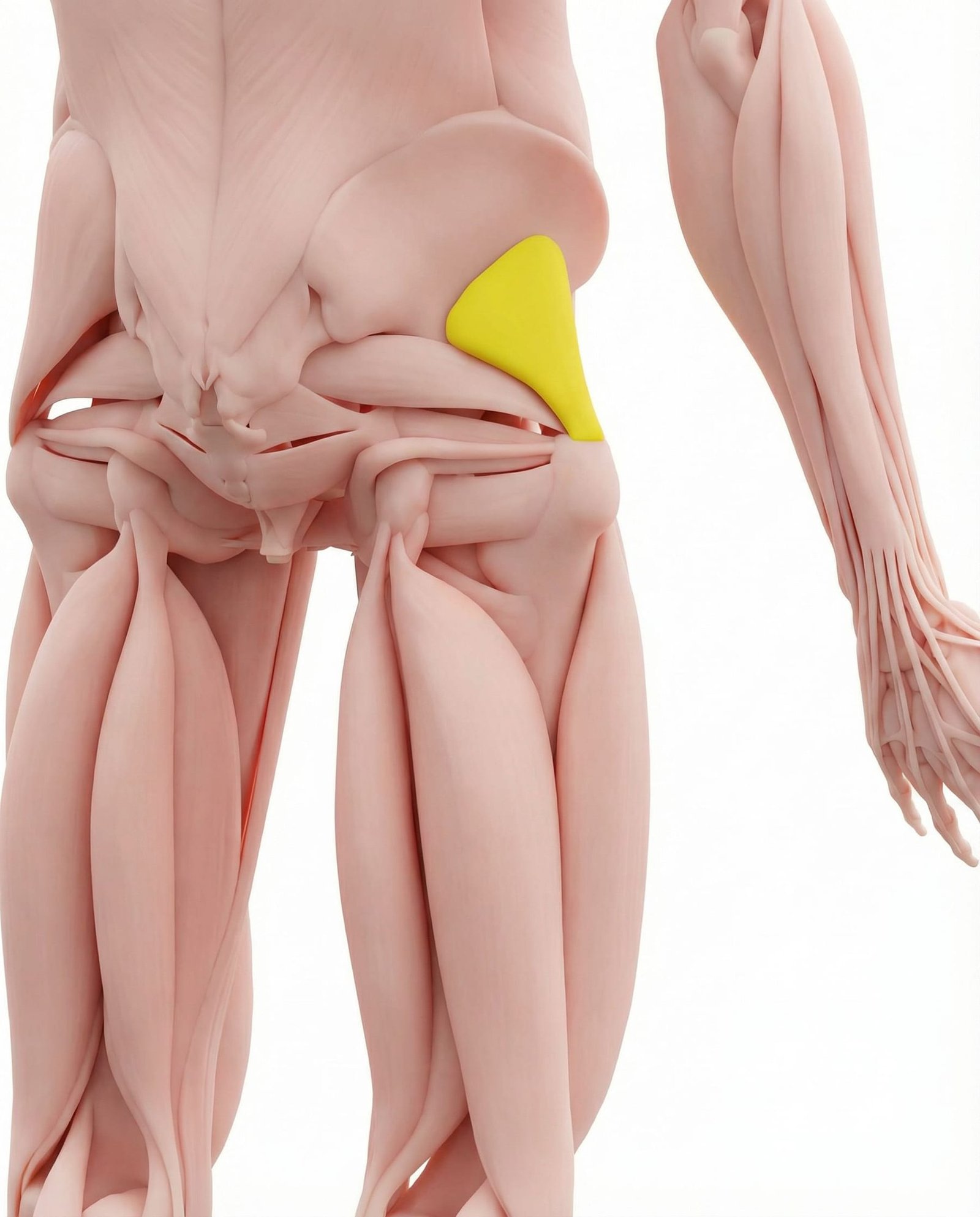
Gluteus minimus can refer pain down the lateral thigh and, in some patients, farther toward the lower leg. It is one of the most important differentials when lateral-hip pain resembles radicular pain but the spinal picture is unclear.
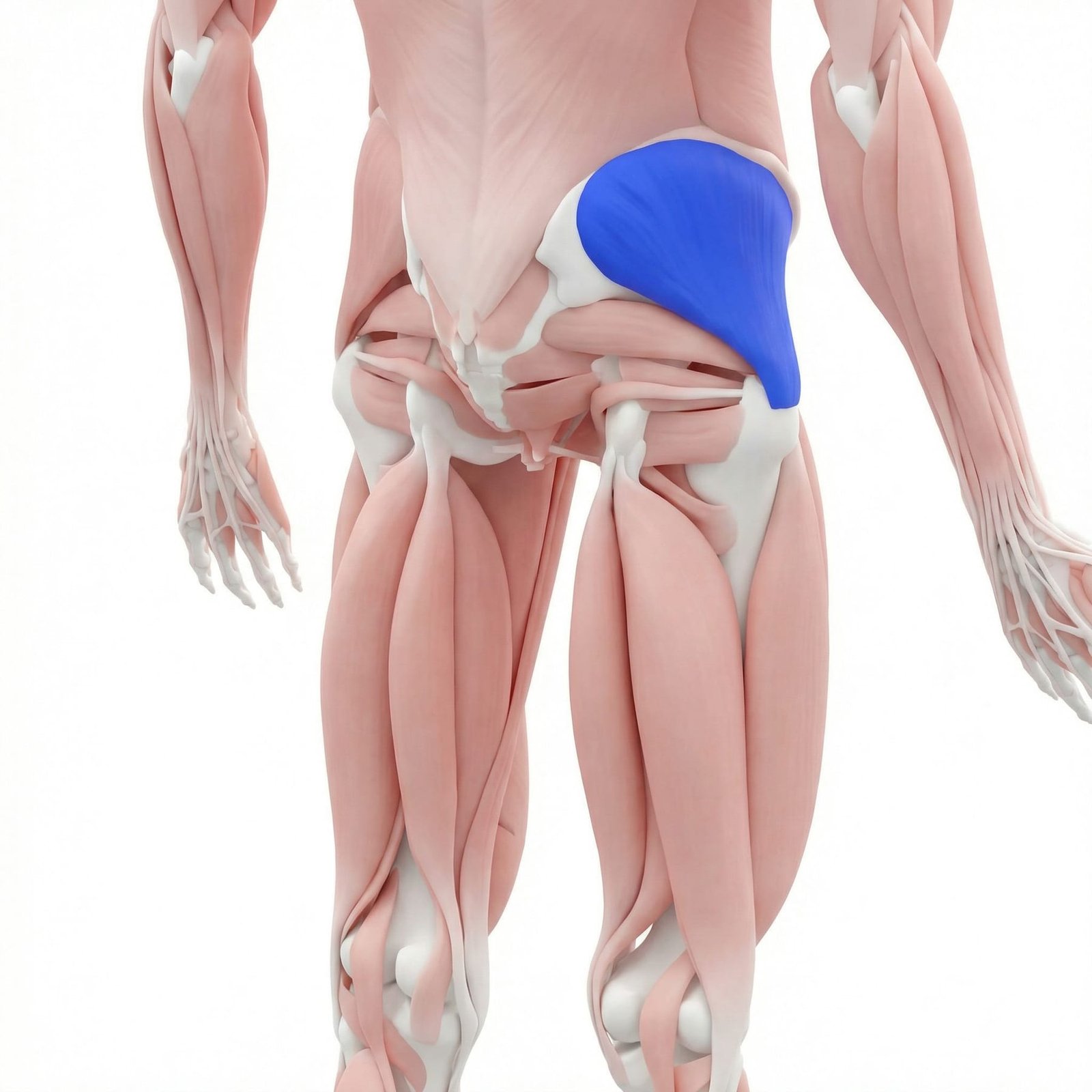
Often contributes pain over the lateral pelvis, lateral buttock, and greater-trochanteric region. It commonly overlaps with TFL dysfunction in broader lateral-hip pain presentations.
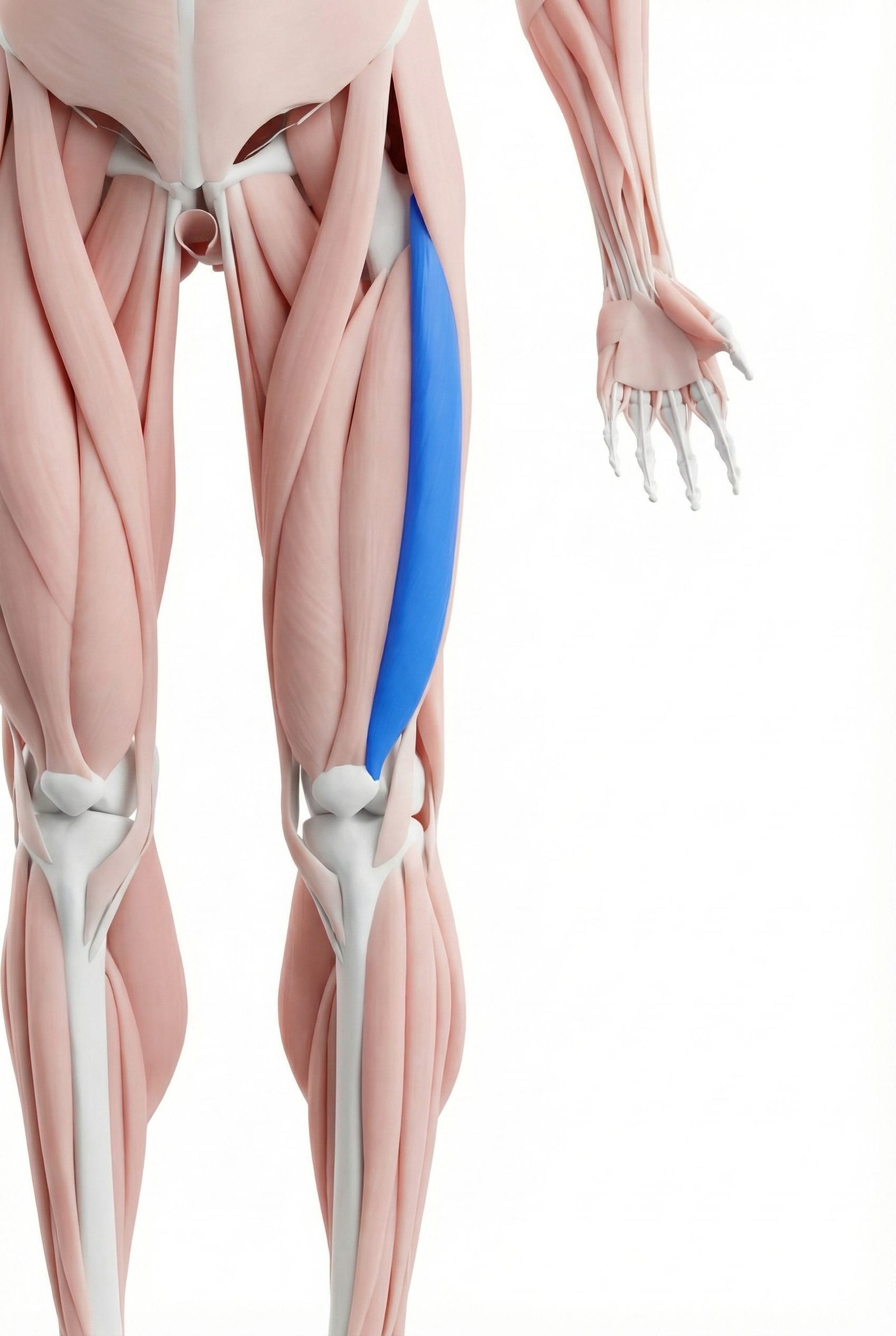
Can contribute lateral-thigh pain and often becomes a secondary overload muscle when the lateral chain has been under abnormal tension for a long time.
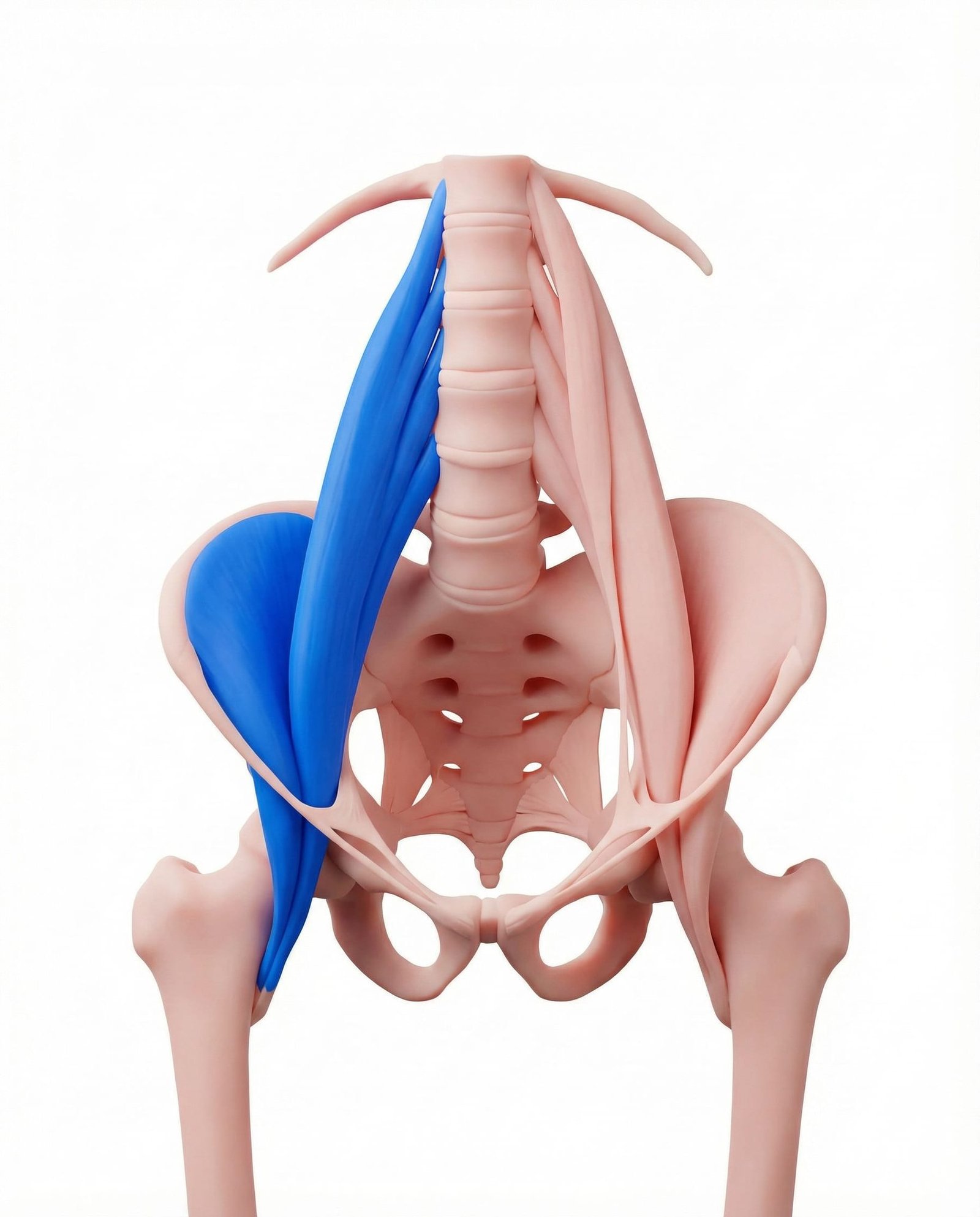
Produces deeper anterior-hip, groin, and lower-abdominal patterns rather than classic outer-hip pain, but frequently coexists with TFL overactivity in prolonged-sitting and anterior-tilt patterns.
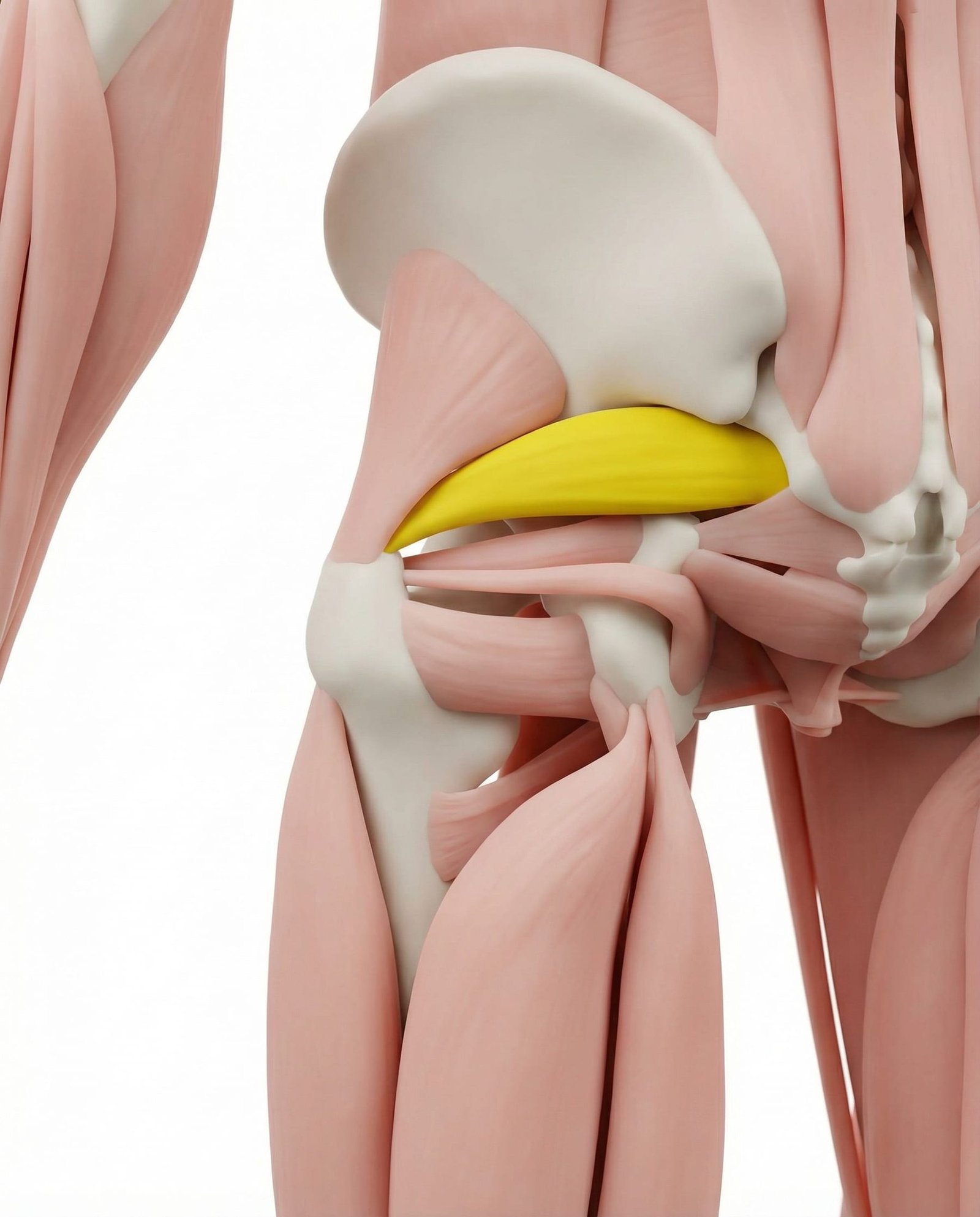
Can contribute deep buttock pain and posterior-thigh referral. It often becomes part of the picture when hip mechanics are globally altered rather than when the TFL is the sole problem.
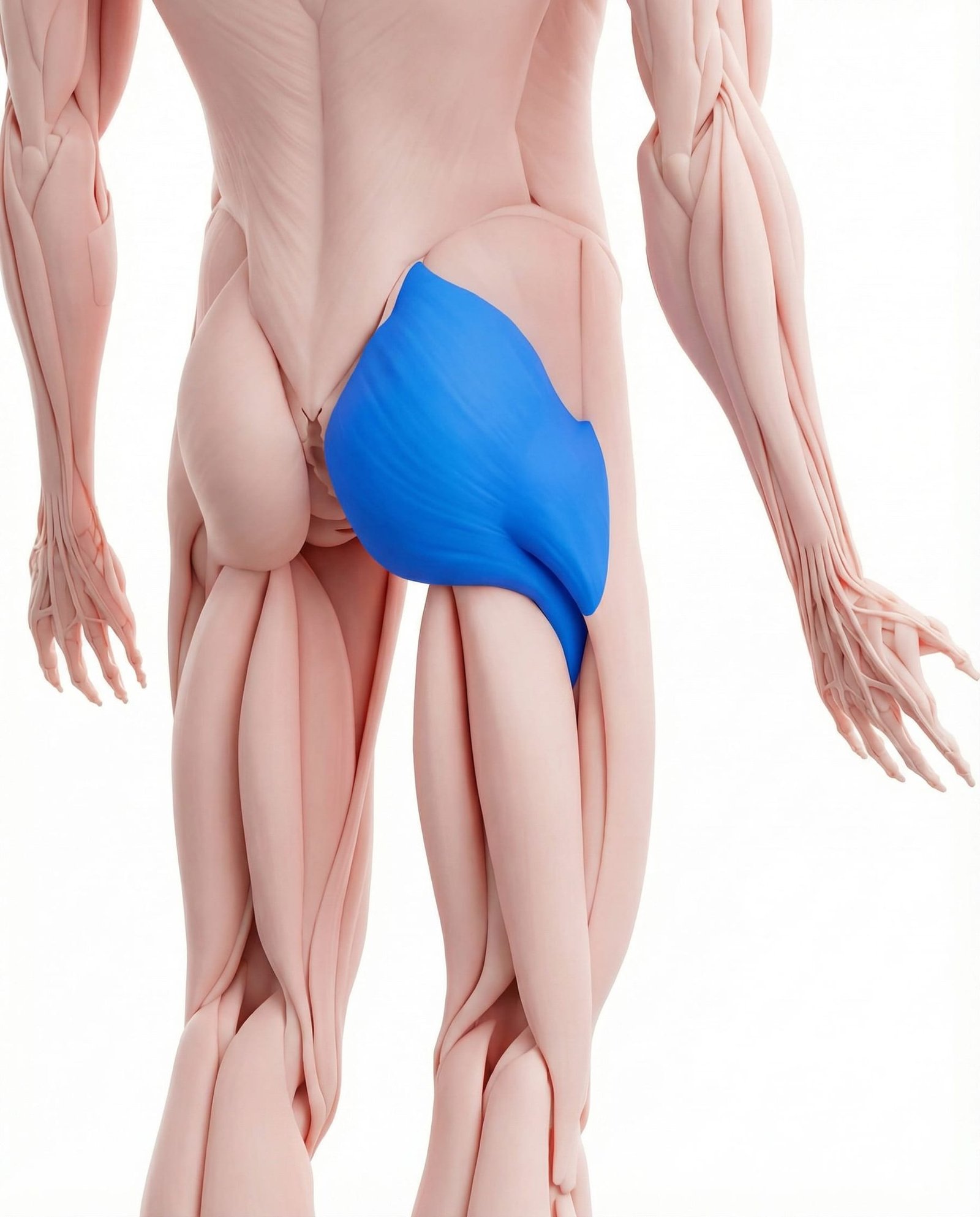
Gluteus maximus weakness or underuse often shifts work into the lateral chain during gait and stance. In practice, TFL overuse commonly coexists with poor gluteal contribution rather than happening in isolation.
Referral Patterns: The Outer Hip Signature
A typical TFL pattern is a deep or burning ache over the lateral hip that may track down the lateral thigh. Some patients also report worse pain when lying on the side, climbing stairs, or standing after prolonged sitting.
Distal spread into the lateral thigh or even toward the knee can make the problem feel like IT-band syndrome or a broader lateral-chain issue. At the same time, groin pain, major rotation loss, or neurological changes should push the clinician to widen the differential rather than forcing a TFL answer.
TFL pain is often important in lateral hip syndromes, but it is rarely the only thing happening.
Lateral Hip
Lateral Thigh
Side-Lying Pain
Self-Assessment Tests
These tests help identify whether the TFL and lateral-chain mechanics are likely involved. They are most useful when interpreted together rather than one at a time.
Ober Test
TFL Palpation Test
Trendelenburg Test
Thomas Test
Treatment Pathways
A good TFL treatment plan usually combines symptom reduction with better load sharing around the hip. Release alone often helps temporarily; better gluteal function and better movement strategy are what usually make the result last.
Hip Thigh Pain Treatment
Lateral Hip Stretching & Mobility
Stretching can be useful when the TFL and lateral chain are clearly short or overactive, but it is usually only one part of treatment. In many patients, mobility work works best when followed by strength and movement retraining.
- Standing cross-body stretch for the lateral hip / thigh line
- Side-lying or modified hip-extension stretches when tolerated
- Pigeon- or figure-4-style modifications only if they clearly suit the patient
- Longer holds may help some patients, but forcing end range is usually counterproductive
- Use stretching to improve movement quality, not as the whole treatment plan
Foam Rolling & Self-Release
Self-release often helps most when directed at the TFL and related muscular structures rather than only rolling the IT band aggressively. The goal is symptom modulation and movement tolerance, not tissue punishment.
- Target the TFL directly with gentle, precise self-release when clinically relevant
- Use foam rolling on the lateral thigh only if it helps and does not flare symptoms
- Avoid treating the IT band as if it were the sole problem
- Reassess walking, side-lying tolerance, or stretch comfort afterward
- Pair self-release with movement or gluteal activation for better carryover
Dry Needling: TFL & Lateral Hip
The TFL is accessible and often responds well to needling in selected cases, but treatment should still be framed as part of a broader plan rather than as a complete solution by itself.
- Needle the TFL only when the target and symptom pattern are clear
- Consider concurrent gluteal contributors when the lateral-chain pattern is broader
- Reassess pain, side-lying tolerance, and gait behavior after treatment
- Avoid treating the TFL repeatedly while ignoring the loading pattern that reactivates it
- Pair needling with rehabilitation whenever possible
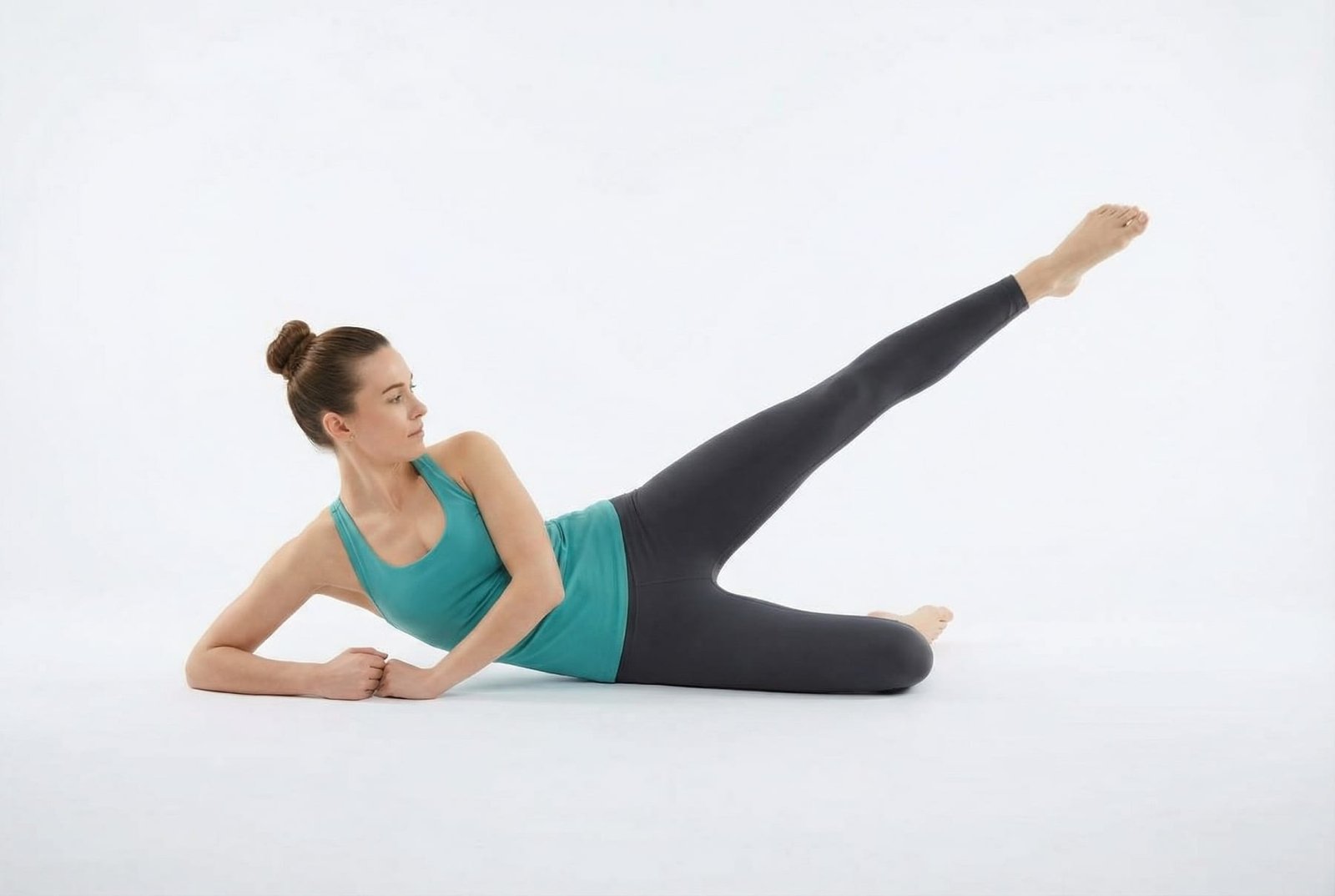
Hip Abductor & Gluteal Strengthening
This is often the most important long-term step. If the gluteal system remains underperforming, the TFL often continues to overwork during gait, stance, and single-leg tasks.
- Gluteus medius and posterior-chain strengthening in symptom-tolerable ranges
- Lateral band work only if it does not simply feed more TFL dominance
- Single-leg control work when tolerated
- Progress toward gait-relevant and stance-relevant strengthening
- Treat quality of movement as important as exercise selection
Greater Trochanter Region
Lateral Thigh
Lateral Knee
Mixed Lateral Hip Syndrome
Red Flags — When to See a Doctor
Most lateral hip pain is benign and mechanical, but structural hip pathology, fracture, inflammatory disease, and neurological causes must be screened for when the story does not fit a simple soft-tissue pattern.
The TFL is a small but clinically important muscle that can contribute to lateral hip, lateral thigh, and IT-band-related pain patterns.
Lateral hip pain is often a mixed picture involving TFL, gluteal tendons, gluteal trigger points, lateral fascial tension, and load-management problems rather than one single diagnosis.
The TFL commonly becomes overloaded when gluteal contribution is poor, especially in prolonged sitting, gait asymmetry, and single-leg loading patterns.
The IT band itself is not an active contractile structure, so treatment usually works best when it targets the muscular and movement contributors feeding tension into that system.
Side-lying pain, outer-hip tenderness, and lateral-thigh referral make the TFL relevant, but they do not prove that the TFL is the sole diagnosis.
Long-term improvement usually depends more on load redistribution and gluteal rehabilitation than on release techniques alone.