Understanding the Supraspinatus
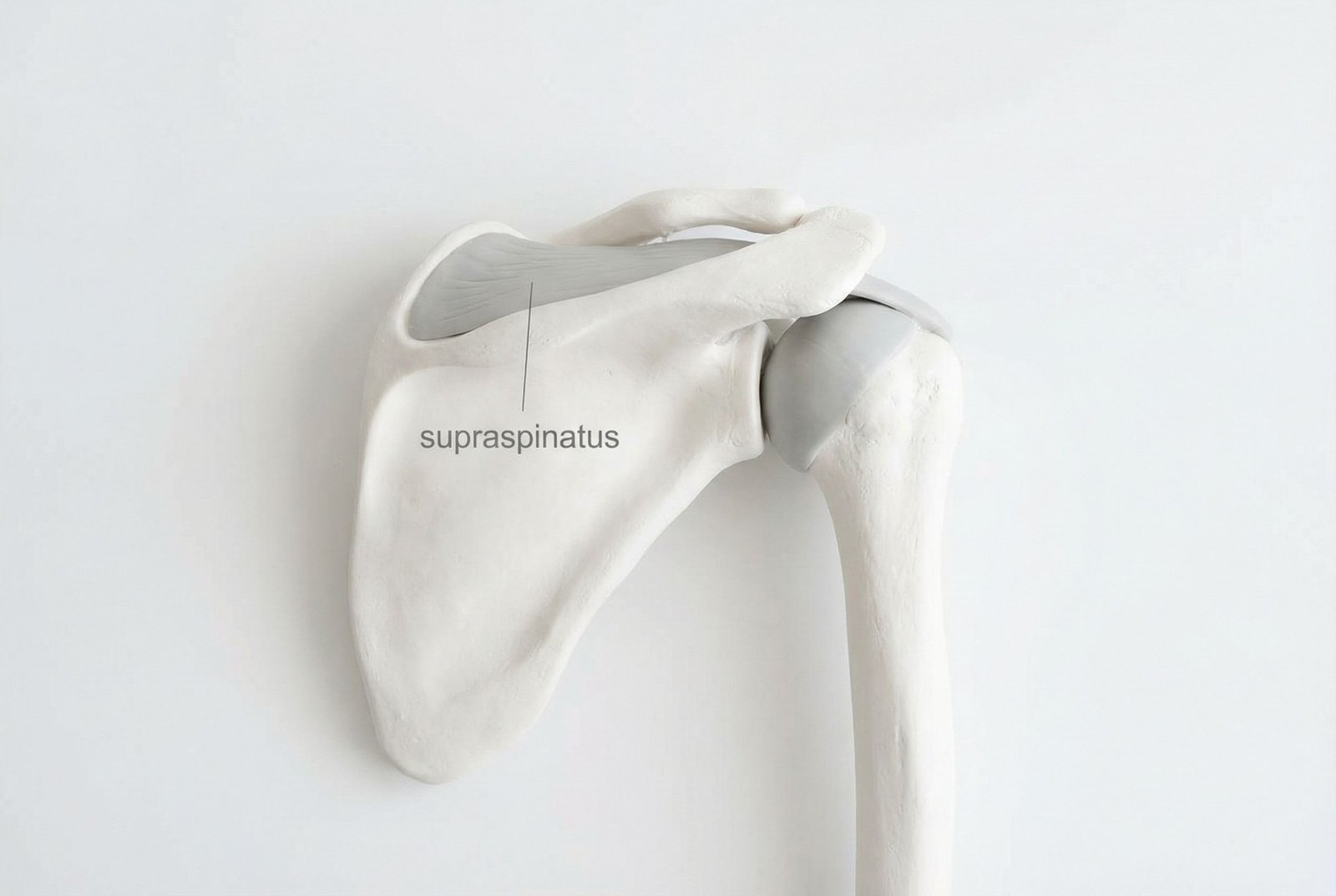
Supraspinatus Muscle Anatomy Superior Scapula View
The supraspinatus sits in the supraspinous fossa and passes beneath the acromion to attach to the greater tuberosity. That route through the subacromial space is one reason this muscle is so often involved in shoulder pain discussions.
Functionally, the supraspinatus helps initiate abduction and contributes to dynamic glenohumeral stability. When it is painful, weak, or inhibited, arm elevation often becomes less efficient and other muscles begin to compensate.
Clinically, supraspinatus trigger points can create a pattern that strongly resembles subacromial bursitis or rotator cuff tendinopathy: lateral shoulder ache, painful arc symptoms, and pain with overhead use.
That does not mean every painful arc is supraspinatus trigger points. It means the supraspinatus should be part of the examination whenever this pattern appears.
Anatomy & Trigger Points
The supraspinatus is small, deep, and partially covered by the upper trapezius, which is why palpation and self-treatment often require more precision than force.
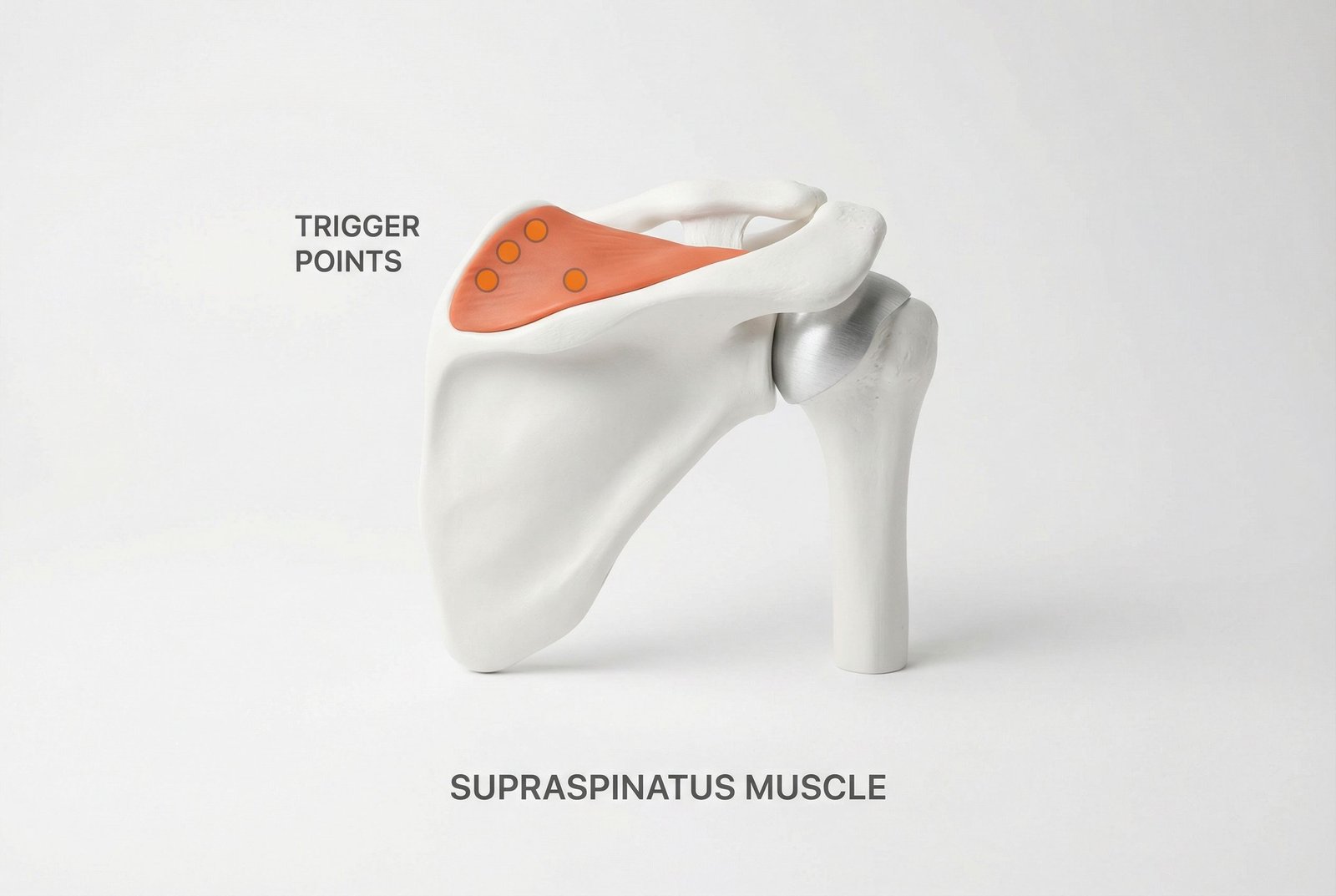
Supraspinatus Trigger Point Locations and Lateral Deltoid Referral
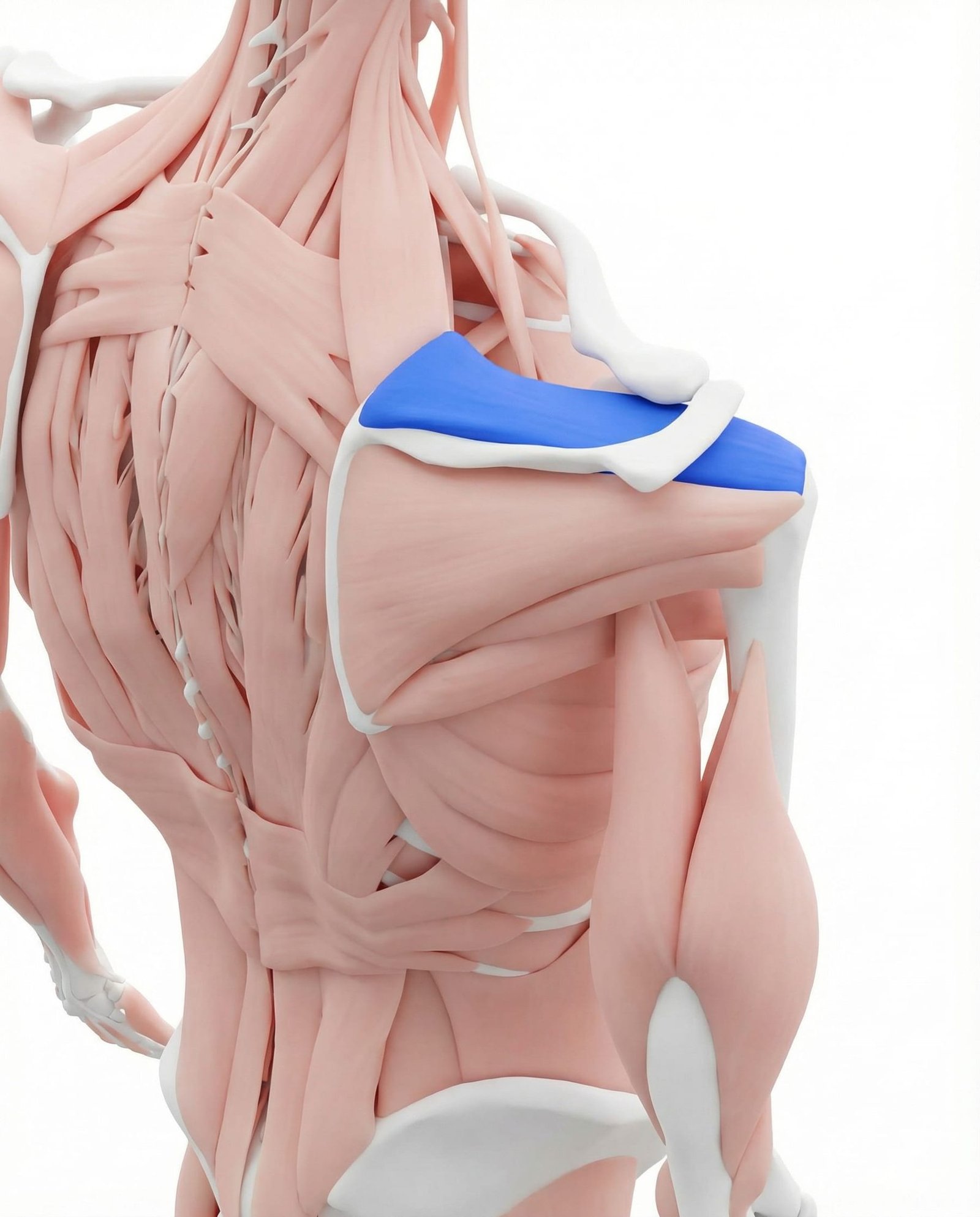
Usually refers a deep, aching pain into the lateral deltoid region. Symptoms commonly worsen during the initiation of abduction and through the mid-range of elevation. In some patients, trigger points here may contribute to a catching sensation, especially when shoulder mechanics are already compromised.
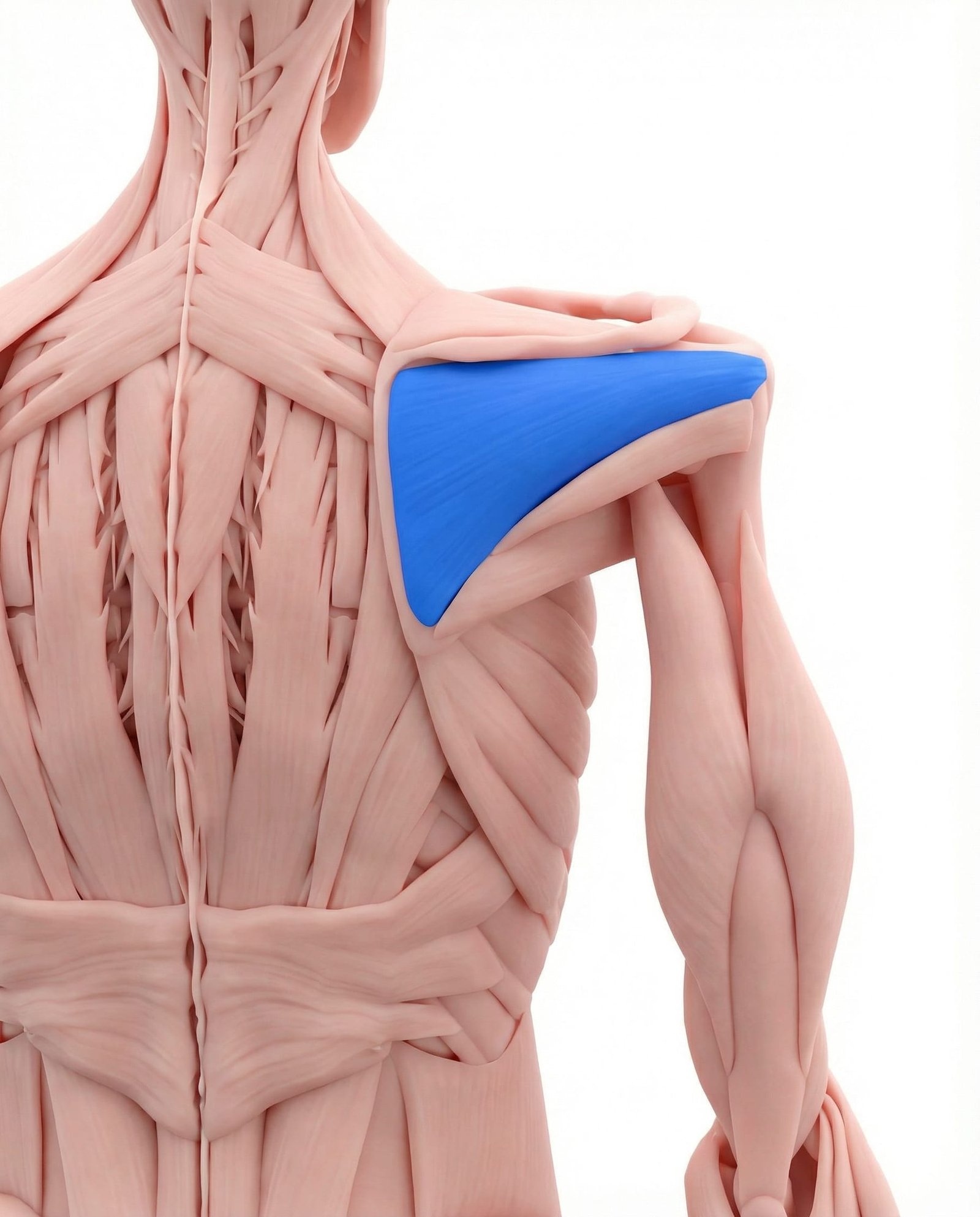
Often contributes anterior or deep shoulder pain that overlaps with supraspinatus symptoms. Supraspinatus and infraspinatus trigger points commonly coexist, which is one reason shoulder pain patterns often feel broader than a single-muscle map would predict.
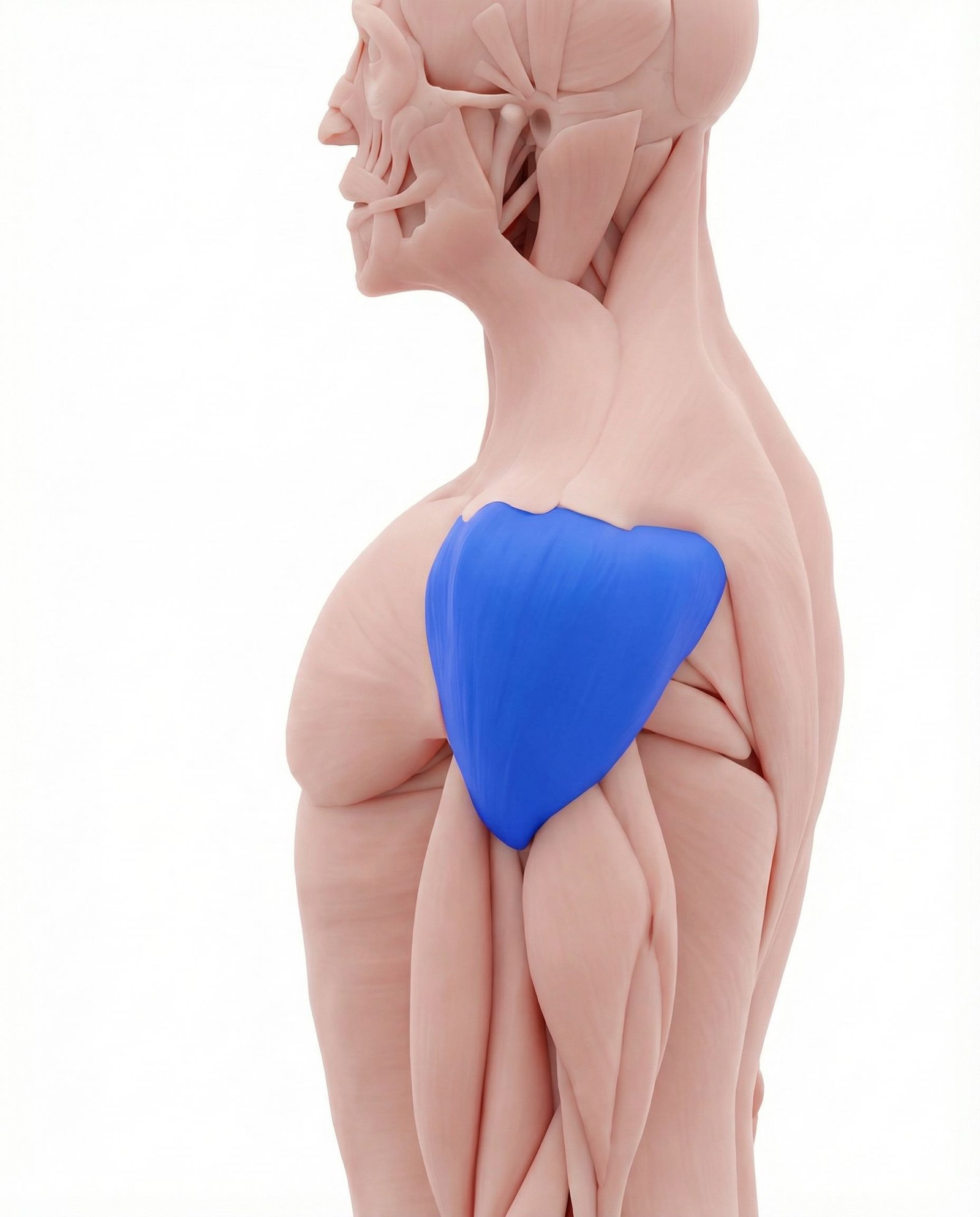
May develop secondary trigger points when the deltoid overworks to compensate for supraspinatus weakness or poor cuff timing. This can add more lateral shoulder pain to the presentation.
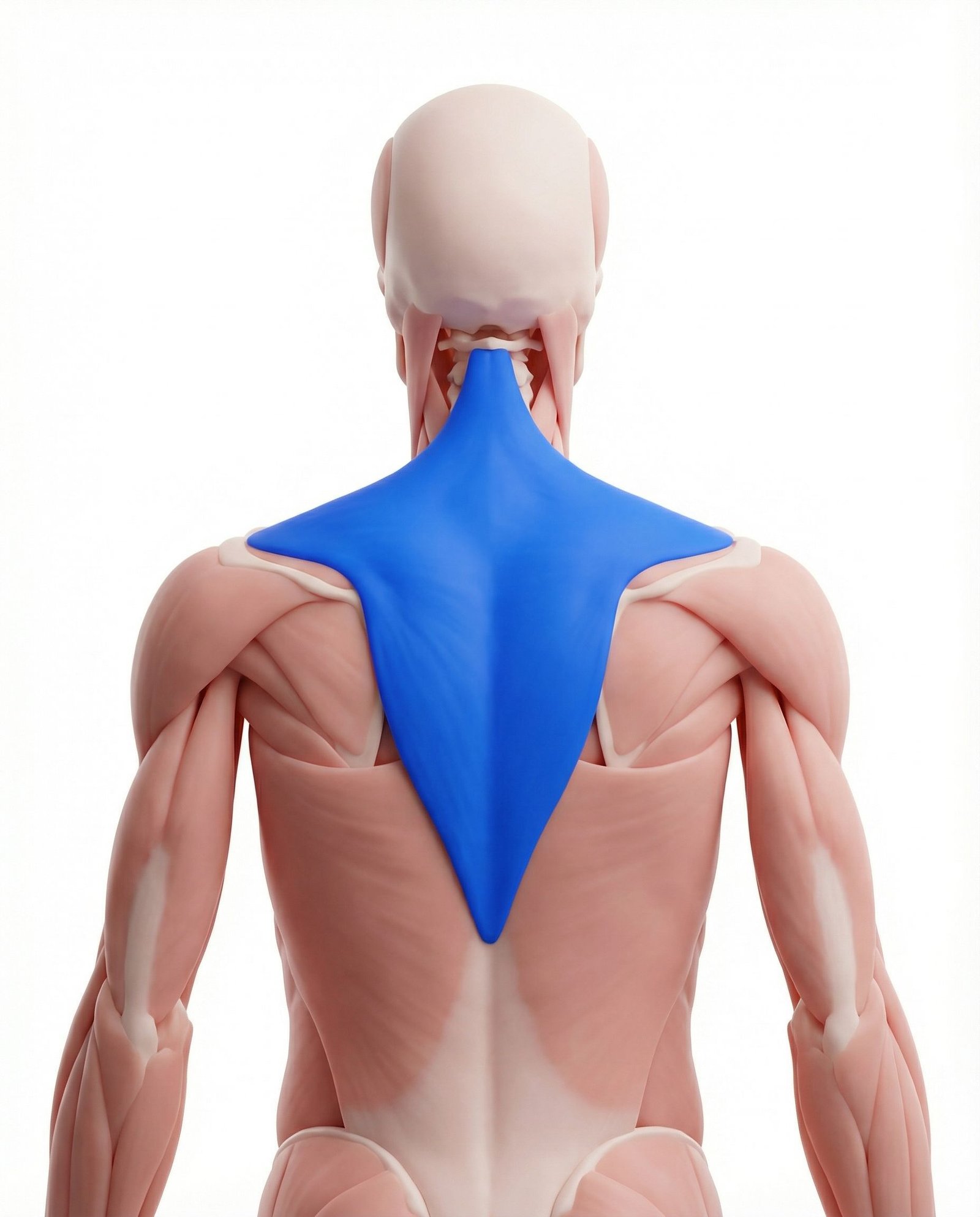
Upper trapezius often becomes overactive when shoulder abduction is inefficient or painful. The resulting shoulder-hiking pattern can worsen the overall movement strategy and increase neck–shoulder discomfort.
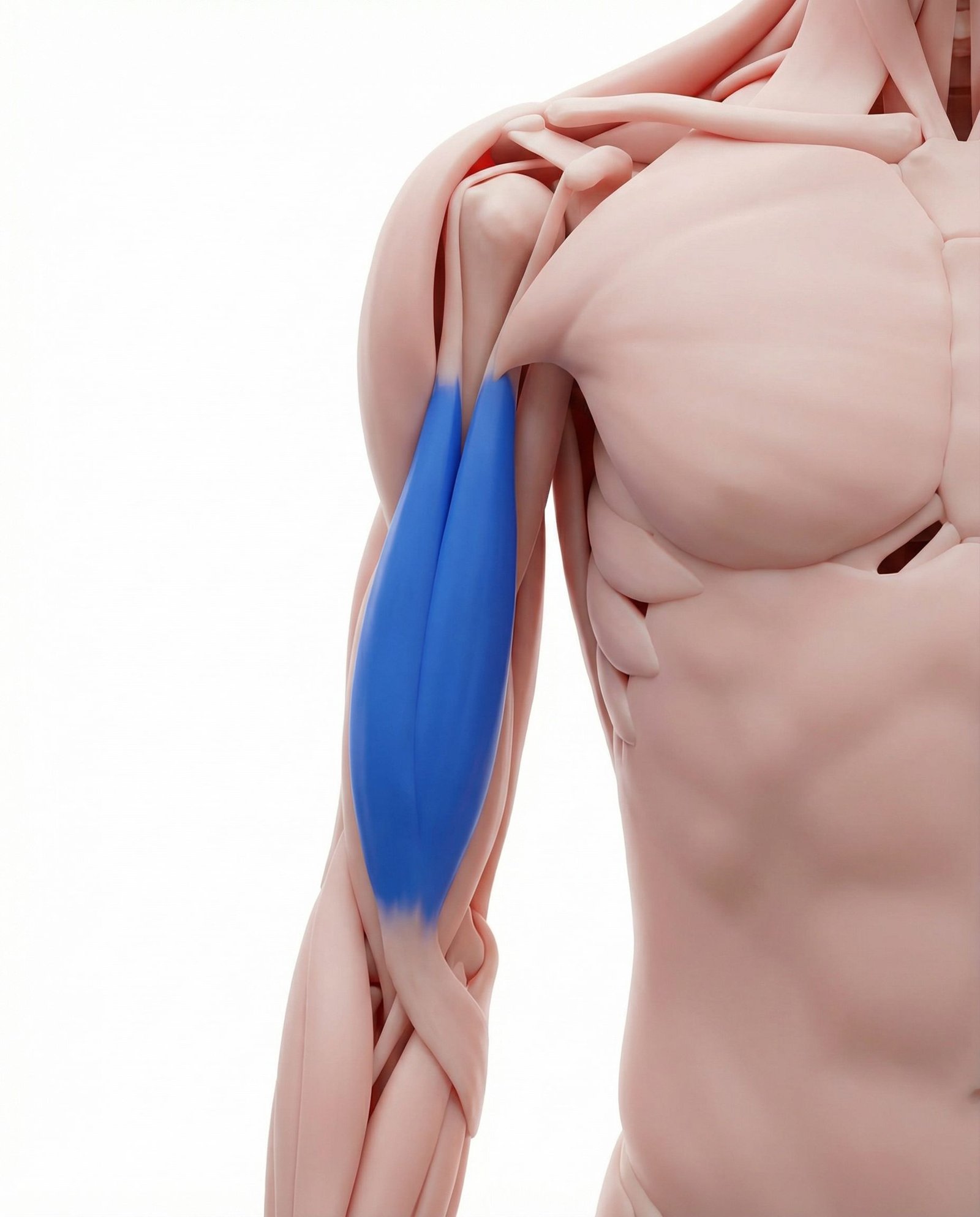
The long head of biceps often joins the picture in anterior shoulder pain. It may become more symptomatic when cuff control and humeral-head stability are reduced.
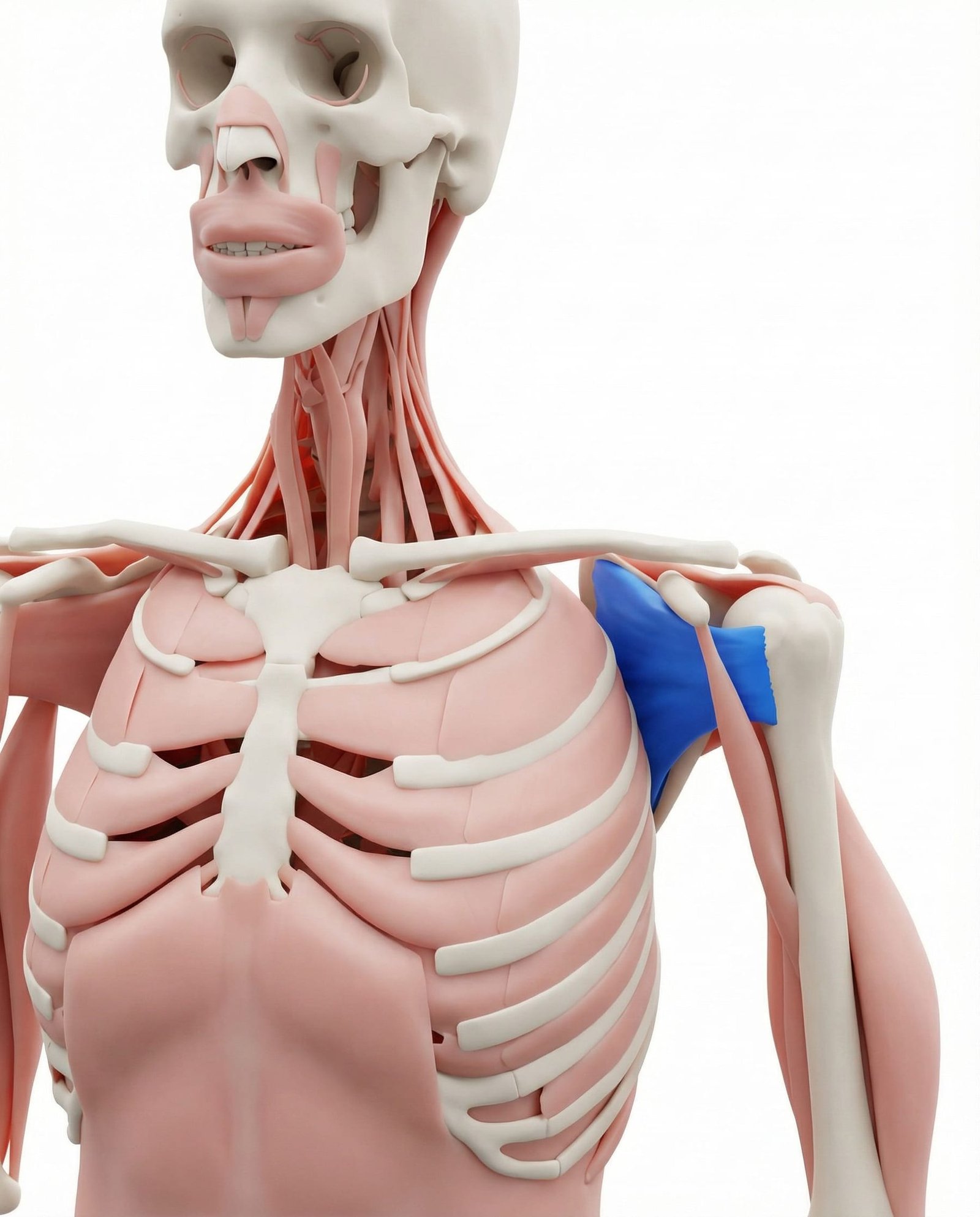
Subscapularis dysfunction can contribute to glenohumeral imbalance, pain with external rotation, and a more globally restricted shoulder pattern. It often needs consideration when supraspinatus symptoms do not fully explain the movement loss.
Referral Patterns: The Lateral Shoulder Ache
The most common referral pattern is a deep ache in the lateral shoulder / mid-deltoid region. Many patients point to the “shoulder cap” even though the trigger point itself is located much more superiorly over the scapula.
Some patients also report catching or hesitation with mid-range elevation. That does not automatically prove bursitis or impingement; it simply tells you the shoulder is not moving smoothly and the supraspinatus deserves attention as one possible contributor.
The supraspinatus is small, but when it becomes dysfunctional the entire shoulder often moves differently.
Lateral
Initiation Pain
Catching
Self-Assessment Tests
These tests are most useful when interpreted as a cluster. The most helpful question is whether they reproduce the patient’s actual problem, not whether a single test is “positive.”
Supraspinatus Palpation
Direct trigger point assessment of the supraspinous fossa
Empty Can Test (Jobe)
Supraspinatus-biased strength and pain provocation
Painful Arc Assessment
Active abduction arc for symptom behavior
Drop Arm Test
Eccentric control assessment
Treatment Pathways
A good treatment sequence usually begins by reducing irritability and restoring movement tolerance, then transitions into rebuilding cuff and scapular capacity so the pattern is less likely to return.
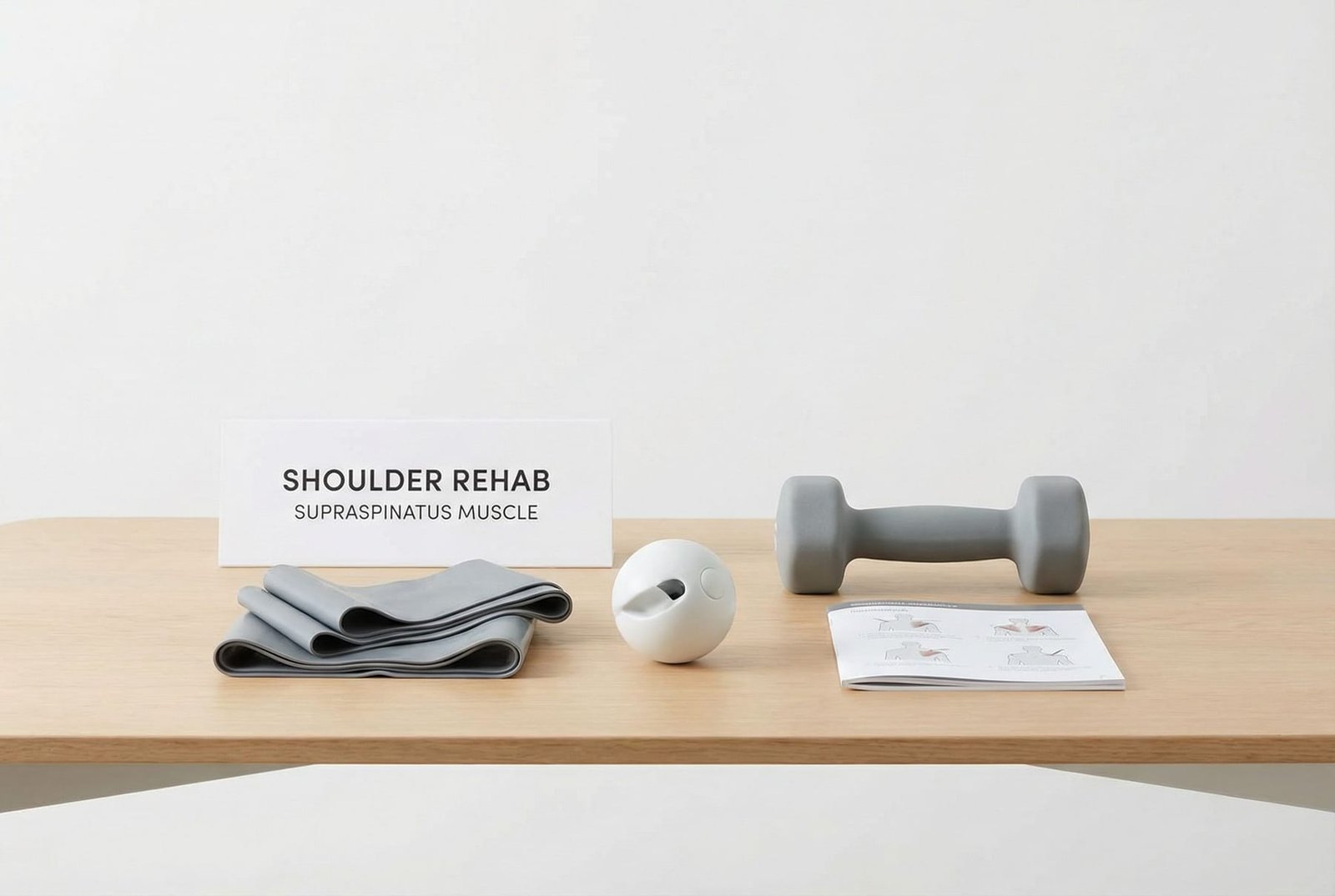
Supraspinatus Pendulum Exercise and Self Release Protocol
Pendulum & Passive Range Protocol
In an irritable shoulder, unloaded or lightly assisted movement often works better than jumping immediately into resisted exercise. The goal is to reduce guarding and preserve movement confidence without provoking the painful arc repeatedly.
- Codman pendulum exercises in a calm, low-threat range
- Passive or active-assisted shoulder elevation when well tolerated
- Short frequent sessions rather than one long painful session
- Progress only when the movement becomes less reactive
- Use pain response over the next 24 hours to guide the dose
Supraspinatus Self-Release
The supraspinatus is not always easy to reach for self-treatment because of its depth and location, but some patients can improve local tenderness and movement comfort with careful, low-force self-release.
- Use a tool that can access the supraspinous fossa without excessive force
- Apply moderate sustained pressure rather than repeated jabbing
- Keep treatment time short and reassess movement afterward
- Follow with gentle motion instead of stopping at release alone
- Stop if the pain becomes sharp, electric, or clearly non-muscular
Dry Needling: Supraspinatus Region
Dry needling of the supraspinatus can be useful in selected cases, but it should be performed only by trained clinicians who understand the anatomy and the differential diagnosis around cuff and subacromial pain.
- Use only when the target and indication are clear
- Needling should be symptom-guided, not routine
- Reassess pain, arc behavior, and function after treatment
- Combine with movement retraining rather than using needling alone
- Avoid turning repeated needling into a substitute for rehabilitation
Scapular Stability & Cuff Strengthening
Once irritability is lower, progression should shift toward restoring cuff capacity and better scapulohumeral rhythm. Long-term outcomes are usually best when local pain treatment is followed by movement rebuilding.
- Low-threat isometric or short-range cuff strengthening first
- Scapular control work for serratus anterior and lower trapezius as needed
- “Full can” or other tolerated cuff-biased progressions instead of aggressive painful loading
- Load progression based on symptom behavior, not impatience
- Reduce load if catching, painful arc, or next-day flare clearly worsen
Muscle Belly Pattern
Most commonly associated with the classic lateral shoulder / deltoid ache.
Musculotendinous Region
May feel more focal near the superior-lateral shoulder and can overlap with tendon pain.
Distal Extension
In some patients the ache extends farther down the lateral arm.
Compensatory Patterns
Deltoid, upper trapezius, and infraspinatus often become involved secondarily.
Red Flags — When to See a Doctor
Most supraspinatus-pattern pain is mechanical and non-emergent, but trauma, major weakness, atrophy, or strongly non-mechanical pain should change the level of concern.
Key Takeaways
The supraspinatus often contributes to a deep lateral-deltoid ache and may be involved when the first part of abduction or the painful mid-arc is especially provocative.
Trigger points in the supraspinatus can mimic tendon or subacromial pain, but they are only one part of the differential — not the whole diagnosis by default.
A painful arc, weakness on testing, and catching all matter, but none of them by themselves prove whether the main problem is muscular, tendinous, or structural.
The supraspinatus rarely acts alone: infraspinatus, deltoid, upper trapezius, scapular control deficits, and biceps involvement often shape the final clinical picture.
The best long-term treatment usually combines local pain reduction with scapular and cuff rehabilitation rather than relying on release work alone.
MRI findings and palpation findings should be interpreted together, because imaging abnormalities and myofascial pain frequently coexist.