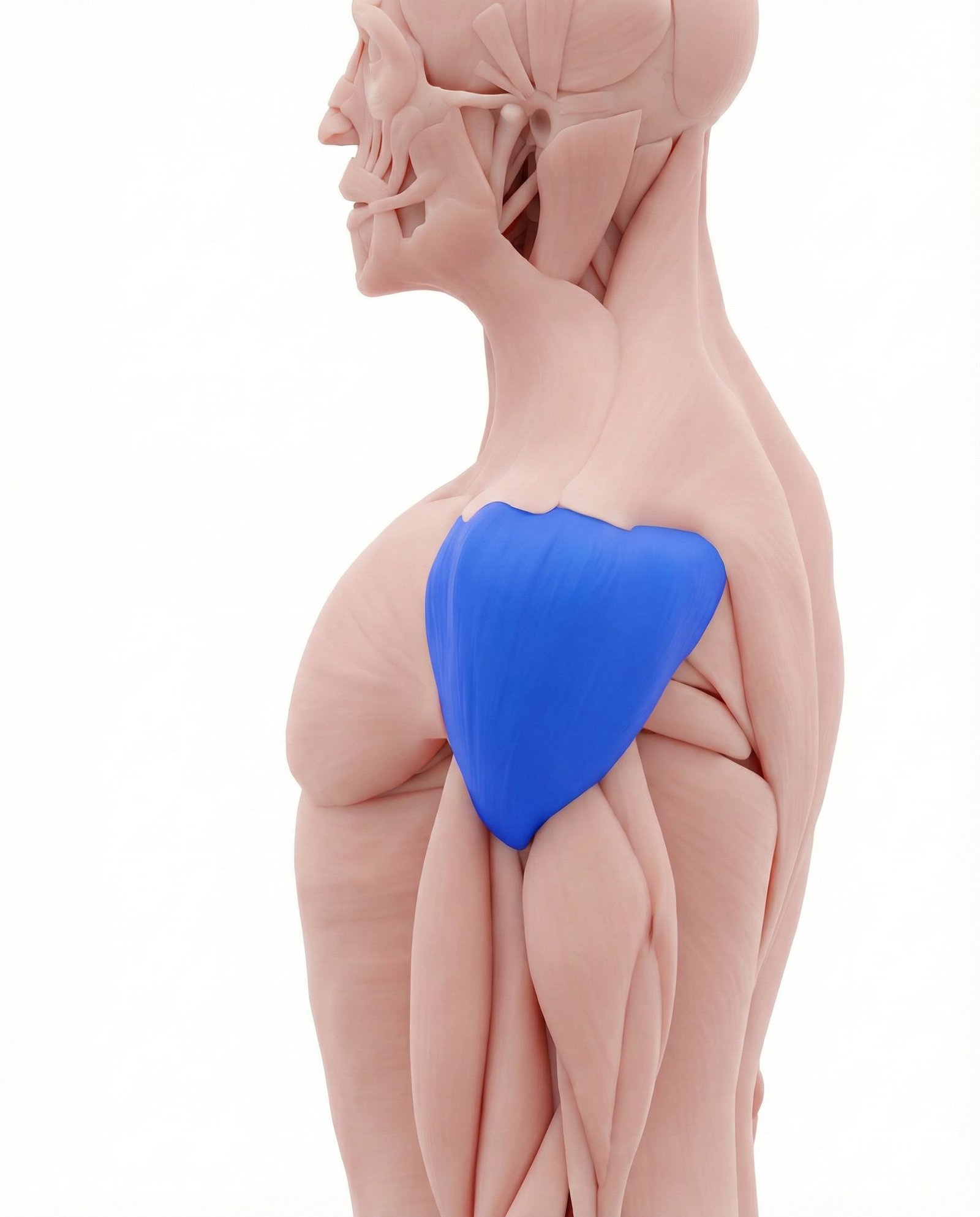
TrP 1
TrP1
Location. Front of shoulder
Pain referral. Front and outer shoulder
- Front of shoulder
- Outer arm
- Deltoid insertion
Localized ache at anterior deltoid intensifying during forward flexion movements
Location. Front of shoulder
Pain referral. Front and outer shoulder
Location. Outer shoulder
Pain referral. Outer shoulder, down arm
Location. Back of shoulder
Pain referral. Back of shoulder, scapular area
Location. Inferior anterior fibers near deltoid tuberosity
Pain referral. Anterior shoulder and lateral upper arm
Location. Inferior middle fibers near deltoid insertion
Pain referral. Lateral arm and deltoid insertion area
Location. Near spine of scapula attachment
Pain referral. Posterior shoulder and upper arm
Front shoulder pain. Localized ache at anterior deltoid intensifying during forward flexion movements
Pain when lifting forward. Sharp pain with shoulder flexion particularly when carrying or lifting objects anteriorly
Difficulty with front raises. Weakness and pain limiting active forward arm elevation against resistance
Outer shoulder pain. Aching at lateral deltoid region that worsens during sustained arm abduction activities
Pain with abduction. Sharp pain during midrange abduction often mimicking supraspinatus tendinopathy or impingement
Lateral arm ache. Dull persistent ache radiating down lateral arm toward deltoid tuberosity insertion area
Back shoulder pain. Deep aching at posterior deltoid worsening during shoulder extension and horizontal abduction
Pain with rowing. Sharp pain during pulling movements as posterior deltoid contracts against resistance
Posterior shoulder ache. Persistent dull ache at posterior shoulder often radiating toward scapular spine area
Shoulder pain with arm elevation. Anterior shoulder ache during arm elevation from deltoid trigger point near humeral insertion
Difficulty reaching overhead. Inhibited anterior deltoid firing from trigger points impairs overhead reaching biomechanics
Anterior shoulder tenderness at insertion. Palpable tenderness at deltoid tuberosity from trigger point taut band tension at insertion
Arm fatigue with sustained elevation. Active trigger points reduce anterior deltoid endurance causing rapid fatigue during elevation
Pain with arm abduction. Active shoulder abduction loads sensitized middle deltoid fibers aggravating trigger points
Difficulty sleeping on side. Lateral compression of middle deltoid trigger points during side-lying disrupts sleep quality
Deltoid insertion tenderness. Palpable tenderness at deltoid insertion on lateral humerus from taut band tension
Shoulder fatigue with sustained abduction. Active trigger points reduce middle deltoid endurance causing rapid fatigue during arm holding
Pain with horizontal abduction. Horizontal arm abduction maximally contracts posterior deltoid aggravating active trigger points
Difficulty reaching behind back. Reaching behind back stretches posterior deltoid causing pain from taut band tension
Posterior arm heaviness. Referred heaviness sensation down posterior arm from posterior deltoid trigger point zone
Scapular region discomfort. Referred ache near scapular spine from posterior deltoid trigger point at its origin
Overhead lifting. Repeated forward flexion under load overworks anterior deltoid fibers causing taut bands
Push exercises. Bench press and push-up movements create sustained anterior deltoid contraction and strain
Swimming. Freestyle catch phase demands repetitive anterior deltoid activation with each stroke cycle
Throwing. Acceleration phase heavily recruits anterior deltoid for forward arm propulsion repeatedly
Carrying heavy bags. Sustained shoulder flexion while carrying loads fatigues anterior deltoid muscle fibers
Overhead work. Prolonged arm abduction above shoulder level overloads middle deltoid and causes fatigue
Lifting to side. Lateral raises and side-carrying positions create sustained middle deltoid contractile stress
Repetitive abduction. Continuous side arm movements without adequate rest period activate latent trigger points
Rowing exercises. Repeated horizontal pulling movements overload posterior deltoid fibers causing taut band formation
Pulling movements. Sustained shoulder extension and retraction activities fatigue posterior deltoid muscle chronically
Poor posture. Forward head posture causes posterior deltoid to work harder maintaining scapular position
Overhead pressing exercises. Repetitive overhead pressing maximally loads anterior deltoid creating concentric overload trigger points
Repeated shoulder flexion activities. Repetitive forward arm elevation chronically overworks anterior deltoid fibers concentrically
Front raise exercises. Isolated anterior deltoid loading during front raises creates high-volume muscle fiber fatigue
Carrying heavy objects at arm length. Sustained shoulder flexion against load creates isometric anterior deltoid overload and ischemia
Post-shoulder surgery compensation. Altered movement patterns after surgery shift load to anterior deltoid creating compensatory trigger points
Lateral raise exercises. Isolated middle deltoid loading during lateral raises creates high-volume fiber fatigue and trigger points
Repetitive arm abduction activities. Repeated sideways arm elevation chronically overloads middle deltoid muscle fibers
Carrying objects at side. Sustained isometric deltoid loading while carrying objects at side creates sustained tension
Overhead work (painting, electrical). Prolonged overhead arm positioning maximally loads middle deltoid creating ischemic trigger points
Post-shoulder injection soreness. Intramuscular injection trauma to deltoid can initiate local trigger point formation
Reverse fly exercises. Isolated posterior deltoid loading during reverse flyes creates concentrated fiber fatigue
Rowing movements. Repetitive horizontal pulling in rows overloads posterior deltoid as a horizontal abductor
Swimming (backstroke, butterfly). Swimming strokes requiring shoulder extension and horizontal abduction overload posterior deltoid
Repetitive pulling motions. Chronic pulling activities create sustained posterior deltoid loading and trigger point formation
Poor computer posture (forward head). Forward head posture stretches posterior deltoid creating chronic low-grade length-tension overload
Wrap an ice pack or bag of frozen peas in a thin cloth and apply it directly to the painful area of the shoulder. Mold the pack around the contour of the deltoid for maximum contact. Keep the ice on for 10-15 minutes, then remove it and allow the skin to return to normal temperature before reapplying. Ice is most effective immediately after activities that aggravate the pain.
Lean forward with your unaffected arm resting on a table for support. Let the affected arm hang straight down, completely relaxed. Gently sway your body to create small swinging motions in the hanging arm, moving it forward and back, then side to side. Keep the movements small and pain-free. This exercise uses gravity to gently decompress the shoulder joint without activating the deltoid.
Stand facing a wall with your elbow bent to 90 degrees and your fist gently pressing against the wall at shoulder height. Push into the wall with moderate effort, holding for 10 seconds. You should feel the deltoid engage without any shoulder movement occurring. Relax for 5 seconds and repeat. This builds strength without moving through painful ranges of motion.
For lateral raises, hold a very light weight (1-2 pounds or a water bottle) at your side. Slowly raise the arm out to the side to about 60 degrees, then lower it slowly. For the cross-body stretch, bring your affected arm across your chest at shoulder height and use the opposite hand to gently pull it closer. Hold the stretch for 20-30 seconds. Both exercises should be pain-free or cause only mild discomfort.
Minimize prolonged or repetitive overhead arm activities. When overhead work is unavoidable, take breaks every 10-15 minutes and lower your arms to rest the deltoid. Before any exercise or physical activity, perform a proper warm-up including arm circles, shoulder rolls, and light pendulum swings for at least 5 minutes. Gradually increase intensity rather than jumping into heavy or explosive movements.
If shoulder pain persists despite 2-3 weeks of self-care and limits your ability to dress, reach, lift, or sleep comfortably, consult a physical therapist or orthopedic specialist. Describe the specific location of pain on the shoulder and which movements trigger it. A professional can distinguish deltoid trigger points from rotator cuff injuries, biceps tendinitis, or shoulder impingement that may require different treatment.