Understanding the Sternocleidomastoid
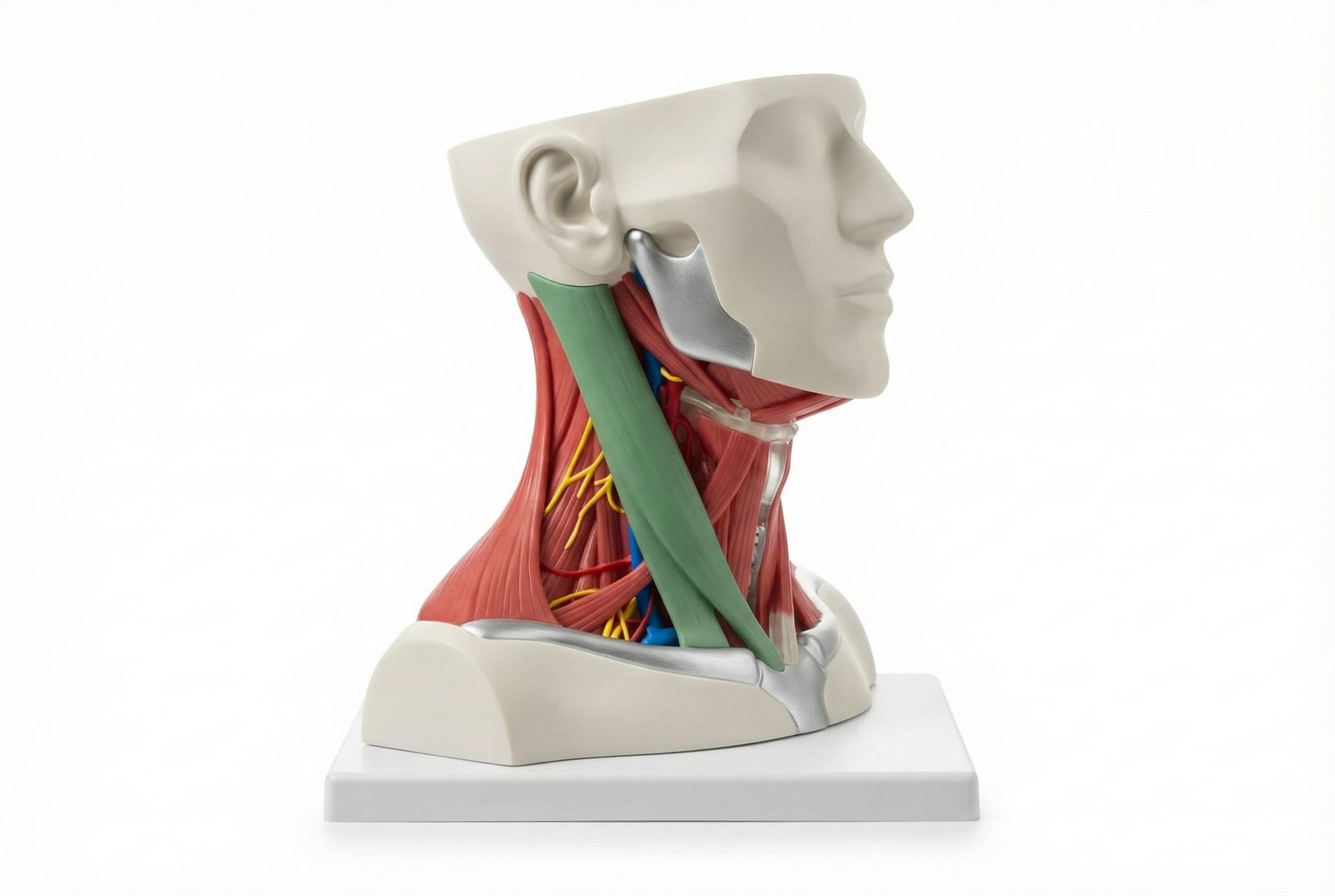
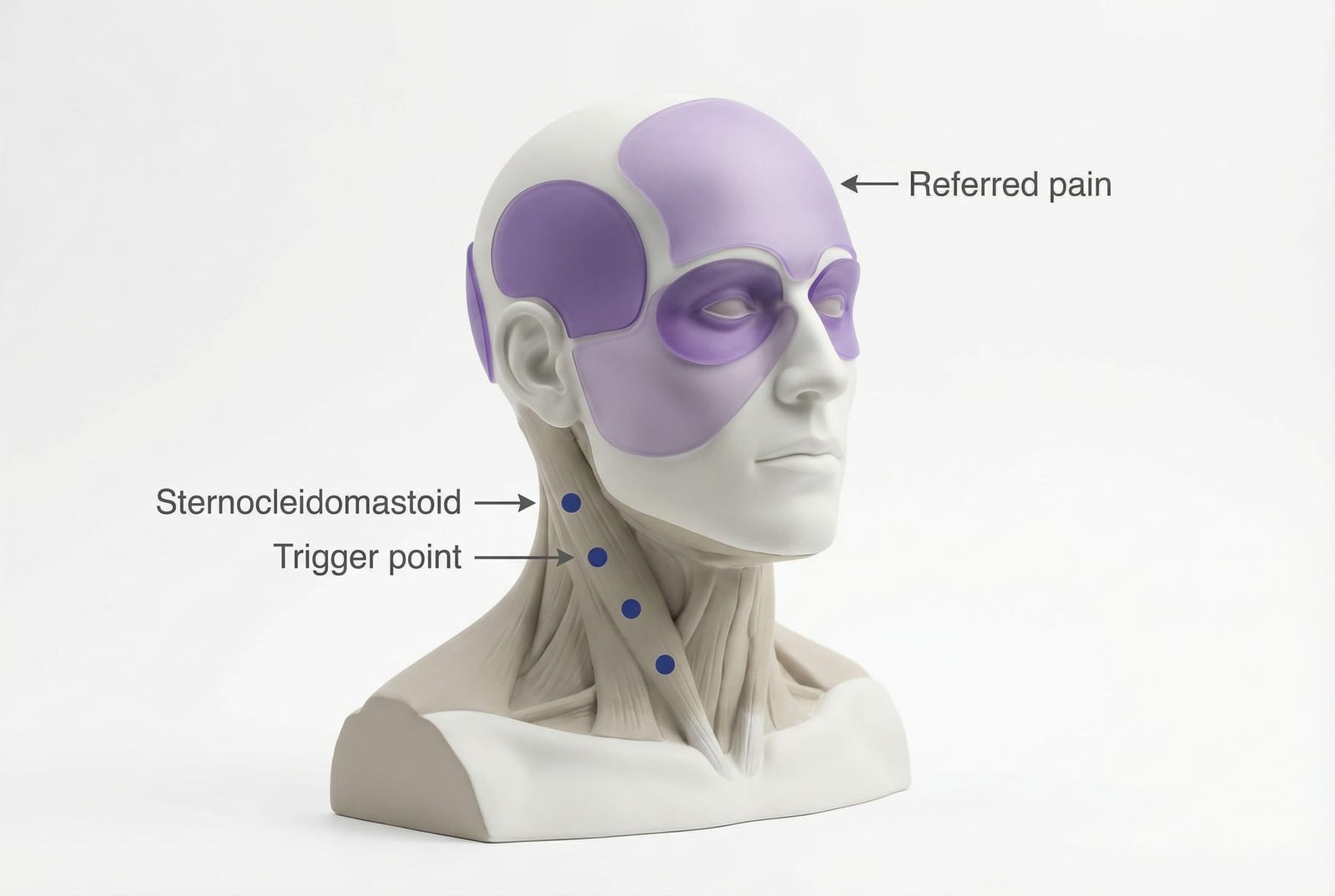
Sternocleidomastoid Muscle Anatomy Anterior and Lateral View
The sternocleidomastoid (SCM) is a prominent two-headed muscle on each side of the neck. It helps rotate the head, side-bend the neck, and assist with breathing when the respiratory system is under extra demand.
Clinically, the SCM matters because it can generate symptoms far away from the exact point being palpated. Patients may complain of headache, dizziness, facial pain, ear symptoms, eye discomfort, or vague neck-related symptoms without ever suspecting the SCM.
This symptom diversity is one reason the SCM is frequently missed in chronic pain workups. The patient may be sent toward ENT, neurology, jaw, or vestibular explanations before a careful muscular exam is done.
The SCM is also commonly overloaded by forward-head posture, upper-chest breathing, whiplash history, jaw clenching, and long periods of device use. That makes it one of the most clinically relevant cervical muscles in modern pain presentations.
Anatomy & Trigger Points
The SCM has sternal and clavicular divisions, and different regions of the muscle may reproduce somewhat different symptoms. That is one reason careful palpation and symptom recognition matter.
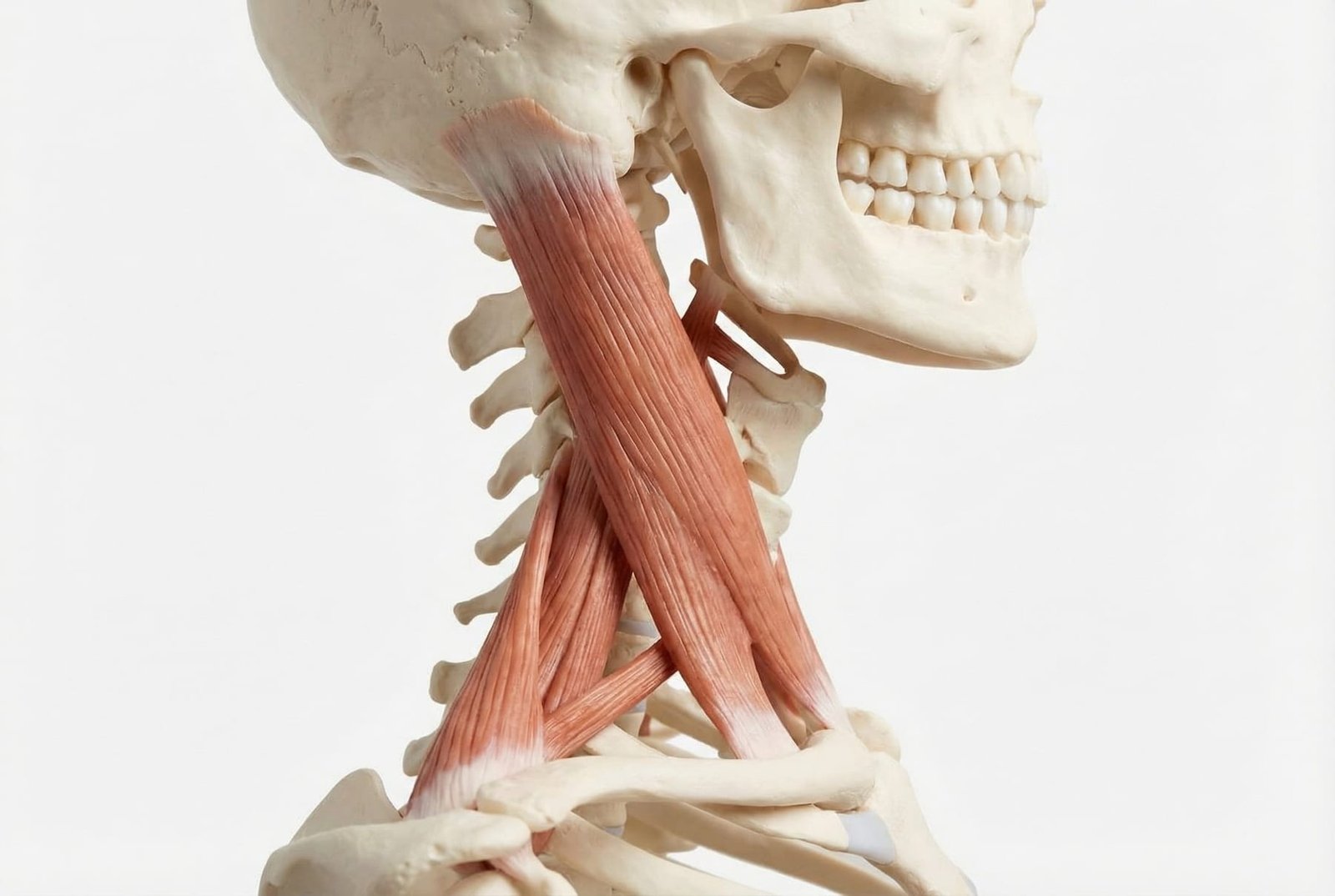
Sternocleidomastoid Trigger Point Locations and Referral Zones
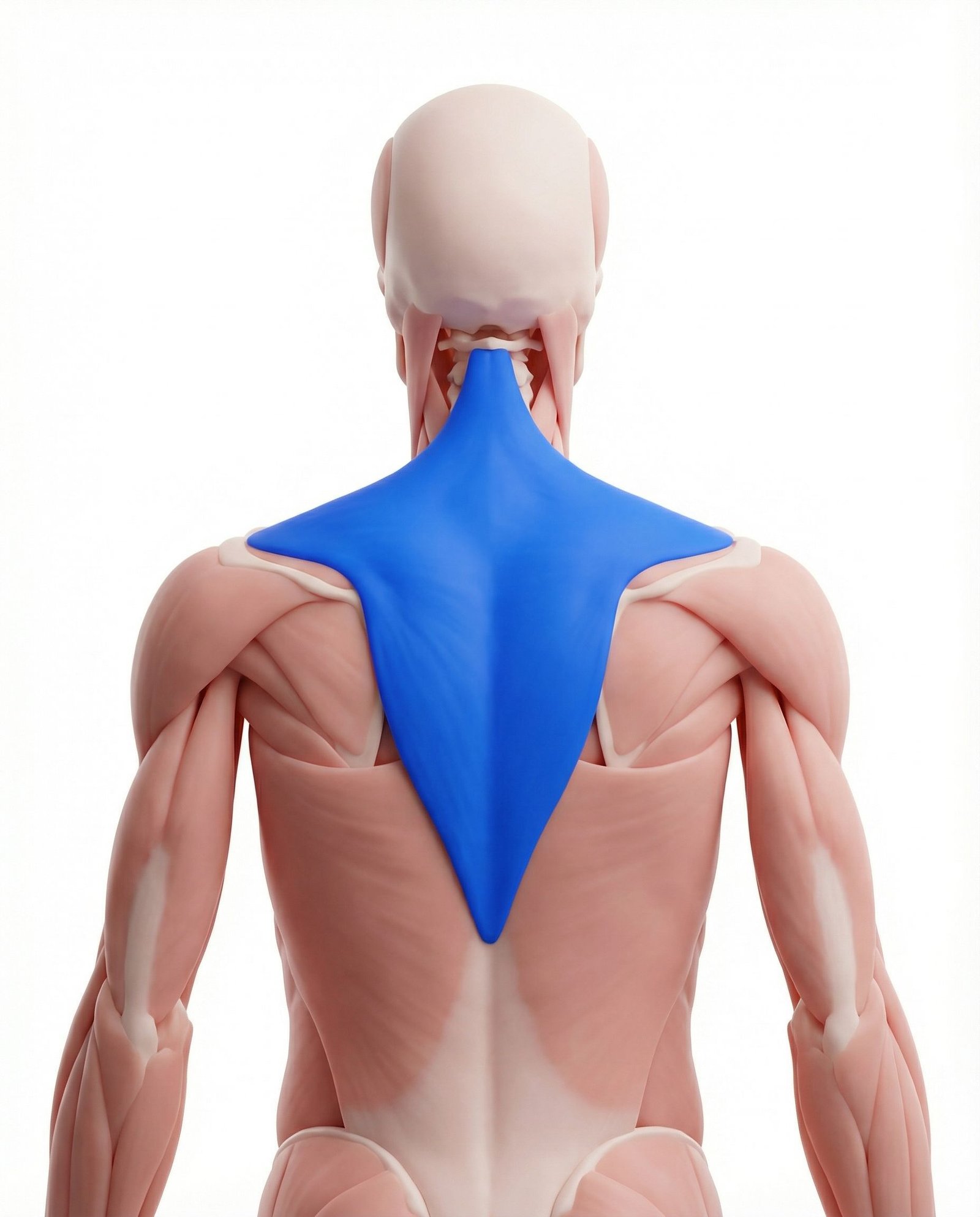
Often contributes to temporal headache, posterolateral neck pain, and shoulder tension. Upper trapezius trigger points commonly coexist with SCM dysfunction and may need to be treated alongside it for lasting improvement.
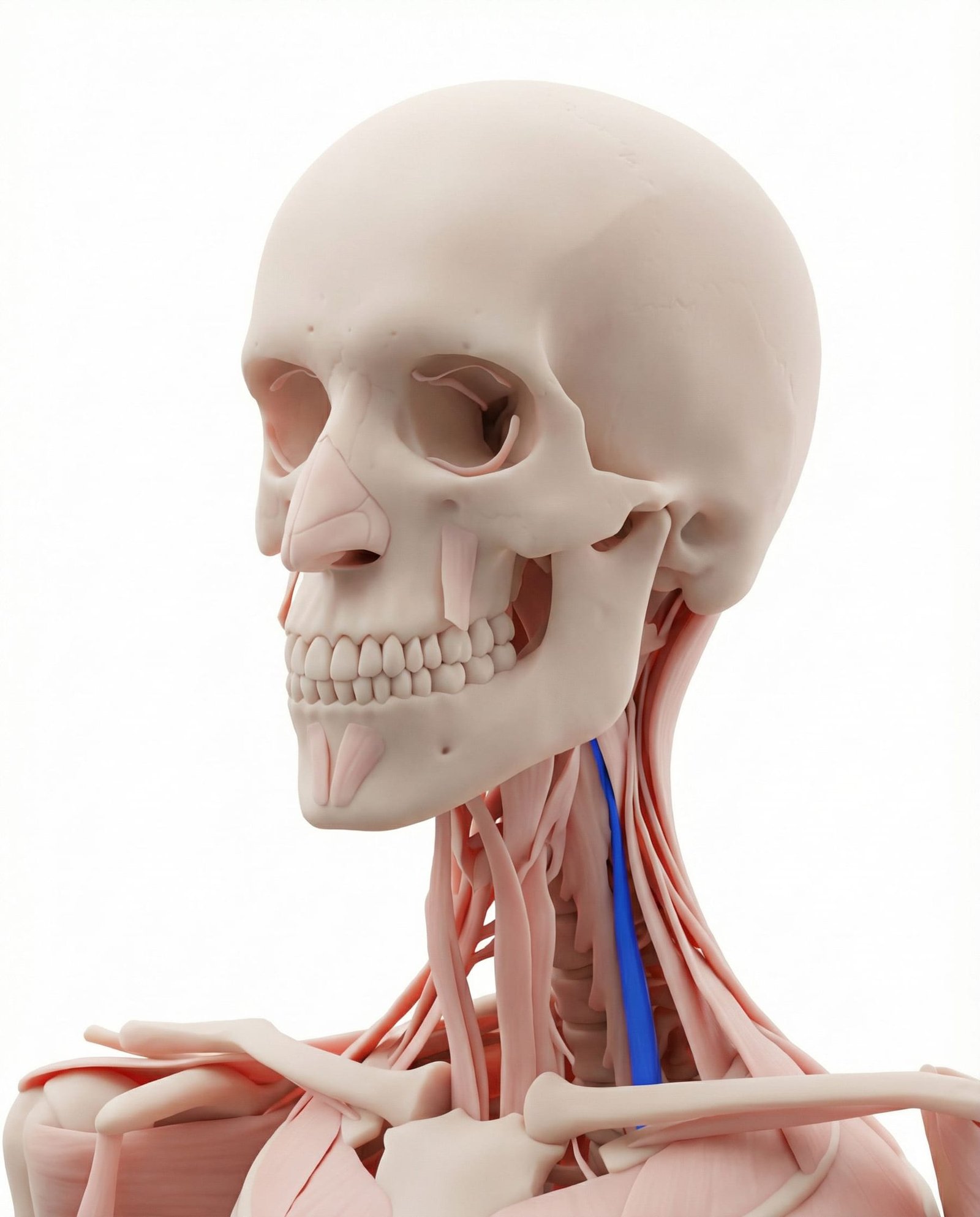
May contribute to deep anterior-neck, chest, arm, or thoracic-outlet-type symptoms. Scalene dysfunction often develops alongside SCM overuse in forward-head posture and whiplash patterns.
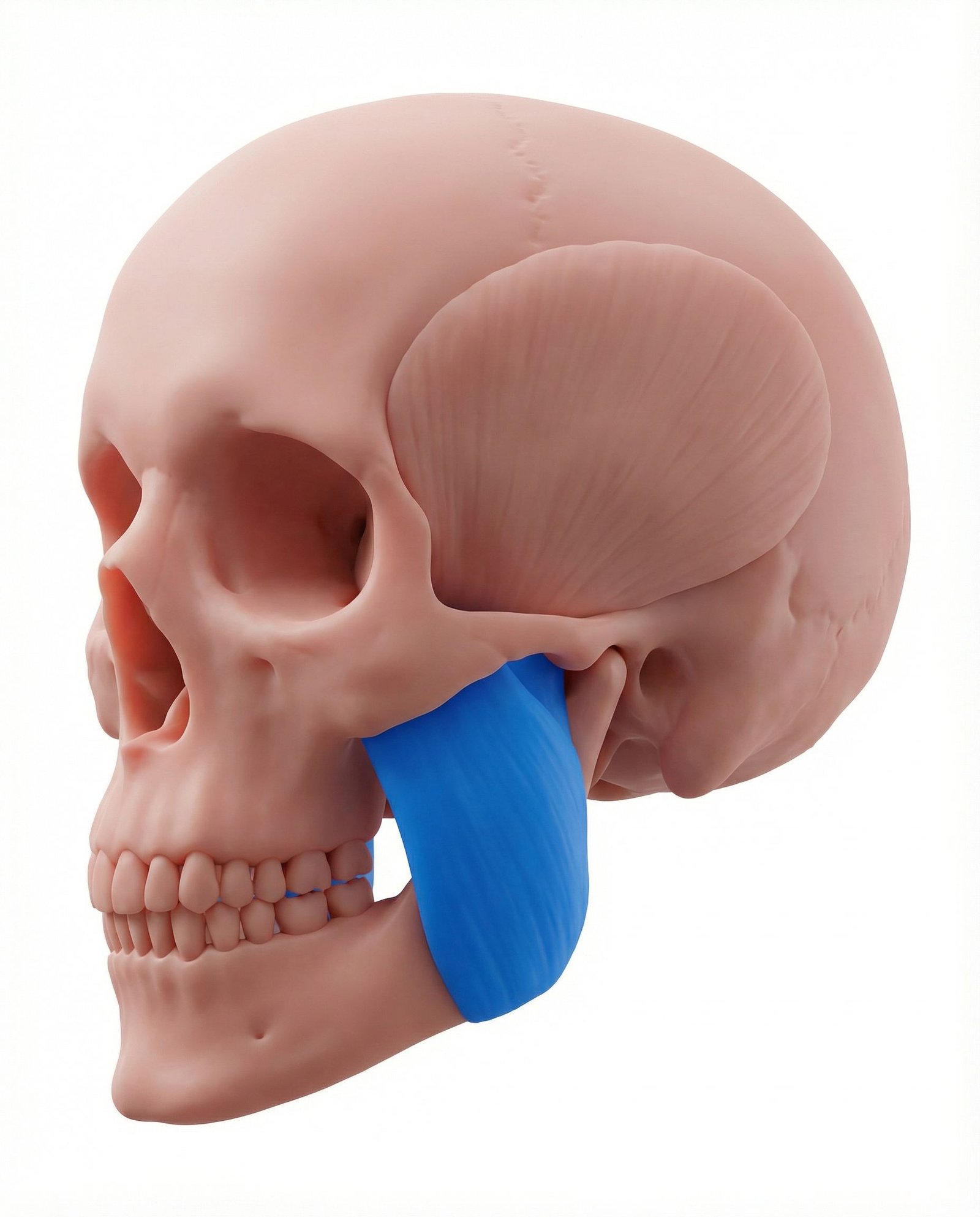
Can contribute to jaw pain, ear pain, temple pain, and toothache-like referral. Masseter dysfunction often overlaps with SCM-related headache and jaw-clenching presentations.
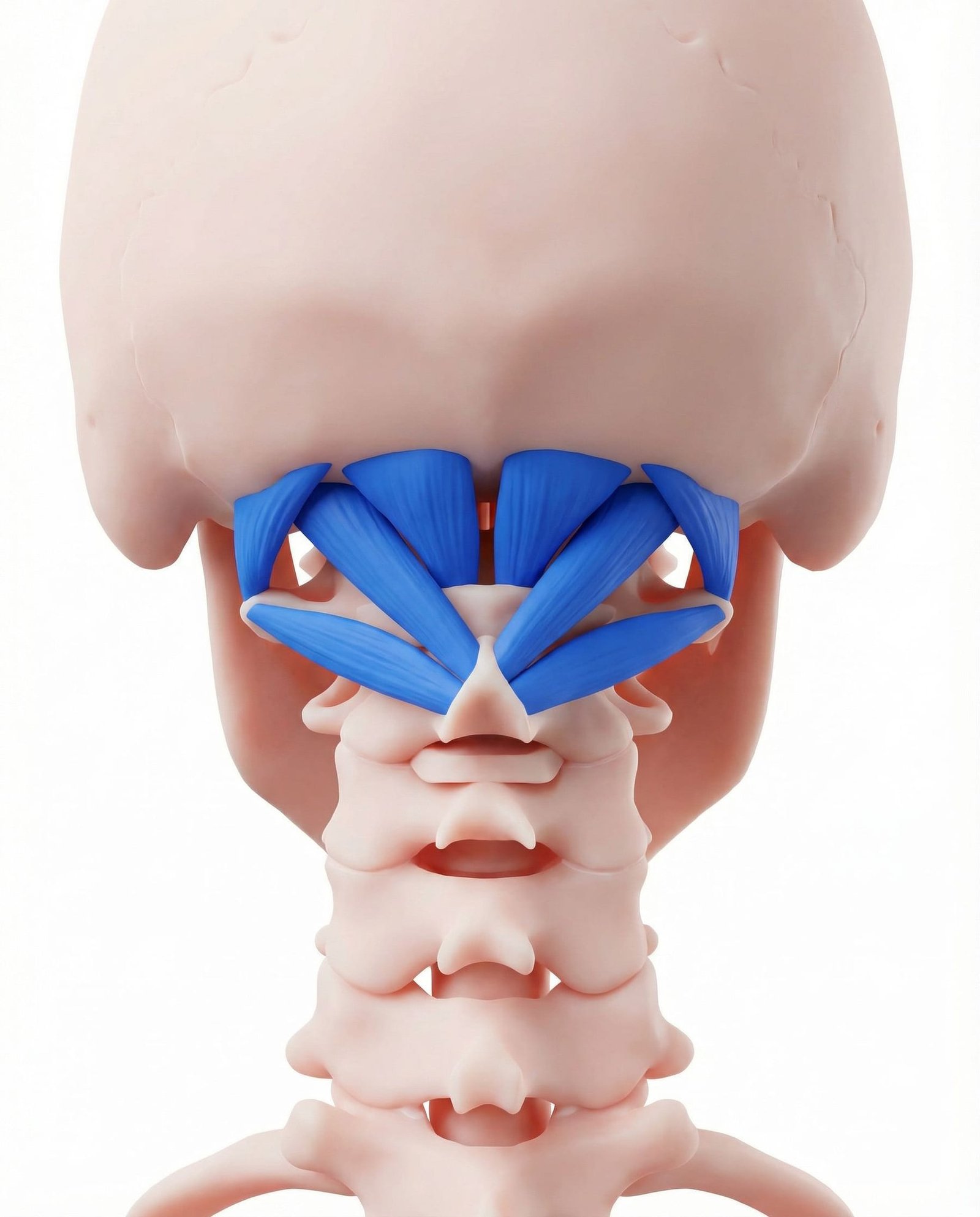
Often contribute to occipital and behind-the-eye headache patterns. They frequently coexist with SCM dysfunction in cervicogenic headache and dizziness presentations.
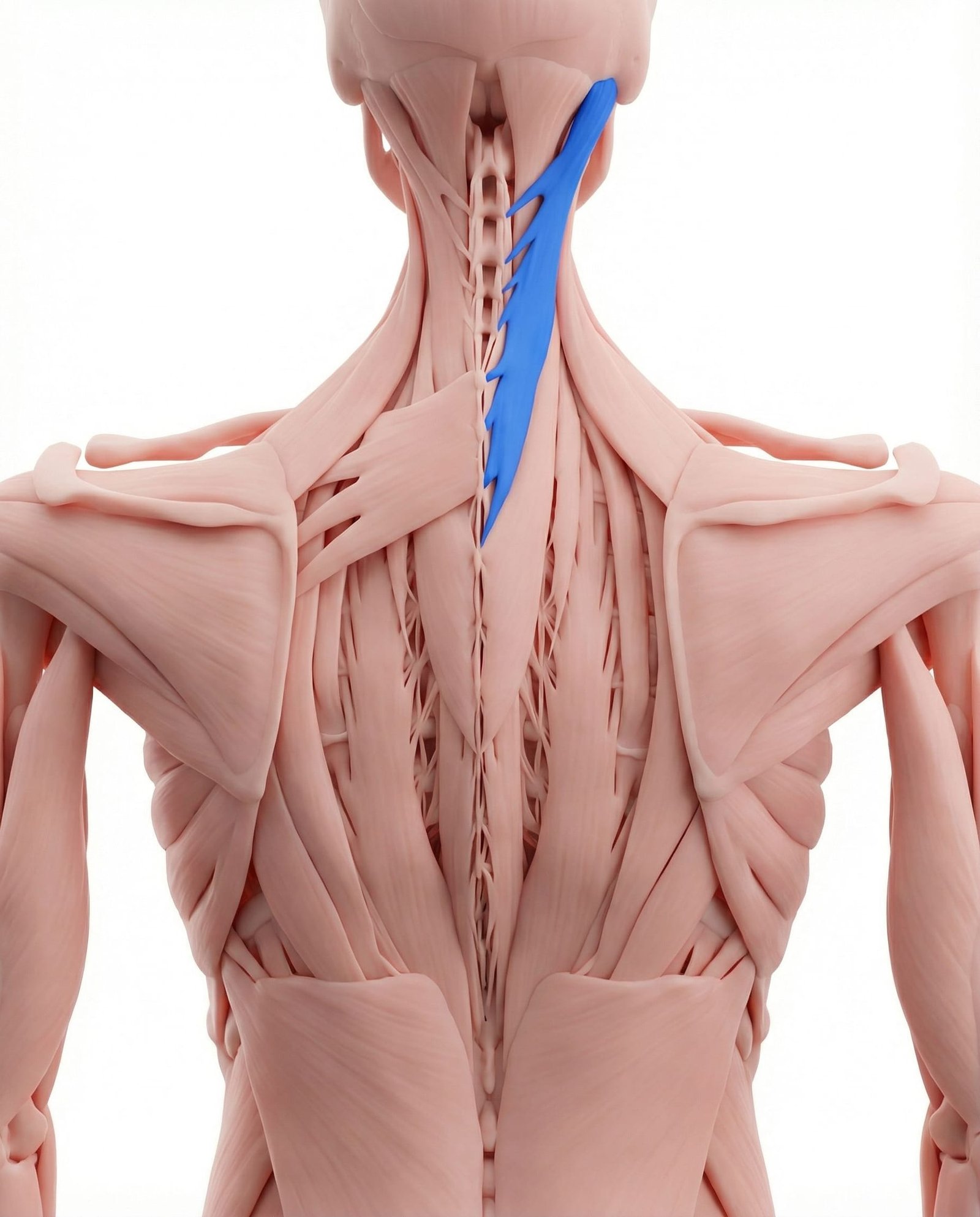
May contribute to posterior head pain or pain toward the top of the skull, often as part of a broader cervical overload pattern.
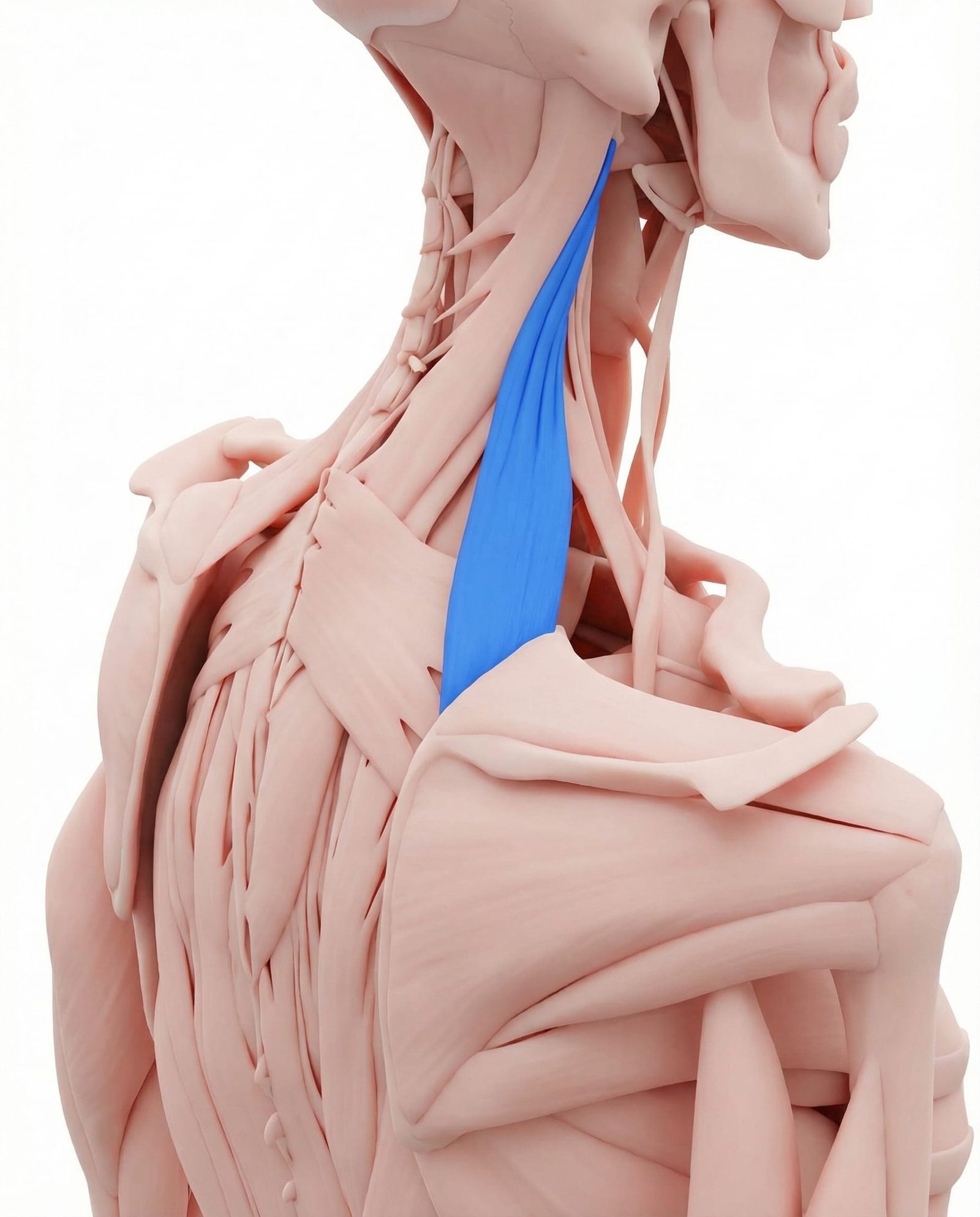
Commonly contributes to neck-angle pain, upper-scapular discomfort, and painful restriction of head turning when it coexists with SCM dysfunction.
Referral Patterns: The Great Imposter Signature
SCM-related symptoms can include temple or forehead headache, behind-the-eye discomfort, ear pain or fullness, dizziness, facial pain, throat discomfort, and neck stiffness. No single one of these proves SCM involvement, but the cluster can be highly suggestive.
The muscle also commonly coexists with upper trapezius, suboccipital, masseter, and scalene dysfunction, which can make the symptom picture even more confusing.
When a patient has “mysterious” headache, dizziness, ear symptoms, or facial pain with a cervical pattern in the background, the SCM deserves examination.
Headache
Dizziness
Ear / Facial Symptoms
Self-Assessment Tests
These tests are useful because they connect palpation, posture, and symptom reproduction. The most important finding is whether the patient recognizes the reproduced pain or dizziness as their familiar complaint.
SCM Pincer Palpation
Sternocleidomastoid trigger point assessment
Head Rotation Range
Active cervical rotation assessment
Dizziness Provocation
Cervicogenic dizziness screening
Forward Head Posture Screen
Lateral cervical alignment assessment
Treatment Pathways
SCM treatment tends to work best when the trigger point is treated directly while the underlying overload pattern — especially posture, breathing, and cervical motor control — is corrected at the same time.
SCM Self-Release Pincer Technique and Chin Tuck Exercise
Postural Correction & Ergonomics
Forward-head posture and screen-related neck loading are among the most important perpetuating factors for SCM trigger points. Correcting the mechanical context is often as important as treating the trigger point itself.
- Adjust screen height and viewing distance to reduce forward-head posture
- Use chin-retraction or cervical-position reset exercises as tolerated
- Avoid cradling the phone between ear and shoulder
- Review sleep position and pillow support when morning symptoms dominate
- Reduce sustained end-range cervical posture during work and device use
SCM Self-Release Technique
The SCM is one of the few neck muscles that can often be accessed directly with a pincer grip. Self-treatment should still be gentle and anatomically respectful because the region is sensitive.
- Use light-to-moderate pincer pressure rather than digging
- Work only on the palpable muscle belly, not medially toward the throat
- Use short, symptom-guided sessions rather than forceful prolonged work
- Follow with gentle neck motion or breathing downregulation if helpful
- Stop if dizziness, strong arm symptoms, pulsation, or unusual symptoms increase sharply
Dry Needling: SCM Divisions
Dry needling of the SCM should be performed only by clinicians with appropriate training because of the vascular, neural, and airway-sensitive anatomy in the region.
- A pincer technique is commonly used to separate the muscle from deeper structures
- Division-specific treatment may matter if one head is clearly more involved
- Patient feedback during the procedure is important
- Deeper or more lateral work requires additional caution
- Dry needling is usually one part of treatment, not the whole plan
Deep Cervical Flexor Training
Deep cervical flexor weakness and poor motor control often force the SCM to overwork as a stabilizer. Restoring better cervical support can reduce recurrent SCM overload over time.
- Use gentle chin-nod or craniocervical-flexion work as tolerated
- Progress endurance gradually rather than straining
- Train neutral head position during daily tasks, not only on the exercise mat
- Address scapular and thoracic contributors if posture is globally impaired
- Expect change over weeks, not overnight
Sternal Division
Often overlaps with forehead, face, temple, and eye-region symptoms.
Clavicular Division
More often linked to dizziness, ear symptoms, and deeper frontal or behind-the-ear complaints.
Headache Pattern
Frequently coexists with upper trapezius and suboccipital trigger points.
Jaw / Ear Overlap
Commonly overlaps with masseter-related jaw clenching patterns.
Red Flags — When to See a Doctor
SCM trigger points can create dramatic but benign symptoms, yet anterior-neck and dizziness presentations still require careful screening for vascular, neurological, infectious, and neoplastic causes.
Key Takeaways
The SCM is called “The Great Imposter” because it can create symptoms in the head, face, ear, and balance system while the muscle itself may not feel like the obvious source.
The muscle commonly overlaps with upper trapezius, suboccipitals, masseter, scalenes, and levator scapulae in complex cervical pain patterns.
SCM dysfunction is especially important in patients with dizziness, facial pain, temple pain, ear symptoms, and neck-related headache patterns that are otherwise difficult to explain.
Forward-head posture and chronic cervical overuse are among the most important perpetuating factors.
SCM treatment tends to work best when local trigger point care is combined with postural correction, cervical motor control, and management of coexisting upper-quarter dysfunction.