Understanding the Scalene Muscles
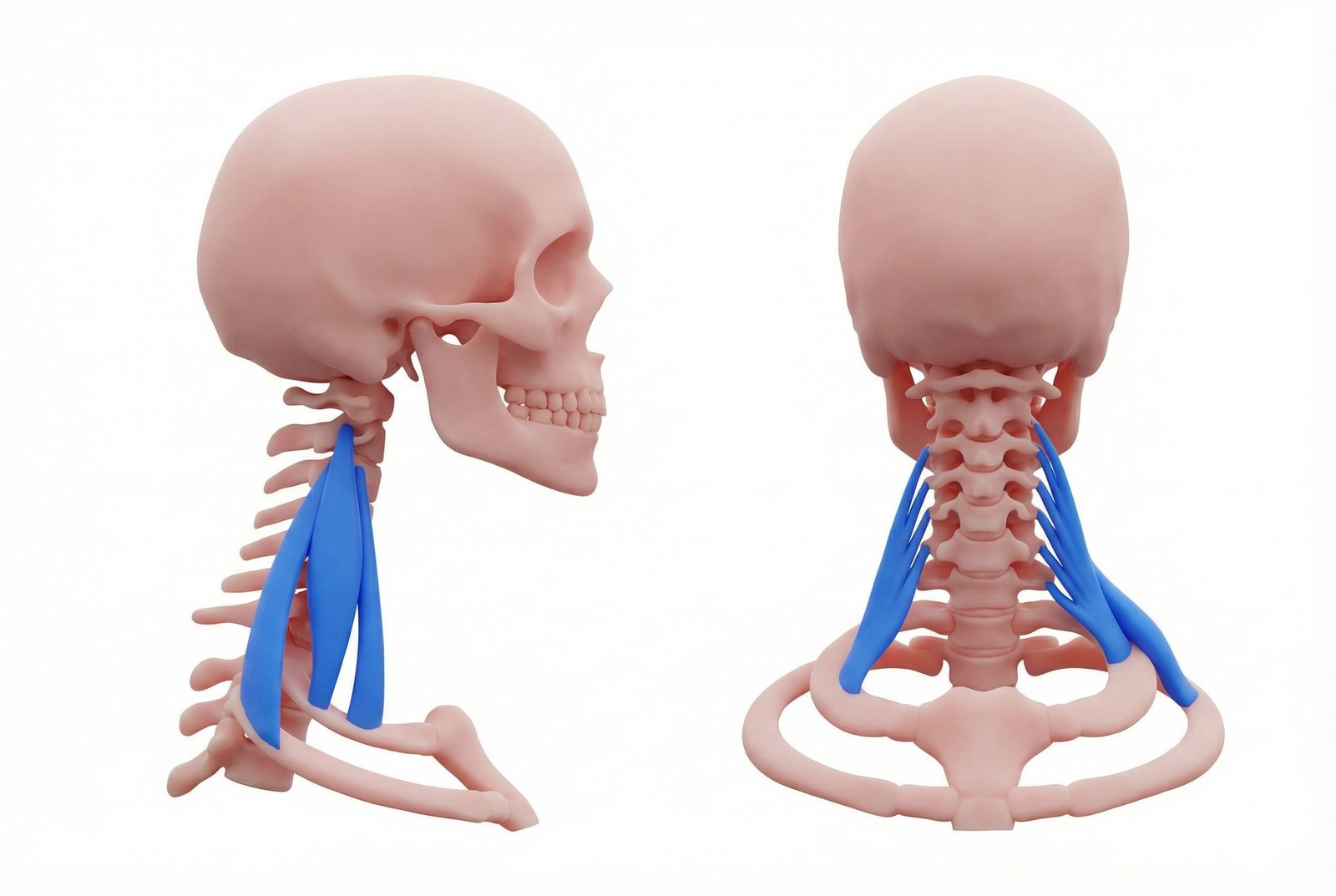
Scalene Muscles Anatomy Cervical Neck Diagram
The scalene muscles run from the cervical spine to the upper ribs and help with side-bending, cervical stabilization, and breathing. Because they assist with inhalation, they are especially vulnerable in people who habitually breathe through the upper chest rather than the diaphragm.
Clinically, the scalenes matter because they sit next to important neurovascular structures. This is why scalene dysfunction can overlap with thoracic outlet-type symptoms such as arm heaviness, tingling, paresthesia, or positional upper-extremity discomfort.
Their symptoms can be misleading. Patients may describe chest pain, hand tingling, scapular-border pain, or even tinnitus-related complaints, and the neck itself may not feel like the obvious source.
The most common perpetuating factors are usually breathing pattern dysfunction, forward-head posture, prolonged screen time, whiplash history, and sustained load through the shoulder girdle.
Anatomy & Trigger Points
The scalene triangle is clinically important because it contains the passageway for major neural and vascular structures. That anatomy is why this muscle group can create symptoms far beyond a simple neck ache.
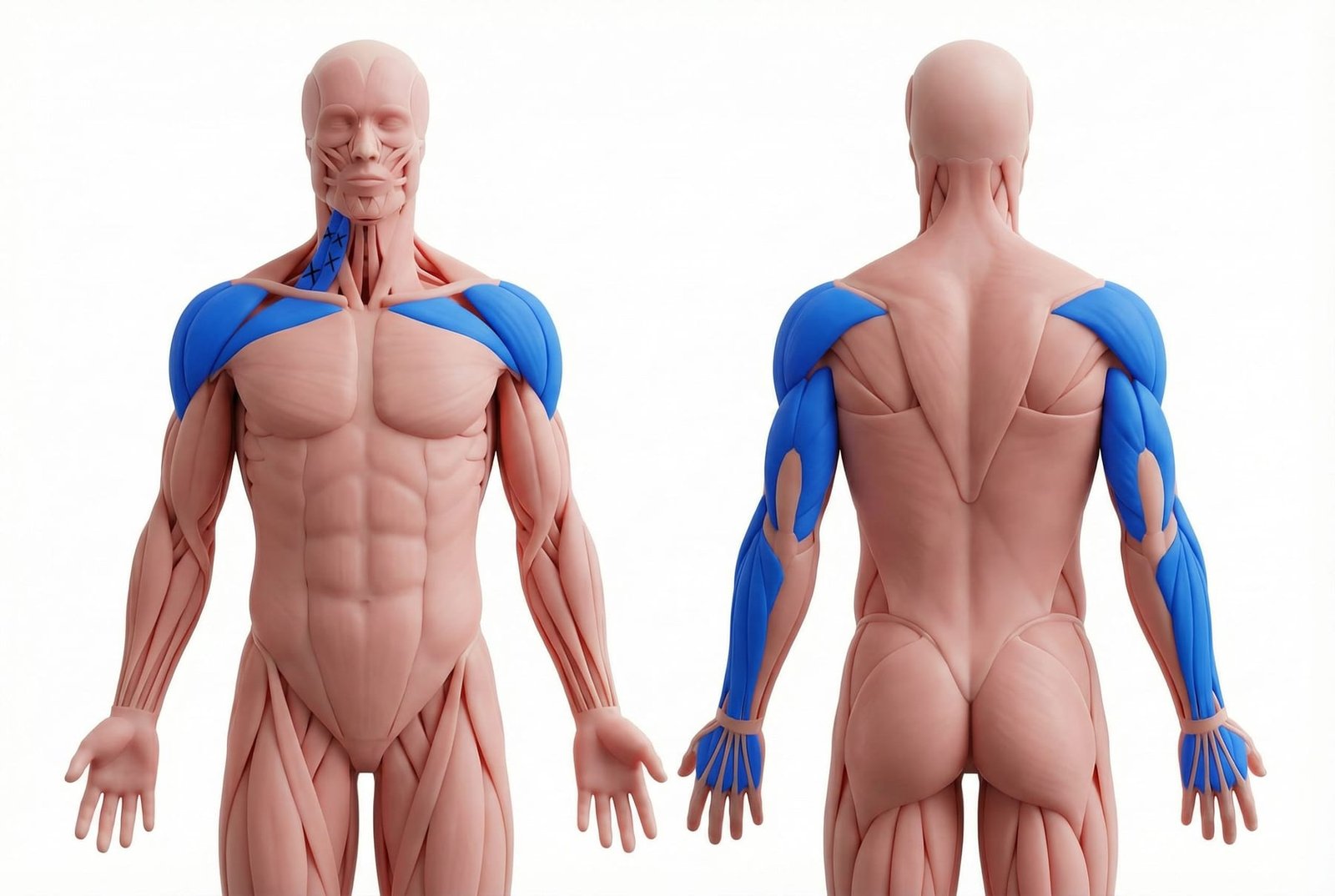
Scalene Trigger Point Referral Patterns
May contribute to upper chest pain, neck pain, shoulder-girdle tension, scapular-border pain, and arm symptoms that can overlap with thoracic outlet-type patterns.
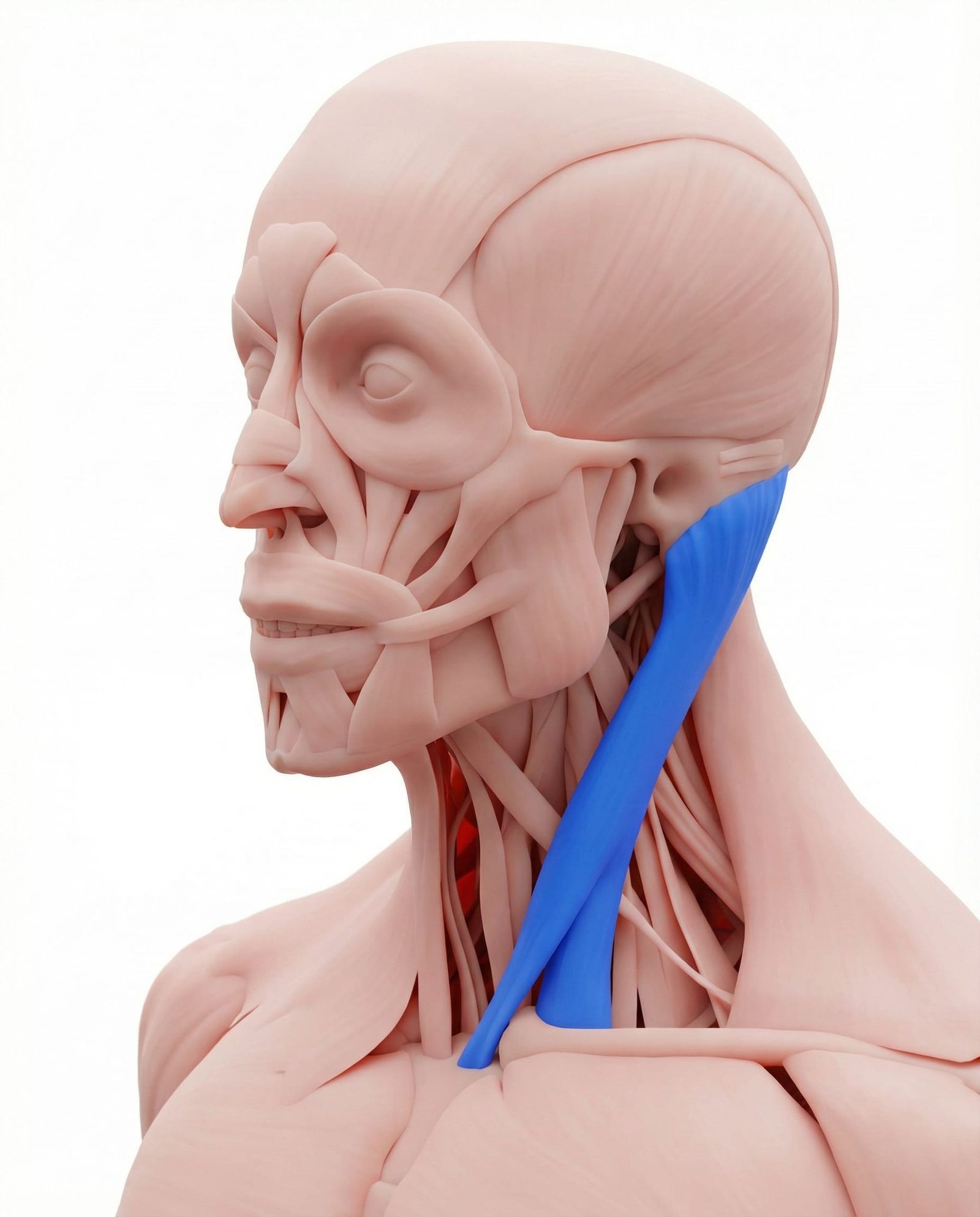
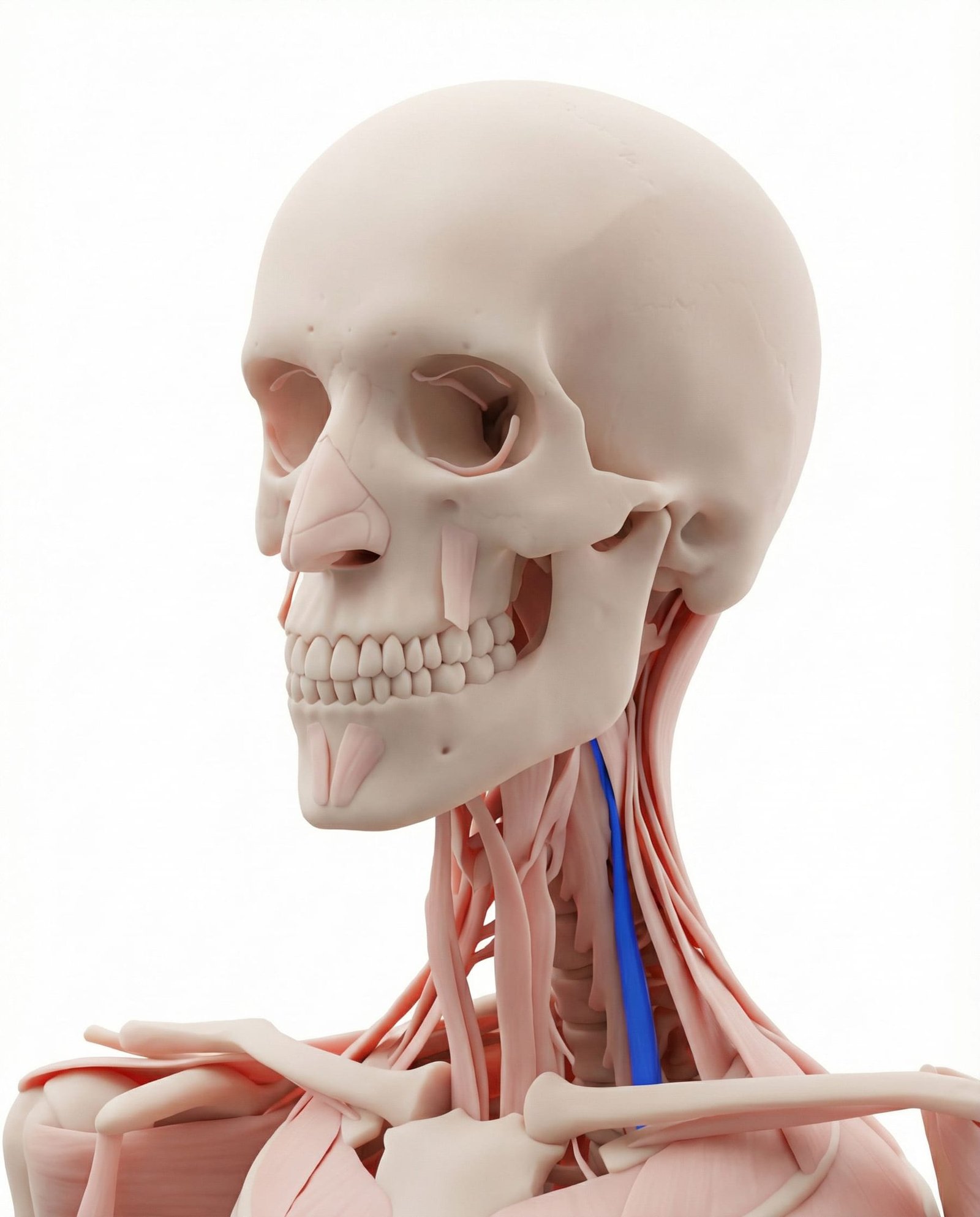
May contribute to facial pain, tinnitus, occipital headache, and upper-neck symptoms. It often coexists with scalene overuse in chronic cervical tension patterns.
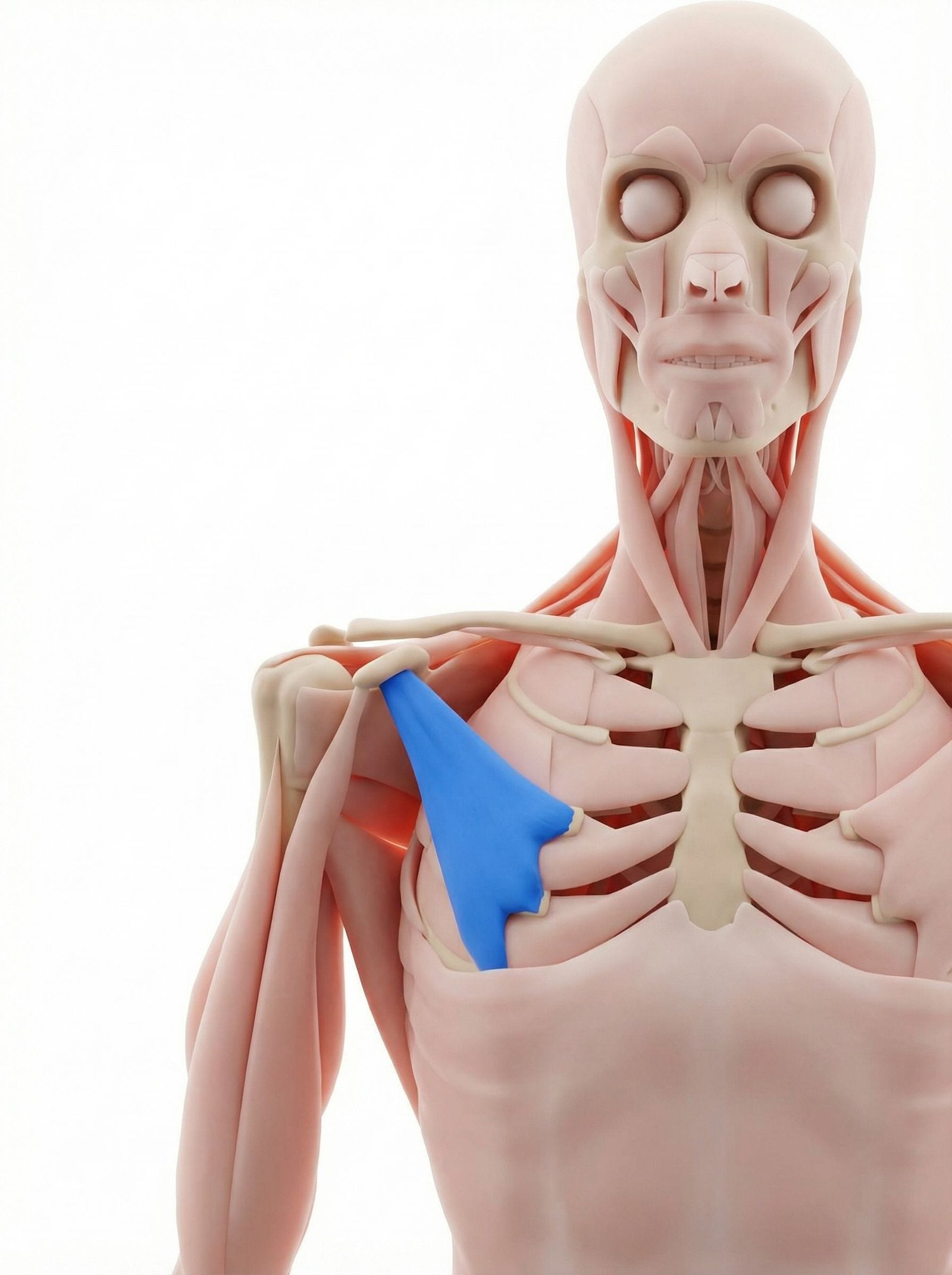
Can contribute to anterior chest and axillary pain and may participate in thoracic outlet-type patterns, especially when posture is rounded and the shoulder girdle is chronically protracted.
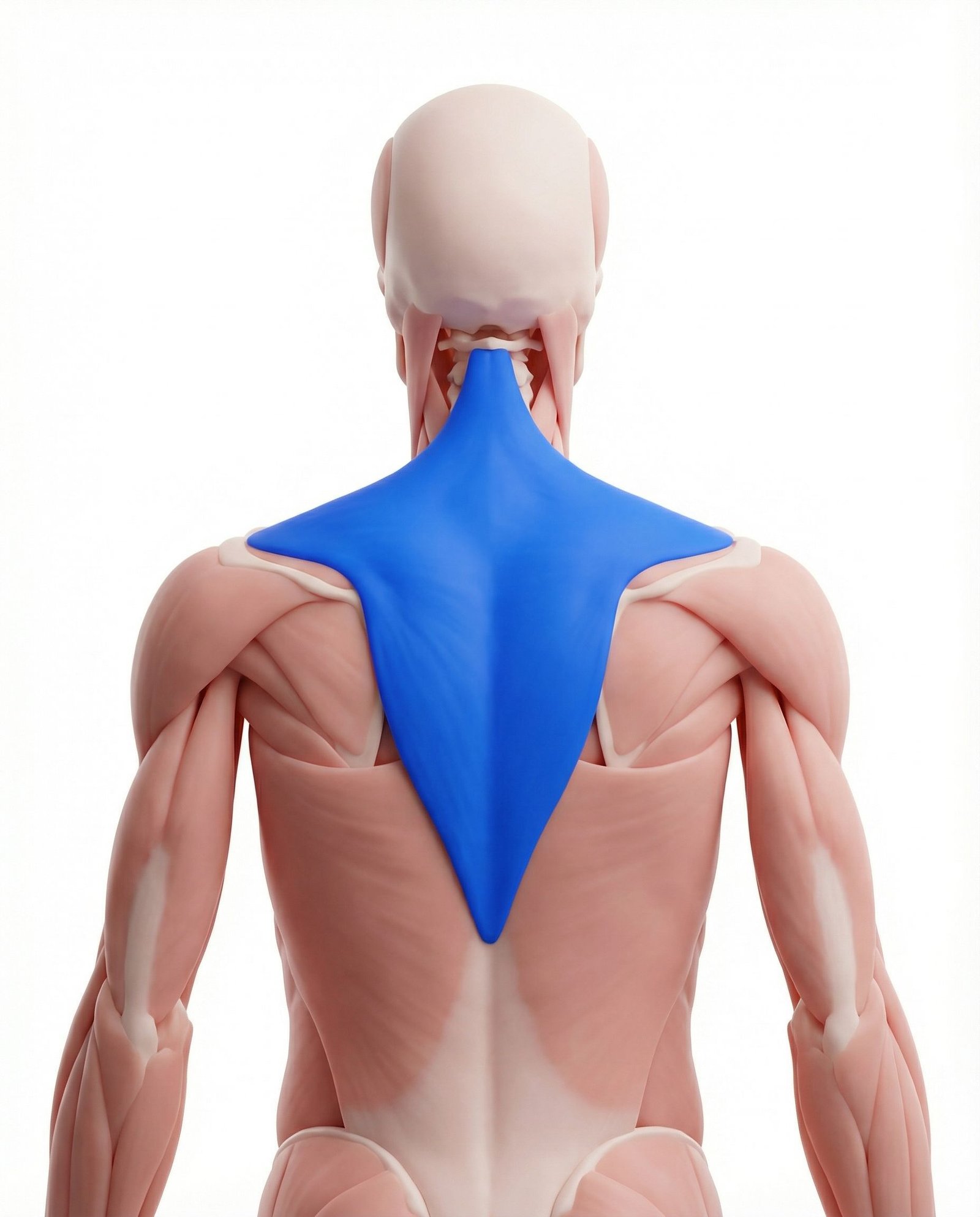
Often becomes reactive when scalenes are overworking, particularly in forward-head posture and upper-crossed-type patterns.
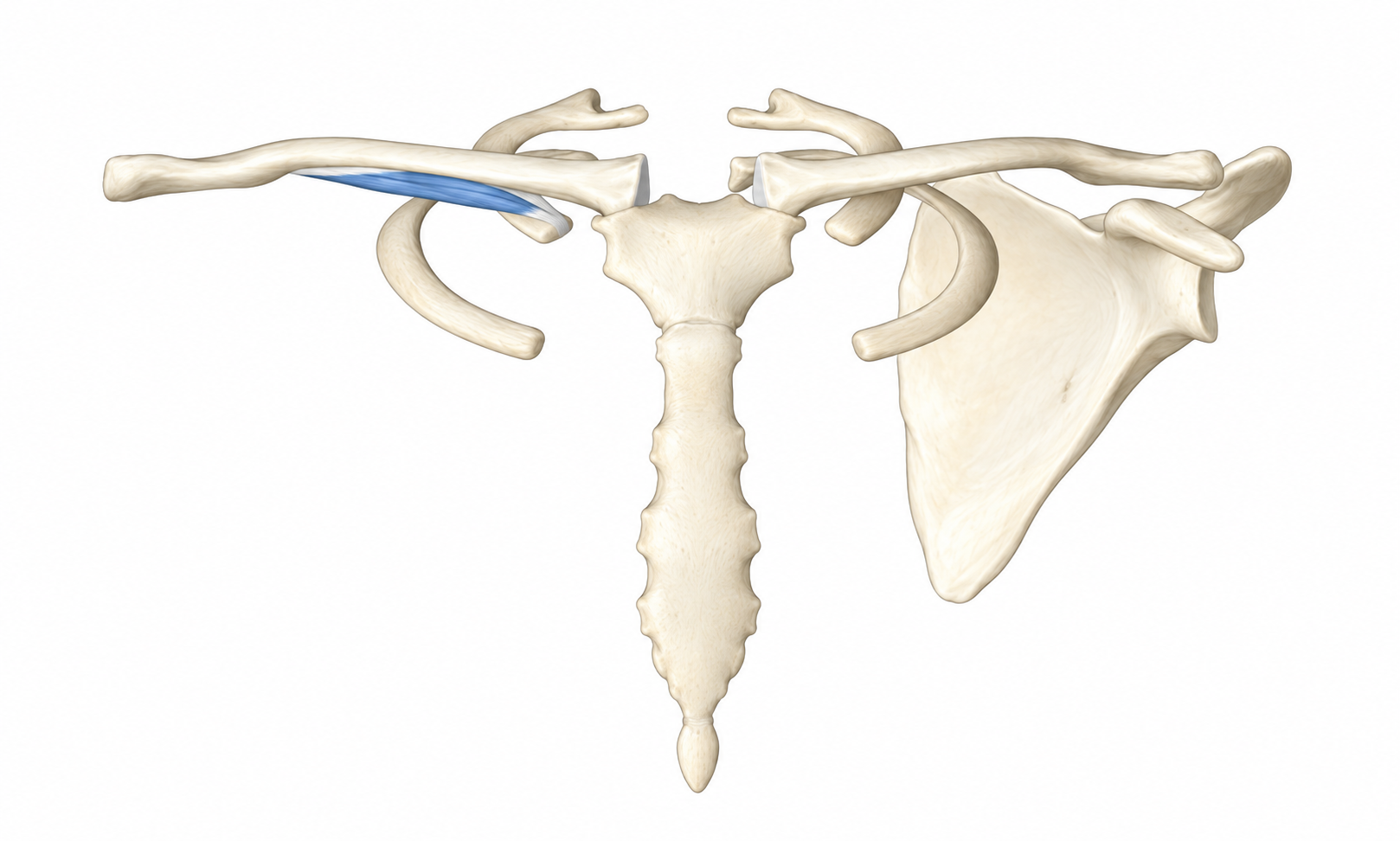
May contribute to anterior chest, clavicular, or forearm-region symptoms and can overlap with the same symptom territory as the scalenes.
Referral Patterns: The Scalene's Broad Reach
Scalene symptoms may include anterior chest pain, scapular-border pain, arm tingling, forearm discomfort, or thumb/index-finger symptoms. These patterns can mimic cervical radiculopathy, thoracic outlet syndrome, or peripheral nerve entrapment.
They may also coexist with SCM, pectoralis minor, upper trapezius, and subclavius dysfunction, which makes upper-quarter presentations even harder to sort out.
The scalenes are clinically deceptive: a small neck muscle group can create a symptom pattern that feels like a problem in the chest, arm, or hand.
Chest
Arm / Hand
Scapular Border
Self-Assessment Tests
These tests should be used as pieces of the puzzle. Scalene diagnosis usually depends on the combination of symptom pattern, breathing pattern, positional provocation, and palpation findings.
Adson's Test
Scalene Triangle Compression Screen
Roos Test (EAST)
Elevated Arm Stress Test
Scalene Compression Test
Scalene Triangle Palpation
Cervical Flexion-Rotation Test
Upper Cervical Mobility Assessment
Treatment Pathways
Scalene treatment works best when local treatment is combined with breathing retraining, first-rib / thoracic mechanics work, and postural change.
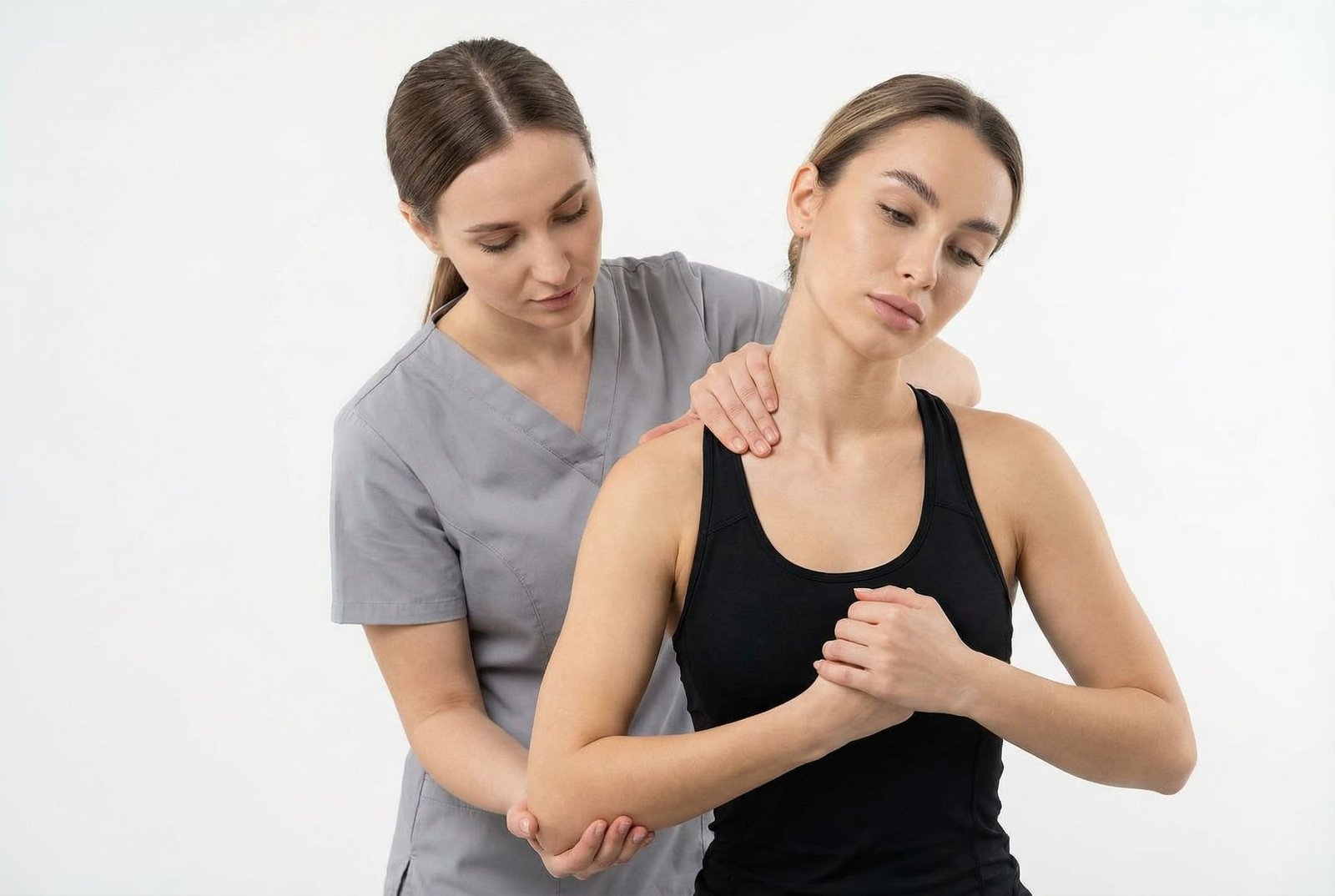
Scalene Manual Therapy Neck Treatment
Scalene Stretching Protocol
Gentle scalene lengthening and first-rib unloading are often part of first-line conservative care.
- Gentle lateral cervical flexion with rotation-based stretching
- Shoulder-girdle depression strategies when appropriate
- First-rib mobility work where clinically relevant
- Slow cervical range-of-motion restoration
- Progression based on symptom response rather than force
Manual & Myofascial Release
The anterolateral neck is an anatomically demanding region, so manual treatment should be careful, specific, and symptom-guided.
- Gentle myofascial treatment of the scalene region
- Release of coexisting upper-quarter tension patterns
- Suboccipital and cervicothoracic treatment where relevant
- First-rib and upper-thoracic mobility work
- Avoidance of aggressive pressure that increases neurovascular irritation
Dry Needling & Injections
Interventional treatment of the scalene region should be reserved for appropriately trained clinicians because of the nearby brachial plexus, vessels, and other sensitive structures.
- Dry needling only by experienced clinicians
- Image guidance may improve safety in selected cases
- Trigger point injection in clearly indicated refractory cases
- Botulinum toxin only in selected specialist thoracic outlet-type cases
Breathing Retraining & Posture Correction
Long-term success often depends on changing the pattern that keeps the scalenes overworking — especially upper-chest breathing and forward-head posture.
- Diaphragmatic or 360-degree breathing retraining
- Reducing habitual upper-chest breathing dominance
- Forward-head posture correction and cervical stabilization
- Thoracic mobility work to reduce upper-quarter overloading
- Ergonomic changes that reduce sustained neck flexion
Red Flags: Serious Causes of Arm Symptoms
Arm numbness, chest pain, vascular change, and neurological symptoms all require careful differentiation because some causes are much more serious than MPS.
Key Takeaways
The scalenes are accessory breathing muscles and are often overworked in upper-chest breathers.
Because the brachial plexus and subclavian artery pass through the scalene region, scalene dysfunction can overlap with thoracic outlet-type symptoms.
Scalene referral can mimic radicular, thoracic outlet, chest-wall, or peripheral nerve complaints.
SCM, pectoralis minor, upper trapezius, and first-rib mechanics often need to be assessed together rather than in isolation.
Treating the scalene trigger point without addressing the breathing and posture pattern that created it usually produces only short-term benefit.