Understanding the Masseter
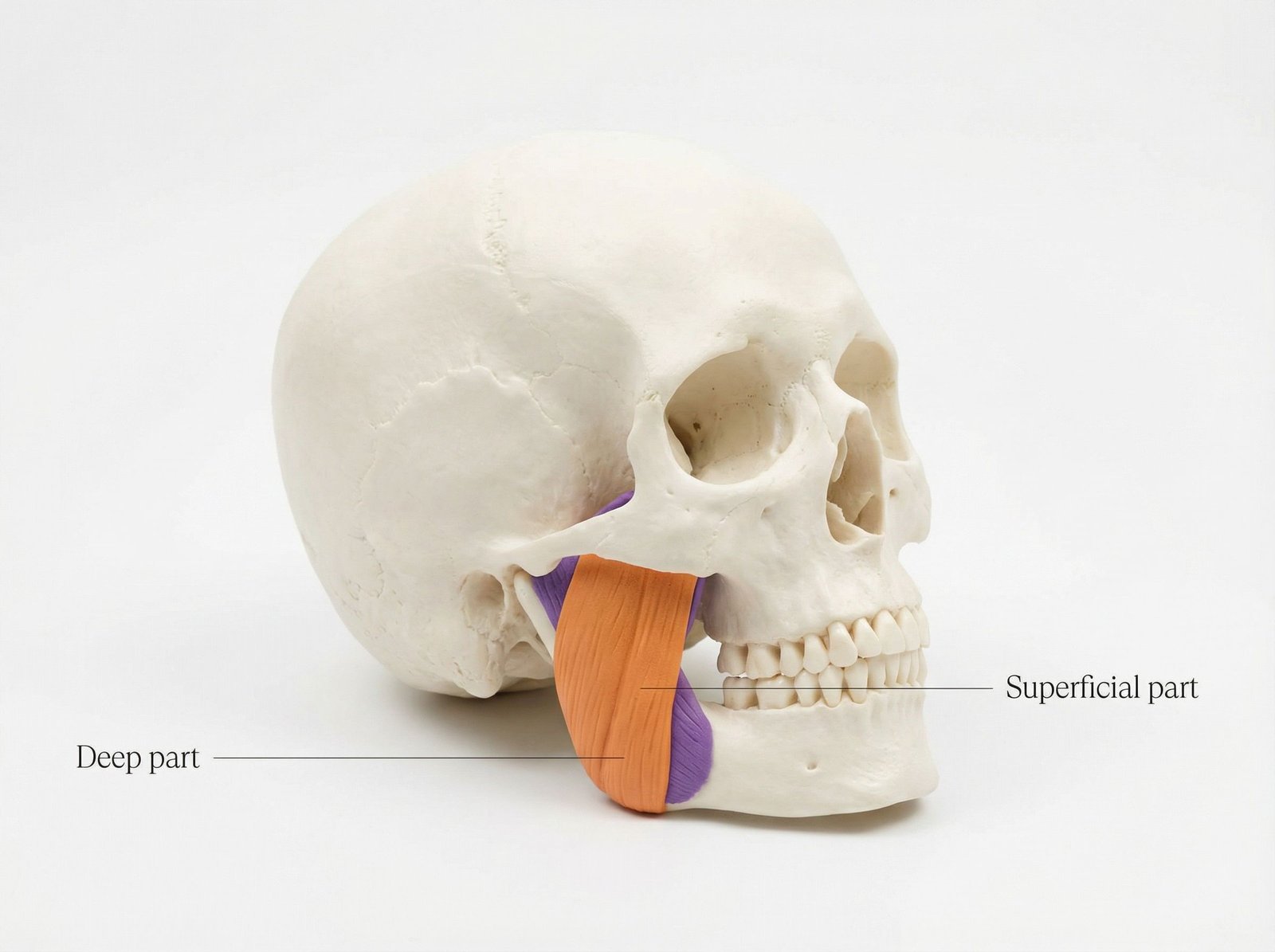
Masseter and Jaw Muscles Anatomy Lateral View
The masseter is a thick, powerful jaw-closing muscle that runs from the zygomatic arch to the outer surface of the mandible. It works together with the temporalis and pterygoids to create chewing force and to stabilize jaw movement during speaking, eating, and clenching.
Sustained clenching, gum use or a recent increase in chewing can aggravate jaw pain. Sleep, stress and broader pain sensitivity can also influence symptoms. Bruxism and painful TMD overlap, but neither automatically establishes the other or predicts response to toxin.
Masseter trigger points are clinically important because they can refer pain into the upper jaw, lower jaw, teeth, cheek, or ear region. This does not mean that every tooth or jaw pain complaint is muscular, but it does mean the masseter deserves examination when dental workup is unrevealing or symptoms are clearly influenced by clenching.
The most useful clinical question is not whether the pain “must” be dental or “must” be muscular, but whether palpation and loading of the masticatory muscles reproduce the familiar symptoms and whether the broader dental/TMJ evaluation supports that interpretation.
Anatomy & Trigger Points
The masseter has superficial and deeper portions, and tenderness may appear at different levels of the muscle. The useful point clinically is whether muscle palpation reproduces the patient’s familiar pain pattern, not whether every referral map matches perfectly.
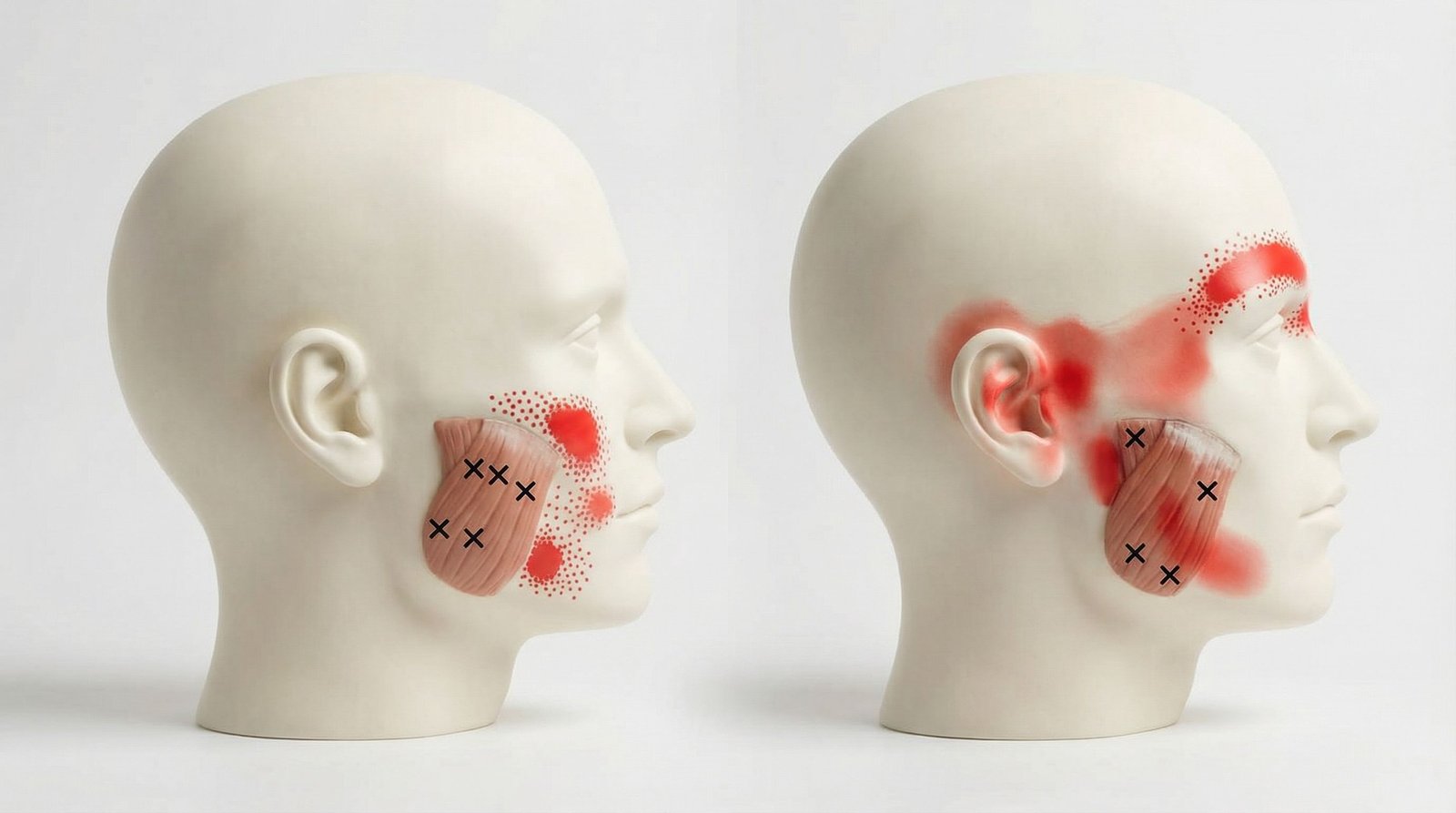
Masseter Trigger Point Locations and Dental Referral Zones
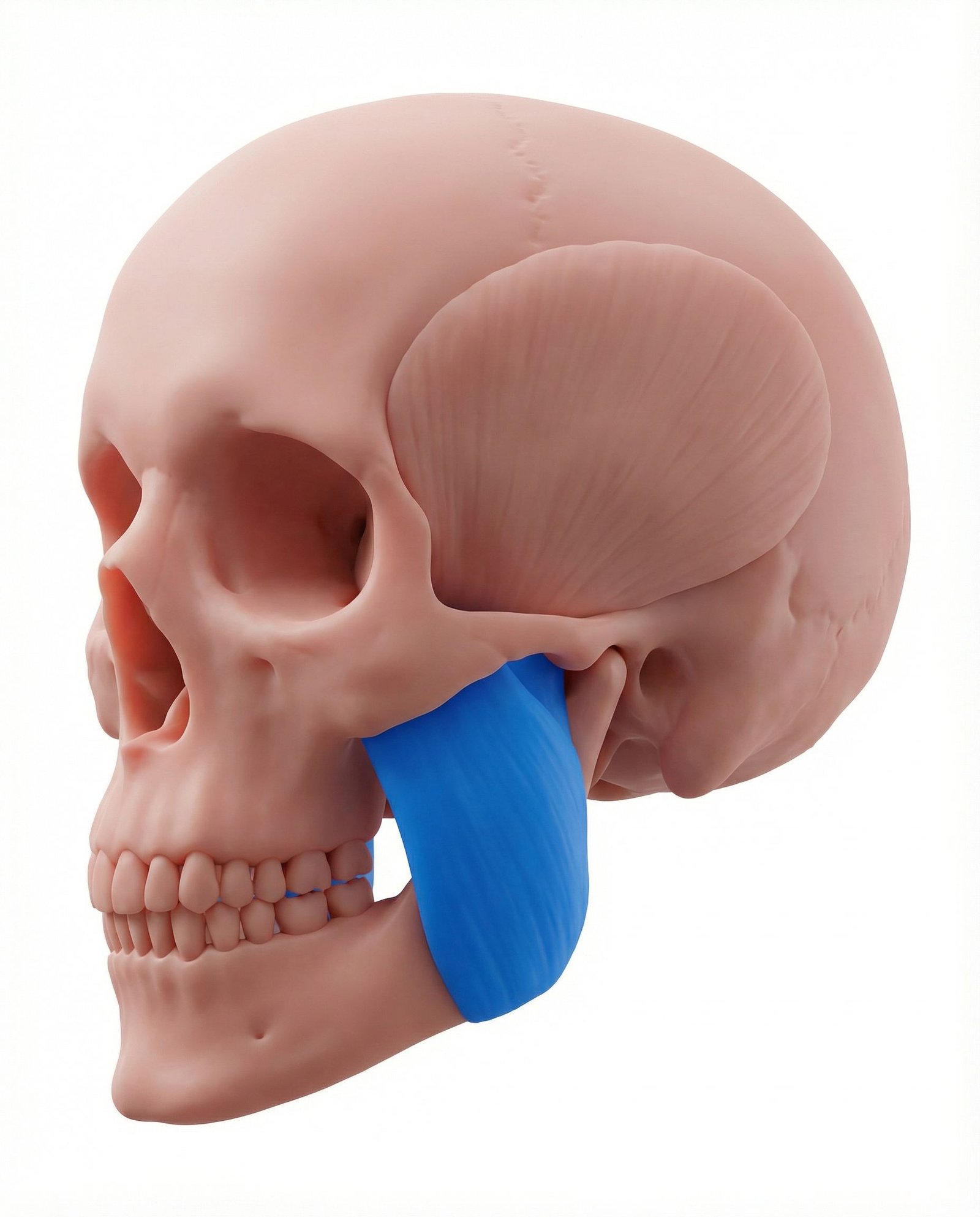
May contribute to deep aching in the cheek, upper jaw, lower jaw, and molar region, especially with clenching or biting. Upper and lower portions of the masseter can produce somewhat different referral patterns, which is one reason jaw pain may feel dental even when obvious dental pathology is absent.
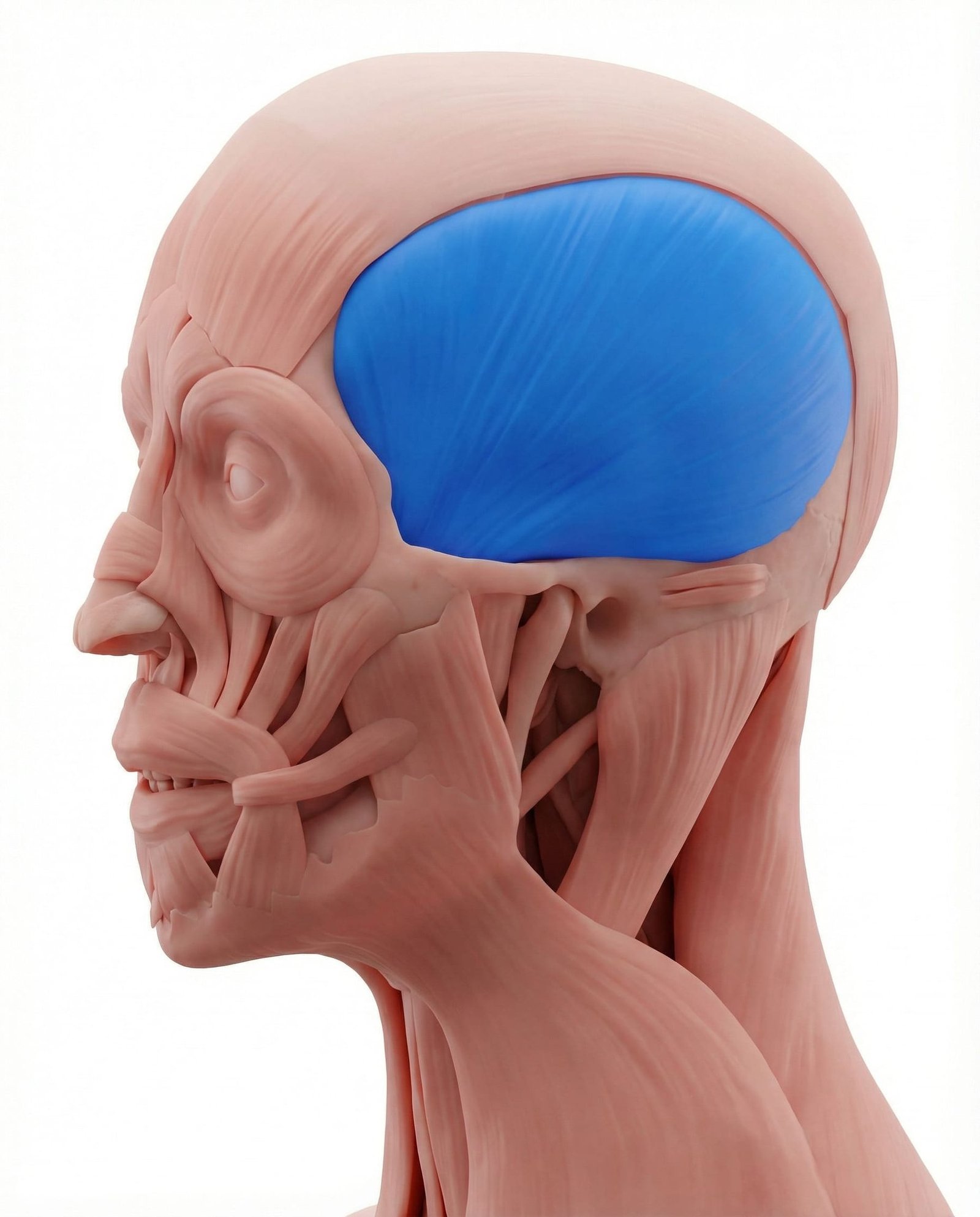
May contribute to temple pain, frontal headache, and upper-tooth referral patterns. Temporalis and masseter findings frequently coexist, so patients with jaw pain often need both muscles examined rather than one or the other.
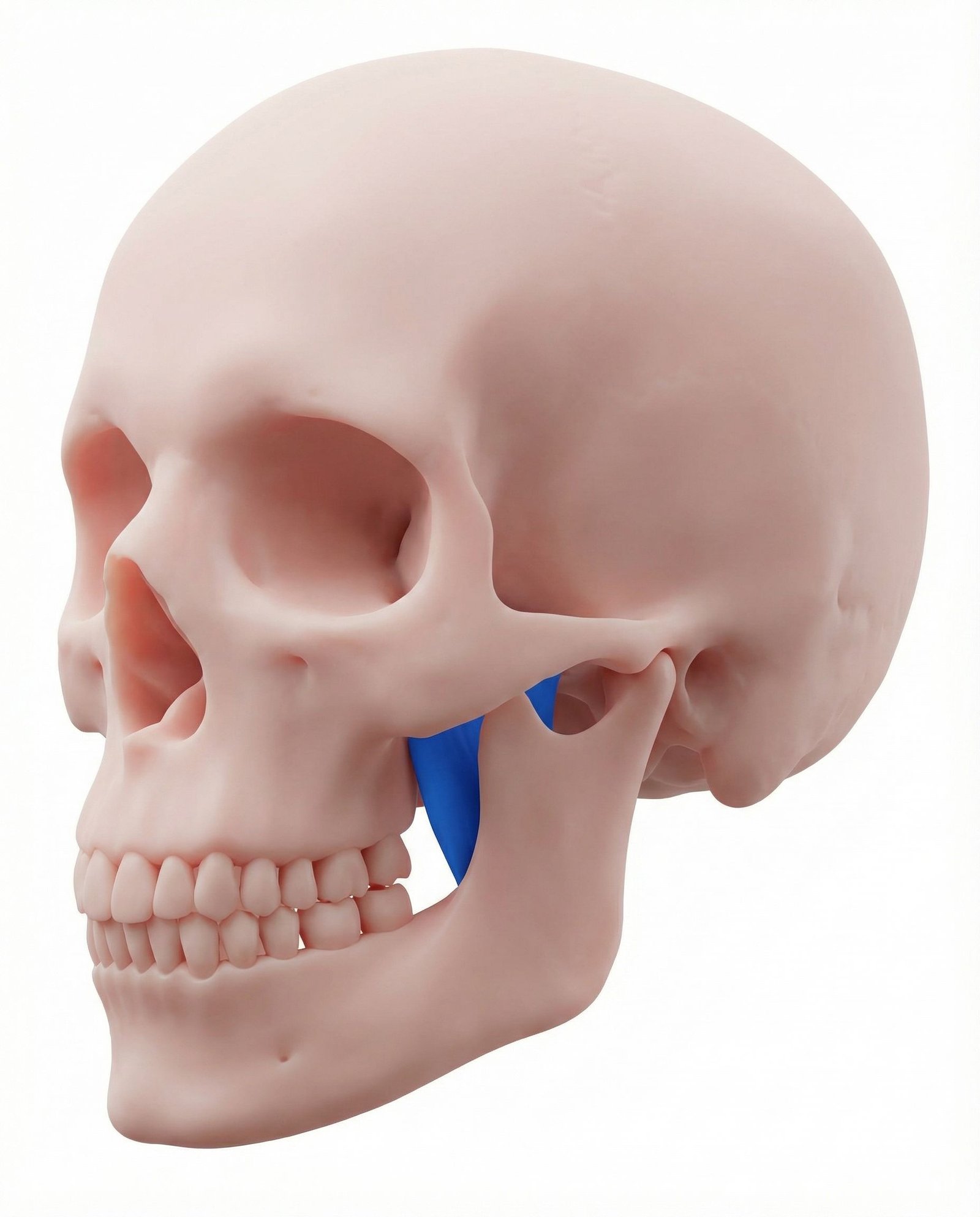
May contribute to deep jaw pain, throat discomfort, and a sense of fullness or pressure deeper in the jaw region. Because it is harder to assess externally, it is often considered when symptoms persist after more obvious superficial contributors have been addressed.
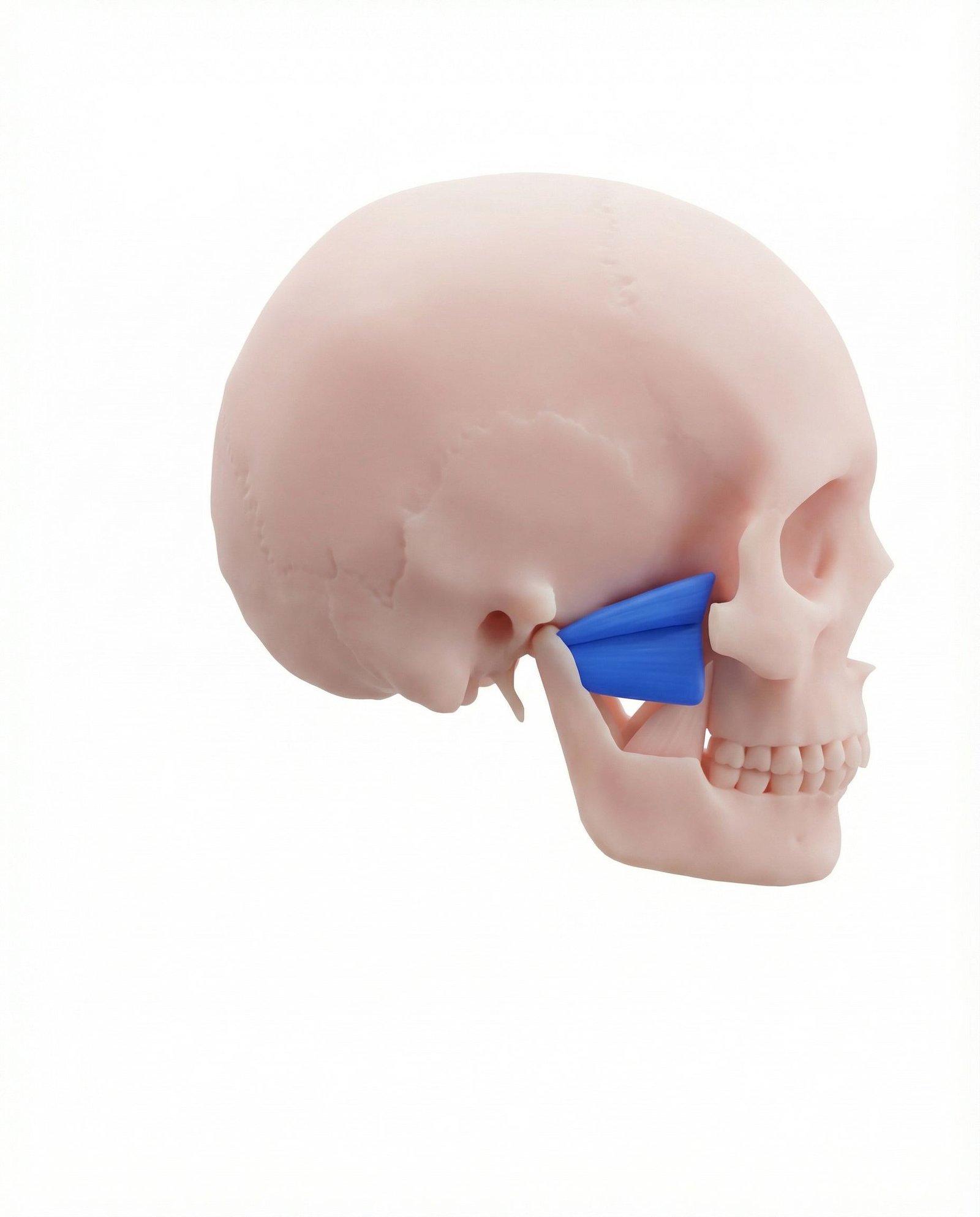
May contribute to preauricular pain, clicking, opening deviation, and TMJ-related discomfort. The lateral pterygoid is often discussed when joint mechanics and muscle findings overlap, but it should be considered as part of a broader TMJ assessment rather than a stand-alone explanation for every click.
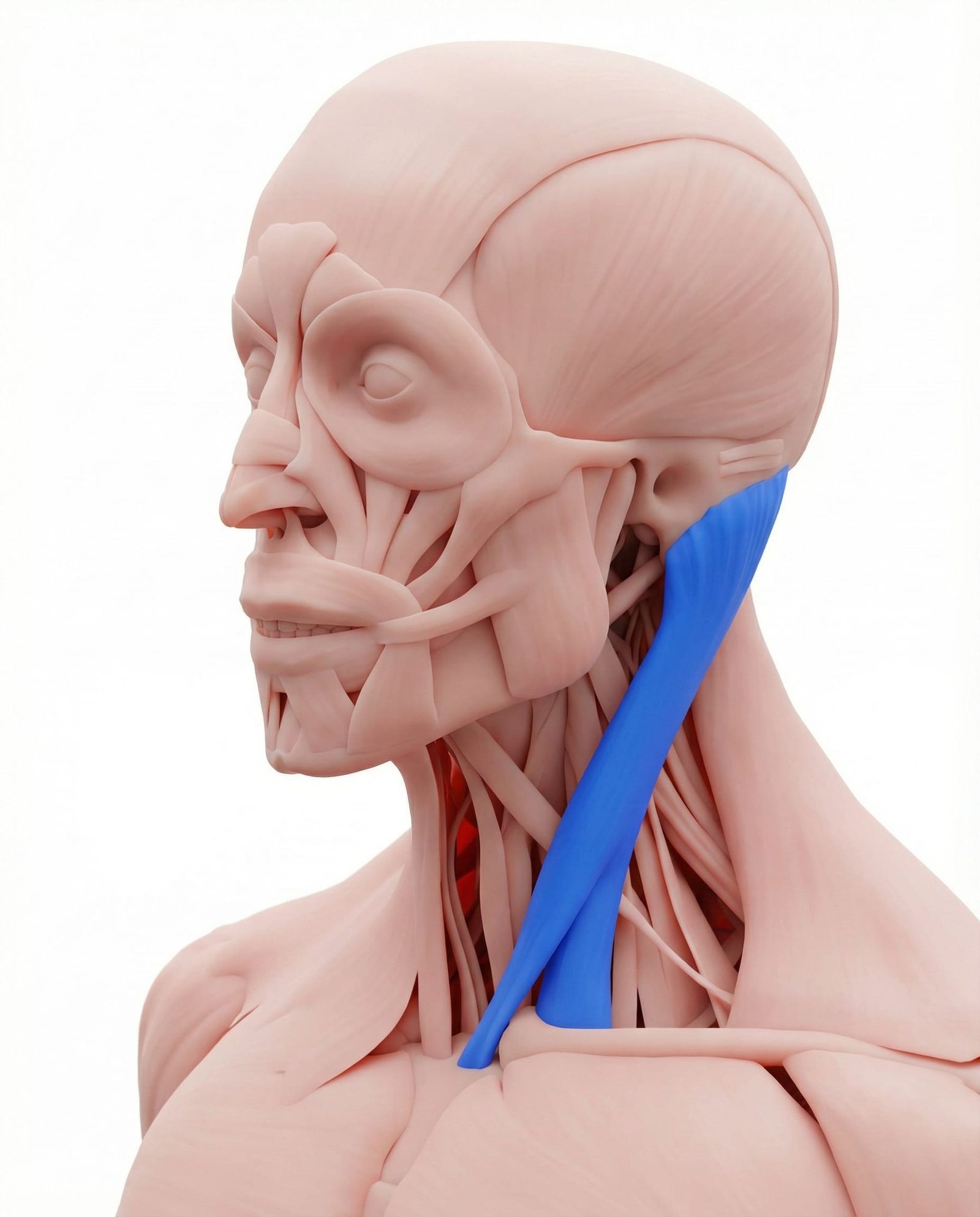
SCM can contribute to ear-region pain, forehead pain, and cheek discomfort. In jaw pain patients, it often acts as a co-contributor rather than a completely separate issue, especially when posture, stress, and bracing patterns are involved.
Referral Patterns: The Jaw Pain Signature
Masseter pain is often felt in the cheek, upper jaw, lower jaw, molar region, or near the angle of the jaw. Patients may describe a deep ache, pressure, or tooth-like discomfort that increases with clenching or chewing.
Deep ear-region or preauricular pain can also occur, especially when masseter, SCM, and pterygoid findings overlap. That is one reason normal otoscopy does not necessarily rule out a musculoskeletal source for “ear pain.”
When facial or tooth-region pain is consistently provoked by clenching or reproduced by jaw-muscle palpation, the masticatory muscles deserve serious attention.
Upper Jaw
Ear / TMJ
Temple
Clinical Assessment
These clinician examinations combine a jaw-related pain history, standardized familiar-pain assessment and a dental/joint differential. They do not establish a trigger-point cause from tenderness alone.
Jaw Opening and Familiar Pain
DC/TMD Opening Assessment
External Masseter Examination
DC/TMD Familiar-Pain Assessment
Dental and Joint Differential
Separate Myalgia From Tooth or TMJ Disease
Temporalis and Headache Assessment
Familiar Temple Pain in Clinical Context
Treatment Pathways
A useful plan restores comfortable eating and jaw movement while addressing relevant habits and pain-related distress. Persistent pain is not proof that clenching is the sole cause or that a stronger procedure is required.
Release & Self-Massage
Gentle manual release of the masseter can be useful because the muscle is relatively accessible. The goal is symptom reduction and improved movement tolerance, not aggressive compression.
- External masseter self-massage over the cheek and mandibular angle
- Keep self-contact external and comfortable; deep intraoral assessment is clinician-led
- Gentle jaw opening afterward to reassess comfort and range
- Avoid overly aggressive pressure that increases guarding or pain
- Stop pressure that causes spreading tingling, numbness or a lasting flare
Jaw Exercise & Mobility Protocol
Gentle movement and relaxation exercises may make jaw movement easier and reduce sustained clenching. They are most relevant when daytime clenching or guarded movement seems to aggravate symptoms; supervised jaw exercise has guideline support in chronic painful TMD.
- Controlled jaw opening with the tongue lightly on the palate when appropriate
- Gentle side-to-side movement practice within a comfortable range
- Low-load awareness drills for resting jaw position
- Simple movement retraining rather than repeated forceful stretching
- Habit-reversal strategies for daytime clenching
Specialist Options for Persistent Jaw Myalgia
An orofacial-pain assessment can distinguish masseter/temporalis myalgia from joint, dental and headache causes. Exercise, supported self-care and manual treatment remain central; procedure benefits are uncertain and should be reviewed against eating and opening goals.
- DN: in a 2026 sham-controlled trial of one masseter/anterior-temporalis session, 44 patients were randomized and 40 completed; pain was lower than with sham 10 minutes afterward, and lasting benefit was not tested (PMID 42512705)
- Shockwave: a 26-person TMD study found short-term pain and opening improvement (PMID 38685720); it does not establish a routine masseter-specific device protocol
- Botulinum toxin: a refractory-myalgia trial (32 randomized, 28 completed) favored toxin at 1 and 6 months, while a 66-person crossover trial found no clear pain advantage and reduced muscle performance (PMIDs 38378855 and 38963228)
- The 2023 BMJ chronic-TMD guideline (Busse et al.; PMID 38101929) conditionally recommends against routine toxin and trigger-point injection; persistent disabling myalgia may warrant individualized discussion of uncertain benefit and chewing weakness or facial change
- Bruxism alone is not a predictor of pain relief; review eating, comfortable opening and adverse effects before considering repeat treatment
Occlusal & Behavioral Management
When clenching, grinding or jaw bracing seem to aggravate pain, reducing these habits may help. Their role varies between people, and having a habit does not prove that it causes the pain.
- A dentist may consider an appliance for tooth protection; it is not a routine pain cure
- Daytime jaw relaxation training — teeth apart, lips together, tongue relaxed
- Stress and habit management for jaw clenching
- Dental review when occlusion or bite-related concerns are clinically relevant
- Sleep and recovery strategies when nighttime bruxism seems linked to fatigue or stress
Red Flags — When to See a Doctor
Most jaw and facial pain is musculoskeletal or dental, but some presentations need emergency care or urgent dental or medical evaluation before trigger point treatment is considered.
Key Takeaways
The masseter closes the jaw. Chewing or clenching may aggravate pain, but bruxism and painful TMD do not always occur together.
Masseter and temporalis referral can mimic dental pain, but that overlap should be framed as a clinical possibility — not as proof that dental pain is always muscular.
Daytime clenching and nighttime grinding may aggravate jaw pain in some people, but their role varies and neither proves the cause.
Jaw pain, TMJ pain, temple pain, and ear-region pain often involve more than one muscle, which is why a broader masticatory and cervical assessment is usually helpful.
For chronic painful TMD, guideline-supported care centers on education and self-management, supervised jaw exercise, manual therapy and psychological approaches; habit change and sleep review can be added when they fit the history.
True dental, inflammatory, neurological, and vascular red flags still need to be screened before settling on a purely myofascial explanation.