The Endometriosis-MPS Connection

Pelvic Pain Overlap
Endometriosis and Myofascial MechanismsEndometriosis is a chronic inflammatory condition in which endometrial-like tissue grows outside the uterus — on the ovaries, fallopian tubes, pelvic peritoneum, and in some cases the bowel, bladder, or diaphragm. Beyond the direct tissue effects of these lesions, endometriosis may also contribute to broader pain-system changes. Peripheral sensitization from chronic inflammation can lower the activation threshold of pelvic nociceptors, while central sensitization may amplify pain signals at the spinal cord and brain level. These changes can persist even when lesion burden alone does not fully explain the severity of symptoms.
Within this sensitized environment, the pelvic floor muscles — including levator ani, obturator internus, piriformis, coccygeus, and iliopsoas — may develop chronic guarding and hypertonicity. Sustained contraction, altered breathing, pain-avoidance postures, and reduced movement can then create the conditions for myofascial trigger point development. What begins as a protective response may become an additional pain generator in its own right.
The clinical result is often a condition within a condition. Endometriosis may contribute inflammatory and nociceptive drive, while pelvic myofascial pain syndrome adds mechanical, chemical, and neurological irritation through ongoing trigger point activity. Each can amplify the other: inflammation and sensitization lower the threshold for pelvic floor trigger points, while ongoing pelvic floor input may help sustain pelvic pain between cycles or after lesion-directed treatment.
Clinically, trying to separate endometriosis pain from pelvic MPS pain too rigidly is often less useful than recognizing that both may need treatment. Hormonal therapy, surgery, pelvic physiotherapy, pain education, and psychological support each address different parts of the same broader pain system. Omitting pelvic floor assessment from the care plan is one common reason symptoms remain only partly improved.
Pelvic Floor Muscles & Trigger Points
The pelvic floor is a layered group of muscles forming the base of the pelvis, responsible for continence, sexual function, and pelvic organ support. In endometriosis, several muscle groups are particularly prone to secondary trigger point development: the levator ani, obturator internus, piriformis, and iliopsoas. Each has a referral pattern that can overlap substantially with endometriosis symptoms and add to diagnostic confusion.
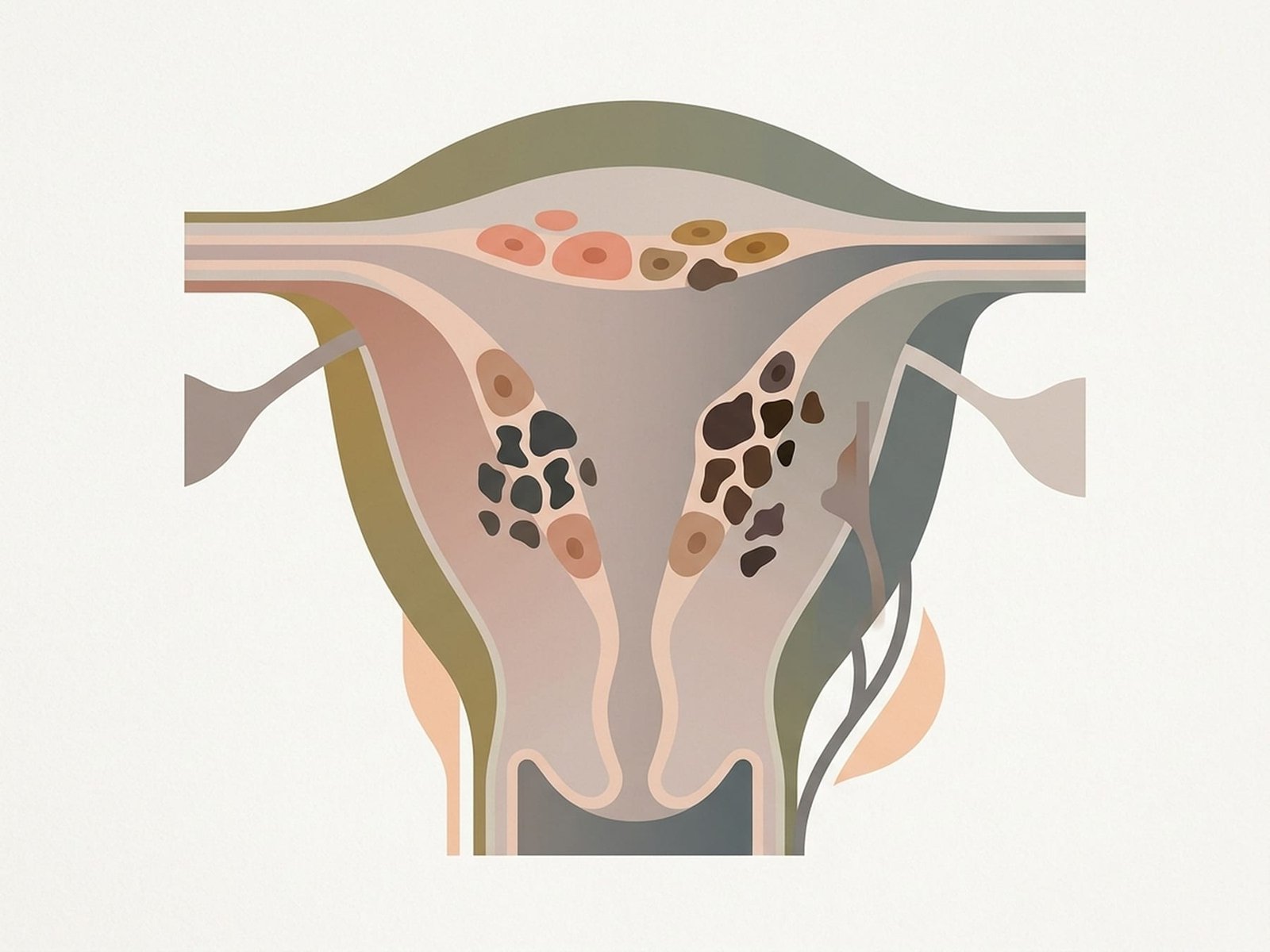
Pelvic Floor Anatomy and Trigger Point Locations
Endometriosis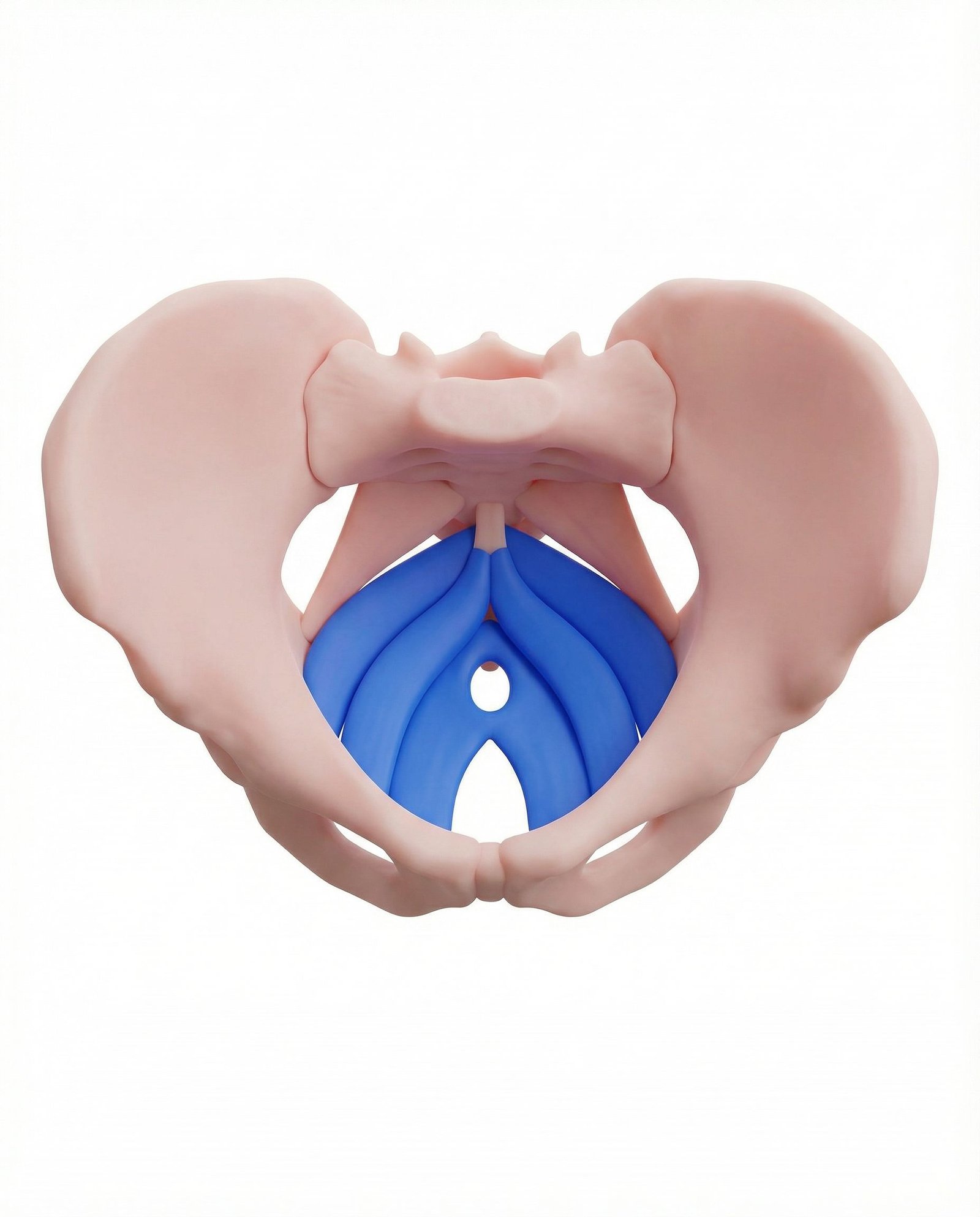
The levator ani forms much of the muscular support of the pelvic floor and is commonly hypertonic in women with chronic pelvic pain, including those with endometriosis. Trigger points in the pubococcygeus and iliococcygeus divisions may refer pain to the vagina, rectum, tailbone, and deep pelvis — patterns that can overlap substantially with endometriosis pain. Internal palpation often reveals marked tenderness in patients with pelvic pain, and reducing levator ani overactivity through pelvic physiotherapy can be important for dyspareunia, pelvic pressure, and persistent pelvic floor dysfunction.
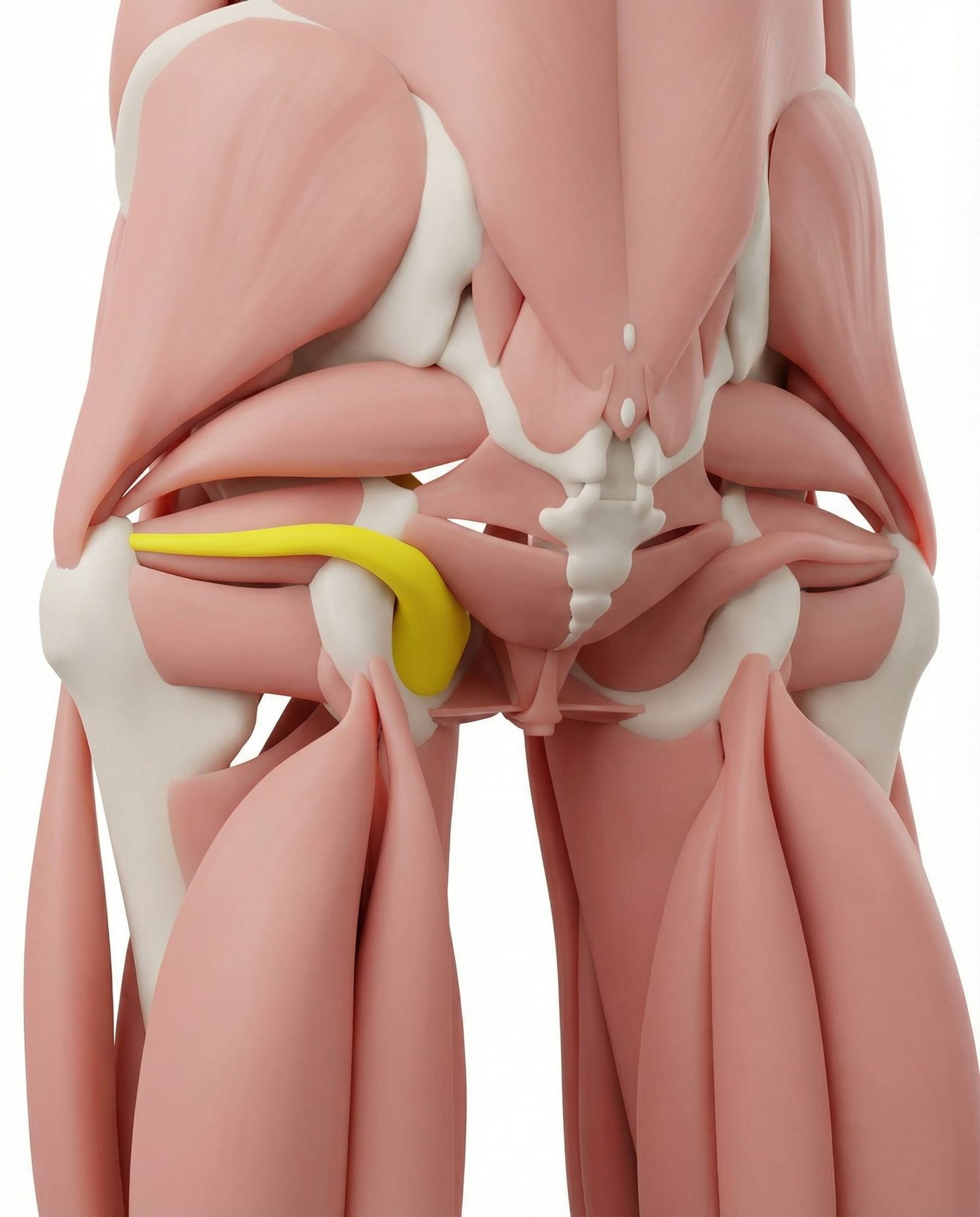
The obturator internus lines the lateral pelvic wall and is frequently overlooked as a pain generator. Trigger points may refer pain to the vagina, rectum, tailbone, and posterior thigh — a distribution that can resemble deep endometriosis-related pain or dyspareunia. In women with endometriosis, chronic pelvic pain and guarding may contribute to protective spasm of the obturator internus, creating a secondary pain cycle that persists even when active disease burden alone does not explain all symptoms. Internal and external assessment by a trained pelvic clinician is often required to evaluate it properly.
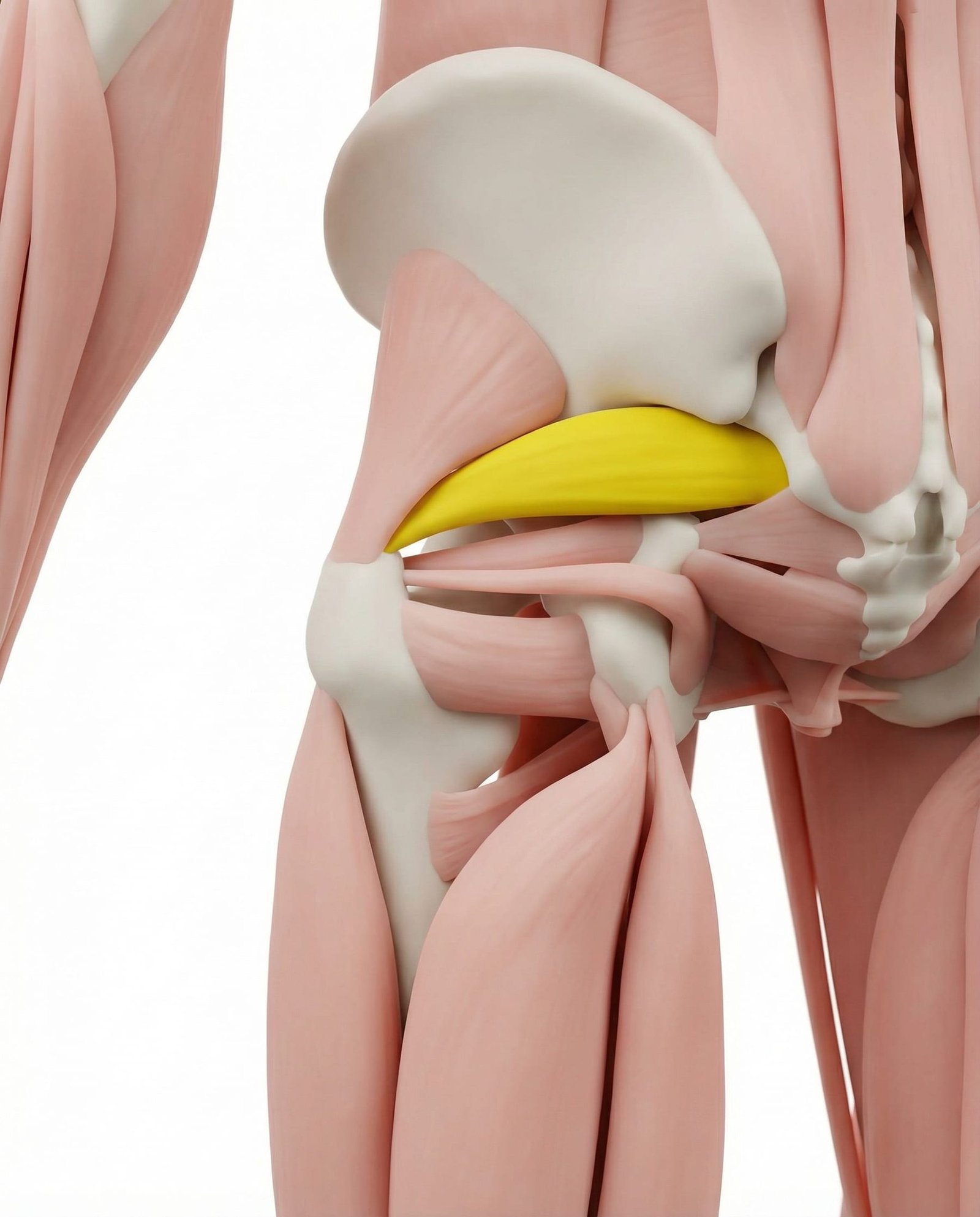
The piriformis passes near the sciatic notch and, when hypertonic or irritated, may contribute to buttock pain, posterior thigh referral, and in some patients pelvic or vulvar discomfort that is easily misattributed solely to endometriosis. Piriformis overactivity can develop from guarding, altered gait, and pain-avoidance postures. Stretching may help some patients, but many require a broader approach including trigger point treatment, load modification, and pelvic rehabilitation.
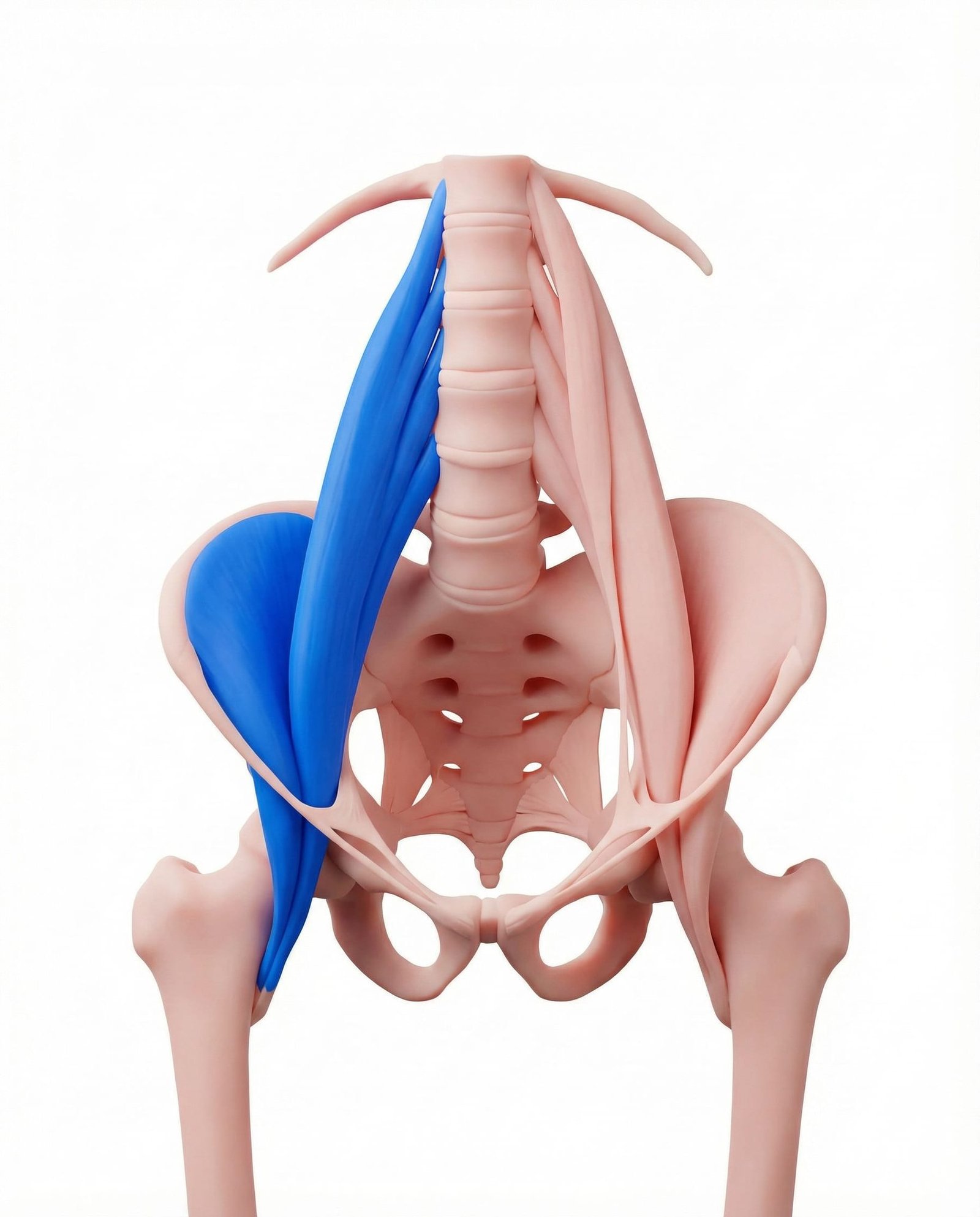
The iliopsoas spans from the lumbar spine to the lesser trochanter, and its trigger points may refer pain to the low back, groin, and anterior thigh — overlapping with some endometriosis pain patterns. Sustained hip-flexion postures adopted during pain flares may contribute to persistent shortening and trigger point activity. When iliopsoas dysfunction coexists with endometriosis, patients often report greater movement limitation, hip discomfort, and difficulty sitting or standing comfortably for long periods.
Referred Pain & Symptom Overlap
The concept of viscero-somatic convergence helps explain how endometriosis may contribute to pelvic floor dysfunction. Nociceptive input from pelvic viscera and endometriosis-related lesions converges at overlapping spinal segments with somatic pelvic structures. In that setting, pelvic floor muscles may become more reactive and protective, encouraging hypertonicity and trigger point formation.
The reverse pathway is also clinically important: established pelvic floor trigger points may maintain bladder, bowel, sexual, and pelvic pain symptoms even when active lesion burden is not the whole explanation. This helps explain why some women continue to report urgency, bowel discomfort, dyspareunia, or non-cyclic pelvic pain despite surgery or hormonal suppression.
Persistent pelvic pain in endometriosis is often not explained by lesions alone. Pelvic floor dysfunction and sensitization may be major parts of the same pain picture.
Frequent
Meaningful
Shared Segments
Assessment & Diagnosis
Accurate diagnosis of the endometriosis-MPS overlap usually requires a multi-modal assessment that evaluates both the structural endometriosis component and the neuromuscular pelvic floor component. No single test is sufficient on its own — combining internal pelvic assessment, pain mapping, allodynia testing, and gynecologic evaluation provides a more complete picture.
Cotton Swab Test
Internal Pelvic Assessment
Pain Provocation Mapping
Diagnostic Laparoscopy + Pelvic Ultrasound
Integrated Treatment Approach
Effective treatment of the endometriosis-MPS overlap often requires simultaneous attention to three interacting targets: the endometriosis lesions themselves, the pelvic floor myofascial component, and the broader sensitization and distress that may connect and amplify both. Single-modality treatment often produces only partial relief.

Integrated Treatment Approach
Endometriosis and Pelvic MPSPelvic Physiotherapy
One of the most evidence-supported non-surgical interventions for pelvic floor dysfunction and myofascial pelvic pain in endometriosis. A specialized pelvic physiotherapist can address internal and external trigger points, pelvic floor overactivity, breathing patterns, and movement strategies — targeting symptoms that hormonal and surgical treatments often do not fully resolve.
- Internal vaginal trigger point release: sustained pressure or graded release to levator ani, obturator internus, and related pelvic floor trigger points when appropriate
- Pelvic floor downtraining: diaphragmatic breathing, progressive relaxation, and neuromuscular re-education to reduce chronic hypertonicity
- External soft tissue treatment: piriformis, iliopsoas, hip adductors, abdominal wall, and post-surgical scar-related restrictions when relevant
- Vaginal dilator training for vestibulodynia and dyspareunia when indicated, combined with relaxation rather than forceful progression
- Patient education: pacing, pain neuroscience, symptom tracking, and practical self-management strategies
Medical Management
Hormonal and pharmacological therapies target the inflammatory and cyclical endometriosis component, and in some patients they also reduce the ongoing nociceptive drive that perpetuates pelvic floor guarding. In practice, medical management often works best when combined with pelvic rehabilitation rather than used alone.
- Combined oral contraceptive pill (COCP): commonly used first-line hormonal suppression for dysmenorrhea and cyclic endometriosis pain
- Progestin-only therapy (for example dienogest, norethisterone, levonorgestrel IUD): commonly used alternatives depending on patient goals and tolerability
- GnRH analogues with add-back therapy: considered in selected refractory cases under specialist supervision
- NSAIDs (ibuprofen, naproxen): useful for acute menstrual pain, though effect is often incomplete in more complex pelvic pain states
- Low-dose naltrexone (off-label): sometimes discussed in chronic pain and central sensitization contexts, but evidence in endometriosis-pelvic MPS overlap remains early
Minimally Invasive Surgery
Laparoscopic treatment can reduce the peripheral biological drivers of pain in selected patients with endometriosis, especially when lesions are clearly contributing to symptoms. However, surgery does not automatically resolve established pelvic floor dysfunction, central sensitization, or secondary myofascial pain.
- Laparoscopic excision or other specialist surgical management may be appropriate depending on disease extent, symptoms, and fertility goals
- Deep infiltrating endometriosis involving bowel, bladder, or ureter often requires multidisciplinary surgical planning
- Endometrioma surgery may require balancing symptom relief with preservation of ovarian tissue and future fertility considerations
- Pre- and post-surgical pelvic physiotherapy may improve function and reduce persistent pelvic floor overactivity around the surgical period
- Realistic expectations matter: surgery may reduce one important driver of pain, but additional treatment is often needed for pelvic floor dysfunction and pain sensitization
Pain Psychology
When central sensitization, fear, dyspareunia, pain catastrophizing, sleep disruption, or treatment frustration are part of the picture, pain-focused psychological care can be an important component of treatment. This does not replace gynecologic or physical treatment; it broadens the care model.
- Pain reprocessing and pain-focused cognitive approaches may help some patients reinterpret persistent pain signals more accurately
- Acceptance and Commitment Therapy (ACT): may improve psychological flexibility and reduce pain-related avoidance
- Mindfulness-based stress reduction (MBSR): may reduce distress and improve quality of life in some chronic pelvic pain patients
- Cognitive Behavioral Therapy (CBT): useful for fear-avoidance, insomnia, depression, and the broader burden of persistent pelvic pain
- Pelvic floor biofeedback: may help selected patients learn relaxation strategies when manual treatment alone is insufficient
Viscero-Somatic Convergence
Pelvic lesion pain and pelvic floor inputs can converge on overlapping spinal segments, encouraging protective muscle overactivity.
Central Sensitization
Persistent inflammation and repeated pain input may lower thresholds and amplify both visceral and somatic pelvic pain.
Somato-Visceral Effects
Established pelvic floor trigger points may help perpetuate bladder, bowel, sexual, and pelvic symptoms even when lesion burden is not the sole driver.
Protective Guarding
Pelvic floor muscles may remain chronically overactive in response to pain, breathing changes, and movement avoidance.
Red Flags — When to See a Doctor
The following presentations warrant prompt medical evaluation. Not all red flags are emergencies, but they do signal the need for faster reassessment rather than routine follow-up alone.
Endometriosis and pelvic myofascial pain syndrome are distinct conditions, but they often reinforce each other clinically. Chronic endometriosis-related pain may contribute to pelvic floor guarding and secondary trigger point formation, while pelvic floor dysfunction may perpetuate pain even when endometriosis treatment is otherwise appropriate.
A substantial proportion of women with endometriosis also appear to have pelvic floor tenderness, hypertonicity, or trigger point activity, yet this component is still under-assessed in routine care.
Long diagnostic delays in endometriosis increase the chance that pelvic floor dysfunction, pain sensitization, sexual pain, and functional avoidance become established — which is why multimodal treatment is often necessary.
Pain severity in endometriosis does not reliably track lesion severity. Pelvic floor dysfunction, sensitization, and psychosocial burden may all influence symptom intensity independently of surgical staging.
Treating endometriosis without addressing coexisting pelvic floor dysfunction often leaves residual pain. Durable improvement is more likely when endometriosis care and pelvic rehabilitation are integrated rather than separated.