Understanding Invisible Pain
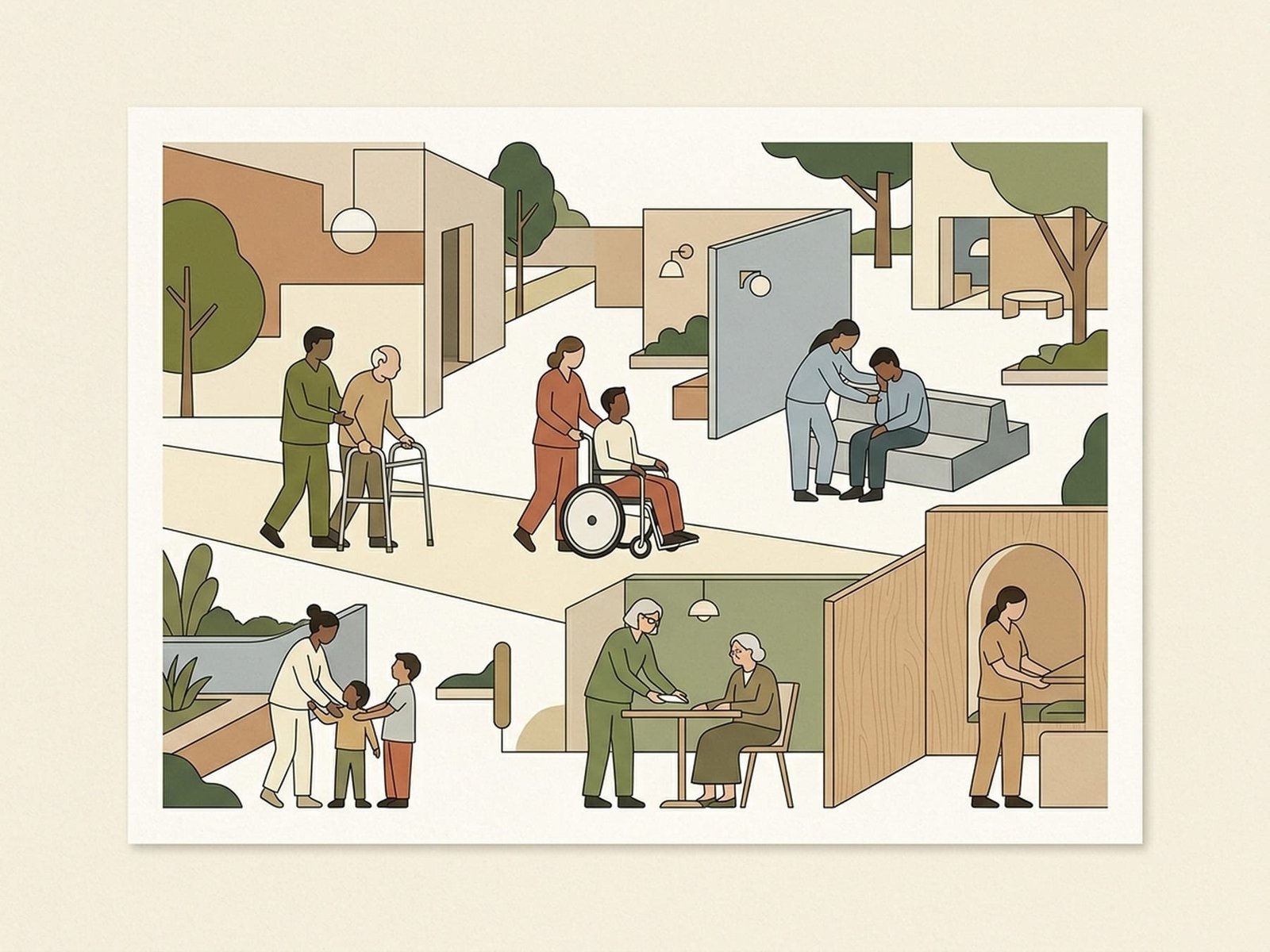
Caregivers Family
Overview IllustrationWhen you look at your loved one, you may see someone who appears outwardly fine. They may be dressed, working, smiling, or trying to function normally. But their internal experience may be very different from what is visible. This gap between appearance and reality is one of the central difficulties of invisible pain conditions.
Myofascial pain syndrome often leaves no cast, wound, or obvious medical image that family members can point to. Standard blood tests and imaging may be unrevealing. That does not mean the condition is minor; it means the suffering is harder to verify from the outside.
Living with someone in chronic pain can change the whole family dynamic — understanding that reality is often the first step toward more effective support.
Supporting someone with invisible pain often requires learning to trust what they tell you rather than what you can easily observe. That is not blind faith. It is an informed form of compassion based on understanding that serious pain and functional limitation can exist even when standard tests are normal.
The Spoon Theory
A common chronic-illness metaphor: imagine starting each day with a limited number of "spoons," each representing a unit of energy. Every task — showering, working, driving, socializing, parenting — costs spoons. A person with chronic pain often starts the day with fewer spoons and must make careful choices about where to spend them. This model helps explain why seemingly small activities can have a real cumulative cost.
What They May Be Experiencing
To support someone well, it helps to understand that pain is only one part of the experience. Fatigue, brain fog, stress, social withdrawal, grief, and discouragement often travel with chronic pain even when they are not discussed openly.
How to Help (And What to Avoid)
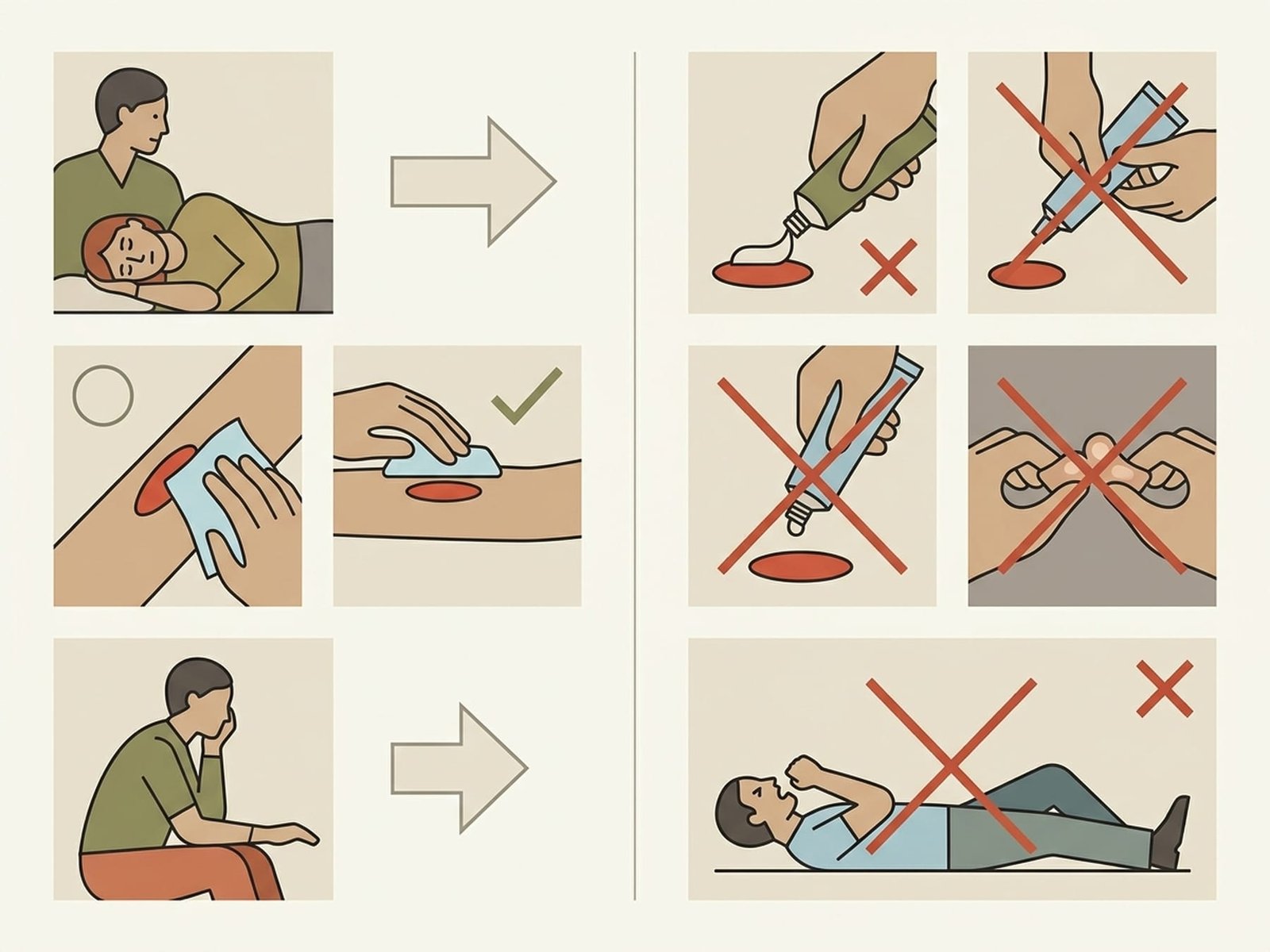
How to Help (And What to Avoid)
Step-by-Step IllustrationThe difference between helpful and unhelpful support is often the difference between intention and impact. Many painful comments come from good intentions. The goal here is not blame — it is learning what actually helps and what tends to make chronic pain feel lonelier or heavier.
Helpful
Believe them
Their pain is real, even when you cannot see it. Validation is one of the most powerful and stabilizing forms of support.
Learn about the condition
Take time to understand what myofascial pain syndrome is, how trigger points behave, and why symptoms can fluctuate. Your effort to learn communicates respect and care.
Accompany them to appointments
Having another person present can help with note-taking, questions, recall, and emotional support — especially when pain or cognitive fog is high.
Help with practical tasks on bad days
Cooking, shopping, childcare, transportation, or handling small logistics can meaningfully reduce stress during a flare-up.
Be patient with cancellations
When they cancel plans, try to understand that it is usually about pain or energy limits, not about how much they value the activity or your company.
Ask "How are you today?" not "Are you better yet?"
The first question leaves room for fluctuation. The second can unintentionally imply that recovery should be quick, linear, or already complete.
Offer specific help, not generic help
Specific offers such as "I am going to the store — what can I bring you?" are often easier to accept than open-ended offers that require them to plan and ask.
Respect their limits without judgment
If they need to sit, rest, leave early, or change plans, support that decision without making them feel dramatic, inconvenient, or guilty.
Not Helpful
"You just need to exercise more"
Movement can be helpful, but this oversimplifies a condition that often requires pacing, symptom awareness, and appropriate guidance rather than brute-force activity.
"Have you tried yoga / essential oils / a special diet?"
Unsolicited suggestions can sound like "you just have not found the obvious fix yet." Many people with chronic pain have already explored numerous approaches.
"It is probably just stress"
Stress can influence pain, but reducing the condition to stress alone can feel dismissive of the physical reality of muscular pain and trigger points.
Comparing their pain to yours
Even kind comparisons such as "my back hurts too sometimes" can feel minimizing when the other person is living with persistent, disruptive symptoms every day.
Showing frustration with their limitations
Visible irritation about cancellations, accommodations, or slower pacing often increases guilt and shame in someone who is already struggling.
Pushing too hard to "cheer them up"
Encouragement can help, but forced positivity can also feel invalidating. Sometimes the most supportive response is to acknowledge that this is genuinely hard.
"You do not look sick"
Invisible illness is still illness. Many people with chronic pain become highly skilled at masking how much effort basic functioning is costing them.
Making their condition about you
Your experience matters too, but during their flare-up is usually not the time to center your frustration, disappointment, or helplessness unless you are seeking support elsewhere.
Supporting Their Treatment Journey

Supporting Their Treatment Journey
Stage Progression DiagramThe treatment path for myofascial pain is often slow, non-linear, and sometimes frustrating. Families can make a meaningful difference by supporting consistency, realistic expectations, and calmer responses to setbacks.
Help Them Find a Knowledgeable Practitioner
Many clinicians have limited specific training in myofascial pain syndrome. It can help to look for practitioners who mention trigger point therapy, dry needling, manual therapy, or myofascial pain management in their areas of interest.
Practical Tips
- Search for practitioners who mention trigger points or myofascial pain on their website
- Ask about their experience with myofascial pain syndrome during initial calls or intake
- Look for clinicians who perform a hands-on assessment when relevant
- If local options are limited, it may be reasonable to travel for a stronger evaluation when feasible
Support Consistency with Home Exercises
Home exercise or self-care routines are often important in myofascial pain management, but staying consistent can be difficult when pain and fatigue are high. Supportive structure can help.
Practical Tips
- Offer to do gentle stretching or movement routines together if that feels supportive
- Help create a calm, practical space for home exercises and self-care
- Use encouragement rather than pressure — tone matters
- Celebrate consistency and effort, not only visible improvement
Understand That Recovery Is Not Linear
Recovery from persistent myofascial pain is often uneven. Good weeks may be followed by setbacks, and flare-ups do not necessarily mean the overall plan has failed.
Practical Tips
- Try to judge progress over weeks to months rather than day to day
- Avoid framing bad days as evidence that they did something wrong
- Setbacks are often part of recovery rather than proof of starting over
- When possible, help them keep perspective by noticing longer-term improvements
Help Manage Flare-Ups
Flare-ups are periods of increased pain and reduced function. A calm, practical plan prepared in advance can reduce stress when they happen.
Practical Tips
- Create a simple flare-up plan together: what helps, what to avoid, who to contact, and when to seek medical attention
- Keep practical supplies accessible: heat, ice, comfort items, medications, easy food, and other basics
- During a flare-up, taking over a few routine tasks can reduce strain without making them feel they must ask for every small thing
- Often the most helpful response is steady presence rather than trying to solve everything immediately
Taking Care of Yourself
You have probably heard the oxygen mask metaphor: you secure your own first so that you can keep helping. Caregiving works the same way. If you run yourself down completely, both of you eventually pay the price.
Caregiver strain is not a moral failure. It is a predictable consequence of carrying ongoing concern, responsibility, and emotional labor. Looking after yourself is part of the job, not evidence that you care less.
Recognizing Caregiver Burnout
Caregiver burnout is not a sign that you do not care enough. It is a predictable response to sustained emotional labor, uncertainty, and repeated overextension.
Warning Signs
- Persistent exhaustion that does not improve much with ordinary rest
- Growing resentment followed by guilt about feeling resentful
- Withdrawal from your own hobbies, friendships, or routines
- Physical symptoms such as headaches, sleep disruption, digestive issues, or chronic tension
- Feeling emotionally numb or simply going through the motions
- Increased irritability, impatience, or reduced empathy because your reserves are low
Setting Boundaries with Compassion
Boundaries are not abandonment. They are part of sustainable caregiving. Without limits, exhaustion and resentment often grow in ways that eventually harm both people.
Key Points
- It is acceptable to say "I need some time to myself today" without apologizing for existing
- You can love someone deeply and still recognize that you cannot meet every need alone
- Having limits does not mean you care less — it means you are trying to care sustainably
- Clear, kind language helps: "I want to support you, and I also need to take care of myself so I can keep doing that well"
- Boundaries may need to change over time, and that is normal
- Your loved one may need time to adjust to your boundaries, especially if they already feel guilty about needing help
Maintaining Your Own Life
Your identity matters independently of your caregiving role. Protecting your own life is not selfish; it is part of remaining stable, healthy, and present in the relationship.
Key Points
- Keep your own interests, hobbies, and social connections active when possible
- Maintain your own medical care, exercise, and sleep habits
- Allow yourself to experience joy without feeling that it betrays their suffering
- Try not to freeze your entire future while the condition is unfolding
- Spend time with people who support you and allow you to be a whole person, not only a caregiver
- Remember that caregiving is part of your life, not the total definition of who you are
When You Need Help
Needing support for yourself is normal. It often makes caregiving more sustainable, not less.
Key Points
- Therapy or counseling can provide a place to process fear, grief, resentment, exhaustion, and guilt without unloading all of that onto your loved one
- Caregiver support groups can reduce isolation and normalize what you are feeling
- Respite support from relatives, friends, or professionals can create necessary breathing room
- If you notice your own depression or anxiety growing, seek help early rather than waiting for collapse
- Online groups and digital communities may help when in-person support is not available
- Couples or family therapy can sometimes improve communication and reduce conflict created by chronic pain stress
Children & Parents with Myofascial Pain
Children usually notice more than adults assume. Changes in mood, energy, routine, and availability often register even when a parent says very little. Age-appropriate honesty is usually less frightening than silence or vague avoidance.
The goal is not to burden children with adult worries. It is to help them understand what is happening, reassure them that they are safe, and reduce the chance that they quietly fill in the gaps with self-blame or fear.
Ages 3-6
Use simple, concrete language and reassurance
What to Say
"Mommy/Daddy has sore muscles that can hurt more on some days and less on others."
"When I need to rest, it is not because I do not want to play with you. My body needs quiet time to feel better."
"You did not cause this, and it is not your job to fix it. But your hugs and kindness still matter to me."
Practical Tips
- Keep routines as consistent as possible because predictability helps children feel secure
- A simple visual system such as green/yellow/red days can help young children understand energy and pain changes
- Have a quiet activity they can do near you when you need rest so they still feel connected
- Reassure them often that the pain is not their fault and is not contagious
Ages 7-12
Provide more detail and invite questions
What to Say
"I have a condition called myofascial pain syndrome. It means some muscles stay tight and painful, and doctors are helping me manage it."
"Some days I can do more and some days I need to do less. That does not always mean I am getting worse — it is just how this condition can behave."
"It is okay for you to feel confused, sad, or frustrated about this. We can talk about it whenever you want."
Practical Tips
- Answer questions honestly at an age-appropriate level
- Let them help with small, bounded tasks if that gives them a sense of contribution without burdening them
- Watch for behavioral changes that may signal worry they are not expressing directly
- Reassure them that the family is still stable and that adults are handling the bigger decisions
Ages 13-18
Be more transparent and acknowledge the impact on them
What to Say
"My condition is called myofascial pain syndrome, or MPS. It is a real physical pain condition involving chronic muscle pain and trigger points."
"I know this affects you too, and your feelings about that are valid. I want us to be able to talk honestly without either of us having to pretend it is easy."
"I do not expect you to become my caregiver. Your job is still to be a teenager, build your own life, and tell me when this situation is affecting you."
Practical Tips
- Acknowledge that teenagers may feel embarrassed, frustrated, or overburdened without making them feel guilty for those reactions
- Watch for parentification — teens should not quietly become the default emotional or practical caregiver
- Encourage them to maintain their own plans, friendships, and activities
- Consider family therapy if tension, role confusion, or emotional strain is becoming significant
Maintaining Family Routines
Children usually do better with predictability. Even when a parent’s pain is unpredictable, consistent routines around meals, homework, bedtime, and family expectations can provide a sense of safety. When a flare-up disrupts the usual plan, a backup routine can help the day feel flexible rather than chaotic.
Communication Scripts
These scripts are not meant to be memorized word for word. They are examples of tone and structure: validating, clear, boundaried, and calm. Adjust them to your own voice and situation.
Advocating at Medical Appointments
When a practitioner seems dismissive
"I understand the imaging is normal, but the symptoms are clearly affecting daily function. Could we also consider whether myofascial trigger points or a muscular pain pattern may be part of the picture?"
Requesting a referral
"We would appreciate a referral to a clinician with experience in musculoskeletal pain, manual assessment, or trigger point-related treatment if that seems appropriate."
When distress is emphasized more than physical symptoms
"We agree that stress and mood matter, and we are open to addressing those. We also want to make sure the physical pain pattern is being evaluated carefully rather than assuming it is only psychological."
Explaining to Friends and Extended Family
When someone questions the diagnosis
"Myofascial pain syndrome is a recognized musculoskeletal pain condition. It often does not show up on standard imaging, which is one reason it is easily misunderstood. The pain is real even though it is not obvious from the outside."
When explaining cancellations
"The condition can flare unpredictably. When plans change, it is usually because pain or fatigue became unmanageable that day, not because the invitation was unimportant."
When someone offers unsolicited advice
"Thank you for wanting to help. They are already working through treatment options, so what helps most right now is patience and understanding."
Talking to Employers
Requesting workplace accommodations
"My family member has a chronic pain condition that can occasionally require flexibility. They want to keep meeting their responsibilities, and we are hoping to find accommodations that support both health and work performance."
Explaining absences
"The condition can involve unpredictable flare-ups that temporarily affect function. With appropriate flexibility or accommodations, they are often better able to remain consistent over time."
When they face skepticism at work
"This is a recognized chronic pain condition, and we would appreciate working together on reasonable accommodations rather than assuming the symptoms are minor or voluntary."
Talking to Your Loved One During Hard Moments
During a flare-up
"I am here. I can see this is a hard moment. What would help most right now — quiet company, help getting something, or some space?"
When they express hopelessness
"I hear how overwhelmed you feel right now. You do not have to solve the whole future tonight. We can just get through this part together first."
When they feel guilty about their limitations
"You are not a burden. This situation is hard, but needing help does not make you less valuable or less loved."
Important Reminder
These scripts are meant to support advocacy and clarity, not confrontation. The goal is usually to improve understanding, not to win an argument. If a conversation becomes heated or unproductive, it is reasonable to pause and return later.
Key Takeaways
Invisible Does Not Mean Imaginary
Myofascial pain often leaves no obvious visual evidence. The absence of visible signs does not make the suffering less real.
Your Presence Often Matters More Than Your Solutions
You may not be able to fix the pain, but patient, steady, validating support can reduce loneliness and stress in a profound way.
Caregiver Burnout Is Real
Protecting your own energy, health, and boundaries is part of good caregiving, not a betrayal of it.
Recovery Is Often Uneven
Progress with chronic pain is usually measured over longer stretches of time. Flare-ups and setbacks do not automatically erase improvement.
Communication Changes the Experience
Learning how to talk about pain, limits, appointments, cancellations, and support needs can reduce conflict and make the condition easier to navigate together.
You Do Not Have to Do This Alone
Support groups, therapy, education, family help, and clinical guidance can all make caregiving more sustainable.
Continue Learning
What Is MPS?
Understanding the condition your loved one is living with — trigger points, referred pain, and why standard tests may be unrevealing.
Stress-Pain Connection
How emotional stress and physical pain can reinforce each other, and why stress management can matter in chronic pain care.
Flare-Up Survival Guide
A practical guide to managing pain flare-ups and planning support for harder days.