Self-Care
At-home protocols — what works, what is safe, and when to seek professional care.
Treatment
Self-Care & Lifestyle
Daily self-management strategies — ergonomics, sleep optimization, stress reduction, nutrition, and home tools for living well with myofascial pain.
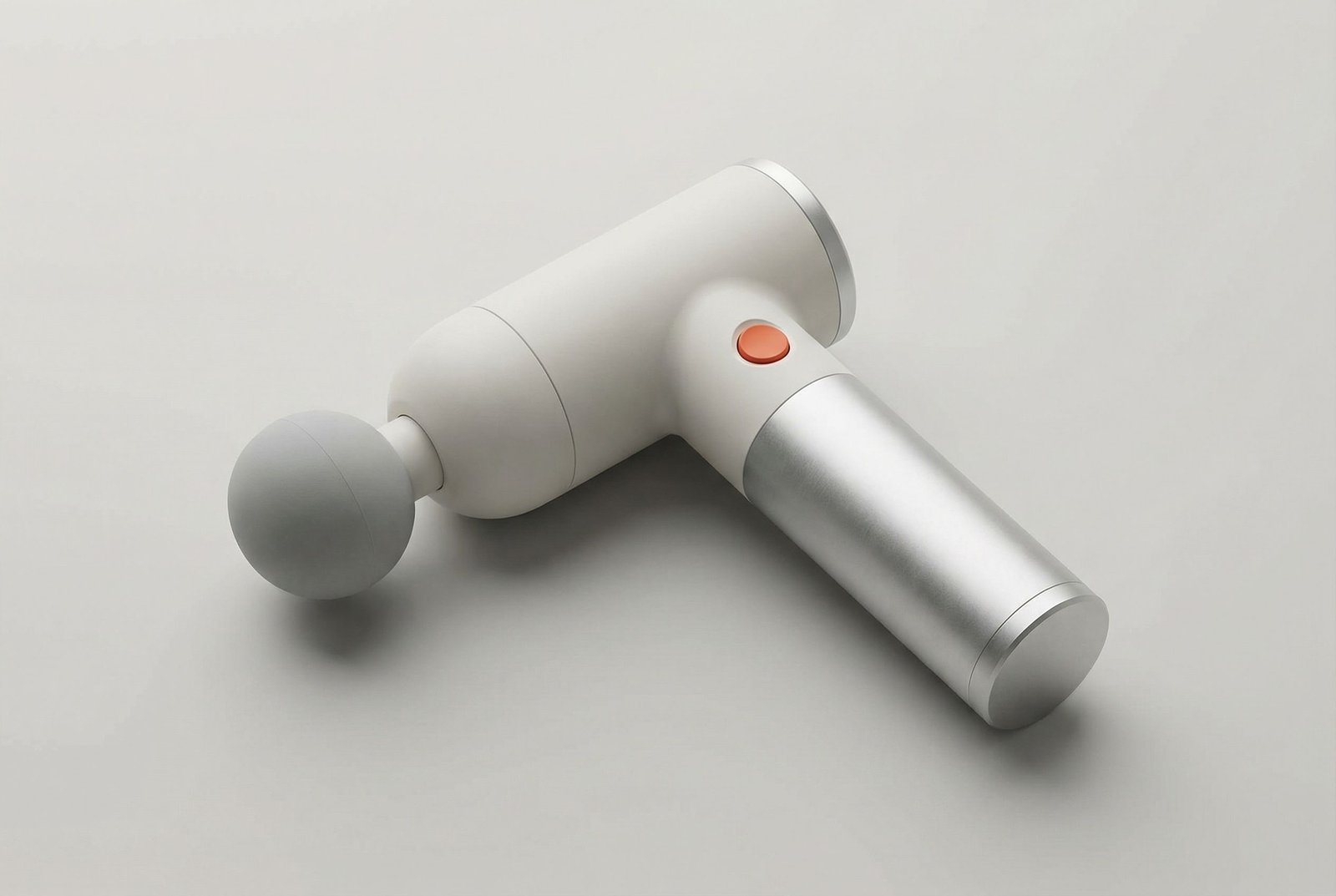
At-Home Management & Self-Care
Self-massage techniques, foam rolling, heat/cold therapy, stretching, ergonomics, sleep hygiene, and lifestyle modifications.

Self-Assessment Tool
Interactive guided questionnaire: Does your pain travel? Does pressing reproduce it? Get your likely muscle source and learn when to seek professional care.
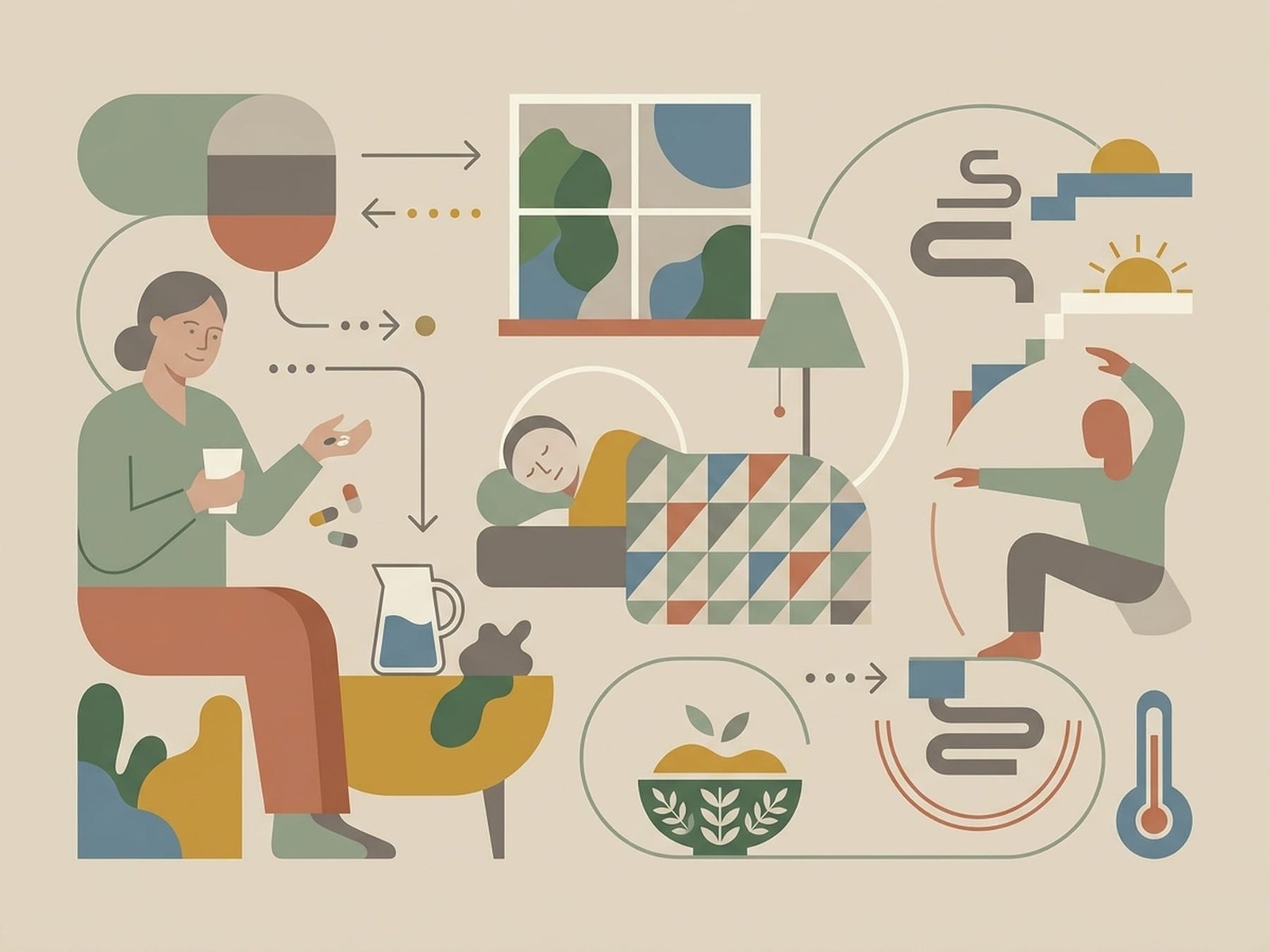
Home Protocol Generator
Select your trigger point and get a customized home plan — specific stretches, strengthening exercises, self-release techniques, and heat vs cold guidance per muscle.
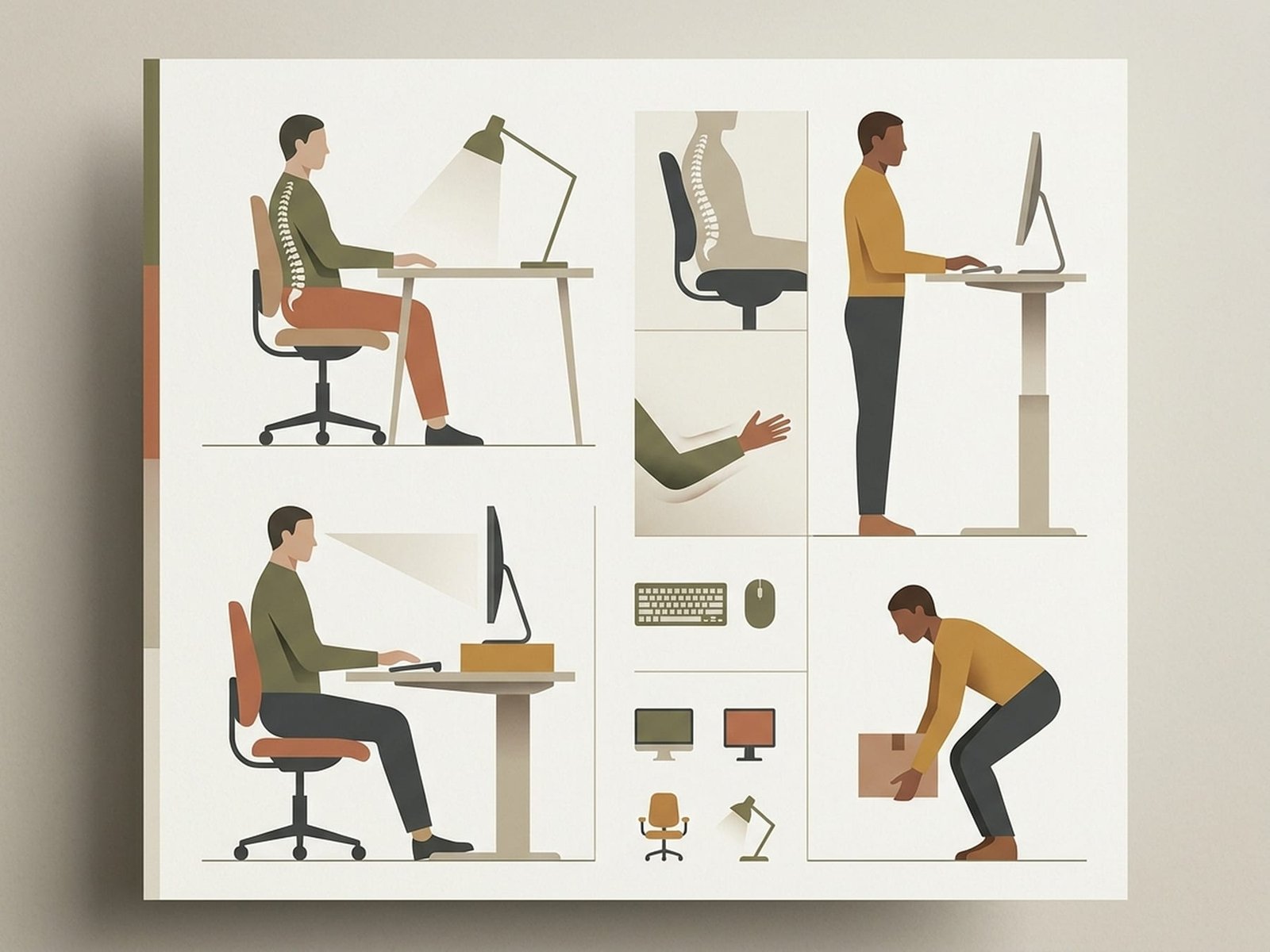
Ergonomics & Posture Guide
Workstation setup, driving ergonomics, phone use, sleep positions, and movement breaks — specific to trigger point prevention.
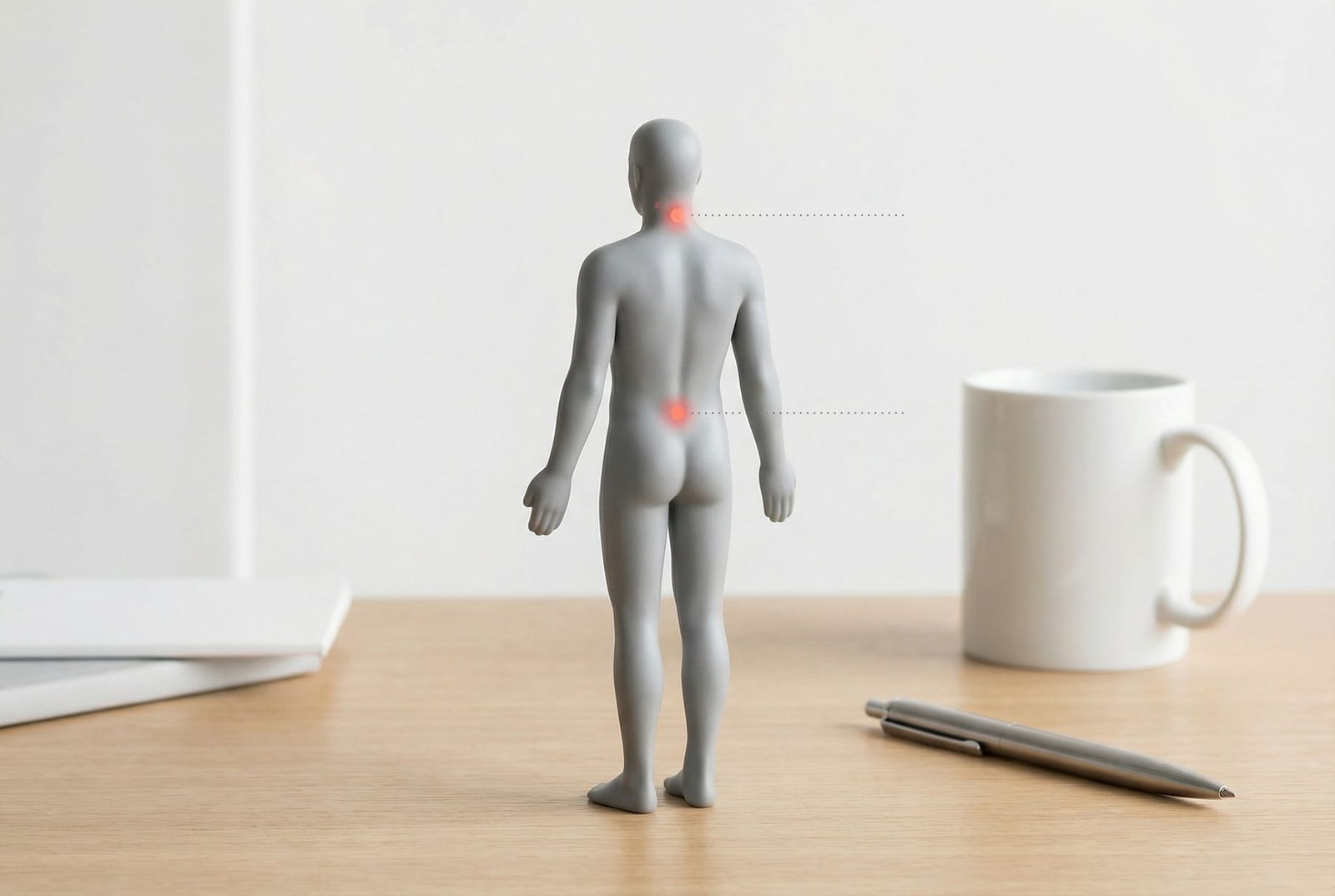
Flare-Up Survival Guide
Step-by-step protocol for the first 24, 48, and 72 hours of a pain flare-up — what to do, what NOT to do, and when to call for help.
Stress & Pain Connection
How stress physically creates trigger points — the autonomic loop, where your body holds stress, and practical techniques to break the cycle.
Nutrition & Anti-Inflammatory Diet
Foods that fight inflammation, nutrients for muscle health, the gut-pain axis, anti-inflammatory plate builder, and sample meal plans.
Foam Rolling & Self-Massage Tools
Complete guide to foam rollers, massage balls, massage guns, and hook tools — choosing the right tool, techniques by body region, and common mistakes.
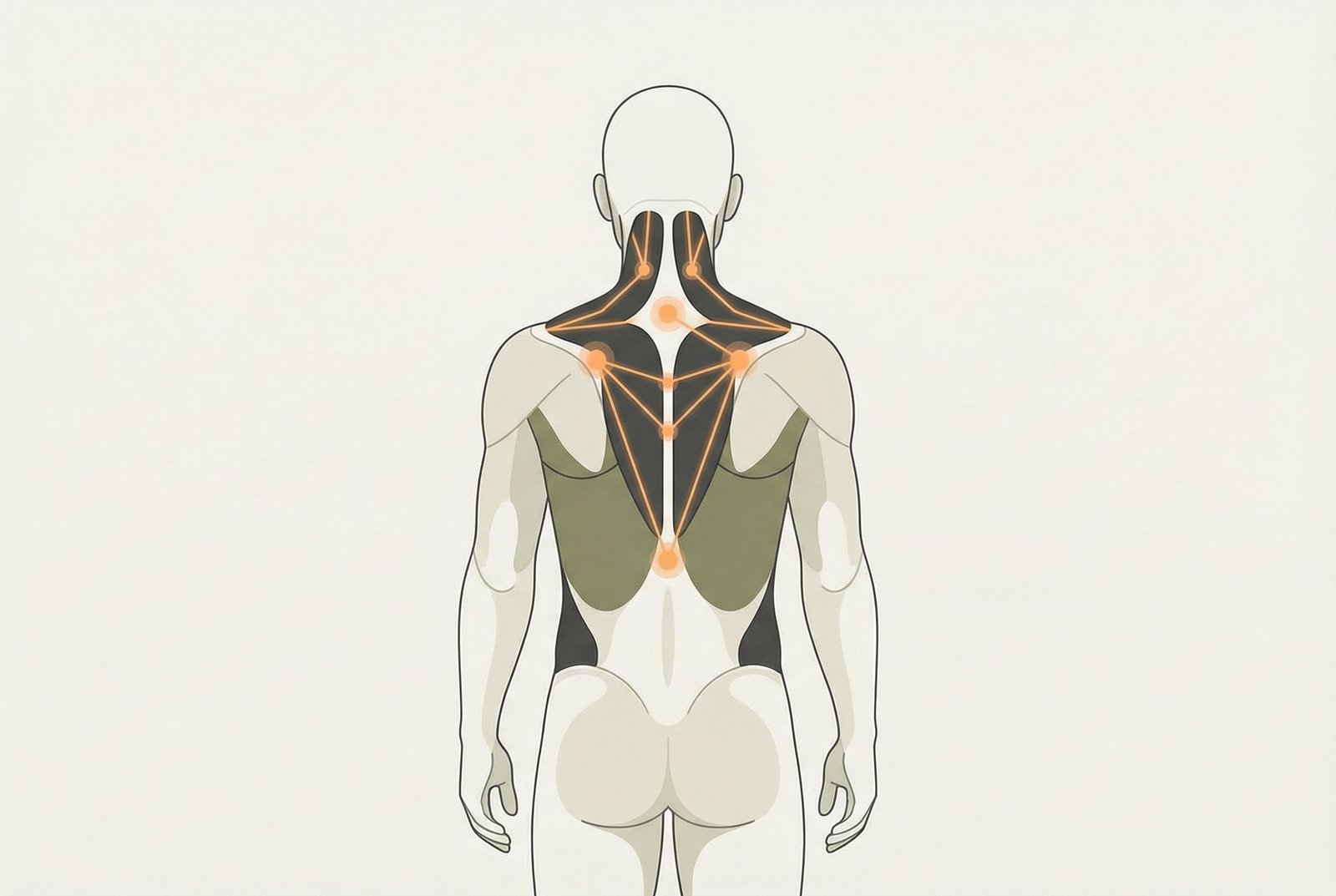
When to See a Doctor
Red flags vs. typical myofascial pain symptoms — know the difference between what's normal and what needs urgent medical attention.
Talking to Your Doctor
How to describe your symptoms clearly, ask the right questions, advocate for trigger point assessment, and handle dismissal.
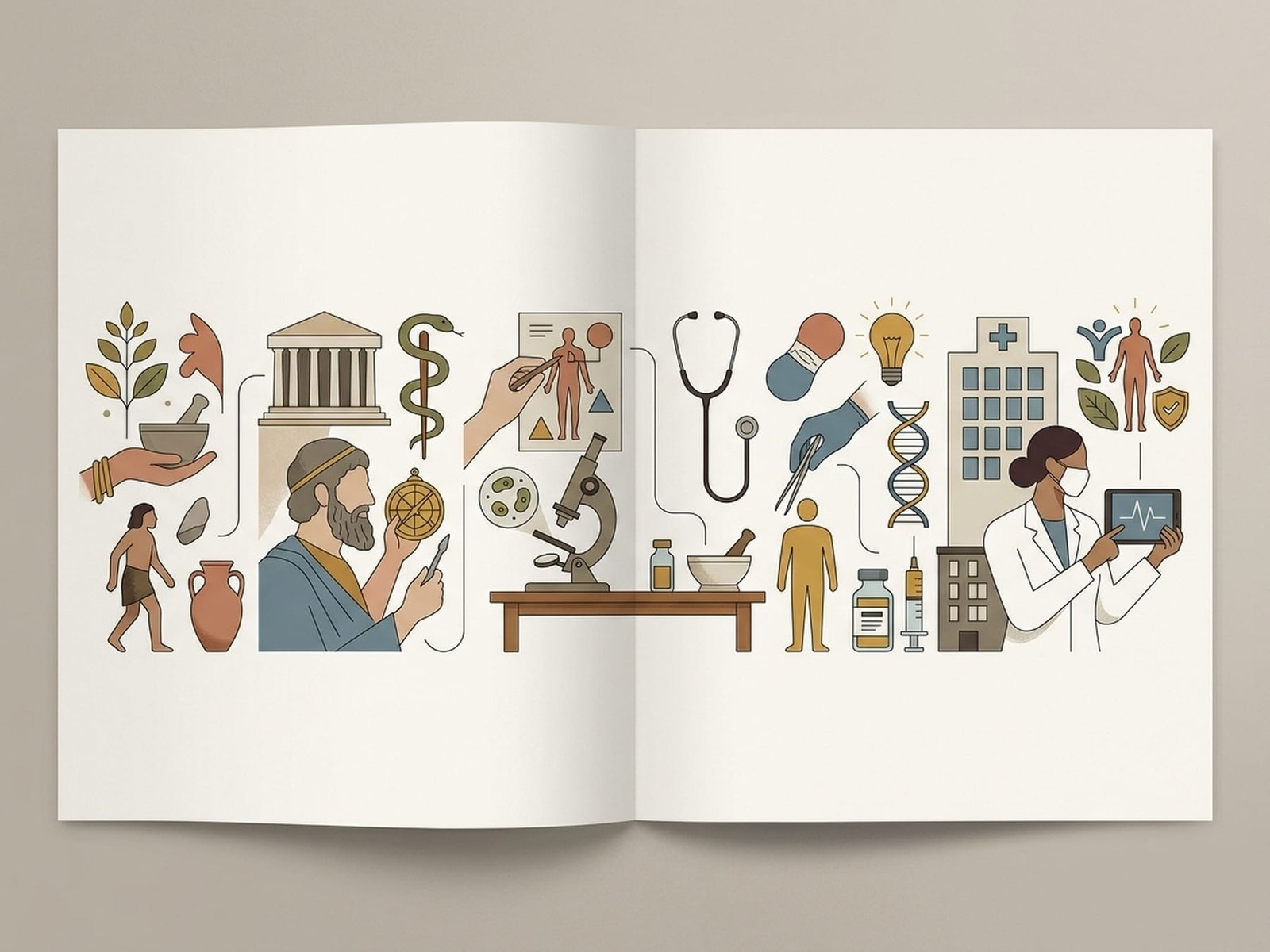
History of Trigger Points
From ancient Chinese "Ah Shi" points to Travell & Simons, JFK's physician, and modern elastography imaging.
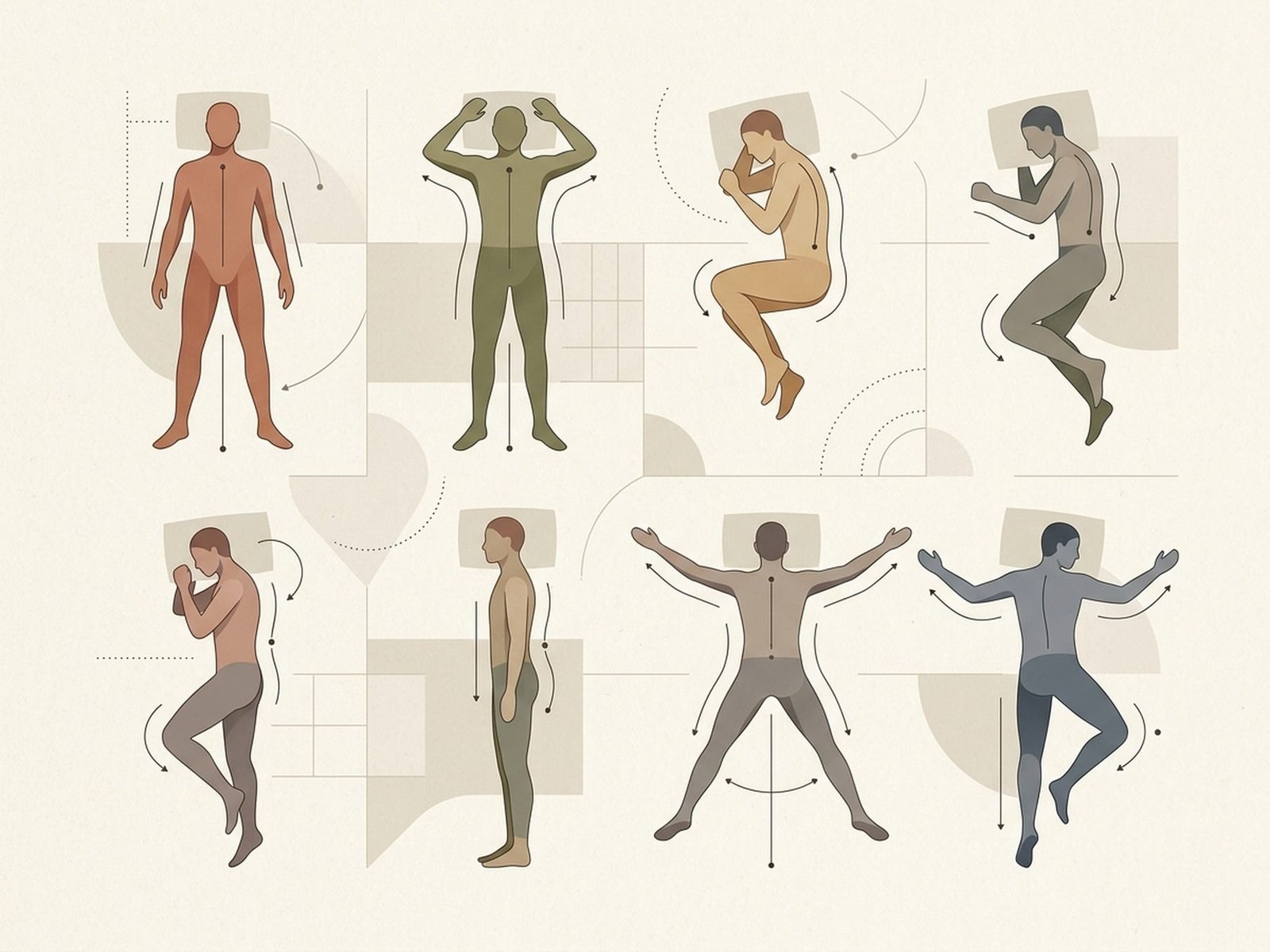
Sleep Position Optimization
Beyond generic sleep hygiene — pillow height formulas by pain location, cervical roll specifications, body pillow configurations, and position strategies for common MPS presentations.
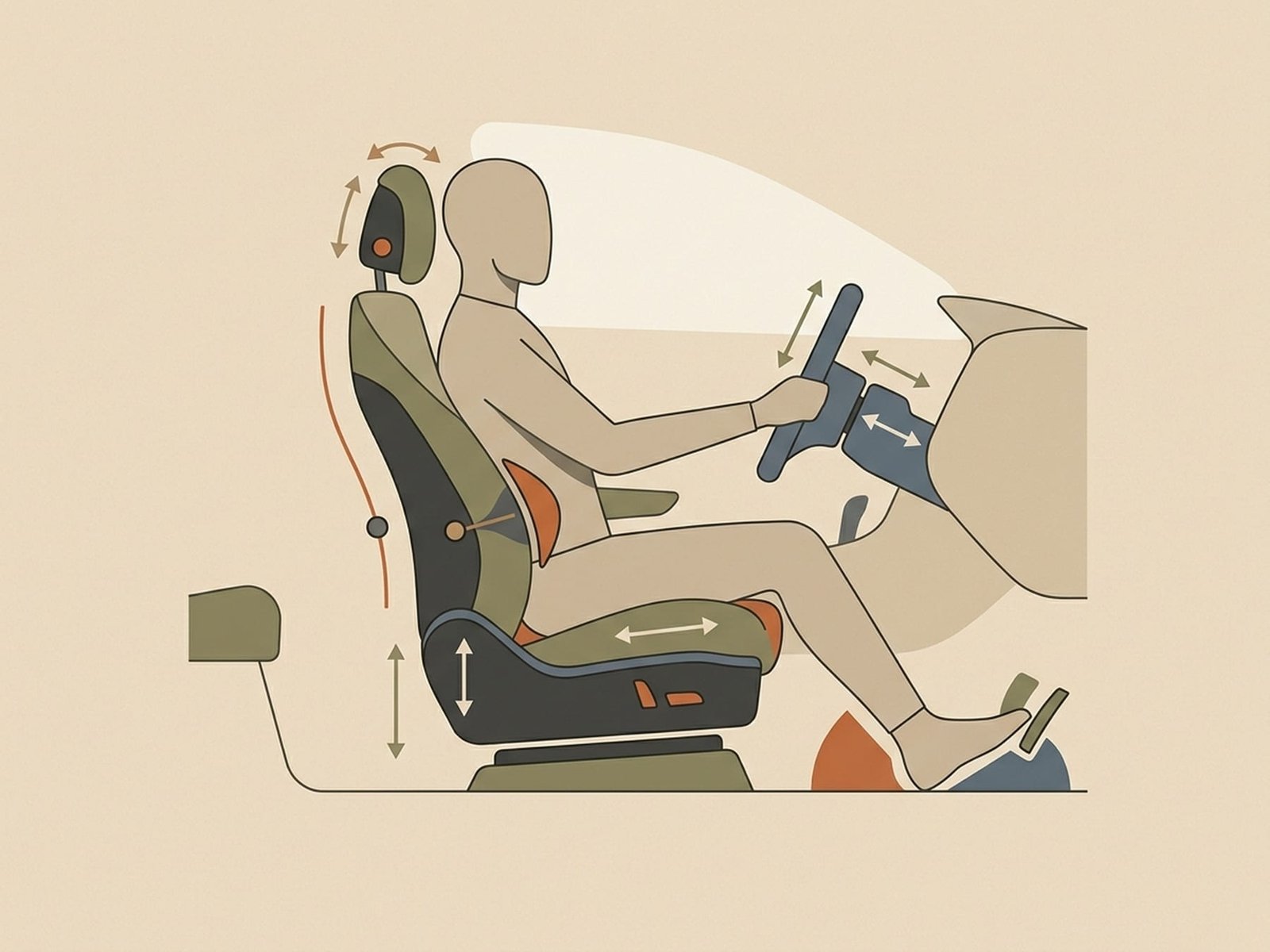
Driving Ergonomics for MPS
Seat, headrest, and pedal configuration for lumbar, gluteal, and cervical MPS — long-drive break strategies and how vehicle setup manages whiplash-associated trigger point perpetuation.
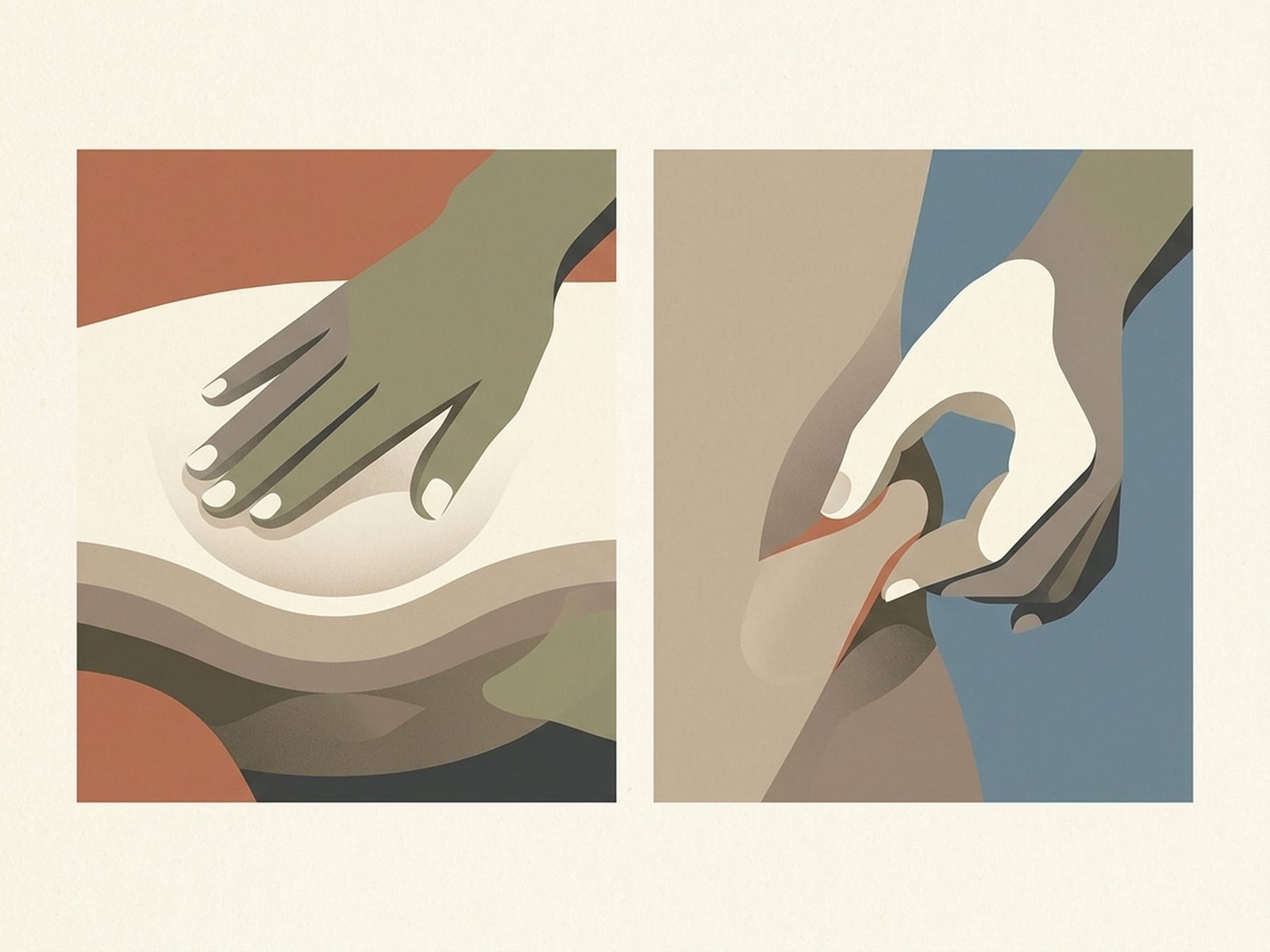
Palpation Skills for Patients
Learn to locate your own trigger points — taut band identification, pressure algometry concepts, referred pain mapping, and safe self-palpation techniques by body region.

CBT Strategies
Cognitive behavioral strategies for chronic pain — restructuring thoughts, graded exposure, relaxation training, and acceptance.

Sleep Optimization
The #1 perpetuating factor for myofascial pain. Sleep hygiene, positions, CBT-I, medications for sleep, and the pain-sleep vicious cycle.
Mindfulness & Meditation for Pain
Train your brain to change its relationship with pain — MBSR, body scan techniques, guided exercises, and the fMRI evidence behind it.