It's Not "Just In Your Head"
Stress Pain Connection
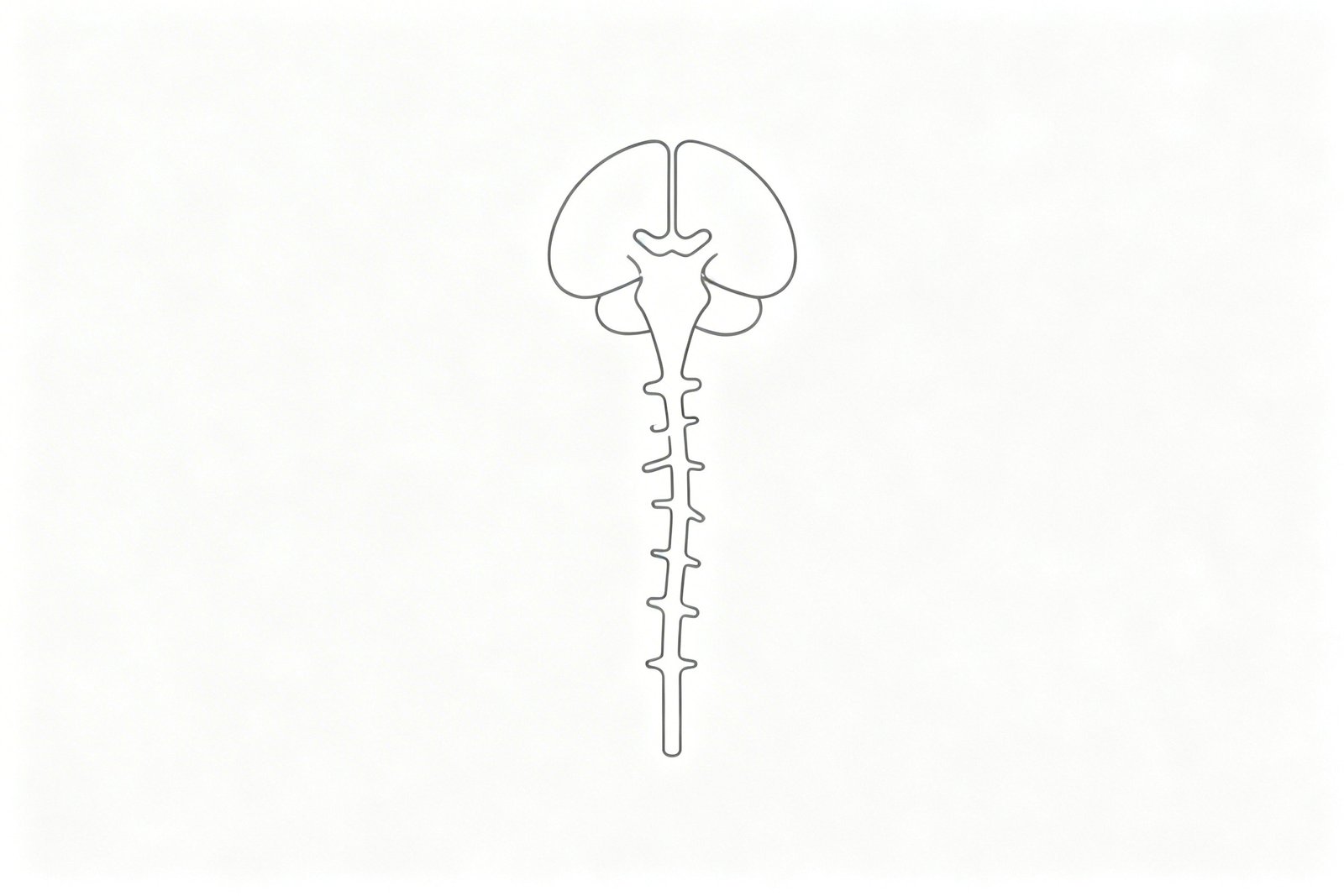
Concept Overview IllustrationYour pain is real. Stress does not make it imaginary. What stress often does is change the body in ways that increase muscle tension, reduce recovery, disrupt sleep, and amplify pain sensitivity.
The mind-body connection in myofascial pain is biological. The same nervous system that processes threat, stress, and emotion also regulates muscle tone, breathing, heart rate, and pain sensitivity.
That means stress can increase real physical pain without the pain being “fake,” “dramatic,” or “all in your head.”
Understanding the stress-pain connection is not about blaming the patient. It is about identifying one of the most modifiable drivers of ongoing muscle pain.
The key insight
"Stress matters" and "your pain is real" are both true at the same time. Understanding that overlap makes treatment stronger, not weaker.
How Stress Can Activate or Maintain Trigger Points
The chain is often simple: stress increases sympathetic arousal, the body braces, muscles stay partially contracted, and the tissue becomes more irritable over time.
In short bursts, the body can usually recover from this. In chronic stress, however, the body may stay in a low-level defensive state for long periods, and muscles may never fully return to a resting baseline.
That is one reason stress management is not “extra.” In many chronic trigger point patients, it is part of the treatment itself.
Stress does not just change mood. It can change breathing, sleep, blood flow, muscle tone, and pain sensitivity.
The aim is not to eliminate all stress. The aim is to reduce how often stress turns into sustained muscular guarding.
Common Stress-Tension Patterns
Jaw Clenching
Masseter, TemporalisMany people clench their jaw under stress, especially when concentrating or sleeping poorly. Over time, that sustained loading can contribute to trigger points in the jaw and temple muscles, causing headache, jaw pain, face pain, or toothache-like symptoms.
Shoulder Hiking
Upper Trapezius, Levator ScapulaeStress often shows up as a subtle shoulder shrug that lasts far longer than people realize. This can maintain upper-trapezius and levator overload and contribute to neck stiffness, shoulder pain, and tension-type headache patterns.
Fist Clenching
Forearm Flexors, Hand IntrinsicsStress-related gripping and hand tension can overload the forearm flexors and small hand muscles. In some patients, this contributes to aching, wrist pain, or hand symptoms that feel repetitive-strain-related.
Breath Holding / Upper-Chest Breathing
Diaphragm, Scalenes, IntercostalsStress commonly shifts breathing upward into the chest. When the diaphragm is underused, accessory breathing muscles in the neck and upper chest do more work and may become painful or trigger-point-prone.
Stomach Clenching
Rectus Abdominis, ObliquesSome people respond to stress by tightening the abdominal wall. That can create a feeling of bracing, knots, or abdominal discomfort and may also interfere with diaphragmatic breathing.
The Vicious Cycle
This cycle is self-reinforcing — but it can be interrupted at several points.
Why this matters for treatment
If trigger points are treated locally but the body remains in the same stress-driven tension pattern, symptoms often return. That is why a good treatment plan usually addresses both local tissue and stress physiology.
Where Your Body Holds Stress
Most people have a recognizable tension pattern. Some clench their jaw. Others lift the shoulders, tighten the belly, grip with the hands, or hold tension in the hips. Learning your pattern makes it easier to interrupt it earlier.
Head & Jaw
How to notice it:
You may wake with a sore jaw, catch yourself clenching during the day, notice clicking, or feel temple tension without obvious cause.
What it feels like:
Temple ache, jaw pain, headache around the head, toothache-like pain without a dental explanation, or a tight face.
Common trigger point pattern:
Masseter trigger points can refer to the teeth, cheek, and ear region. Temporalis trigger points may refer to the temple, eyebrow, and upper teeth. Medial pterygoid involvement can overlap with deep ear and jaw discomfort.
Neck & Shoulders
How to notice it:
Shoulders feel high or braced, the neck feels stiff when you turn it, or the upper trapezius feels like a hard ridge by the end of the day.
What it feels like:
Heavy, aching shoulders, stiff neck, pain at the base of the skull, or headaches that begin in the upper neck and wrap forward.
Common trigger point pattern:
Upper trapezius trigger points often refer toward the temple and behind the eye. Levator scapulae may contribute to painful neck turning. SCM may refer into the forehead, ear, and jaw region.
Chest & Ribs
How to notice it:
Breathing feels shallow, the chest feels tight, or deeper breaths feel restricted or uncomfortable during stressful periods.
What it feels like:
Chest-wall tightness, difficulty taking a full breath, rib discomfort, or a feeling of pressure across the front of the chest.
Common trigger point pattern:
Pectoral, intercostal, scalene, and diaphragmatic patterns can all contribute to chest-wall symptoms that feel alarming even when the source is musculoskeletal.
Stomach & Core
How to notice it:
The abdomen feels tight or braced even when you are sitting still, or your “gut” feels tense rather than relaxed.
What it feels like:
Crampy abdominal discomfort, pressure, a knotted feeling, or unexplained wall tension that may be confused with digestive issues.
Common trigger point pattern:
Rectus abdominis and oblique trigger points can refer into the abdomen, flank, groin, or lower chest and are often under-recognized.
Hands & Forearms
How to notice it:
You catch yourself gripping the steering wheel, keyboard, or phone too hard, or you wake with tight or tired hands.
What it feels like:
Forearm ache, wrist pain, grip fatigue, hand tightness, or occasional tingling that worsens with repetitive stress.
Common trigger point pattern:
Forearm flexor and extensor trigger points can contribute to wrist and hand symptoms that resemble repetitive-strain patterns.
Hips & Pelvis
How to notice it:
You feel chronically tight through the hips, pelvic floor, or low back during stress or after long periods of sitting.
What it feels like:
Deep hip ache, pelvic pressure, gluteal tightness, low-back stiffness, or groin / buttock referral patterns.
Common trigger point pattern:
Psoas, pelvic-floor, piriformis, and gluteal trigger points often interact with stress, guarding, sitting patterns, and breath-holding.
Quick self-check
Pause and scan your body right now. Are the teeth touching? Are the shoulders elevated? Is the belly braced? Are the hands gripping? Are you holding your breath? A short awareness check can catch stress-tension before it becomes a bigger flare.
The Pain-Stress-Pain Cycle
Pain itself is a stressor. Once pain becomes persistent, it can trigger more vigilance, more guarding, and more sympathetic activation — which then feeds more pain.
This is one reason chronic pain behaves differently from short-term injury pain. The symptoms do not just reflect tissue state — they can also reflect nervous-system state, fear, fatigue, and stress load.
The Deconditioning Spiral
Pain disrupts sleep quality and recovery.
Poor sleep increases fatigue and lowers activity tolerance.
Reduced activity leads to deconditioning.
Deconditioned tissue becomes more vulnerable to overload.
Pain becomes easier to trigger and harder to calm.
The cycle repeats unless it is interrupted.
The Anxiety Loop
Pain feels threatening or unpredictable.
Anxiety increases protective muscle tension.
That tension may create new painful areas or worsen old ones.
More pain increases vigilance and fear.
The loop tightens unless the pattern is recognized and interrupted.
The Low-Mood Pathway
Persistent pain drains mood and motivation.
Activity declines because everything feels harder.
Less movement often leads to more stiffness and guarding.
Pain spreads or feels more intrusive.
Hopelessness grows, which can reduce engagement in treatment.
The cycle deepens unless support is added.
The Fear-Avoidance Model
When pain is interpreted as danger, people often start avoiding movement. In the short term that feels protective. In the long term it usually reduces capacity and makes the system more fragile.
The aim is not reckless exposure. It is graded reintroduction to meaningful activity so the body and brain relearn that movement is possible and not always harmful.
A Honest Word About Catastrophizing
Catastrophizing is a clinical term for magnifying threat, feeling helpless, and getting mentally stuck on pain. It is very common in chronic pain, and it is understandable.
It is not a character flaw. It is often the nervous system trying to protect you when pain has been confusing, severe, or poorly explained for a long time.
The reason clinicians care about catastrophizing is that it is modifiable. When it improves, pain intensity and disability often improve with it.
Learn more about these patterns
Our CBT Strategies for Pain page goes deeper into practical ways to work with fear, rumination, and pain-related anxiety.
Breaking the Cycle
You do not need to fix everything at once. The stress-pain cycle becomes more manageable when you interrupt even one link consistently.
The techniques below target the muscle-tension and nervous-system links in the chain. They are simple, low-cost, and often surprisingly effective when done regularly.
Diaphragmatic Breathing
Why it works: Slow diaphragmatic breathing helps reduce sympathetic arousal, lowers unnecessary muscle tension, and can improve body awareness in patients who breathe mostly through the upper chest.
Step-by-step instructions
- 1
Find a comfortable seated or lying position.
- 2
Place one hand on the chest and one on the belly.
- 3
Breathe in slowly through the nose and let the belly rise more than the chest.
- 4
Exhale slowly and let the body soften.
- 5
Repeat for several minutes without forcing the rhythm.
- 6
Practice regularly rather than only during severe flares.
Pro tip: The exact count matters less than the quality of the breath. A slower exhale than inhale is usually the most useful pattern.
Progressive Muscle Relaxation (PMR)
Why it works: PMR helps patients notice the difference between tension and relaxation. That matters because many chronic pain patients no longer recognize how tense they are until it becomes pain.
Step-by-step instructions
- 1
Choose a comfortable position.
- 2
Move through body regions one at a time.
- 3
Gently tense a region if that feels safe, then fully release it.
- 4
Pause to notice the contrast.
- 5
Continue through the body at a slow pace.
- 6
Skip the tensing phase in painful areas and focus only on releasing.
Pro tip: The goal is not a perfect meditation session. The goal is relearning what release feels like.
Body Scanning
Why it works: Body scanning improves interoceptive awareness — the ability to notice tension before it becomes a full flare.
Step-by-step instructions
- 1
Pause for a few minutes in a seated or lying position.
- 2
Scan from head to toe.
- 3
Notice where tension is present without judging it.
- 4
When you find a tense area, soften the breath and see if the area changes.
- 5
Continue slowly through the whole body.
- 6
Use it as an awareness exercise more than a performance exercise.
Pro tip: Awareness is the first win. Full relaxation is optional, not mandatory.
Mindful Body Awareness
Why it works: This helps patients notice stress-tension patterns during normal daily activity instead of only during formal practice sessions.
Step-by-step instructions
- 1
Pick one routine activity such as walking, eating, or brushing your teeth.
- 2
While doing it, check jaw, shoulders, belly, hands, and breath.
- 3
Notice where effort is necessary and where tension is unnecessary.
- 4
Soften only the unnecessary part.
- 5
Repeat daily until the check-ins become more automatic.
Pro tip: This is often more realistic than trying to meditate for long periods when pain is high.
The Shoulder Check Habit
Why it works: Because upper-trapezius guarding is so common, a simple repeated posture-and-tension check can prevent many hours of accumulated shoulder tension.
Step-by-step instructions
- 1
Set a recurring reminder during waking hours.
- 2
When it goes off, check where the shoulders are.
- 3
If they are elevated, shrug gently once and then let them drop.
- 4
Take one slower breath.
- 5
Return to what you were doing.
- 6
Repeat often enough that the habit becomes automatic.
Pro tip: The goal is not perfect posture. The goal is interrupting unconscious bracing.
Jaw Unclenching Protocol
Why it works: Jaw clenching is one of the most common and most overlooked stress responses in chronic pain patients.
Step-by-step instructions
- 1
Learn the resting position: lips together, teeth not touching.
- 2
Use environmental reminders during the day.
- 3
Whenever you notice clenching, let the jaw soften.
- 4
Keep the tongue gently resting behind the upper front teeth if that helps reduce clenching.
- 5
If night clenching is severe, discuss it with a dental or medical professional.
Pro tip: “Lips together, teeth apart” is a helpful short cue that many patients remember easily.
Stress Management for Real Life
Generic stress advice is usually too vague to help chronic pain patients. The goal here is not “perfect calm” — it is fewer unnecessary spikes, better recovery, and less all-day muscular bracing.
Setting Boundaries
Overcommitment is a practical muscle-tension perpetuator. When the schedule remains overloaded, the body often stays in a chronic braced state.
For myofascial pain patients specifically:
For myofascial pain patients, reducing unnecessary time pressure, creating recovery margins, and protecting energy can be as important as any local treatment.
Sleep Hygiene
Poor sleep amplifies pain sensitivity, weakens recovery, and makes muscle tension harder to regulate. Sleep is often one of the highest-yield treatment targets.
For myofascial pain patients specifically:
Consistent wake time, a cool dark room, reduced late caffeine, and reviewing sleep position are often more useful than patients initially expect.
Social Connection
Social isolation and chronic pain often reinforce one another. Meaningful connection can reduce stress load, improve mood, and make activity feel more possible.
For myofascial pain patients specifically:
The goal is not high-energy social performance — sometimes low-demand contact is enough to interrupt isolation and improve coping.
Nature and Outdoor Time
Time outdoors can reduce stress arousal, improve mood, support sleep timing, and encourage gentle movement.
For myofascial pain patients specifically:
A short daily walk or even quiet time in an outdoor space can be enough to matter.
Laughter
Genuine laughter can reduce tension, shift breathing, and improve mood. It is not a complete treatment, but it is often an underestimated regulator of stress physiology.
For myofascial pain patients specifically:
Humor is not trivial in chronic pain recovery — it can be one of the safer and most accessible stress-reduction tools available.
Professional Help Is Strength
When anxiety, trauma, low mood, or overwhelm are clearly amplifying pain, professional support can become one of the most effective treatment additions.
For myofascial pain patients specifically:
Pain-informed therapy, especially approaches grounded in chronic pain and behavior change, can reduce fear, improve coping, and make physical treatment work better.
When Stress Becomes a Medical Issue
Sometimes stress is no longer just “everyday stress.” Anxiety disorders, trauma-related symptoms, and depression can become major amplifiers of chronic pain and deserve proper treatment, not just self-help.
Anxiety Disorders
Anxiety can maintain persistent sympathetic arousal, muscle guarding, poor sleep, and health vigilance — all of which amplify pain.
Signs to watch for
- Persistent worry that feels difficult to control
- Physical tension, racing thoughts, or a constantly “on” feeling
- Sleep disturbance
- Muscle tension that feels disconnected from physical demand
- Avoidance driven by fear rather than clear injury
Trauma-Related Stress
Trauma-related hypervigilance can keep the body in a braced, high-alert state for long periods and may strongly influence myofascial pain patterns.
Signs to watch for
- Startle response that feels exaggerated
- Persistent body guarding
- Sleep disturbance or nightmares
- Feeling disconnected from the body
- Pain patterns that intensify around reminders of threat or overwhelm
Depression
Low mood, hopelessness, and reduced motivation can reduce movement, worsen sleep, and amplify the burden of pain.
Signs to watch for
- Persistent sadness or flattening of mood
- Loss of interest in usual activities
- Fatigue beyond simple physical tiredness
- Sleep and appetite changes
- Hopelessness about recovery
When to Consider Medication
Some patients benefit from medication when anxiety, depression, or insomnia are clearly driving the pain cycle. This decision should be individualized and made with a qualified clinician.
Medication usually works best as part of a broader plan that may also include therapy, sleep intervention, education, and physical rehabilitation.
When to See a Mental Health Professional
Seek professional help if any of these apply:
- Pain has caused major withdrawal from daily life or relationships
- Persistent hopelessness or inability to cope with the pain load
- Sleep problems remain severe despite basic sleep changes
- Fear of pain prevents participation in recommended activity or treatment
- Substances are being used mainly to cope with pain or stress
- You feel unsafe or in crisis
If you are in immediate crisis or feel unsafe, contact local emergency services, a crisis line in your country, or go to the nearest emergency department.
Deep dive: Cognitive Behavioral Therapy for Pain
CBT for chronic pain can reduce fear, helplessness, and stress-driven amplification. See our CBT Strategies page.
The Science Corner
The Science Corner
Mechanism DiagramFor readers who want a more technical summary, these are some of the main biological pathways linking stress to muscle pain and pain sensitivity.
Cortisol and Recovery
Chronic stress can alter cortisol rhythms and interfere with muscle recovery, sleep, and inflammatory regulation. The result is often a body that feels slower to calm down and slower to adapt.
Sympathetic Nervous System and Blood Flow
Stress tends to shift the nervous system toward fight-or-flight dominance. In muscle tissue, that can mean more tension, less relaxation, and poorer local recovery conditions.
HPA Axis Dysregulation
In long-standing pain and stress states, the body’s stress-response systems can become poorly regulated. Patients often experience this as “always on” fatigue, poor recovery, poor sleep, and increased reactivity.
Stress Reduction Can Reduce Trigger Point Sensitivity
Stress-management interventions can improve pain thresholds and reduce symptom intensity in many chronic pain patients, even when the trigger points themselves are still present.
Further reading
For a deeper understanding of pain processing, visit our Pain Neuroscience Education page. For parasympathetic regulation strategies, see our Vagus Nerve Stimulation page.
Keep Learning
CBT Strategies for Pain
Practical cognitive and behavioral strategies for reducing pain-related fear, rumination, and avoidance.
Pain Neuroscience Education
How the nervous system processes pain — and why pain can remain real even when tissue damage is not the whole story.
Sleep Optimization
A practical guide to improving sleep when pain and stress keep disrupting recovery.
Vagus Nerve Stimulation
How to support parasympathetic tone and reduce chronic stress physiology.
Self-Care Techniques
Practical daily techniques for managing trigger points between formal treatments.
Flare-Up Survival Guide
A step-by-step guide for getting through high-pain periods without worsening the cycle.
Cortisol & Stress Load
Chronic stress can shift recovery, sleep quality, and tissue sensitivity in the wrong direction.
Sympathetic Overdrive
Fight-or-flight dominance often shows up as shallow breathing, guarding, and reduced relaxation.
Muscle Guarding
Protective bracing can create or maintain trigger points in already sensitive muscles.
Sleep Disruption
Poor sleep reduces tissue repair and lowers pain tolerance the next day.