The Women’s Pain Gap
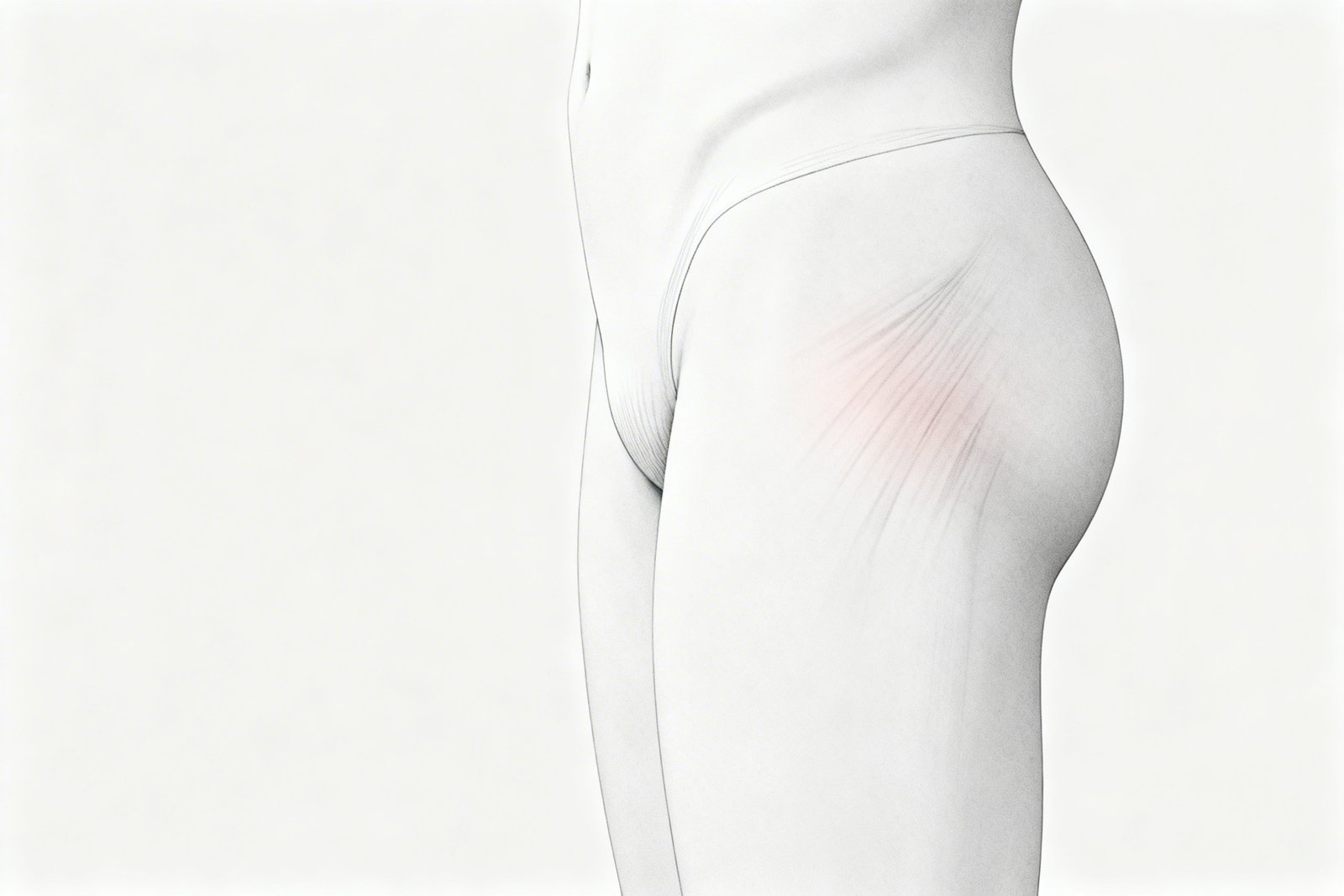
Women Pain
Anatomy and Pain Pattern OverviewWomen with chronic pain are more likely to experience diagnostic delay, overlapping labels, and under-recognition of musculoskeletal contributors. This is not because women’s pain is less real — it is because it often presents in ways that are more complex, more diffuse, and more entangled with other conditions.
In myofascial pain specifically, this often shows up as confusion with fibromyalgia, migraine, pelvic pain syndromes, TMJ disorders, or “stress-related” pain. Sometimes those conditions are misdiagnoses; often they are coexisting realities that need to be separated carefully rather than collapsed into one label.
Diagnostic Delay
Women with chronic pain often experience longer diagnostic delays than men, especially when the pain is complex, fluctuating, or overlaps with fatigue, sleep disruption, pelvic pain, or headache.
Psychologized Early
Women with persistent pain are more likely to have stress, mood, or emotional explanations emphasized early in care — even when a physical pain generator is present and treatable.
Diagnostic Overlap
Myofascial pain in women is often confused with, layered onto, or overshadowed by conditions such as fibromyalgia, migraine, endometriosis, pelvic floor dysfunction, and TMJ disorders.
Chronic Pain Burden
Women carry a higher overall burden of many chronic pain conditions. The reasons are likely multifactorial and include biology, hormone-related changes, care bias, and the tendency for several pain conditions to coexist.
The emotional burden of not being understood
When pain is repeatedly dismissed, minimized, or over-attributed to stress, the result is often not only delayed treatment but also self-doubt, fear, and withdrawal from care. Good care starts by taking the pattern seriously without oversimplifying it.
Why Myofascial Pain Can Present Differently in Women
Myofascial pain in women is not simply “the same condition in a female body.” Hormones, connective tissue behavior, reproductive health, trauma prevalence, pelvic floor factors, and differences in how pain is interpreted by the healthcare system can all shape the presentation.
Hormonal state, sleep quality, stress load, and coexisting conditions can all change how myofascial pain feels and how it responds to treatment.
Hormonal Fluctuation & Pain Sensitivity
Pain sensitivity in many women changes across the menstrual cycle, postpartum period, and menopausal transition. The important clinical point is not that hormones “cause” all pain, but that hormonal shifts can change symptom intensity, flare frequency, and treatment tolerance.
Progesterone, Sleep, and Recovery
Cycle-related shifts in progesterone and sleep quality may influence how well muscles recover, how reactive trigger points feel, and how well a patient tolerates load or treatment. These effects are real but vary significantly between individuals.
Susceptibility to Wider Pain Patterns
Women are more likely to present with mixed or widespread pain patterns, where local trigger points coexist with sleep disruption, stress amplification, pelvic pain, headache, or central sensitization. This is one reason diagnosis can be more complex.
Connective Tissue & Load Distribution
Differences in connective tissue behavior, joint laxity, and force distribution may influence how certain muscles are loaded and how compensation patterns develop. These differences do not explain every case, but they are clinically relevant in some patients.
Regional Pain Becoming Multi-Regional
Women with myofascial pain more often describe symptoms that spread across several body regions over time. This does not automatically mean fibromyalgia, but it does mean the clinician should think beyond a purely local pain model.
Relative Loading Differences
The same daily task may represent a different relative load depending on body size, muscle capacity, fatigue, sleep, caregiving demands, and recovery status. This matters clinically because trigger points often reflect cumulative load rather than one dramatic injury.
The Fibromyalgia Overlap
Fibromyalgia and myofascial pain syndrome often overlap in women, but they are not the same. Fibromyalgia is primarily a widespread pain-amplification syndrome, while MPS is built more around regional trigger point activity and musculoskeletal pain patterns.
The most clinically useful question is often not “Which one is it?” but “How much of this picture looks like trigger point pain, and how much looks like widespread amplification?” Both may matter, and treatment planning improves when both are acknowledged.
Tender points vs trigger points
Tender points are generalized areas of pain sensitivity. Trigger points are focal muscular findings that may reproduce a recognizable local or referred pain pattern. Confusing the two can lead to major diagnostic drift.
Coexisting Conditions
In women, myofascial pain frequently coexists with gynecologic, pelvic floor, headache, jaw, and hormonal conditions. That overlap does not make MPS less important — it usually makes careful musculoskeletal assessment more important.
Hormonal Cycle & Pain
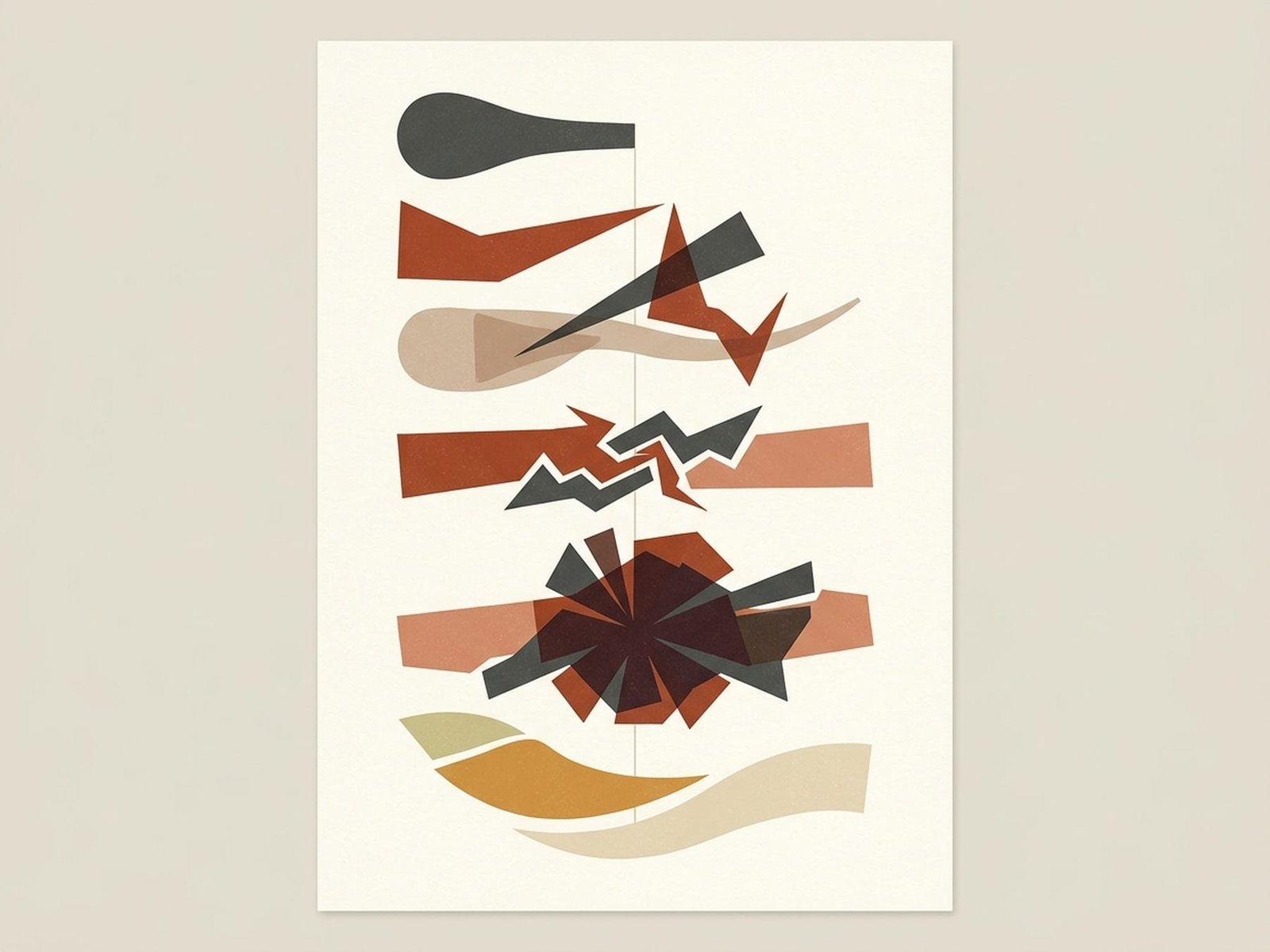
Hormonal Cycle & Pain
Stage Progression DiagramMany women notice that pain intensity, trigger point sensitivity, headache burden, and treatment tolerance shift across the menstrual cycle. These shifts are often clinically meaningful even when they are not identical from one person to another.
Tracking symptoms against cycle phase can help distinguish whether a flare reflects true progression, a predictable hormonal window, or a combination of both. That can make treatment timing and expectation-setting much more effective.
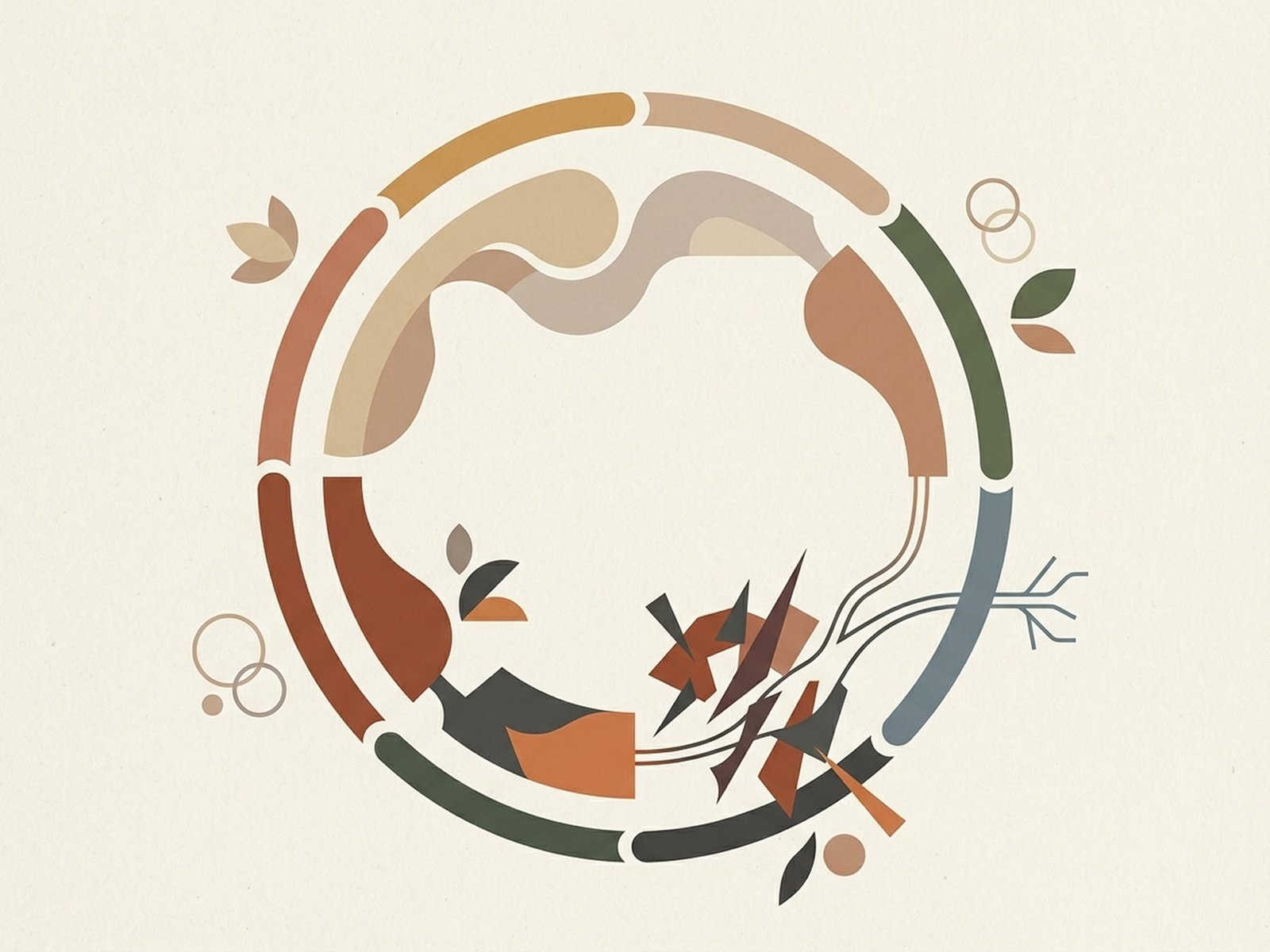
Hormonal Cycle and Pain Connection
Menstruation
Estrogen and progesterone are relatively low
Pain Effect
Some women report higher pain sensitivity, greater trigger point irritability, and poorer tolerance for aggressive treatment during this phase.
Management Strategy
Use a lighter, more symptom-guided approach if this is consistently your most sensitive phase. Heat, pacing, gentler self-care, and lower-intensity treatment may be more realistic here.
Follicular Phase
Estrogen gradually rises
Pain Effect
For some women this is the phase with better energy, lower pain sensitivity, and better tolerance for active rehabilitation or more direct trigger point work.
Management Strategy
If your symptoms reliably improve here, it may be a good window for more challenging exercise, stronger manual work, or other higher-tolerance treatment steps.
Ovulation Window
Estrogen peaks and then shifts
Pain Effect
Some women feel relatively good here; others notice a brief flare around ovulation. The pattern is highly individual.
Management Strategy
Track your own response rather than assuming a universal pattern. Use the cycle as a guide, not a rigid rule.
Luteal / Premenstrual Phase
Progesterone is initially higher, then both hormones decline late
Pain Effect
Many women notice more body-wide sensitivity, sleep disruption, fluid retention, or trigger point flares as the cycle approaches menstruation.
Management Strategy
This is often a useful phase for maintenance, pacing, sleep support, and symptom management rather than expecting peak physical performance or the highest-intensity treatment response.
Track your pattern
A simple log of cycle day, pain level, sleep quality, key symptoms, and treatments tried can reveal patterns that are very hard to see from memory alone.
Women-Specific Treatment Considerations
Treatment works best when it accounts for the hormonal, pelvic, headache, sleep, and trauma-related context that may be shaping the pain pattern. A generic one-size-fits-all plan is often not enough.
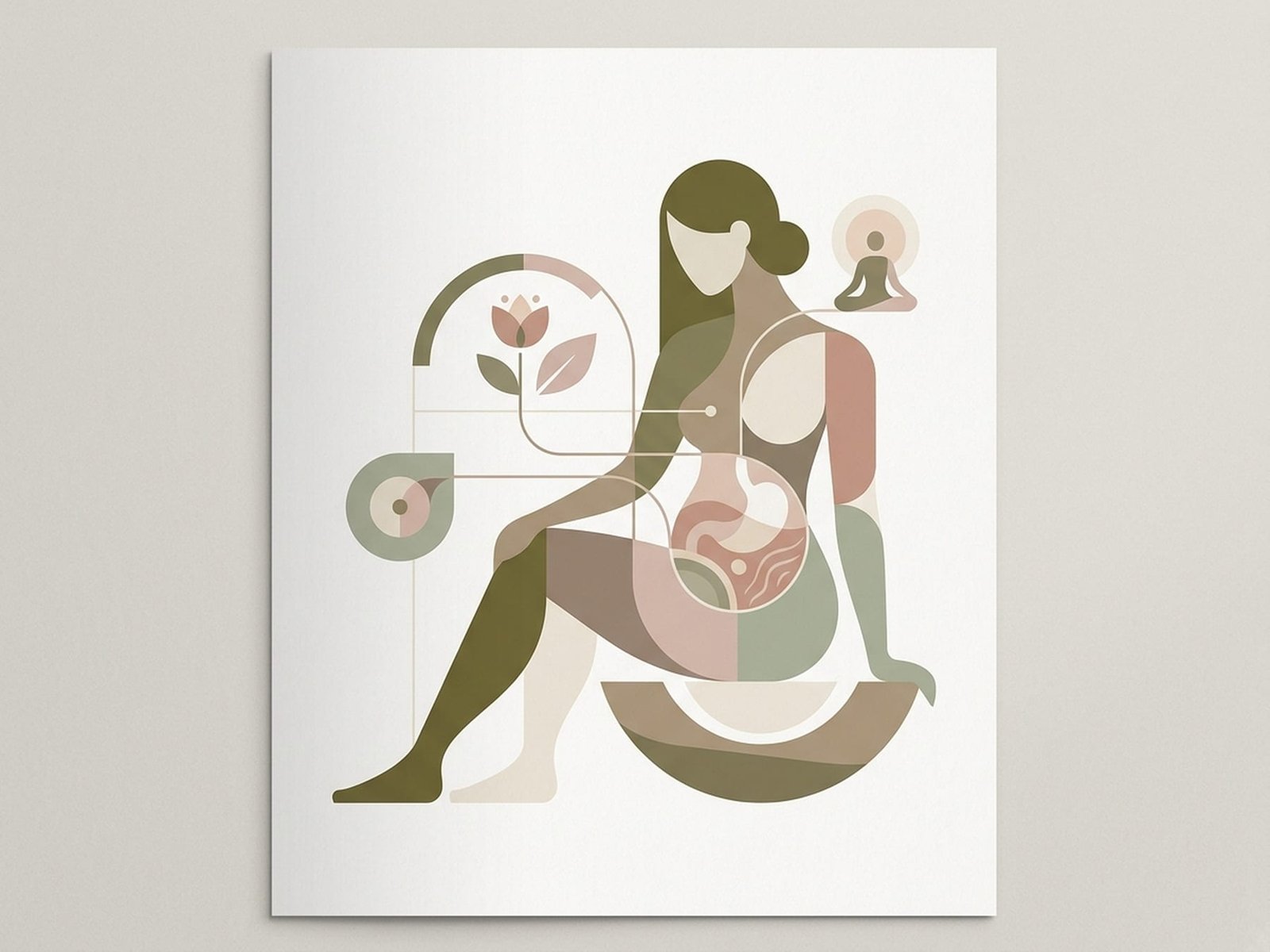
Women-Specific Treatment Approach
Pelvic Floor Physical Therapy
Pelvic floor therapy is often essential when symptoms involve pelvic pain, bladder symptoms, dyspareunia, postpartum recovery, or deep hip / abdominal overlap. It deserves early consideration rather than being treated as a last resort.
Practical considerations
- Seek a pelvic-health clinician when pelvic floor involvement is suspected
- Internal examination may be appropriate, but consent and pacing matter
- Treatment often includes both relaxation and strengthening, not just one or the other
- Home exercises and breath work are usually part of the plan
Hormone-Aware Treatment Planning
Treatment tolerance may change across the menstrual cycle, perinatal period, and menopausal transition. Matching treatment timing to symptom patterns can make care more effective and less discouraging.
Practical considerations
- Track cycle phase and symptom intensity over time
- Schedule more demanding treatment when you usually tolerate it best
- Use more supportive care during predictable flare windows
- Share hormonal context with your clinician if it clearly affects your pain
Medication Considerations
Medication planning in women often intersects with reproductive status, hormonal treatment, breastfeeding, sleep quality, and coexisting pelvic or headache disorders. This usually requires individualized review rather than generic pain prescribing.
Practical considerations
- Review pregnancy and breastfeeding status explicitly
- Discuss the role of topical vs systemic options when relevant
- Do not assume all “routine” pain medications fit all reproductive contexts
- Use clinician guidance rather than pain-page generalization
Trauma-Informed Care
Many women with chronic pain have a trauma history, and trauma can shape breathing, muscle guarding, pelvic floor reactivity, sleep, and treatment tolerance. Good care must account for this without reducing all pain to trauma.
Practical considerations
- Choose clinicians who understand trauma-informed practice
- Consent, pacing, and patient control matter in every session
- Grounding and breath work can improve treatment tolerance
- Psychological support may be an important parallel treatment, not a sign that the pain is “psychological only”
Advocating for Yourself
Self-advocacy matters because women with pain are often asked to simplify symptoms that are not simple. Bringing a clear pattern description, tracking data, and specific questions can help appointments become more productive and less dismissive.
Communicating with Dismissive Providers
Clear, specific symptom descriptions are often more effective than broad labels. Describe where the pain is, what reproduces it, whether it spreads, what makes it worse, and what has or has not helped so far.
Finding Specialized Practitioners
It can help to look for clinicians with stronger musculoskeletal, pelvic-health, headache, jaw, or pain-rehabilitation experience depending on the body region involved. The right clinician often matters as much as the diagnosis label.
Documentation Strategies
Tracking symptom location, cycle phase, sleep quality, aggravating factors, and treatment response can make patterns much clearer over time and help appointments become more productive.
Building a Support Network
Chronic pain is harder to manage in isolation. Practical help, emotional support, and one clinician who takes the pattern seriously can make a major difference.
Your pain is real
A pain pattern can be influenced by stress, sleep, hormones, trauma, and central sensitization — and still be physically real, clinically important, and deserving of proper treatment.
Key Takeaways
The Women’s Pain Gap Is Clinically Important
Women’s pain is more likely to be delayed, complicated, or interpreted through overlapping labels. That makes careful assessment even more important.
Hormones Can Shape Symptom Intensity
Hormonal shifts do not explain everything, but they often change pain sensitivity, treatment tolerance, and the timing of flares.
MPS and Fibromyalgia Are Not the Same
They can overlap, but they are not interchangeable diagnoses. Distinguishing regional trigger point pain from more generalized pain amplification matters.
Pelvic Pain Often Has a Myofascial Component
Pelvic floor dysfunction, abdominal-wall trigger points, and hip / gluteal contributors are common and often under-assessed in women with pelvic pain.
Central Sensitization Still Matters
When pain becomes widespread, flares easily, or disrupts sleep and function, central amplification may be part of the picture — even if trigger points are still present.
Good Self-Advocacy Improves Care
Tracking symptoms, naming patterns clearly, and seeking clinicians who understand pain complexity can substantially improve the chances of getting useful care.
Continue Learning
Connected Conditions
A closer look at overlap with fibromyalgia, central sensitization, and other chronic pain patterns.
The Emotional Side of Pain
How chronic pain affects mood, identity, fear, and coping over time.
The Stress-Pain Connection
How stress can intensify pain, muscle tension, and symptom persistence.
Physical Therapy Guide
Manual therapy, exercise, pacing, pelvic floor work, and how rehabilitation is often organized.
Self-Assessment Tool
A guided symptom-organizing tool to help you prepare for evaluation.