Understanding Pregnancy & Postpartum Myofascial Pain
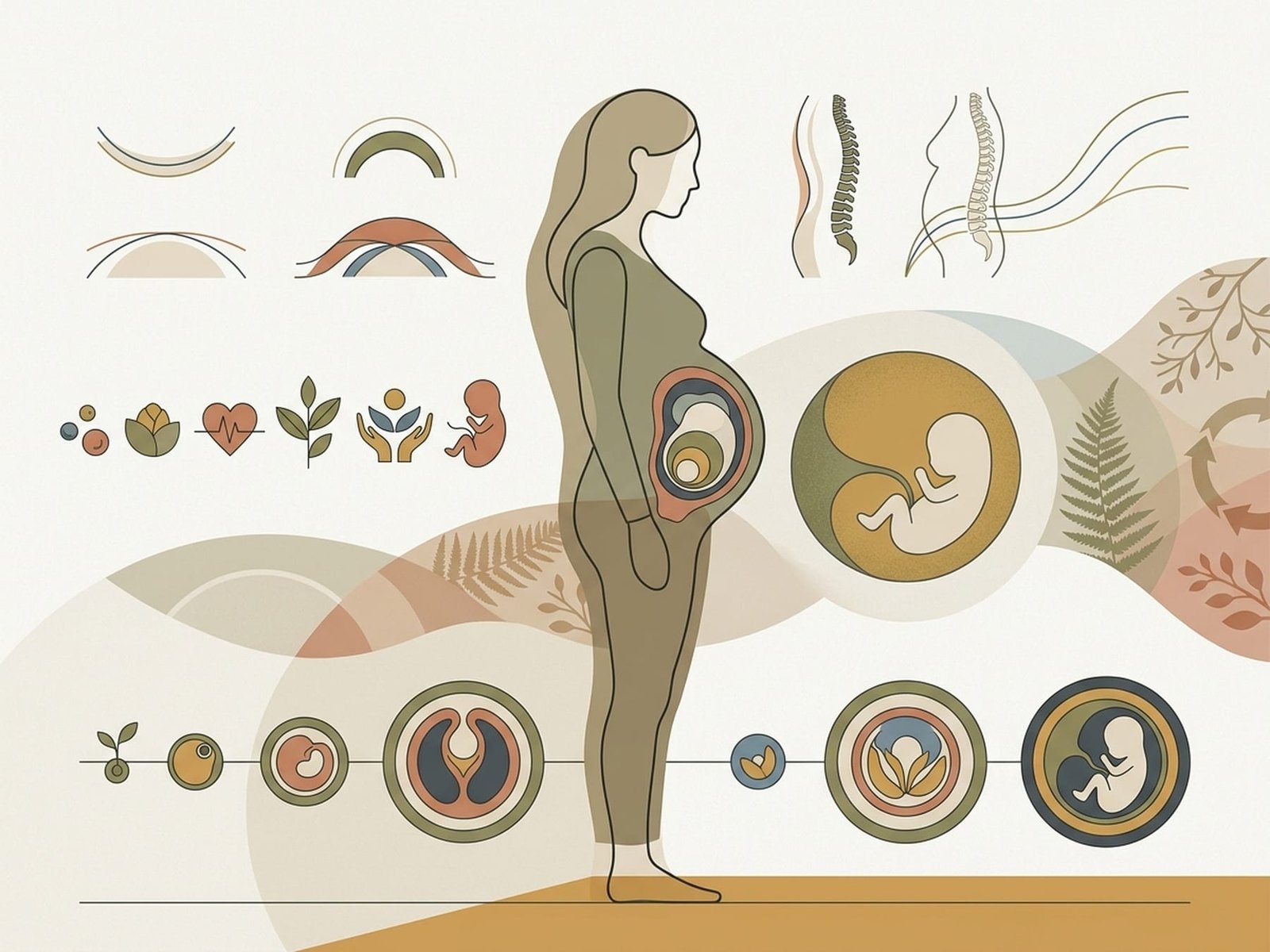
Pregnancy Myofascial Pain
Postural Changes and Trigger Point OverviewPregnancy changes load distribution, ligament support, breathing mechanics, and daily posture. These changes can increase the work that muscles must do and make trigger points more likely in certain regions.
As the abdomen grows, the spine, pelvis, hips, and ribcage all adapt. Some of that adaptation is normal and painless; some of it creates persistent overload in muscles such as QL, iliopsoas, gluteals, and thoracic postural muscles.
Postpartum introduces a different cluster of stressors: feeding posture, carrying, scar recovery, sleep disruption, and the challenge of returning to movement while still recovering from pregnancy and birth.
Pelvic floor symptoms deserve specific attention. Vaginal delivery, cesarean recovery, and postpartum pelvic pain can all have myofascial components that need more than general reassurance.
Anatomy & Trigger Points
Different regions become vulnerable at different points across the childbearing year: pelvic stabilizers, hip flexors, upper-quarter muscles, scar-adjacent tissues, and pelvic floor all deserve attention depending on the stage and presentation.
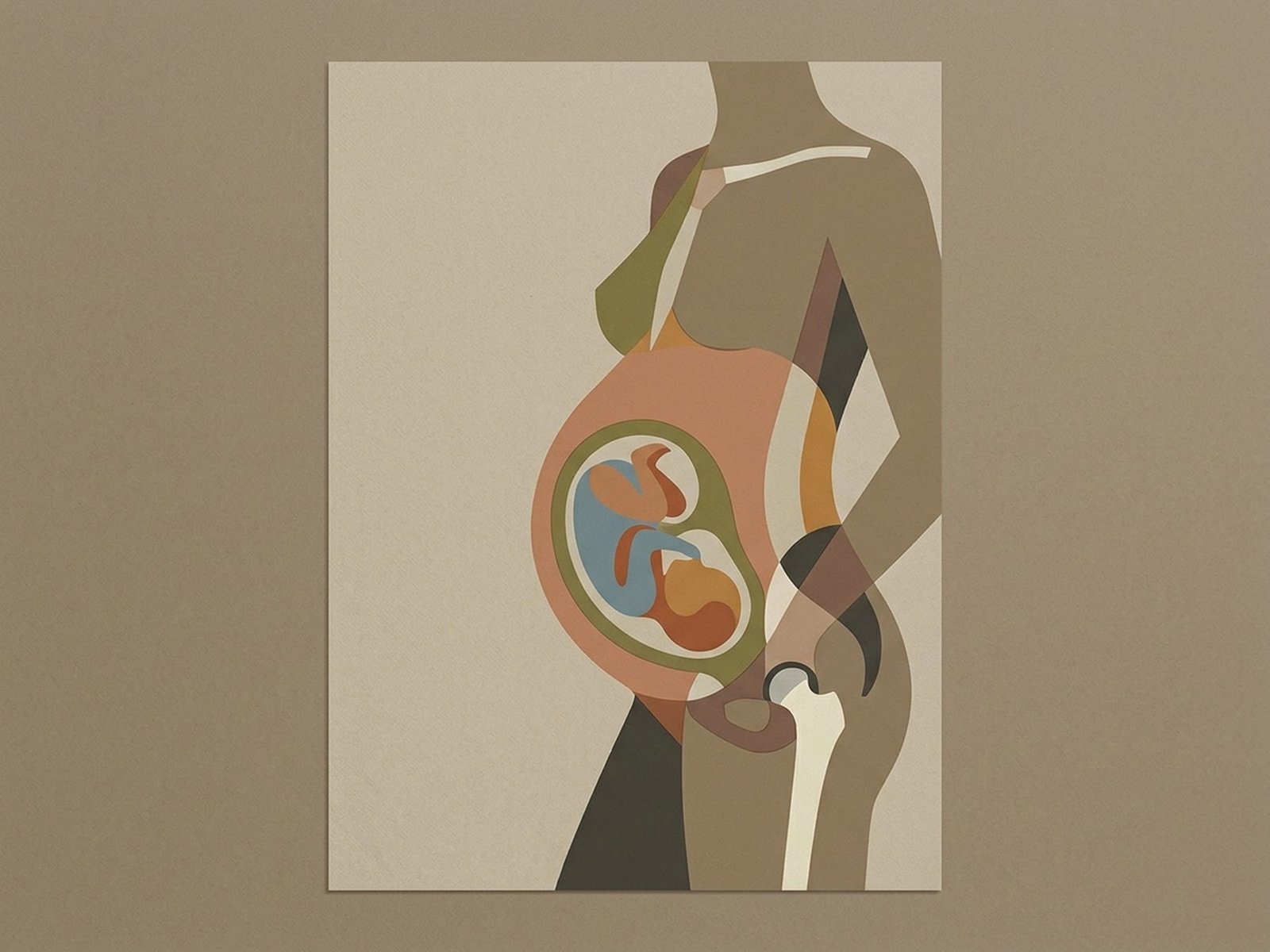
Pregnancy & Postpartum
Anatomical Trigger Point DiagramQuadratus Lumborum (QL)
Pectoralis Minor & Upper Trapezius
Iliopsoas
Pelvic Floor (Levator Ani)
SCM & Suboccipitals
Referral Patterns
Pregnancy-related myofascial pain often follows regional patterns: low back, sacroiliac area, groin, lateral hip, upper thorax, and neck are especially common.
Postpartum patterns often shift upward into the chest, shoulders, neck, and head because feeding and carrying postures repeatedly load those areas. Pelvic floor symptoms may coexist and need direct assessment when relevant.
A large share of pregnancy and postpartum pain is mechanical and myofascial — not imaginary, not trivial, and often very treatable when assessed well.
QL & Iliopsoas
Pec Minor & Upper Trap
Pelvic Floor
Self-Assessment Tests
Assessment should consider stage of pregnancy or postpartum recovery, pelvic girdle stability, feeding posture, scar healing status, and pelvic floor symptoms when relevant.
Posterior Pelvic Pain Provocation (P4) Test
Active Straight Leg Raise (ASLR)
Nursing / Feeding Posture Assessment
Pelvic Floor Tension Assessment
Treatment Pathways
Treatment works best when it balances safety, symptom relief, movement confidence, and realistic daily-function strategies rather than relying on a single technique.
Safe Treatment Pathways
Pregnancy and PostpartumSafe Manual Therapy in Pregnancy
Hands-on treatment can often be helpful in pregnancy when positioning and intensity are modified appropriately for gestational stage, symptoms, and obstetric context.
- Use pregnancy-appropriate positioning
- Treat common overload areas such as QL, gluteals, and upper quarter gently
- Use comfort and symptom response to guide dosage
- Avoid turning treatment into prolonged pain provocation
- Coordinate with prenatal or obstetric care when needed
Posture & Ergonomics
Postural adjustment is often one of the highest-yield interventions in pregnancy and postpartum because many pain generators are repeatedly reloaded by daily positions.
- Use lumbar and feeding support where helpful
- Adjust feeding height to reduce forward-head and shoulder strain
- Alternate carrying positions regularly
- Use footwear and walking strategies that reduce unnecessary strain
- Support pelvic girdle comfort with appropriate positioning and load management
Medication & Safety Review
Pain treatment in pregnancy and lactation needs a medication-safety lens. Exact choices should be individualized with the appropriate obstetric or medical clinician.
- Review all medication decisions with the appropriate prescribing clinician
- Avoid assuming common non-pregnant pain strategies automatically apply
- Consider non-pharmacologic strategies first when reasonable
- Use supplements and topical products only with appropriate review when needed
- Escalate uncertainty rather than guessing during pregnancy or breastfeeding
Postpartum Recovery
Postpartum recovery often requires attention to scar mobility, feeding posture, pelvic floor function, sleep disruption, and gradual return to movement rather than assuming recovery will happen automatically.
- Rebuild movement gradually rather than all at once
- Assess pelvic floor function when symptoms suggest it
- Address scar-related restriction if relevant and medically appropriate
- Optimize baby-carrying and feeding ergonomics early
- Use progressive loading rather than prolonged deconditioning
Red Flags — When to See a Doctor
While myofascial pain is common during the childbearing year, some symptoms reflect obstetric, vascular, wound-related, or neurological problems that need more urgent review.
Pregnancy and postpartum create real biomechanical and hormonal conditions that can increase myofascial vulnerability.
Low-back, pelvic, chest, neck, shoulder, and pelvic floor symptoms often have meaningful myofascial contributors during the childbearing year.
Feeding posture, carrying strategy, sleep disruption, and deconditioning are major postpartum perpetuating factors.
Many treatments remain possible during pregnancy and postpartum, but positioning, intensity, and medication decisions must be adapted.
Pelvic floor symptoms deserve proper assessment rather than being dismissed as a “normal” postpartum inconvenience.