Overview
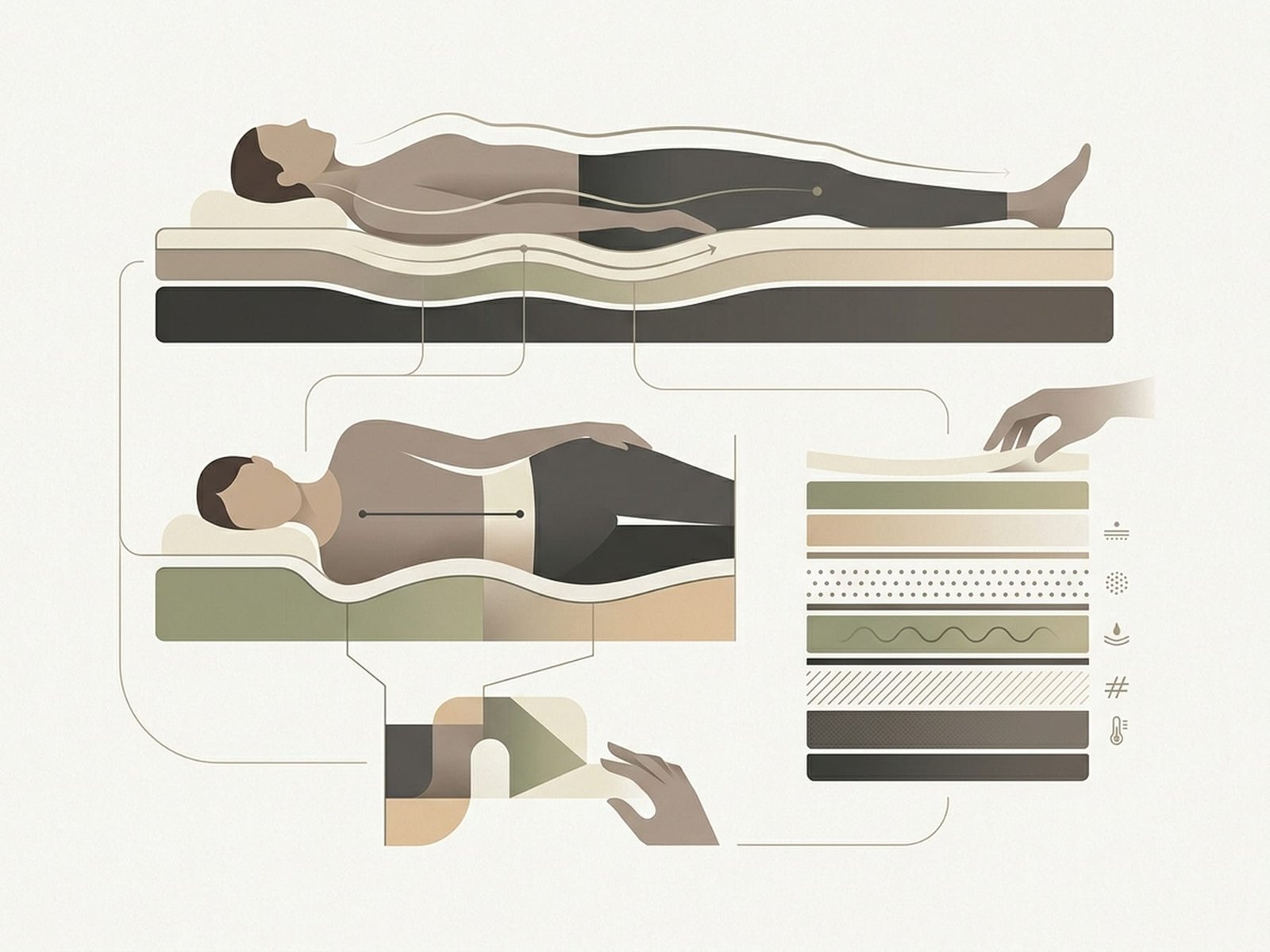
Sleep Ergonomics Mattress Science Overview
Sleep ergonomics is often a major overlooked perpetuating factor in chronic myofascial pain. Patients may respond to manual therapy, dry needling, or exercise — then flare again because their sleep setup repeatedly reloads the same tissues every night.
The interaction between mattress, pillow, temperature, and sleep posture matters because the body remains in those positions for hours without interruption. That makes sleep ergonomics one of the longest-duration mechanical influences in daily life.
Travell and Simons described sleep posture as a major perpetuating factor for trigger points. That observation still holds up clinically: when symptoms improve but repeatedly recur, sleep setup deserves careful review.
You spend one-third of your life in bed. If your sleep setup is repeatedly aggravating the same muscles, it can undo much of what your daytime treatment is trying to achieve.
Optimizing sleep ergonomics is often a high-yield intervention because the required changes are often simple: improve pillow height, add positional support, reassess mattress firmness, and reduce sustained prone sleeping.
Sleep Position Analysis
Each sleep position creates predictable loading patterns. Understanding those patterns helps match pillow height, mattress firmness, and positional supports to the patient’s symptoms.
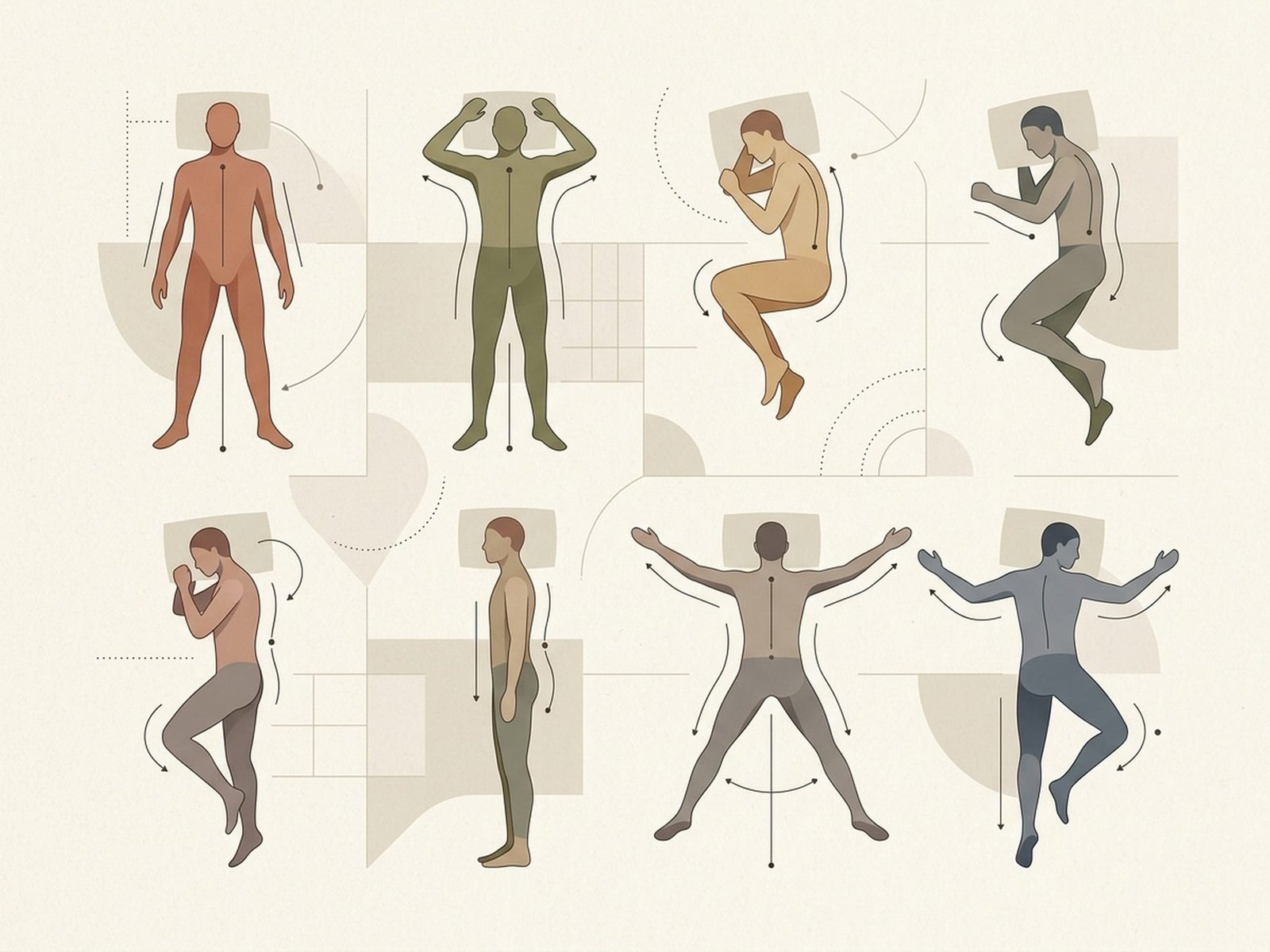
Sleep Position Analysis Diagram
Side Sleeping (Lateral Recumbent)
Back Sleeping (Supine)
Stomach Sleeping (Prone)
Pillow Selection Guide
Pillow selection matters most for cervical and upper-quarter pain. The goal is not a luxury feel — it is neutral support that fits the person’s body shape and sleep position.
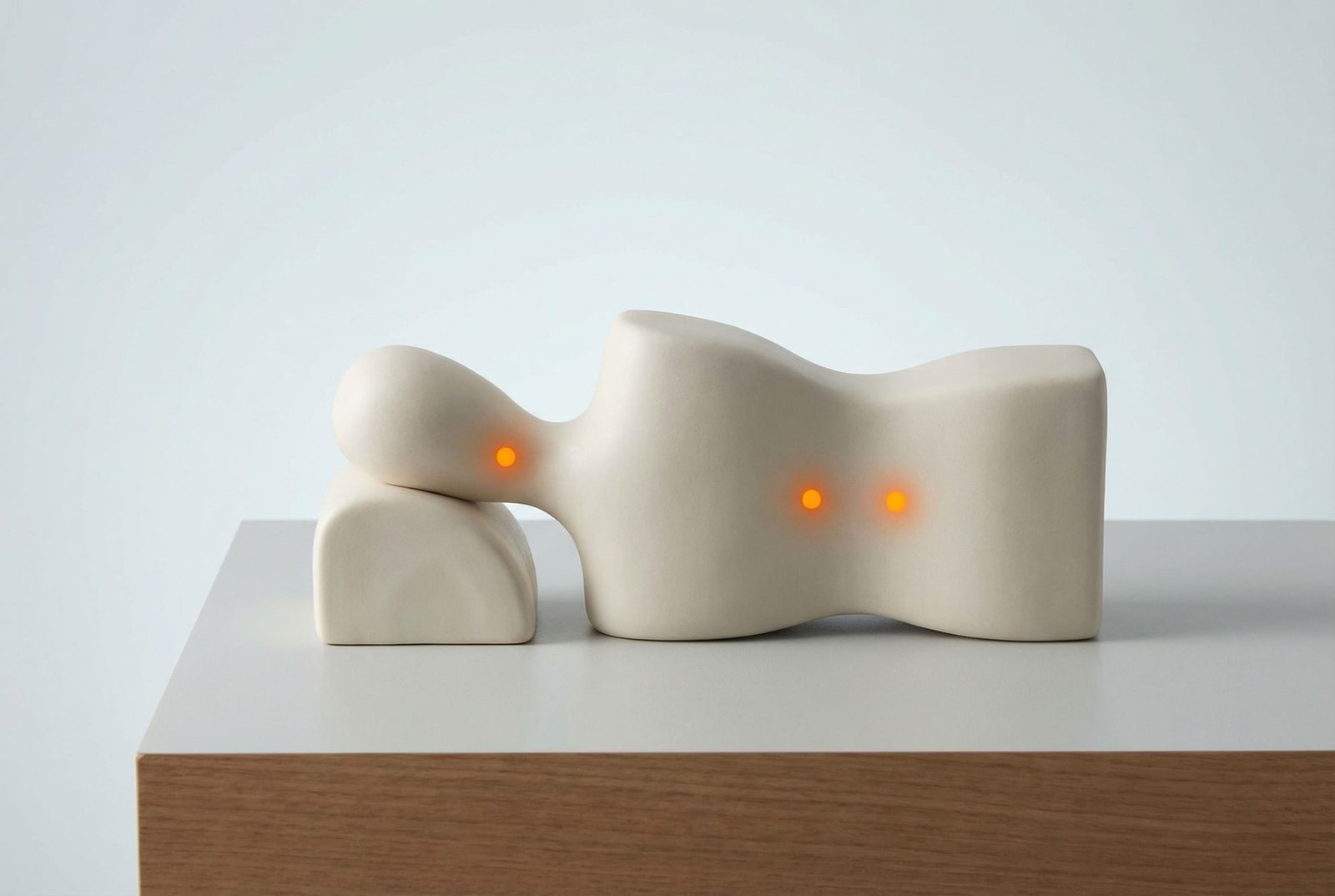
Pillow Selection and Cervical Alignment Guide
Cervical Contour Pillows
Buckwheat Hull Pillows
Memory Foam Pillows
Mattress Science & Selection
Mattress choice affects how pressure is distributed and whether the trunk, pelvis, and shoulders stay aligned during the night. Both excessive softness and excessive firmness can create problems.
Firmness Scale & Trigger Points
Mattress Types & Pain Considerations
Mattress Age & Replacement
Temperature & Sleep Surface
Positional Aids & Supports
Positional aids can solve problems that the mattress and pillow alone do not fix. Small adjustments often create disproportionate benefit.
Knee Bolster for Pelvic Alignment
- For side sleepers, placing support between the knees can reduce pelvic twisting and adduction stress through the hips and low back.
- The support usually works best when it extends far enough to support both the knees and lower leg.
- Some people do better with a wedge-shaped pillow; others do fine with a regular pillow.
- For back sleepers, a bolster under the knees may reduce lumbar extension and improve comfort.
Shoulder Accommodation for Side Sleepers
- If the bottom shoulder feels compressed, the mattress may be too firm or the position may need adjustment.
- A topper can sometimes improve comfort without replacing the whole mattress.
- A body pillow in front of the chest may help prevent the top shoulder from rolling too far forward.
- Pillow height should match shoulder width so the neck does not side-bend all night.
Lumbar Support for Back Sleepers
- Some back sleepers feel better with a small support under the knees rather than a large lumbar support under the waist.
- If a lumbar support is used, it should be gentle and not force excessive arching.
- The goal is neutral comfort rather than forcing an idealized spinal curve.
- If the mattress already supports the body well, extra lumbar support may not be necessary.
Body Pillow for Full Alignment
- A body pillow can help support the top arm, top leg, and trunk at the same time.
- This is especially useful for side sleepers whose top shoulder and hip tend to roll forward.
- Full-length body pillows can also help stomach sleepers transition away from prone sleeping.
- For some patients, large U-shaped or C-shaped pillows provide the most stable support.
Why Sleep Posture Perpetuates Trigger Points
Sleep posture perpetuates trigger points because it combines long duration, poor movement variability, and repeated tissue loading in the same pattern night after night.
Sustained Muscle Shortening
Sustained Pressure Compression
Positional Nerve Compression
Pelvic and Spinal Misalignment
Corrective Strategies
Reduce or eliminate stomach sleeping when chronic cervical, upper-trapezius, or SCM trigger points are present.
Choose a pillow that keeps the neck neutral in the primary sleep position instead of forcing side-bending, flexion, or extension.
Use a knee bolster or body pillow when pelvic rotation, piriformis pain, or side-sleeping asymmetry is part of the problem.
Reassess mattress firmness and age if the sleep surface is clearly sagging, excessively firm, or consistently associated with morning pain and stiffness.
Sleep ergonomics is often one of the biggest hidden perpetuating factors in chronic trigger point pain.
Stomach sleeping is frequently the worst position for chronic neck and upper-back trigger points.
Pillow height matters: too high or too low both create predictable cervical loading problems.
A medium-firm mattress is often a practical starting point, but the best choice still depends on body type and sleep position.
Knee bolsters, body pillows, and other supports can reduce pelvic torsion, shoulder compression, and low-back strain.
A visibly sagging or worn-out mattress can keep pain active regardless of what happens during treatment sessions.
Adjustable pillow systems are especially useful for people who alternate between side and back sleeping.
Cooling, airflow, and sleep-surface comfort matter because overheating can worsen sleep quality and muscle tension.
The Bottom LineIf you are investing time and energy into trigger point treatment but have not evaluated your sleep setup, you may be missing one of the most powerful daily perpetuating factors. Because sleep loading lasts for hours at a time, even simple changes in pillow height, mattress support, knee bolsters, or sleep position can have outsized effects on recovery.