Understanding Posterior Thigh Pain
Hamstring strains represent the most common non-contact muscle injury in sprinting and high-speed running sports. Injuries typically occur at the myotendinous junction or the proximal free tendon complex. While acute strains present with sudden onset pain, bruising, and functional limitation, the well-documented high recurrence rate—commonly reported in the range of one in four to nearly one in three returning athletes—suggests that underlying biomechanical or myofascial factors often remain unresolved. Differentiating a true structural strain from referred myofascial pain is a critical step in guiding appropriate rehabilitation and preventing chronic posterior thigh dysfunction.
Myofascial pain syndrome (MPS) frequently coexists with or mimics hamstring injury. Following an acute strain, residual trigger points often develop in the healing muscle belly, altering muscle activation patterns and delaying return to sport. Furthermore, trigger points in the gluteus maximus, piriformis, and the ischial fibers of the adductor magnus can refer pain directly into the posterior thigh. Patients with these referral patterns may report a sensation of chronic hamstring "tightness" or recurrent minor strains, despite normal tissue integrity on imaging.
Differentiating structural hamstring injury from gluteal myofascial referral and neural tension is essential, as the sensation of chronic hamstring "tightness" rarely resolves with stretching alone.
Clinical differentiation relies on a combination of mechanism of injury, palpation, and functional testing. A true acute strain typically involves a specific, identifiable mechanism (e.g., the terminal swing phase of sprinting) and localized tenderness at the myotendinous junction. In contrast, myofascial referral often presents insidiously, with pain provoked by prolonged sitting or specific postural loads. Current guidelines generally recommend a thorough assessment of lumbopelvic mechanics and neural tension, as sciatic nerve sensitivity can also contribute to persistent posterior thigh symptoms.
Anatomy & Key Muscles
The posterior thigh is governed by the hamstring complex and heavily influenced by the overlying gluteal musculature. Understanding the distinct roles of these muscles aids in localizing the source of pain.
Biceps Femoris
The lateral hamstring muscle, consisting of a long and short head. It is the most frequently strained muscle in the hamstring complex, particularly during high-speed sprinting. Trigger points in the biceps femoris typically refer pain to the posterior knee and the lower lateral posterior thigh.
Posterior lateral thigh extending down to the back of the knee.Semimembranosus
A medial hamstring muscle that is often injured during overstretch mechanisms, such as high kicking or sliding. It has a complex proximal tendinous origin that can be a site of chronic tendinopathy. Myofascial trigger points here refer pain to the gluteal fold and medial posterior thigh.
Gluteal fold and medial aspect of the posterior thigh.Semitendinosus
The other medial hamstring muscle, notable for its long distal tendon. While less commonly strained acutely than the biceps femoris, it frequently develops compensatory myofascial tightness. Trigger points refer pain locally and slightly distally along the posterior thigh.
Mid-to-lower medial posterior thigh.Gluteus Maximus
The primary extensor of the hip. Lower trigger points in the gluteus maximus refer pain strongly into the posterior thigh, frequently mimicking the symptoms of a high hamstring strain or proximal tendinopathy. Addressing these trigger points is often necessary when posterior thigh pain persists without a clear mechanism of injury.
Buttock, gluteal fold, and extending down the posterior thigh.Piriformis
A deep external rotator of the hip. Trigger points in the piriformis refer pain to the buttock and posterior thigh. Additionally, increased tension in this muscle can contribute to sciatic nerve irritation, which produces neural tension symptoms that closely mimic hamstring tightness or recurrent strain.
Buttock, posterior thigh, and occasionally the posterior calf.Adductor Magnus (Ischial Fibers)
The posterior, or "hamstring," part of the adductor magnus originates on the ischial tuberosity and functions as a hip extensor. It is frequently overlooked in posterior thigh pain. Trigger points here refer deep aching pain into the pelvis and down the medial-posterior thigh.
Deep pelvic pain and medial-posterior thigh ache.
Acute Muscle Strain
Structural tearing of muscle fibers, typically at the myotendinous junction, caused by rapid eccentric overload during sprinting or overstretching.
Myofascial Referral
Pain projected into the posterior thigh from active trigger points in the gluteus maximus, piriformis, or adductor magnus, often mimicking a strain.
Neural Tension
Irritation or restricted mobility of the sciatic nerve, producing a deep ache or tightness in the hamstrings that worsens with spinal flexion.
Proximal Tendinopathy
Degenerative changes in the common hamstring tendon at the ischial tuberosity, characterized by deep buttock pain exacerbated by sitting or deep hip flexion.
Pain Referral Patterns
Pain in the posterior thigh does not always originate in the hamstrings. Trigger points in the hip and pelvis frequently project pain downward, creating overlapping symptom profiles.
- Biceps Femoris & Semimembranosus
- Pain is generally localized to the posterior thigh, often concentrating near the myotendinous junction or the posterior knee. Patients frequently describe a deep, cramping sensation that worsens with active knee flexion or passive hip flexion.
- Gluteus Maximus (Lower Fibers)
- Refers a deep, aching pain starting at the gluteal fold and radiating down the back of the thigh. This pattern is commonly misidentified as a high hamstring strain, especially when provoked by prolonged sitting or uphill walking.
- Piriformis & Deep External Rotators
- Pain originates in the buttock and radiates down the posterior thigh. If the sciatic nerve is mechanically irritated, the pain may take on a sharper, shooting quality that extends below the knee.
Clinical Assessment
Clinical evaluation aims to differentiate structural tissue damage from referred pain and neural tension. These standard assessments help clarify the primary pain generator.
Active Knee Flexion Resistance Test
While lying prone (face down), bend the knee to 90 degrees. Have a partner apply downward pressure on the heel while you resist, attempting to pull the heel toward the glutes. Note the location and character of any pain.
Positive: Sharp pain localized to the posterior thigh muscle belly or myotendinous junction suggests a structural hamstring strain.
Puranen-Orava Test
Stand and place the heel of the affected leg on a surface at roughly hip height (hip flexed to 90 degrees, knee extended). Actively reach forward toward the toes to stretch the posterior thigh.
Positive: Exacerbation of pain near the ischial tuberosity (sit bone) suggests proximal hamstring tendinopathy or a high hamstring strain.
Slump Test (Neural Tension)
Sit on the edge of a table with hands behind the back. Slump the upper back and neck forward. Slowly straighten the affected knee and pull the toes upward. If pain occurs, lift the head to look up and note if the pain changes.
Positive: Reproduction of posterior thigh pain that decreases when the head is lifted suggests sciatic nerve tension rather than an isolated muscle strain.
Palpation Differentiation
Carefully press along the ischial tuberosity (sit bone), the gluteal fold, and the bulk of the hamstring muscle belly. Compare the tenderness and tissue texture to the uninjured side.
Positive: Exquisite, localized tenderness at a specific point in the hamstring suggests a strain, whereas diffuse tenderness with palpable taut bands in the gluteal area suggests myofascial referral.
Treatment & Rehabilitation
Management of posterior thigh pain requires a phased approach. Acute strains require tissue healing and progressive loading, while myofascial pain requires targeted deactivation of trigger points and movement re-education.
Self-Care
- Relative rest and activity modification during the acute phase
- Application of ice for acute strains, transitioning to heat for myofascial tightness
- Pain-free submaximal isometric contractions to maintain tissue capacity
- Avoidance of aggressive static stretching of the hamstrings
- Gentle foam rolling of the gluteal region to address secondary trigger points
Manual Therapy
- Soft tissue mobilization of the hamstring myotendinous junction
- Ischemic compression for trigger points in the gluteus maximus and piriformis
- Neurodynamic mobilization (nerve gliding) for sciatic nerve sensitivity
- Lumbopelvic joint mobilization to address compensatory movement patterns
- Instrument-assisted soft tissue mobilization (IASTM) for chronic tendinopathy
Interventional
- Diagnostic ultrasound to grade the severity of the muscle tear
- Dry needling for persistent myofascial trigger points in the posterior thigh and glutes
- Platelet-rich plasma (PRP) injections (evidence is mixed, but sometimes considered for chronic tendinopathy)
- Corticosteroid injections for confirmed ischiogluteal bursitis (rarely used for muscle strains)
Rehabilitation
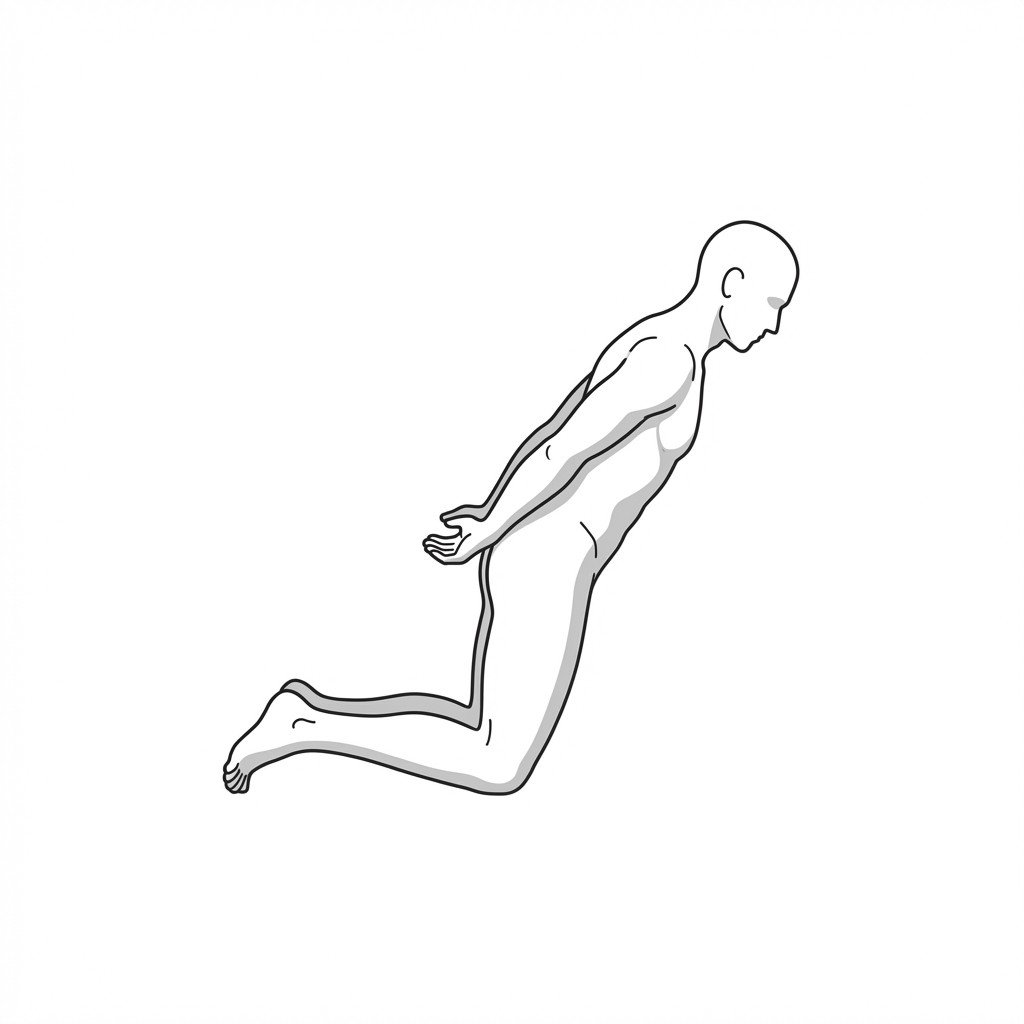
- Progressive eccentric loading (e.g., Nordic hamstring exercises)
- Lumbopelvic motor control and core stabilization exercises
- Gluteal strengthening to reduce compensatory hamstring overload
- Gradual reintroduction of high-speed running and sprint mechanics
- Agility and sport-specific functional testing prior to return to play
Red Flags — When to See a Doctor
While most posterior thigh pain is musculoskeletal and manageable with conservative care, certain signs indicate severe structural damage or systemic issues that require prompt medical attention.
Palpable Defect with Massive Bruising
A noticeable gap or "divot" in the muscle belly near the buttocks, accompanied by extensive bruising down the back of the thigh and calf, suggests a complete proximal avulsion or high-grade tear.
UrgentProgressive Neurologic Deficits
New or worsening weakness in the foot (e.g., foot drop) or severe numbness in the lower leg and foot may indicate severe sciatic nerve compression or injury.
UrgentInability to Bear Weight
Severe pain that completely prevents walking or bearing weight on the affected leg requires immediate imaging to rule out avulsion fractures or severe structural damage.
UrgentUnexplained Night Pain or Weight Loss
Posterior thigh or pelvic pain that is severe at night, unrelated to movement, and accompanied by systemic symptoms requires evaluation to rule out malignancy or infection.
InvestigateCalf Swelling, Redness, and Warmth
Deep, throbbing pain in the calf with swelling and redness, especially after a period of immobilization, may indicate a deep vein thrombosis (DVT).
Emergency
Key Takeaways
Hamstring strains are the most common non-contact muscle injuries in sprinting sports, but their high recurrence rate often points to unresolved biomechanical or myofascial issues.
Trigger points in the lower gluteus maximus and piriformis frequently refer pain to the posterior thigh, closely mimicking the symptoms of a high hamstring strain.
A sensation of chronic hamstring "tightness" is often driven by neural tension or protective muscle guarding rather than true structural shortening.
Current guidelines generally recommend progressive eccentric loading, such as the Nordic hamstring exercise, for both the rehabilitation and prevention of hamstring strains.
Differentiating between a structural myotendinous tear, proximal tendinopathy, and myofascial referral is critical, as aggressive stretching can worsen both acute strains and neural tension.
Residual trigger points often develop in the hamstring muscle belly following an acute strain, potentially altering muscle activation and delaying a safe return to sport.
Movement therapy
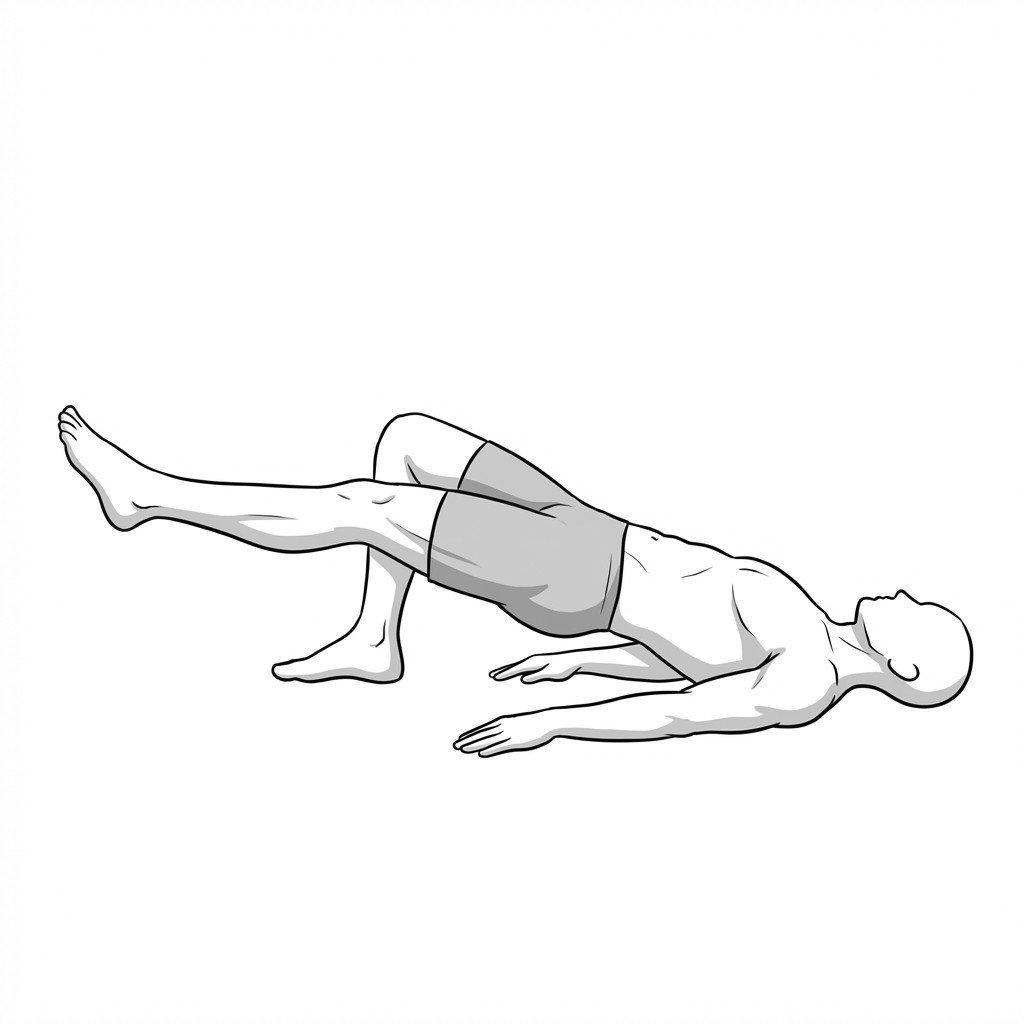
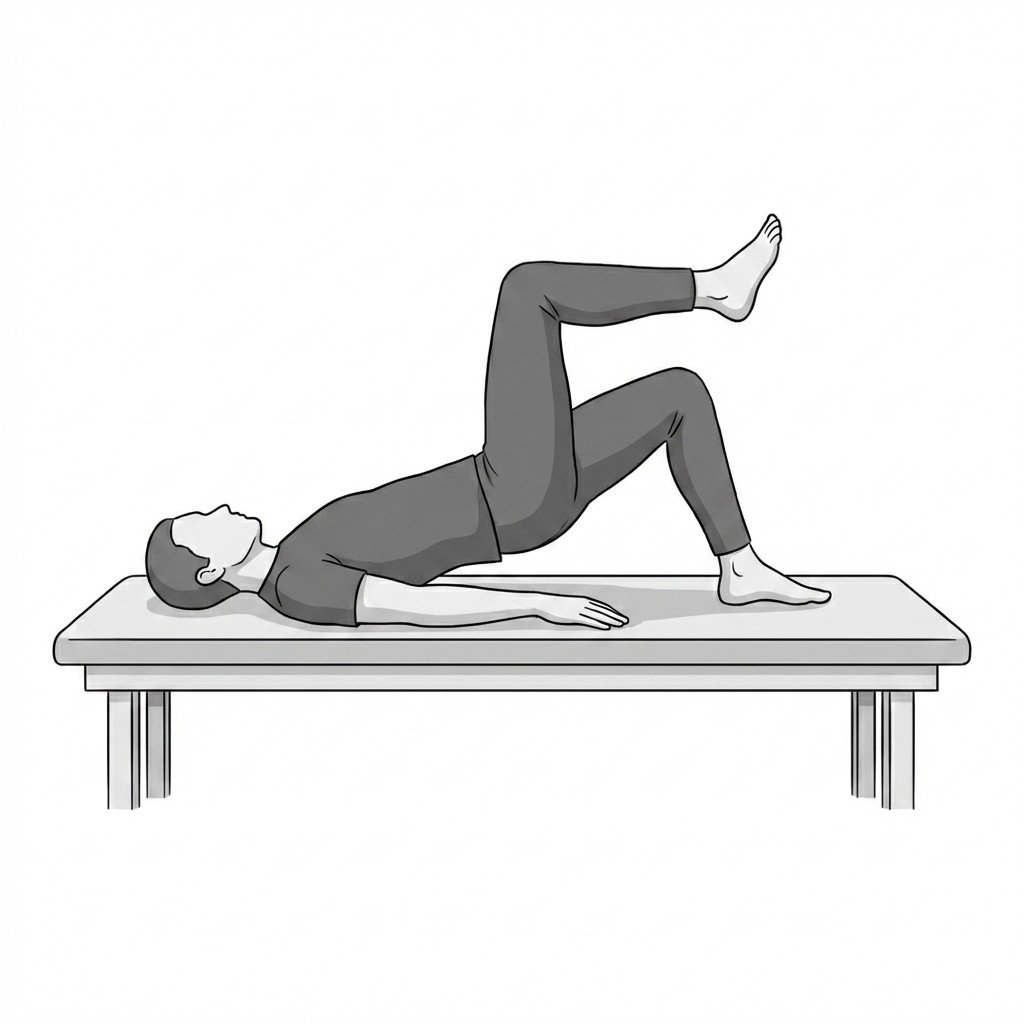
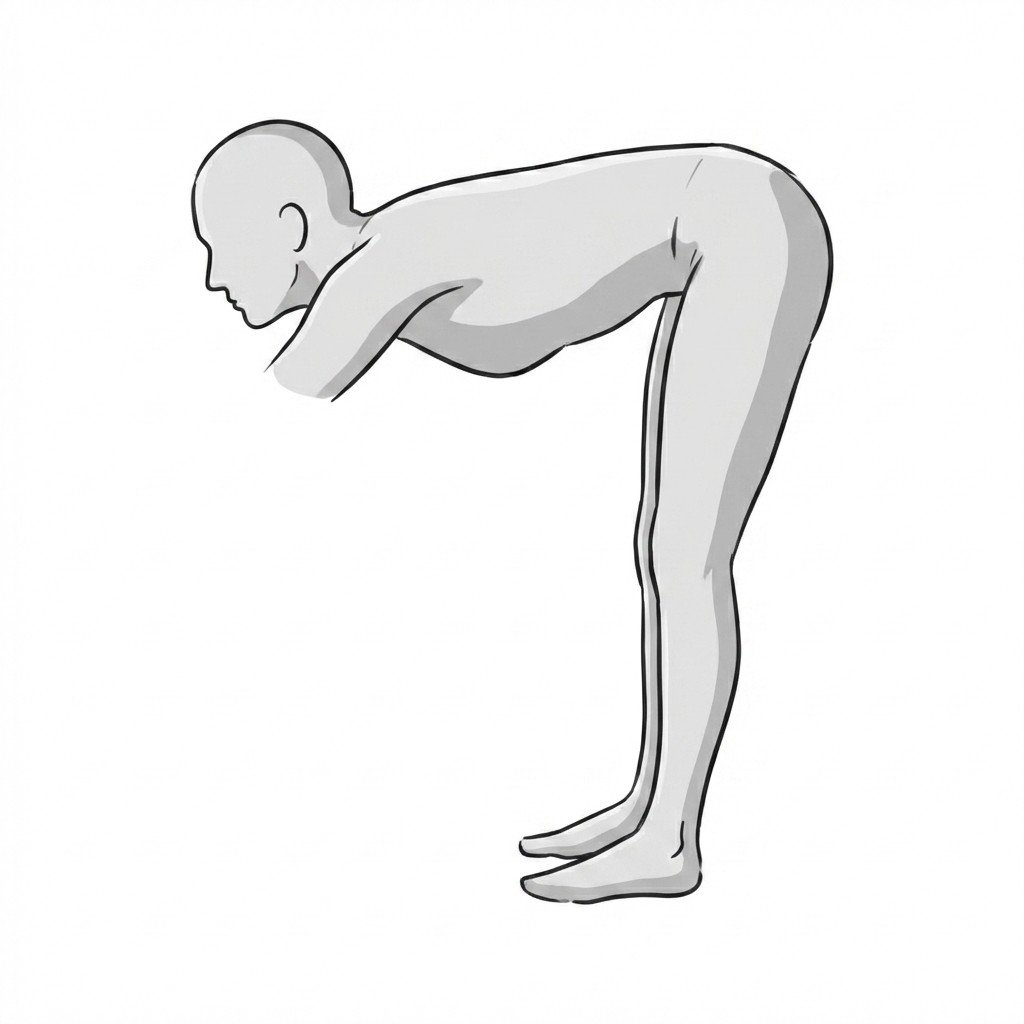
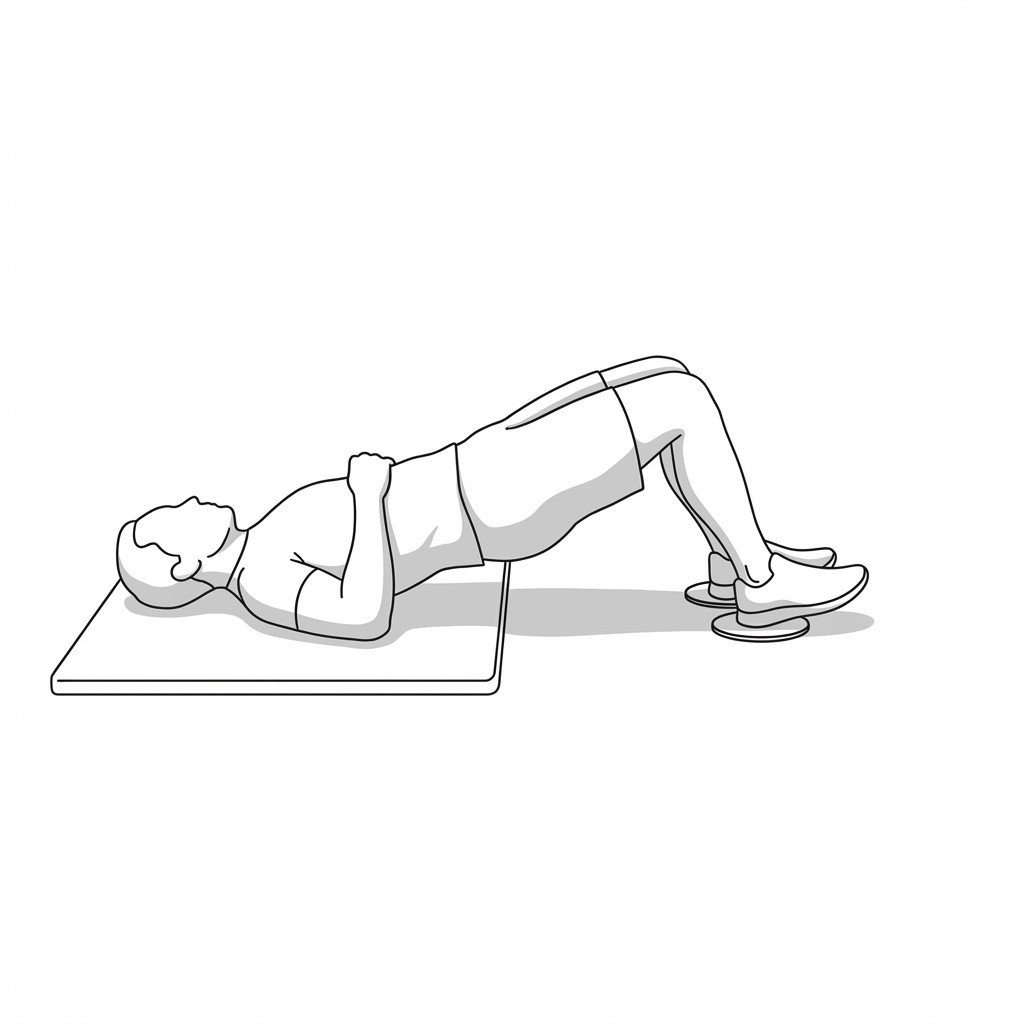
Exercises for Hamstring Strain
Hamstring rehabilitation follows a specific progression: early isometric holds to manage pain and maintain neural drive, moving toward lengthened-position eccentric loading — the pattern that most strongly reduces re-injury risk. Start with 2–3 and progress as tolerated.