Understanding Chest Wall Pain
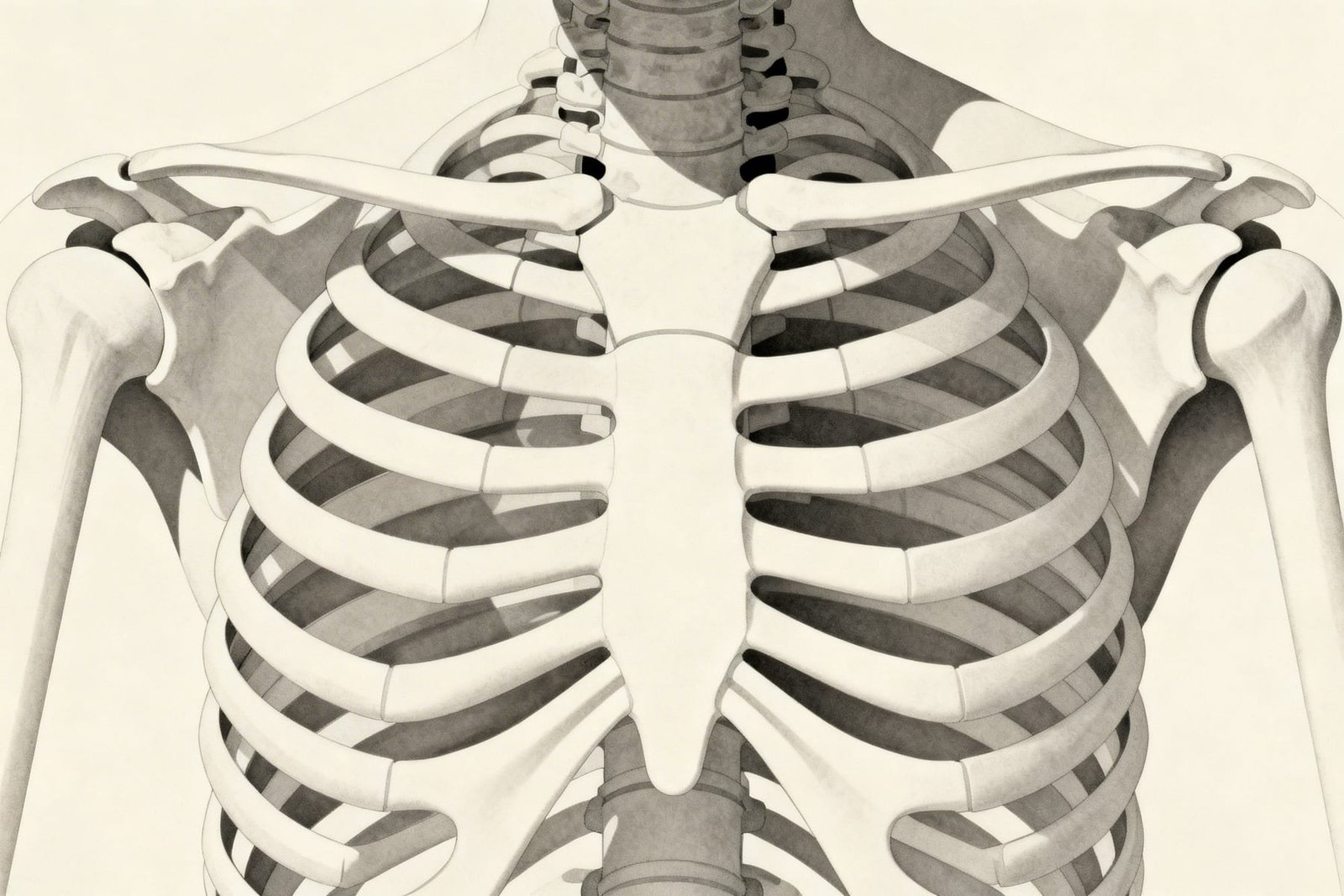
Chest Pain Costochondritis
Anatomy and Pain Pattern OverviewNon-cardiac chest pain is a common clinical presentation. After cardiac and other serious causes are excluded, many patients are left with a general label like "atypical chest pain" or "musculoskeletal chest pain." In some of these cases, trigger points in the chest wall muscles may be one contributing factor — though they are not the only musculoskeletal explanation, and the picture is often more complex than a single cause.
The chest wall is a complex structure, and pain originating from muscles, cartilage, ribs, or nerves in this area can produce symptoms that overlap with other conditions. This overlap is precisely why medical evaluation must come first — clinical examination can help distinguish between different possible contributors.
Chest pain has many possible causes. After serious conditions have been excluded, musculoskeletal contributors including trigger points are worth considering — but they are one piece of a larger clinical picture.
Costochondritis — pain at the costochondral junctions — is a commonly applied diagnosis for non-cardiac chest pain. In some patients, a myofascial component may coexist with or contribute to this presentation. The relative contributions of inflammation, mechanical factors, and myofascial dysfunction are not fully sorted out in every case.
Muscles That May Be Involved
Several chest wall muscles can develop trigger points. The following are among those more commonly discussed in the context of non-cardiac chest pain. This is not an exhaustive list, and the presence of trigger points in these muscles does not mean they are the sole explanation for any individual patient's symptoms.
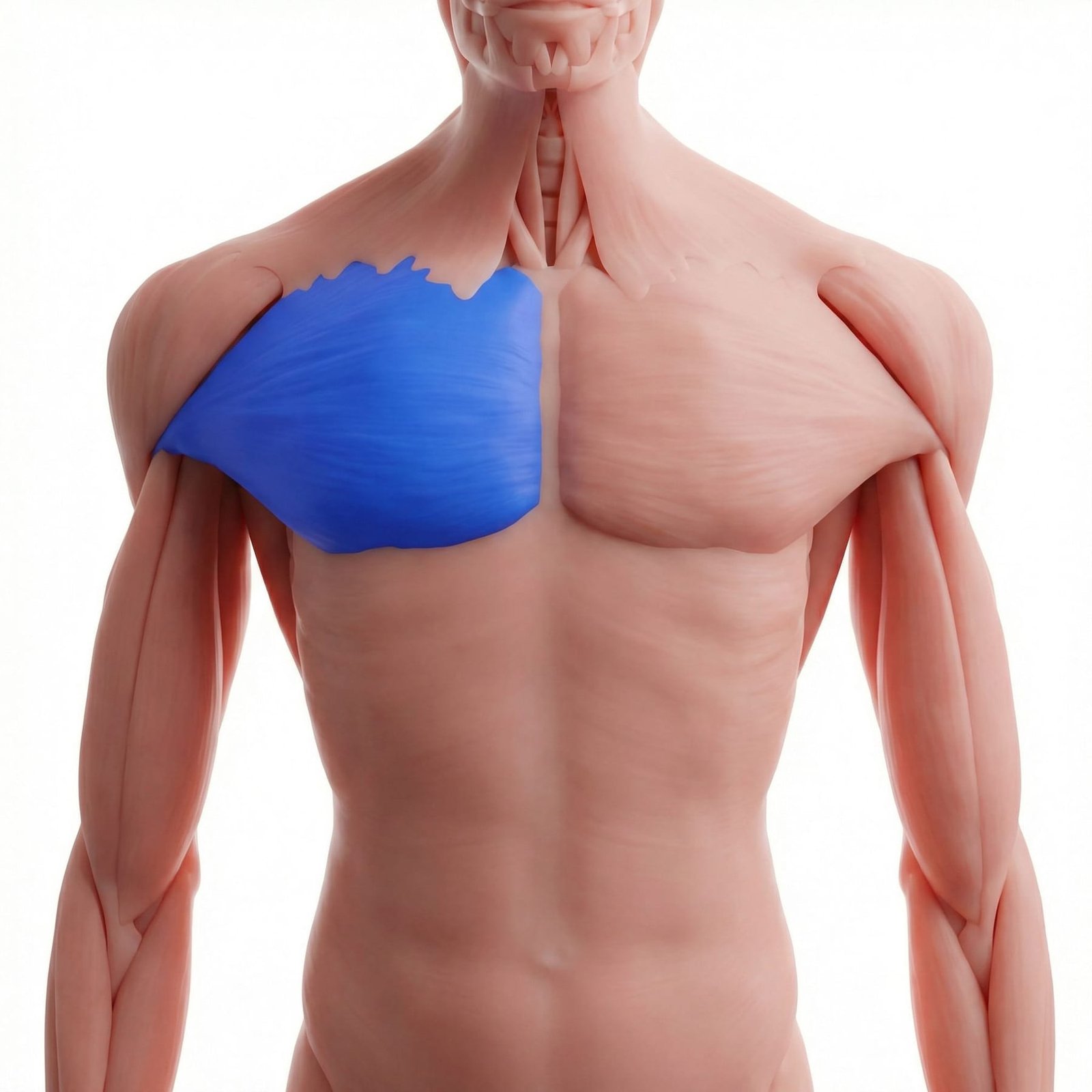
Trigger points in the pectoralis major can refer pain across the chest, anterior shoulder, and down the medial arm. Some of these referral patterns overlap with areas associated with cardiac pain, which is one reason cardiac evaluation should come first. Pectoralis trigger points may be associated with sustained desk posture, heavy lifting, or emotional stress.
Trigger points in the intercostal muscles can produce sharp, localized pain along the rib that may worsen with deep breathing, coughing, or trunk rotation. Pain at the costochondral junction is sometimes diagnosed as costochondritis. In some patients, a myofascial component may coexist with or contribute to this presentation.
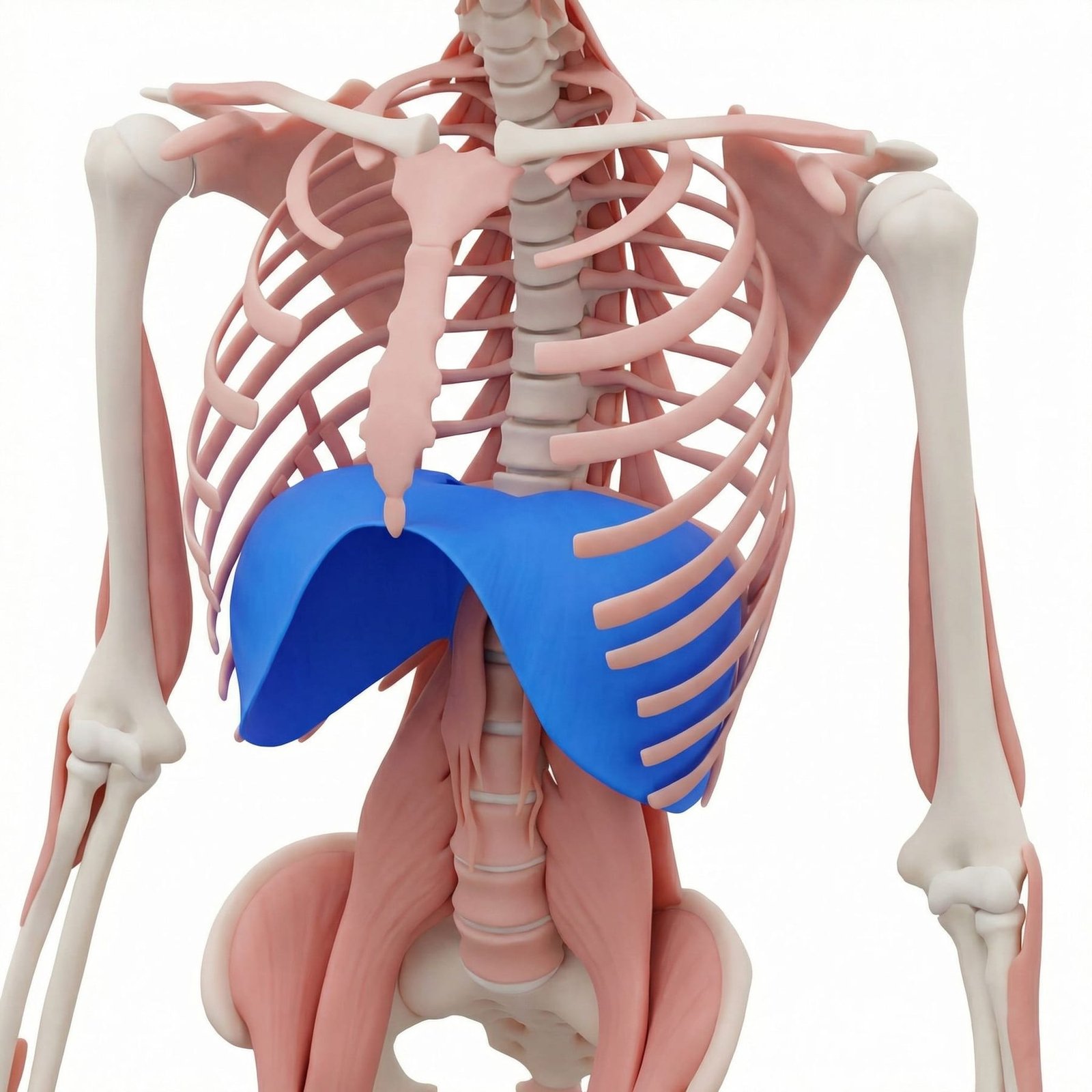
The diaphragm can develop trigger points along its costal attachments. These may refer pain to the lower anterior chest wall and epigastric region. Breathing pattern — particularly chest-dominant breathing — is discussed as a contributing factor for chest wall muscle overload in some patients.
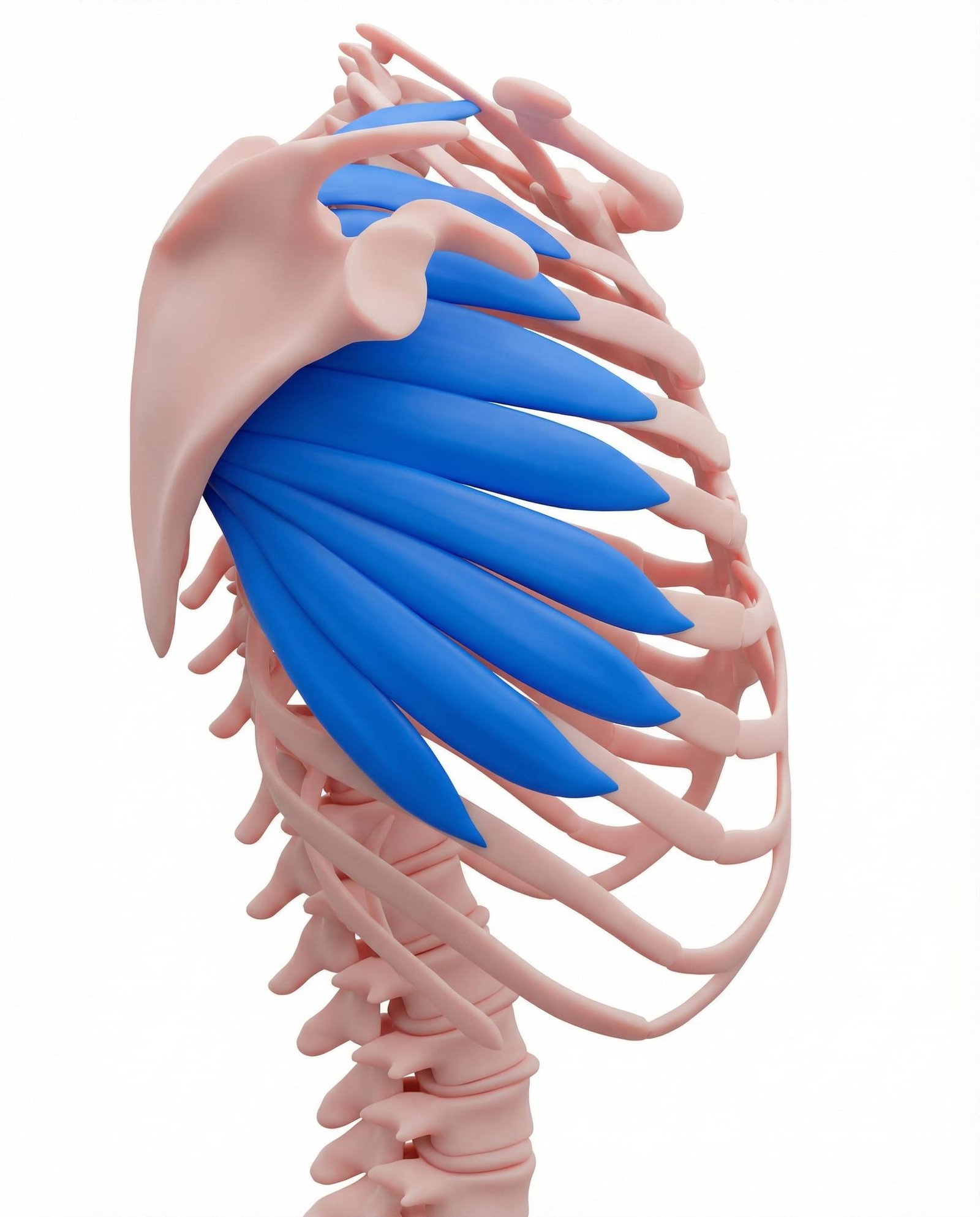
Trigger points in the serratus anterior can produce pain along the lateral chest wall and at the medial border of the scapula. The lateral chest wall component may occasionally resemble pleuritic pain.
Pectoralis Major
Can refer pain across the chest and down the arm. Some overlap with cardiac pain distributions — cardiac evaluation must come first.
Intercostal Muscles
Sharp, breathing-related pain along the ribs. One possible contributor to costochondritis-type presentations.
Diaphragm
Can refer pain to the lower chest and epigastric region. Breathing patterns may play a role in some patients.
Referral Patterns
Some chest wall trigger point referral patterns overlap with patterns associated with cardiac, pulmonary, or gastrointestinal conditions. This overlap reinforces why medical evaluation must come before any musculoskeletal interpretation.
Pectoralis Major (Sternal Section)
Intercostal Muscles
Diaphragm
What You Can Observe
There is very little that should be self-assessed when it comes to chest pain. If you have had a thorough medical evaluation and your clinician has suggested a musculoskeletal contribution, the observation below may be relevant to mention at your next appointment.
Breathing Pattern Observation
Approaches After Medical Clearance
If your clinician has identified a musculoskeletal contribution to your chest pain, the following approaches may be relevant. These are appropriate only after cardiac and other serious causes have been excluded.
Self-Care (After Medical Clearance)
- Breathing practice: slow, relaxed diaphragmatic breathing — inhale through the nose, exhale through pursed lips. Practice for a few minutes several times daily
- Gentle pectoralis stretching in a doorway — hold 20-30 seconds, within comfort
- Warmth applied to the chest wall if comfortable
- Stress management and relaxation techniques — chest wall symptoms can be sensitive to stress and anxiety
Professional Treatment
- Manual therapy: gentle pressure on identified tender areas in the chest wall muscles
- Breathing retraining with a physiotherapist if a chest-dominant pattern is identified
- Postural work: addressing rounded shoulders, thoracic stiffness, and forward head posture where relevant
- Gradual return to activity and exercise as tolerated
- Psychological support if health anxiety is prominent — non-cardiac chest pain is frequently accompanied by worry about the heart, which is understandable and worth addressing
Red Flags — When to See a Doctor
Chest pain should be treated as a potential medical emergency until properly evaluated. The following conditions require immediate attention.
New, changing, or unexplained chest pain requires medical evaluation before considering musculoskeletal causes. Cardiac and other serious causes must be excluded first.
After appropriate medical evaluation, chest wall trigger points are one of several possible musculoskeletal contributors to non-cardiac chest pain. They are not the only explanation.
In some patients with costochondritis, a myofascial component may coexist with or contribute to the presentation.
Breathing patterns, posture, and stress are discussed as contributing factors for some patients with chest wall symptoms.
Self-care approaches like breathing practice, gentle stretching, and stress management may be helpful after medical clearance — but should not replace medical evaluation for new symptoms.
Non-cardiac chest pain can cause significant worry about the heart. This is a normal response, and addressing the anxiety component is a recognized part of care.