Understanding Interscapular Pain
Interscapular pain is a very common complaint, especially in desk workers, overhead athletes, and people with sustained forward-head or rounded-shoulder postures. Patients often describe it as “rhomboid pain,” but the actual source can be more complicated.
When interscapular pain is myofascial, the rhomboids and middle trapezius are common contributors, but they are not the only ones. Deeper muscles, thoracic joints, cervical referral, and even visceral causes can overlap with the same symptom territory.
The interscapular region is a convergence zone: local muscle pain, cervical referral, thoracic joints, and visceral causes can all overlap there.
This is why diagnosis matters so much. Interscapular pain is less about finding one magic tender spot and more about deciding whether the pain is local, referred, mixed, or non-musculoskeletal.
Anatomy & Pain Generators
The interscapular region contains several layers of soft tissue and lies close to the cervical and thoracic structures that commonly refer pain into it.
Rhomboid Major and Minor
The rhomboids connect the medial border of the scapula to the lower cervical and upper thoracic spine. They help retract and downwardly rotate the scapula. In many modern postural patterns, they are less “tight and short” than chronically lengthened and overloaded.
Aching pain concentrated along the medial border of the scapula, usually staying within the interscapular region rather than traveling far up or down.Middle Trapezius
Because the middle trapezius overlies the rhomboids, patients and clinicians often label any interscapular pain as “rhomboid pain” when middle trapezius is actually a major contributor. It is commonly irritated by prolonged arm-forward work or unsupported reaching.
Superficial aching pain across the interscapular region, often near the medial border of the scapula and sometimes laterally toward the shoulder.Serratus Posterior Superior
This deeper upper-back muscle can contribute to persistent interscapular pain, especially when rib mechanics, breathing, or thoracic tension are involved. It is often overlooked because of its depth.
A deeper ache under the upper scapular region, sometimes extending toward the posterior shoulder or triceps region.Levator Scapulae
Although more commonly considered a neck-and-superior-scapular muscle, the levator scapulae often coexists with rhomboid and trapezius dysfunction in postural shoulder-girdle pain.
Pain at the angle of the neck and superior medial border of the scapula, often with cervical rotation restriction.Thoracic Multifidus
Deep thoracic stabilizers can become painful when thoracic joints are irritated or restricted. Their pain may be perceived more superficially than the true source.
Deep focal pain close to the thoracic spinous processes, sometimes radiating laterally toward the scapular border.
Postural Overload
Sustained forward-head and rounded-shoulder posture can chronically overload the interscapular muscles.
Cervical Referral
Lower cervical structures may refer pain into the medial scapular border without obvious dominant neck pain.
Thoracic Joint Dysfunction
Thoracic facet or costovertebral dysfunction may mimic or drive local muscle spasm and pain.
Scapular Dyskinesis
Poor scapular mechanics can make rhomboids, trapezius, and levator scapulae compensate excessively.
Referral Patterns & Differential Diagnosis
Pain between the shoulder blades is famous for being referred from other regions, which is why local palpation alone is rarely enough.
- Cervical Spine Referral (including C5-C6 patterns)
- Cervical referral may produce pain near the medial scapular border, often described as deeper and more burning or ache-like than straightforward local muscle soreness. Neck movement usually changes it more than shoulder movement does.
- Thoracic Facet / Costovertebral Referral
- Upper thoracic joint irritation can refer pain into the interscapular region and may be aggravated by thoracic rotation, extension, rib movement, or deep breathing.
- Visceral Referral (Cardiac / Gallbladder / Other)
- Visceral referral must stay on the differential when interscapular pain is accompanied by systemic symptoms, exertional symptoms, GI features, or a pattern that clearly does not behave like a musculoskeletal complaint.
Clinical Assessment Principles
Clinical assessment should help distinguish local muscle pain from cervical or thoracic referral rather than assuming every tender spot is the primary cause.
Cervical Range of Motion Assessment
While seated, rotate the head left and right, then extend the neck backward. Notice whether these neck movements change the interscapular pain.
Positive: If neck movement clearly reproduces or changes the interscapular pain, a cervical source becomes more plausible than a purely local rhomboid problem.
Scapular Protraction Palpation
Cross the arms to protract the shoulder blades and expose the interscapular tissues more fully. Palpate the area gently or use a ball against a wall if appropriate.
Positive: A very focal tender area that reproduces the familiar aching pain supports a local myofascial contribution in the rhomboids or middle trapezius.
Thoracic Rotation Screen
Sit upright, cross the arms over the chest, and rotate the trunk to both sides while keeping the hips facing forward.
Positive: Marked asymmetry or pain closer to the thoracic spine during rotation may suggest thoracic joint contribution rather than only superficial interscapular muscle pain.
Deep Inspiration Test
Take a deep breath and notice whether it changes the pain between the shoulder blades.
Positive: A meaningful increase in deeper interscapular pain with inhalation may suggest rib, costovertebral, or deeper muscle involvement rather than isolated superficial rhomboid pain.
Evidence-Based Management
When the pain is primarily myofascial, treatment usually works best when local tissue work is combined with posture correction, cervical/thoracic mobility, and scapular rehabilitation.
Self-Care
- Ergonomic changes to reduce prolonged forward-head and unsupported arm posture
- Gentle massage-ball work or ischemic compression where clearly helpful
- Cervical and thoracic active range of motion
- Local heat when it reduces guarding and muscle tone
- Pacing of repetitive reaching or prolonged desk work
Manual Therapy
- Myofascial treatment targeting rhomboid, middle trapezius, or adjacent tissues
- Thoracic joint mobilization or manipulation where clinically indicated
- Cervical mobilization if referral from the neck is suspected
- Instrument-assisted soft tissue treatment when appropriate
- Post-isometric relaxation and scapular muscle unloading strategies
Interventional
- Trigger point injection for clearly refractory myofascial pain
- Cervical epidural or other spinal injections only when a spinal diagnosis is actually confirmed
- Thoracic facet interventions in selected joint-driven cases
- Dry needling of interscapular muscle groups when appropriate
- Acupuncture as an adjunctive option in selected pain-management settings
Rehabilitation
- Scapular stabilization work, especially serratus anterior and lower trapezius
- Deep neck flexor and postural endurance training
- Thoracic extension and ribcage mobility work
- Scapulohumeral rhythm retraining
- Progressive posterior-chain strengthening
Red Flags & Visceral Mimics
The interscapular region is a known site of referred pain from cardiac, GI, spinal, and oncologic conditions. Those possibilities should be considered when the presentation is not clearly mechanical.
Exertional Left-Sided Pain
Left-sided interscapular pain that worsens with exertion or is accompanied by shortness of breath, sweating, nausea, or other systemic symptoms requires urgent cardiac evaluation.
EmergencyNeurological Deficits
Progressive weakness, numbness, hand clumsiness, or gait and balance changes may suggest cervical myelopathy or significant radiculopathy rather than a simple local muscle problem.
UrgentPain Unrelieved by Rest
Severe, unrelenting, or night-dominant pain that does not behave mechanically deserves medical evaluation for non-myofascial causes.
InvestigateHistory of Smoking with Arm Pain
Interscapular or shoulder-region pain with medial arm radiation in a smoker deserves broader medical evaluation and should not be dismissed as a routine postural pain pattern.
UrgentAssociated Gastrointestinal Symptoms
Right-sided interscapular pain associated with meals, nausea, vomiting, or jaundice may reflect gallbladder or other visceral pathology rather than local MPS.
Investigate
Clinical Pearls
Interscapular pain is not always a local rhomboid problem; cervical and thoracic referral patterns are common.
Rhomboids are often chronically lengthened and overloaded rather than simply “tight.”
Visceral referral patterns must stay on the differential when symptoms behave systemically or non-mechanically.
Thoracic facet and costovertebral dysfunction can mimic or coexist with interscapular myofascial pain.
The best management is usually multimodal: local treatment plus postural, cervical, thoracic, and scapular rehabilitation.
True isolated rhomboid pathology is probably less common than broader interscapular dysfunction involving middle trapezius, deeper thoracic structures, or cervical referral.
Movement therapy
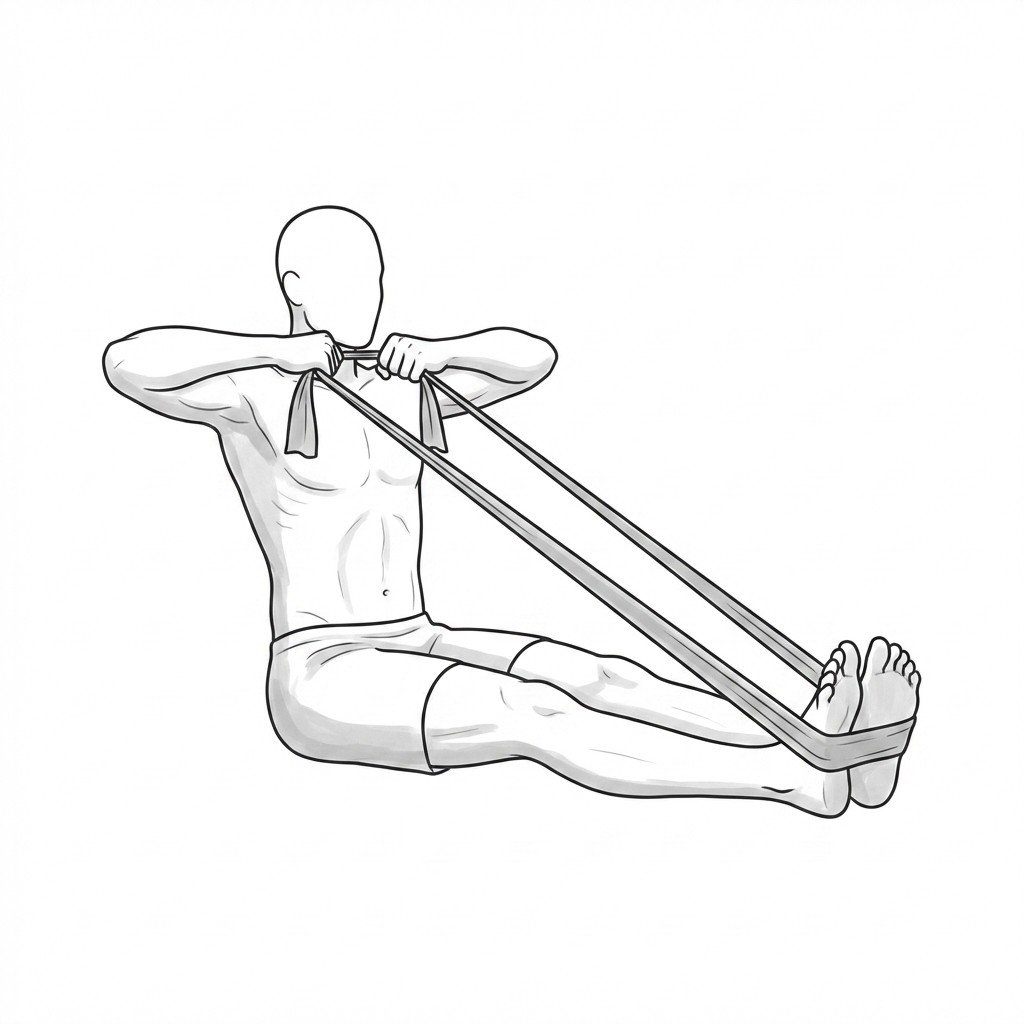
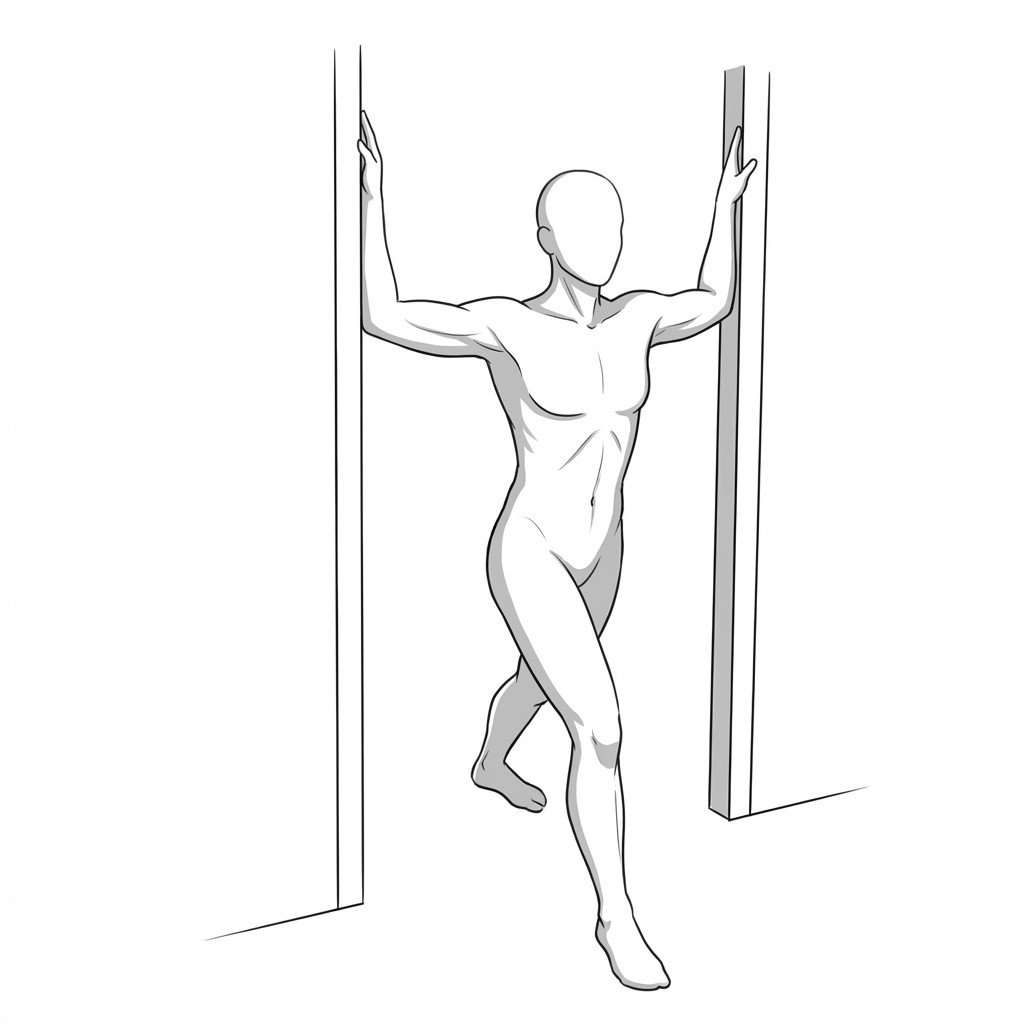
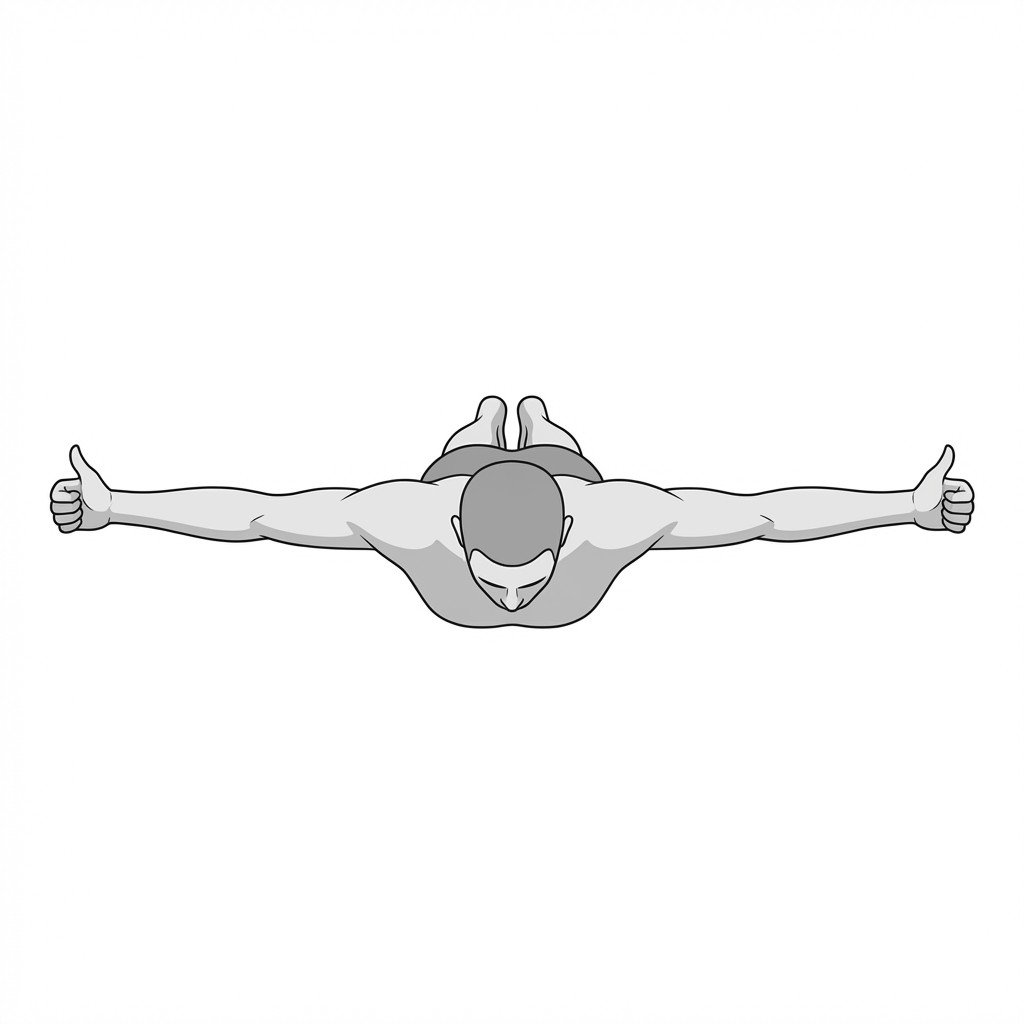
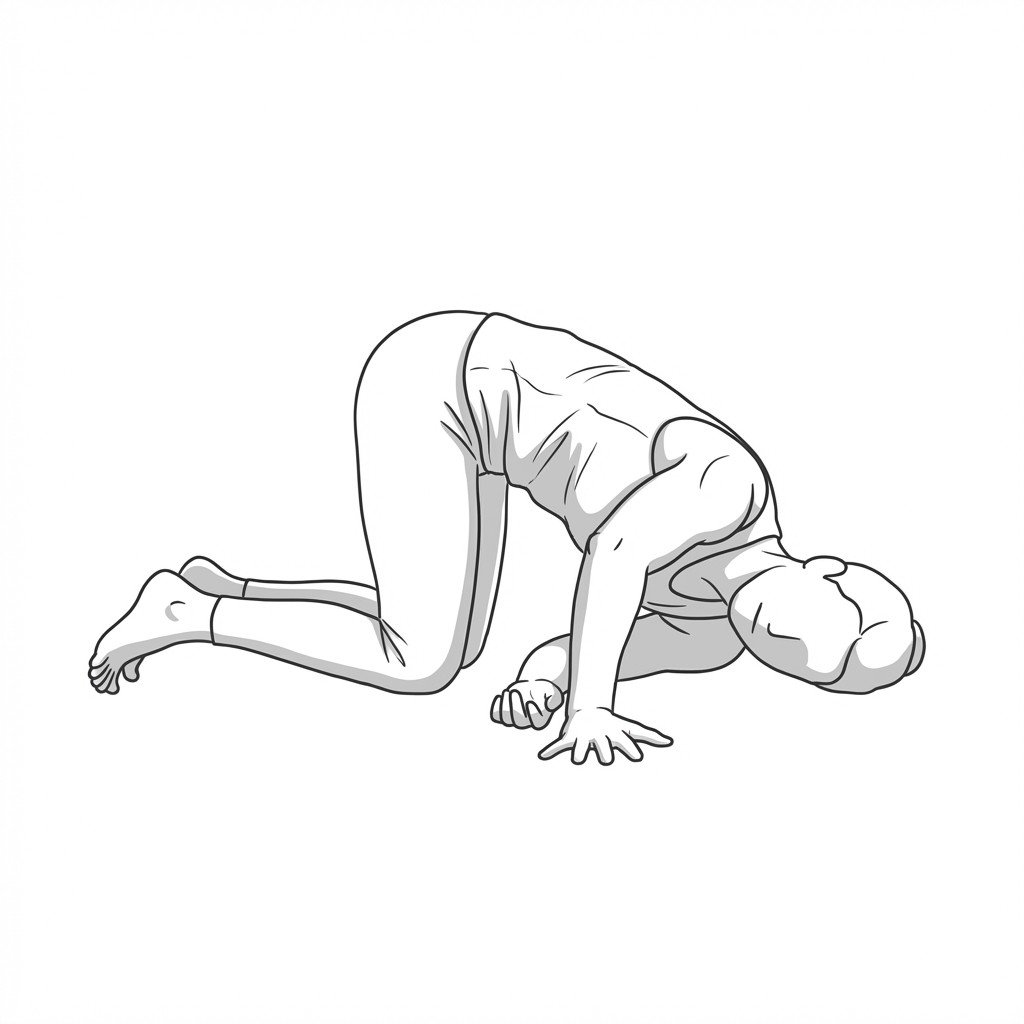
Exercises for Rhomboid Pain
Rhomboid pain is rarely a weakness problem in the rhomboids themselves — the goal here is to open the anterior chest, restore mid-back retractor endurance, and improve thoracic rotation so the rhomboids stop working under chronic stretch. Start with 2–3 and progress as tolerated.