MPS in Children — The Often Overlooked Population
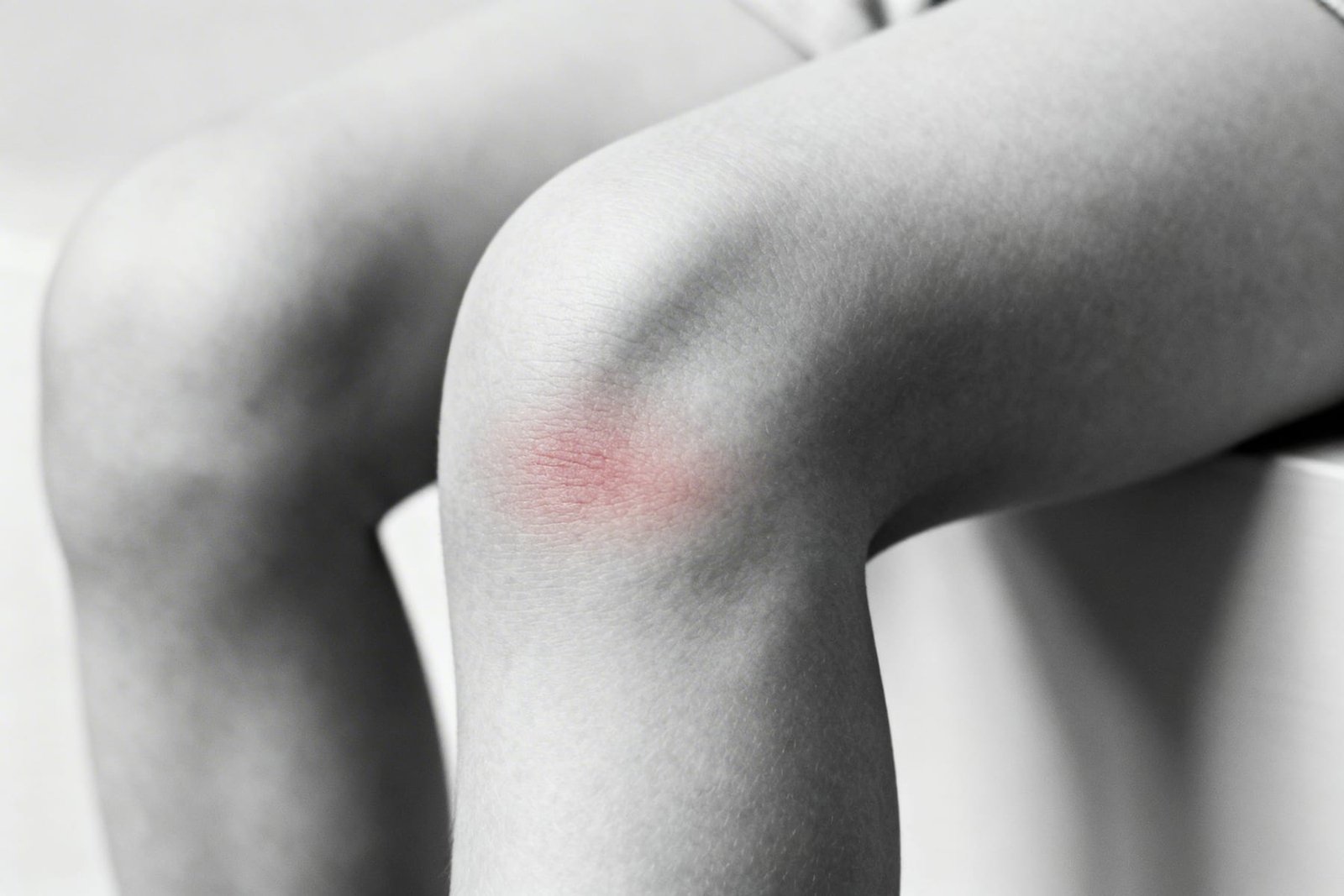
Pediatric MPS
Risk Factors and Common PresentationsMyofascial pain in children and adolescents is frequently under-recognized, often because clinicians and families assume pain at this age must be “growing pains,” posture, stress, or sport soreness without further examination.
Modern childhood environments create real musculoskeletal load: prolonged device use, poorly fitted desks, heavy backpacks, reduced movement variety, sleep disruption, and organized sport overuse. These are legitimate ingredients for persistent pain.
The pediatric evidence base is thinner than the adult one, which means treatment often depends on adapted clinical reasoning rather than pediatric-specific randomized trials. That should lead to humility and careful monitoring — not dismissal of the condition.
Communication with pediatricians and families matters. The most useful approach is collaborative: rule out serious pathology, identify the musculoskeletal contributors, and then address the child’s environment, movement, and stress load systematically.
Key Pediatric Risk Factors
Pediatric myofascial pain usually reflects a combination of mechanical load, environmental habits, recovery problems, and psychosocial stressors rather than one single cause.
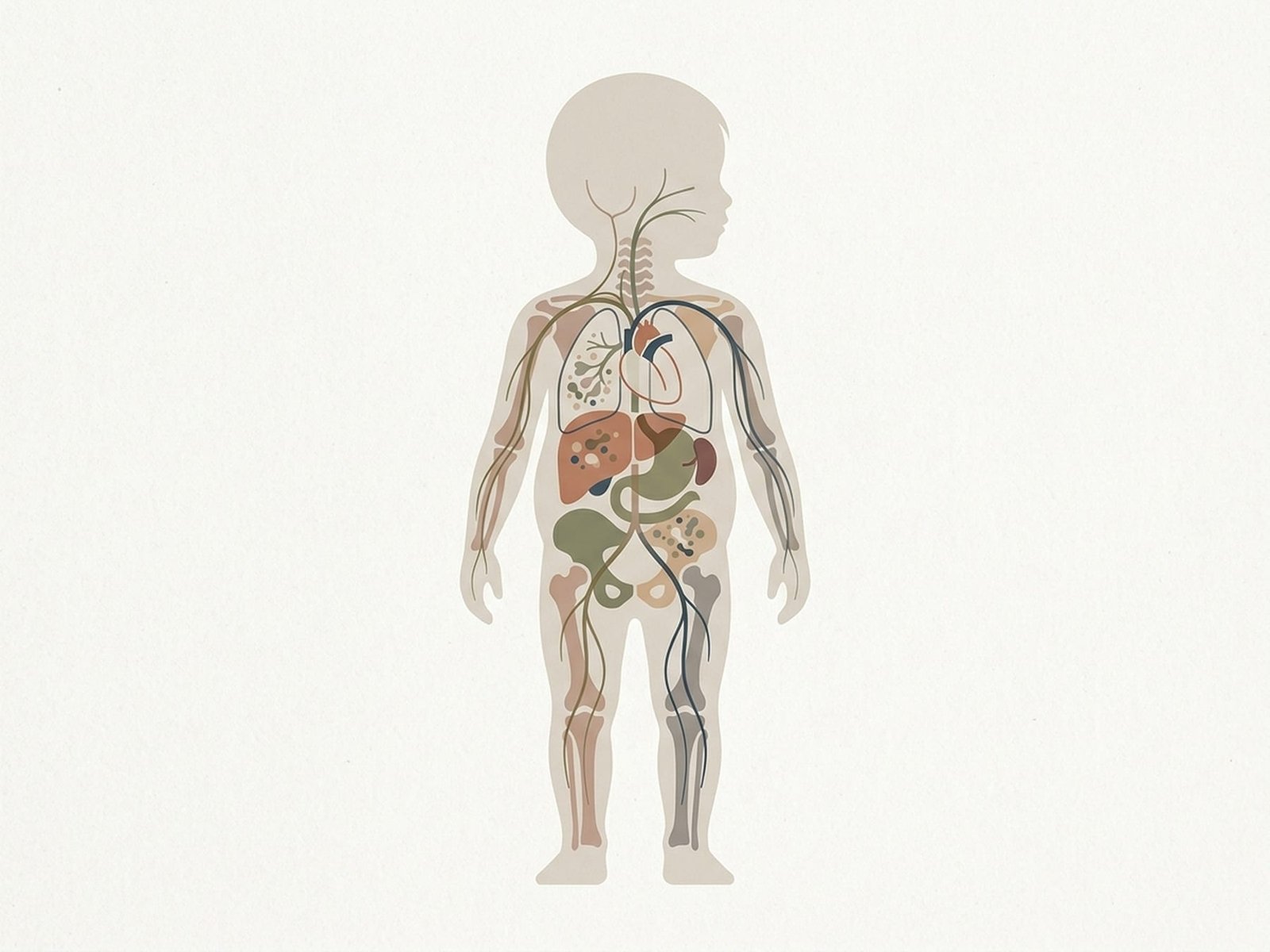
Pediatric Risk Factors
Backpack Load, Screens, Sports, SleepBackpack Overloading
Screen Time & Forward Head Posture
Sports Specialization & Overuse
Growing Pains Misdiagnosis
Psychosocial Stressors and School Pressure
Prevalence & Clinical Reality
Recurrent musculoskeletal pain is common in school-age children and adolescents. What is often missed is that some of these cases have a clear myofascial component when examined properly.
The lack of pediatric-specific trigger point trials does not mean the condition is absent. It means clinicians should communicate honestly about the evidence while still treating the child’s real and observable pain pattern thoughtfully.
A child can have a real myofascial pain problem even if the literature is less developed than it is for adults.
School-Age Pain Is Common
Backpacks + Screens + Sport
Sleep + Stress Matter
Pediatric Assessment
Assessment in children should emphasize function, sleep, activity tolerance, and gentle hands-on examination rather than relying only on pain scales.
Pediatric Taut Band Palpation
Functional Activity Assessment
Sleep Quality Screening
Developmental Red Flag Screen
Age-Appropriate Treatment
The best pediatric plans usually combine gentle treatment, environmental correction, movement support, and family/school coordination rather than focusing on one intervention alone.
Pediatric MPS
Age-Appropriate Treatment StrategiesPediatric-Adapted Manual Therapy
Manual treatment in children and adolescents needs to be lighter, shorter, and more relationship-centered than in adults. The goal is effective treatment without creating fear, overprotection, or unnecessary soreness.
- Use lighter pressure and shorter treatment blocks than in adults
- Explain each step in age-appropriate language
- Use comfort, trust, and cooperation as part of the treatment plan
- Teach simple parent-supported home strategies where appropriate
- Avoid turning treatment into something the child dreads
Postural and Ergonomic Correction
Environmental correction is often a high-yield intervention in pediatric pain because the same school, desk, backpack, and device habits may be reproducing the problem daily.
- Review backpack load and fit
- Improve desk, chair, and screen setup
- Encourage regular movement breaks during study or screen time
- Reduce prolonged head-forward phone use where possible
- Build realistic school-day habits rather than idealized rules
Active Recovery Programme
Most children and teens do better with modified activity than with total rest. The goal is load management, not blanket avoidance.
- Keep the child moving within a tolerable range
- Modify sport intensity and volume before removing sport completely
- Use sport-specific warm-up and recovery when relevant
- Reintroduce full activity gradually
- Track school, sport, and play participation as outcomes
Family and School Psychosocial Support
Children exist within a family system and a school system. Good care often includes parent guidance, school communication, and sometimes psychological support when pain, stress, avoidance, and fear are interacting strongly.
- Help parents respond supportively without unintentionally reinforcing disability
- Use school accommodations when clearly needed
- Address sleep, stress, and anxiety as real pain amplifiers
- Escalate to child psychology when fear, school avoidance, or mood issues are prominent
- Treat the child and the system around the child together
Red Flags — When It Is Not MPS
Children and adolescents have a broader differential diagnosis than adults. That makes red-flag screening especially important before a myofascial explanation is accepted.
Myofascial pain can occur in children and adolescents and should not be dismissed simply because of age.
"Growing pains" should remain a diagnosis of exclusion, not a shortcut label for any pediatric musculoskeletal pain.
Backpacks, screens, repetitive sport loading, poor sleep, and psychosocial stress are all meaningful pediatric perpetuating factors.
Treatment must be adapted for age, communication style, tolerance, and family context.
School, sport, and family systems often matter as much as hands-on treatment in this population.