Overview: Opioids and myofascial pain

Opioids
Mechanism of Action DiagramOpioids — including morphine, oxycodone, hydrocodone, fentanyl, tramadol, and codeine — are powerful analgesic medications that bind to mu, kappa, and delta opioid receptors in the central nervous system. They activate descending pain inhibitory pathways and modulate the affective experience of pain. Opioids are highly effective for acute surgical pain, severe trauma, and cancer-related pain, and they remain indispensable medications in those specific clinical contexts.
However, for myofascial trigger point pain, opioids are fundamentally the wrong tool. They do not address the peripheral mechanical pathology that defines trigger points — the contracted sarcomeres, the dysfunctional motor endplates, the local energy crisis, or the sensitizing biochemical milieu. Instead, they temporarily suppress the brain’s registration of the pain signal while the structural source of pain persists unchanged.
Opioids may mask myofascial pain without addressing the underlying trigger points, potentially delaying effective treatment.
Major medical guidelines have converged on this conclusion. The CDC Clinical Practice Guideline (2022), the VA/DoD Clinical Practice Guideline (2022), the American Academy of Pain Medicine (AAPM), and the American Pain Society (APS) all specifically recommend against opioids for chronic musculoskeletal pain, including myofascial pain syndrome.
Why Opioids Fail for Trigger Points
There are seven fundamental reasons why opioids are ineffective and counterproductive for myofascial trigger point pain.
Why Opioids Fail for Trigger Points
Mechanism DiagramThe Pharmacology of Why
Opioid analgesia comes entirely from central receptor activation — none of these mechanisms touch the peripheral motor endplate that drives a trigger point.
Mu Receptor Agonism
Descending Inhibition Enhancement
Rapid Tolerance Development
Physical Dependence
Endogenous Opioid Downregulation
The Opioid Crisis Connection
The prescribing of opioids for chronic musculoskeletal pain — including myofascial pain syndrome — has been a significant driver of the opioid epidemic. Chronic non-cancer pain accounts for the vast majority of opioid prescriptions dispensed in the United States. Myofascial pain syndrome is one of the most prevalent chronic pain conditions, with estimates suggesting that a substantial proportion of patients presenting to specialized pain clinics have myofascial trigger points as a primary or contributing source of their pain.
The routine prescribing of opioids for these patients has contributed directly to the epidemic through multiple pathways: physical dependence in patients who intended only short-term use, dose escalation driven by tolerance, prescription diversion, and transition to illicit opioids when prescriptions are discontinued.
The human toll has been staggering. The CDC’s 2022 clinical practice guideline was developed in direct response to this crisis. Its core recommendation — that non-opioid therapy is preferred for chronic musculoskeletal pain — reflects the medical community’s recognition that the widespread use of opioids for conditions like myofascial pain has caused far more harm than benefit at a population level.
Substantial
1-4 Weeks
5-7 Days
What the Guidelines Say
Every major clinical practice guideline for chronic pain converges on the same conclusion: opioids are not recommended for chronic musculoskeletal pain including myofascial pain syndrome.
CDC Clinical Practice Guideline (2022)
VA/DoD Clinical Practice Guideline (2022)
AAPM/APS Guidelines (2009)
International Association for the Study of Pain (IASP)
Travell & Simons (Myofascial Pain and Dysfunction)
Common Opioids — Quick Reference
Tramadol
Codeine
Hydrocodone
Oxycodone
Fentanyl
Morphine
What Works Instead
Effective, evidence-based treatments for myofascial trigger points exist at every level of severity and complexity. Unlike opioids, these interventions address the actual pathology — the contracted sarcomeres, the dysfunctional motor endplates, the local inflammation, and the perpetuating factors that maintain the trigger point cycle.
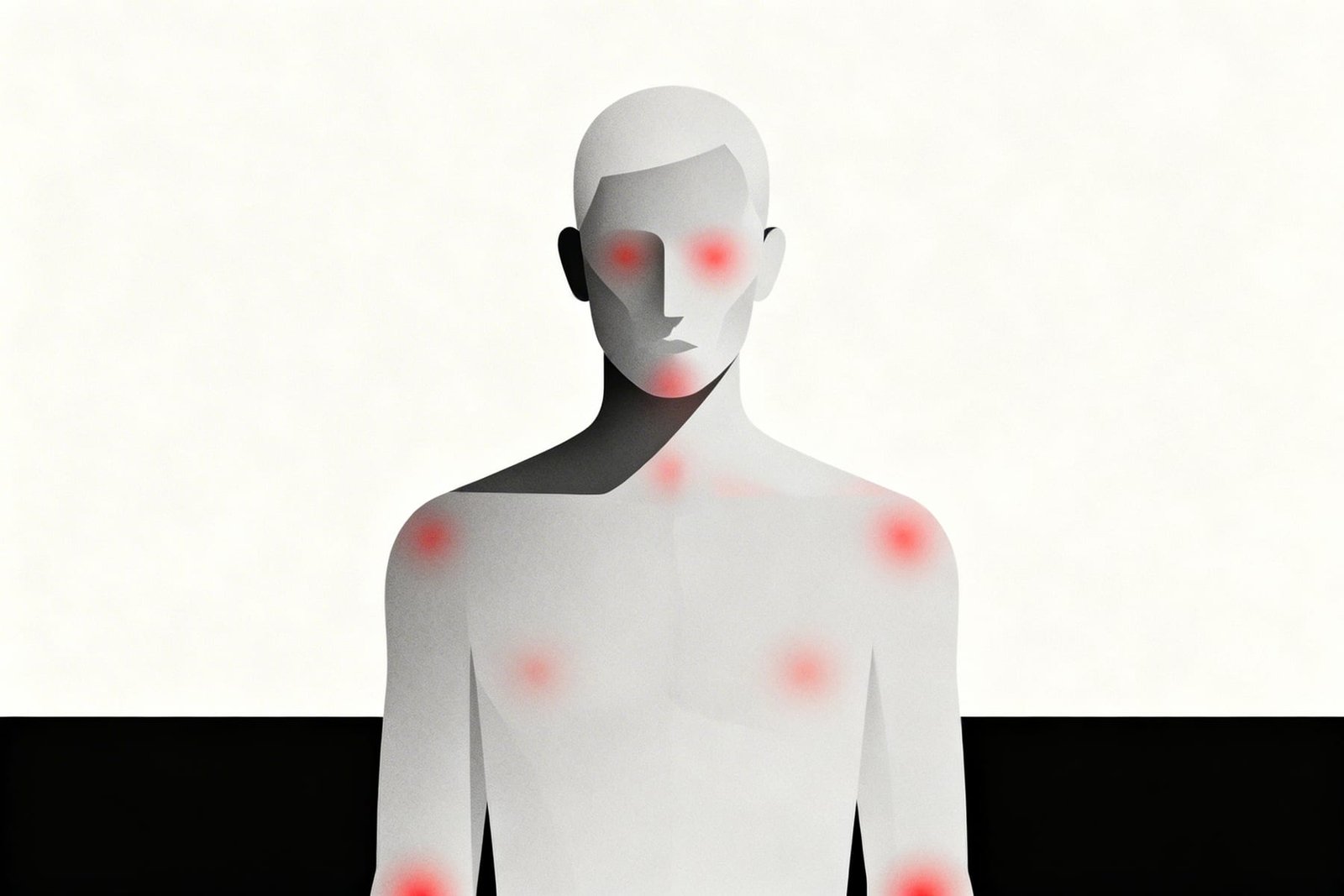
What Works Instead
Mechanism DiagramPhysical & mechanical interventions
- Physical Therapy & Targeted Exercise — Addresses the mechanical dysfunction directly. Stretching elongates shortened sarcomeres, eccentric strengthening restores normal muscle function, and postural correction eliminates the biomechanical perpetuating factors that maintain trigger points. Evidence supports PT as the foundation of myofascial pain treatment.
- Stretching Programs — Sustained passive stretching of the affected muscle group lengthens the contracted taut band, restores full range of motion, and reduces the compressive load on intramuscular blood vessels. Spray-and-stretch (using vapocoolant spray followed by passive stretching) is the original Travell technique for trigger point deactivation.
- Dry Needling — Directly targets the trigger point by inserting a thin filiform needle into the taut band to elicit a local twitch response (LTR). This disrupts the dysfunctional motor endplate, breaks the sarcomere contraction cycle, and normalizes the local biochemical environment. Strong evidence base with multiple systematic reviews and meta-analyses supporting its efficacy.
- Self-Massage & Myofascial Release — Mechanical compression of the trigger point increases local blood flow, reduces ischemia, provides a neurophysiological stretch stimulus, and may disrupt contracted sarcomeres. Foam rolling, lacrosse ball release, and manual self-compression are accessible, zero-cost interventions that patients can perform daily.
Non-opioid medications
- NSAIDs (Ibuprofen, Naproxen, Diclofenac) — Unlike opioids, NSAIDs directly reduce the prostaglandin-mediated inflammation and peripheral sensitization at the trigger point. Topical NSAIDs (diclofenac gel) provide local anti-inflammatory action with minimal systemic exposure. Evidence supports short-term use for myofascial pain flares.
- Topical Lidocaine (Patches/Cream) — Provides sodium channel blockade at the peripheral nociceptor level, reducing pain signal generation directly at the trigger point. Lidocaine 5% patches can be applied over trigger point regions for up to 12 hours with minimal systemic absorption.
- Topical Capsaicin — Depletes substance P from peripheral C-fiber nociceptors through TRPV1 receptor activation. With repeated application, produces desensitization of pain fibers in the trigger point region. The 8% capsaicin patch (Qutenza) provides 3 months of benefit from a single application.
- Muscle Relaxants (Tizanidine, Cyclobenzaprine) — Reduce muscle tone through distinct mechanisms. Tizanidine is a central alpha-2 adrenergic agonist that reduces spinal motor neuron excitability. Cyclobenzaprine is structurally related to tricyclic antidepressants and reduces muscle spasm via brainstem pathways. Both directly address the excessive muscle contraction component of trigger points.
Antidepressants & neuromodulators
- TCAs (Amitriptyline, Nortriptyline) — Low-dose tricyclic antidepressants (10-50 mg nightly) provide multimodal analgesia: serotonin and norepinephrine reuptake inhibition enhances descending pain modulation, sodium channel blockade provides peripheral analgesic effects, and NMDA receptor antagonism may counteract central sensitization. Also improves sleep quality, which is a critical perpetuating factor for myofascial pain.
- SNRIs (Duloxetine, Milnacipran) — Duloxetine (Cymbalta) has FDA approval for chronic musculoskeletal pain. It enhances descending serotonergic and noradrenergic pain inhibition at the spinal cord level. Unlike opioids, it does not cause tolerance, dependence, or hyperalgesia. Milnacipran (Savella) is FDA-approved for fibromyalgia and may benefit patients with overlapping myofascial pain and fibromyalgia.
- Gabapentinoids (Gabapentin, Pregabalin) — Bind to the alpha-2-delta subunit of voltage-gated calcium channels, reducing excitatory neurotransmitter release in the dorsal horn. May be beneficial when trigger point pain has developed a neuropathic component (central sensitization, allodynia, hyperalgesia). Most useful as adjuncts when myofascial pain has become chronic with central sensitization.
For refractory trigger points
- Trigger Point Injections — Injection of local anesthetic (lidocaine, bupivacaine) directly into the trigger point provides immediate pain relief while the needle itself mechanically disrupts the taut band — the same mechanism as dry needling, enhanced by the pharmacological effect of the anesthetic on sodium channels at the motor endplate.
- Botulinum Toxin (BOTOX) — Blocks acetylcholine release at the motor endplate — directly addressing the fundamental mechanism of trigger point formation. SNARE protein cleavage provides 3-6 months of effect. Additionally inhibits release of pain neurotransmitters (substance P, CGRP, glutamate) from sensory nerve terminals. Reserved for refractory trigger points unresponsive to conservative treatment.
- Extracorporeal Shockwave Therapy (ESWT) — Acoustic pressure waves create mechanical stress at the trigger point, disrupting contracted sarcomeres, increasing local blood flow through neovascularization, and modulating pain signaling. Non-invasive with a growing evidence base — small RCTs and systematic reviews report meaningful pain reduction and pressure-pain-threshold improvement, though effect sizes vary widely between studies. No medication-related side effects.
If You're Currently on Opioids for myofascial pain
Do NOT Stop Abruptly
Consult Your Prescribing Physician
Establish Multimodal Treatments First
Consider a Bridge Medication
Address Pain Psychology
Use Your Care Team and OUD Treatment
Myofascial trigger point pain is a peripheral, mechanical disorder — opioids are central-acting medications that do not address the underlying contracture, motor endplate dysfunction, or local biochemical milieu.
Major medical guidelines (CDC, VA/DoD, AAPM, IASP) specifically recommend against opioids for chronic musculoskeletal pain including myofascial pain. Opioids are not part of any evidence-based trigger point treatment protocol.
Opioid-induced hyperalgesia can paradoxically worsen pain sensitivity over time, making trigger points more painful, not less — the opposite of the intended therapeutic effect.
Opioids reduce physical activity, promote sedation, and can increase muscle rigidity — all of which worsen trigger points and undermine the treatments (stretching, exercise, PT) that actually help.
Effective, evidence-based alternatives exist at every level of severity: physical therapy and dry needling for first-line treatment, targeted medications (NSAIDs, muscle relaxants, TCAs, SNRIs) for pharmacologic support, and advanced interventions (trigger point injections, BOTOX, shockwave) for refractory cases.
If you are currently taking opioids for myofascial pain, do not stop abruptly — work with your physician to develop a supervised tapering plan while establishing effective multimodal treatments.
The bottom line:Myofascial trigger point pain is highly treatable with evidence-based interventions that directly address the underlying pathology. Opioids are not among those interventions. If you are living with myofascial pain, effective treatment options exist — and none of them require opioids.
Opioids Are Not Recommended for Myofascial Pain