Overview

N S A I Ds
Mechanism of Action DiagramNon-steroidal anti-inflammatory drugs (NSAIDs) are the most commonly used medications for pain management worldwide, spanning over-the-counter agents like ibuprofen and naproxen to prescription formulations like celecoxib and indomethacin. They work by inhibiting cyclooxygenase (COX) enzymes, which reduces the synthesis of prostaglandins — key mediators of inflammation, pain sensitization, and fever.
For myofascial pain syndrome (myofascial pain) and trigger point pain, NSAIDs provide moderate benefit. They reduce inflammation and lower the pain threshold at peripheral nociceptors, which helps alleviate the soreness and tenderness associated with active trigger points. However, they do not address the fundamental pathophysiology of the trigger point itself — the dysfunctional motor endplate, sustained sarcomere contraction, local ischemia, and the self-perpetuating energy crisis that defines the myofascial trigger point.
While NSAIDs reduce inflammation effectively, myofascial trigger points involve more than inflammation — which is why NSAIDs alone rarely resolve the problem.
NSAIDs are most useful for acute flares of myofascial pain and as part of a multimodal treatment strategy. They can reduce pain enough to facilitate participation in physical therapy, stretching programs, and other active interventions that directly address the trigger point. Used alone as chronic daily therapy, they offer incomplete relief and expose the patient to cumulative gastrointestinal, cardiovascular, and renal risks without resolving the underlying cause of pain.
Mechanism of Action
NSAIDs exert their therapeutic effects through inhibition of cyclooxygenase enzymes, blocking the conversion of arachidonic acid to prostaglandins. Understanding the distinction between COX-1 and COX-2 inhibition is essential for both therapeutic use and risk management.
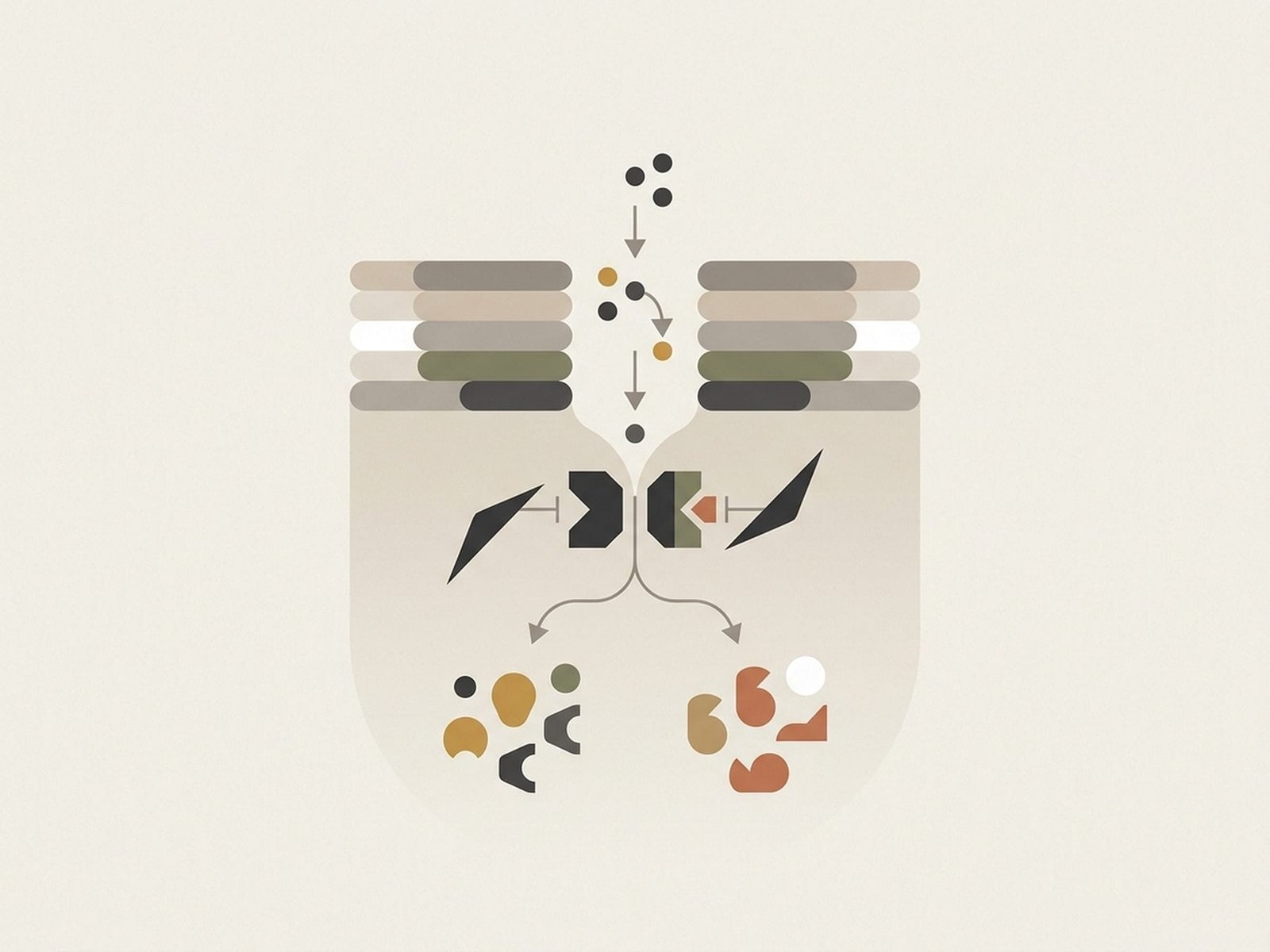
Mechanism of Action
Mechanism DiagramCOX-1 Inhibition
COX-2 Inhibition (Primary Therapeutic Target)
Prostaglandin Synthesis Pathway
Peripheral Nociceptor Sensitization Reversal
Central COX-2 Inhibition
Additional Non-COX Mechanisms
Non-Selective COX Inhibitors
Non-selective NSAIDs inhibit both COX-1 and COX-2. They are the most widely available and commonly used class, with several members available over the counter. Their lack of COX selectivity means they provide effective anti-inflammatory and analgesic effects but carry a higher risk of GI side effects compared to COX-2 selective agents.
Ibuprofen
Non-SelectiveAdvil, Motrin
Naproxen
Non-SelectiveAleve, Naprosyn
Diclofenac
Non-SelectiveVoltaren, Cataflam
Piroxicam
Non-SelectiveFeldene
Indomethacin
Non-SelectiveIndocin
Ketoprofen
Non-SelectiveOrudis, Oruvail
COX-2 Selective Inhibitors (Coxibs)
Coxibs were developed to provide the anti-inflammatory and analgesic benefits of NSAIDs while sparing COX-1, thereby reducing GI toxicity. While they achieve this goal, concerns about cardiovascular safety emerged after rofecoxib (Vioxx) was withdrawn from the market in 2004 due to increased risk of myocardial infarction.
Celecoxib
COX-2 SelectiveCelebrex
Etoricoxib
COX-2 SelectiveArcoxia
Topical NSAIDs (Often Best for myofascial pain)
Topical NSAIDs deserve special emphasis for myofascial pain syndrome because they deliver drug directly to the affected musculoskeletal tissue with minimal systemic absorption. For superficial trigger points — which account for a large proportion of clinically relevant trigger points — topical NSAIDs can achieve tissue concentrations comparable to oral dosing while exposing the patient to a fraction of the systemic risk.
Diclofenac 1% Gel (Voltaren Gel)
Apply 4 g to affected area 4 times daily
Diclofenac Patch (Flector Patch)
Apply 1 patch to affected area every 12 hours
Ketoprofen Gel (2.5%)
Apply 2–4 g to affected area 2–3 times daily
Clinical Evidence for myofascial pain
The evidence for NSAIDs in myofascial pain syndrome is best characterized as moderate. While multiple studies demonstrate statistically significant pain reduction compared to placebo, the magnitude of benefit is modest — a meaningful but limited improvement in pain intensity on visual analogue scales for many patients. NSAIDs consistently outperform placebo for acute musculoskeletal pain but show diminishing returns with chronic use.
The strongest evidence supports the use of topical diclofenac for localized musculoskeletal pain, with multiple high-quality RCTs demonstrating efficacy with minimal systemic side effects. For oral NSAIDs, the evidence base primarily supports short-term use (less than two weeks) for acute flares rather than long-term maintenance therapy.
The work of Shah and colleagues, who measured the biochemical milieu at active trigger points, provides a compelling rationale for anti-inflammatory treatment: active trigger points have elevated levels of inflammatory mediators including prostaglandins, bradykinin, substance P, CGRP, TNF-alpha, and interleukins. These findings support the biological plausibility of NSAIDs for trigger point pain but also highlight that inflammation is only one component of the trigger point pathophysiology.
Modest Pain Reduction
Best for Acute Flares
Topical Diclofenac
GI, Cardiovascular & Renal Risks
Practical Prescribing for myofascial pain
First-Line: Topical Diclofenac for Localized Trigger Points
Oral NSAIDs: Short Courses for Acute Flares
Avoid Chronic Daily Use
GI Protection When Indicated
Cardiovascular Risk: Prefer Naproxen
Absolute Contraindications
NSAIDs vs Other Pain Medications for myofascial pain

NSAIDs vs Other Pain Medications for myofascial pain
Comparison ChartMechanism
Anti-inflammatory
Pain Reduction for myofascial pain
Addresses Trigger Point
GI Risk
CV Risk
Dependence / Abuse
Best Use in myofascial pain
OTC Available
NSAIDs provide MODERATE benefit for myofascial trigger point pain — they reduce inflammation and pain sensitization but do not resolve the underlying trigger point contracture, motor endplate dysfunction, or local ischemia.
Topical NSAIDs (diclofenac gel, diclofenac patch) should be considered FIRST-LINE for localized trigger point pain because they deliver drug directly to the affected tissue with minimal systemic exposure and dramatically lower GI, CV, and renal risk.
Oral NSAIDs are best used in SHORT COURSES (5–10 days) for acute myofascial pain flares, not as chronic daily therapy. The goal is to reduce pain enough to participate in active rehabilitation — physical therapy, stretching, and trigger point interventions.
Naproxen has the most favorable cardiovascular safety profile among oral NSAIDs and should be preferred in patients with any CV risk factors. Celecoxib offers a better GI profile at the cost of requiring a prescription.
NEVER use NSAIDs as a standalone treatment for myofascial pain. They are most effective as part of a MULTIMODAL approach that includes physical therapy, trigger point dry needling or injections, ergonomic correction, and addressing perpetuating factors.
GI protection with a PPI (proton pump inhibitor) should be co-prescribed for patients at risk: age over 65, history of peptic ulcer disease, concurrent corticosteroid or anticoagulant use, or any patient requiring more than 10 days of oral NSAID therapy.
The "triple whammy" of NSAIDs combined with ACE inhibitors/ARBs and diuretics significantly increases acute kidney injury risk. Always review the full medication list before prescribing oral NSAIDs.
Chronic daily NSAID use for myofascial pain is a red flag — it suggests the underlying trigger points are not being adequately treated. Reassess and pursue definitive trigger point treatment (needling, injections, manual therapy) rather than indefinite pharmacological suppression.
NSAID Gastrointestinal & Cardiovascular Risks