Why It's Different for Older Adults
Older Adults Pain
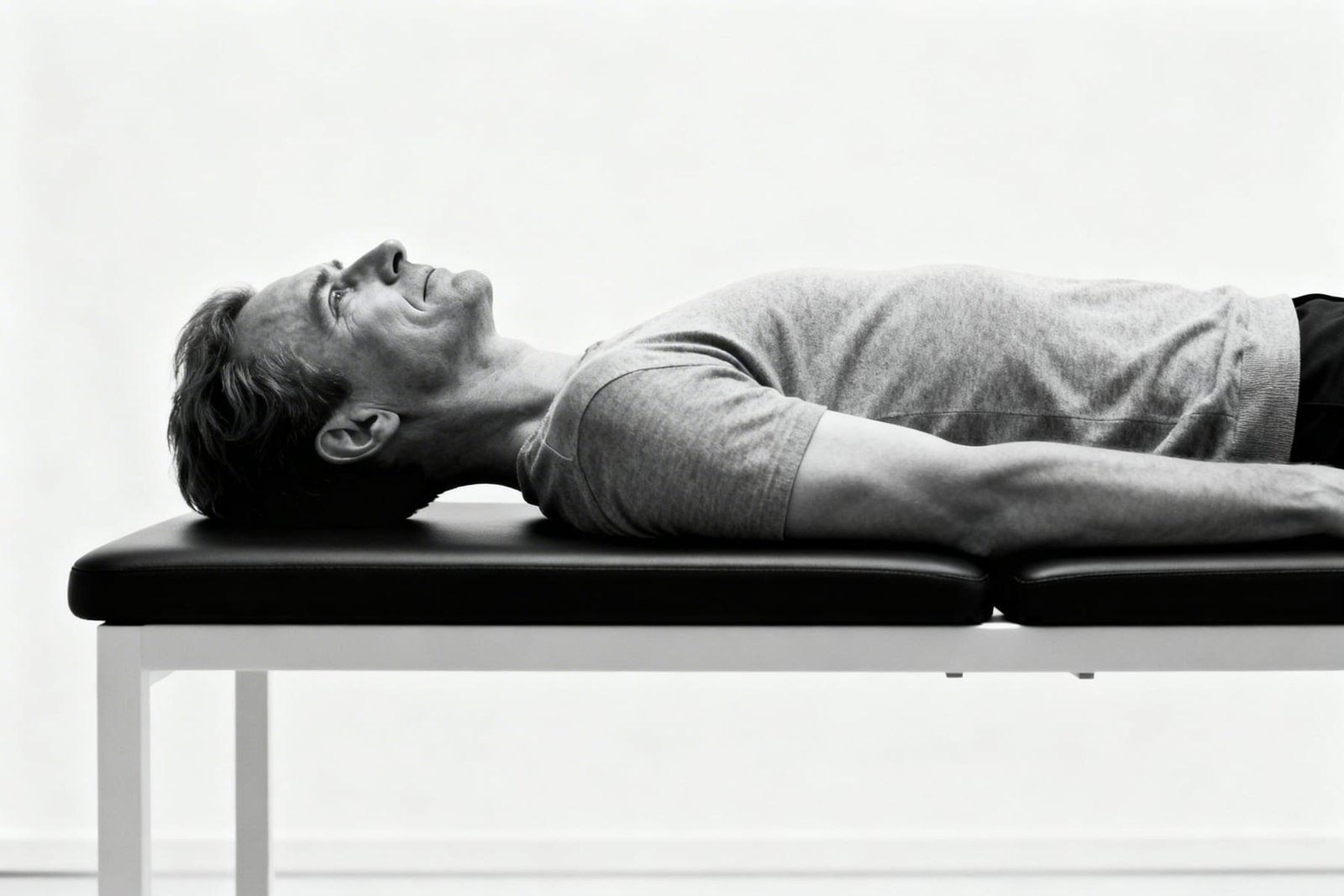
Anatomy and Pain Pattern OverviewMyofascial pain in older adults often needs a different pace, different risk assessment, and different treatment progression than the same condition in younger adults.
Sarcopenia & Muscle Changes
Older adults commonly experience reduced muscle mass, reduced reserve, and slower recovery. In practical terms, this means tasks that once felt easy may create relatively higher muscle demand, which can make recurrent trigger point activity more likely when strength and conditioning decline.
Fascial and Connective Tissue Stiffening
With age, connective tissues often become less elastic and less forgiving. That can contribute to reduced glide, greater stiffness, and slower response to treatment. Trigger points may therefore feel more mechanically entrenched and recovery may take longer than it does in younger adults.
Nervous System Changes
Age-related changes in pain modulation, sensory processing, and recovery can alter how pain is felt and how quickly symptoms settle. Some older adults describe more diffuse pain, slower recovery, or stronger reactions to relatively small aggravations.
Reduced Elasticity & Slower Healing
Aging tissues often recover more slowly because of changes in blood flow, tissue turnover, sleep quality, and overall physical reserve. The practical result is that treatment usually needs to be gentler and progression slower rather than simply “more intense.”
The “Just Getting Old” Problem
One of the biggest barriers is the assumption that pain is simply part of aging. This can delay diagnosis and treatment, especially when myofascial pain is incorrectly folded into arthritis, degeneration, or general “wear and tear” without further assessment.
Unique Diagnostic Challenges
Older adults often present with overlapping diagnoses, medication effects, and communication barriers, which makes careful assessment especially important.
Pain in older adults should not be dismissed as “just aging.”
Clinical Pearl
When symptoms seem more severe than imaging alone would suggest, look carefully for surrounding myofascial contributors rather than assuming the scan explains everything.
Osteoarthritis Overlap
Osteoarthritis and myofascial pain often coexist in older adults. A painful arthritic joint may also be surrounded by overloaded muscles and trigger points, which means the pain picture may be partly articular and partly myofascial rather than purely one or the other.
Spinal Stenosis Mimicry
Leg pain, walking intolerance, and low back pain in older adults often raise concern for lumbar stenosis. Trigger points in the gluteals, piriformis, and quadratus lumborum can overlap with that pattern, so symptom behavior and examination are essential before assuming one explanation.
Peripheral Neuropathy Confusion
Neuropathy, nerve irritation, and myofascial referral can overlap. Tingling, burning, or distal pain patterns should not be assumed to be “just trigger points,” but trigger points also should not be ignored simply because neural symptoms are present.
Medication-Masked Symptoms
Older adults often take multiple medications, and some can blur the clinical picture by reducing pain perception, causing fatigue, causing dizziness, or creating muscle symptoms of their own. Medication review is therefore part of the diagnosis, not just the treatment.
Cognitive & Communication Barriers
Mild cognitive impairment, dementia, depression, hearing limitations, and communication style can all affect how pain is reported. In some cases, functional change, agitation, guarding, or activity withdrawal tells more of the story than verbal pain description alone.

Geriatric Trigger Point Assessment
Polypharmacy Considerations
Medication choices in older adults require more caution because interactions, sedation, fall risk, and organ-function changes matter more.
Important Safety Note
Medication changes should always be reviewed with an appropriate clinician or pharmacist.
Fall Risk & Safety
Pain, weakness, gait change, medications, and fear of movement can all add to fall risk. That is why safety has to be built into the treatment plan from the start.
How Chronic Pain Increases Fall Risk
Pain changes gait, posture, confidence, and muscle activation. In older adults, this can quickly increase fall risk — especially when lower-extremity trigger points, fatigue, fear of movement, and sedating medications all occur together.
Safety Guidelines
- Screen balance formally when possible
- Address hip and trunk stabilizer weakness early
- Review fall-risk medications
- Reduce environmental hazards at home
Balance-Adapted Exercises
Exercise remains one of the strongest fall-prevention tools, but it must be scaled safely. Stable support, gradual progression, and simpler starting positions are usually more important than ambition.
Safety Guidelines
- Start near stable support
- Progress from seated to supported standing as needed
- Avoid rapid or complex drills too early
- Use times of day when alertness is best
Safe Self-Treatment Positions
Many self-treatment ideas need modification in older adults. Floor-based approaches are often less practical than wall-based or seated versions because getting down and up may create more risk than benefit.
Safety Guidelines
- Prefer wall-based, seated, or bed-based options first
- Avoid unstable positions
- Use armrests, counters, or corners for added support
- Keep self-treatment simple enough to repeat safely
Assistive Devices for Self-Release
Long-handled tools, ergonomic grips, and lower-effort devices can make self-care much more realistic for people with poor grip strength, arthritis, or limited shoulder range.
Safety Guidelines
- Choose tools that are easy to hold
- Avoid devices that require strong grip or awkward positioning
- Keep intensity low and controlled
- Prioritize ease of use over intensity
When to Avoid Certain Treatments
Older adults may require more caution with aggressive manual therapy, strong stretching, invasive techniques, or electrical modalities — especially when osteoporosis, anticoagulation, fragile skin, or implanted devices are present.
Safety Guidelines
- Reduce intensity when bleeding or bruising risk is higher
- Avoid aggressive stretching in fragile or osteoporotic regions
- Respect pacemaker/defibrillator contraindications with electrical modalities
- Use skin checks and slower progression more routinely

Gentle Treatment Techniques for Older Adults
Adapted Treatment Approaches
Older Adults Pain
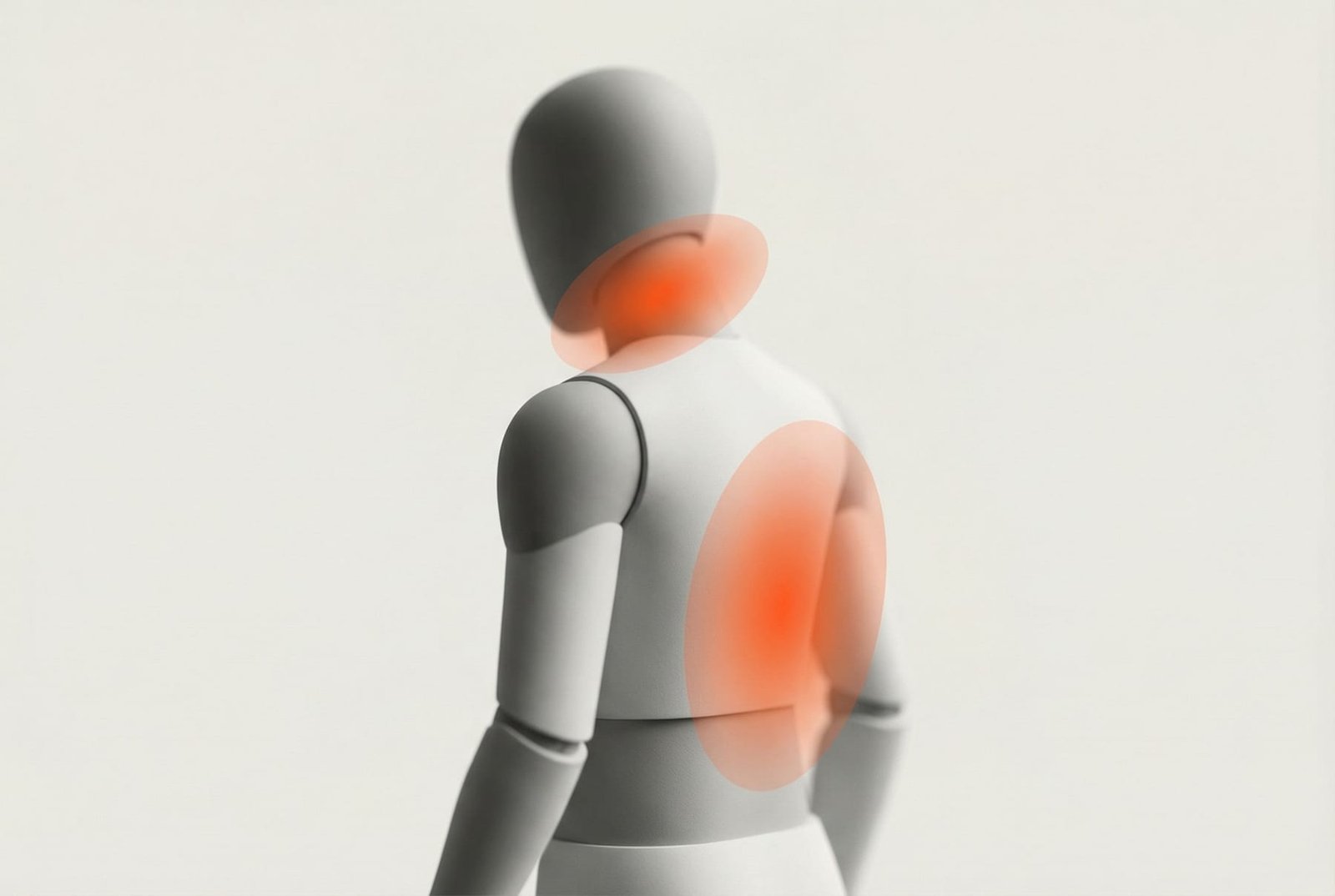
Adapted Treatment ApproachesTreatment usually works best when it is gentler, slower, and better supported — not when it imitates a younger patient’s protocol.
The Caregiver's Role
Caregivers often become essential treatment partners when they understand the basics of pain patterns, safety, and consistency.
Assisting with Home Exercise Programs
Caregivers can be essential in helping older adults remember, pace, and safely perform home programs. Encouragement and consistency usually matter more than intensity.
Recognizing Pain in Non-Verbal Adults
When an older adult cannot clearly describe pain, caregivers may need to look for facial expression, guarding, agitation, reduced activity, sleep change, or resistance to movement as pain clues.
Applying Heat and Self-Release Tools
Caregivers can often help safely with heat, positioning, and gentle self-treatment once they have been shown how to do so appropriately.
Communicating with Healthcare Providers
A simple diary of pain pattern, function, sleep, medication effects, and behavioral changes can give clinicians a far better picture than memory alone at the appointment.
Caregiver Self-Care
Caregivers also need to protect their own physical and emotional health. Sustainable caregiving depends on pacing, support, and realistic expectations.
Age-Adapted Exercise Program
Staying Active with MPS
The goal is not intense exercise — it is safe, repeatable movement that maintains confidence, strength, and function.
Before Starting Any Exercise Program
Medical review is appropriate when there is significant cardiovascular disease, recent falls, severe osteoporosis, major balance limitation, or other high-risk conditions.
Walking Programs
Walking is often the most accessible starting point. Even short, regular walks can help with conditioning, confidence, and pain regulation if progressed gradually.
Aquatic Exercise
Water exercise is often one of the best options because it reduces joint loading while still allowing meaningful movement and conditioning.
Tai Chi
Tai chi is especially valuable because it combines balance, controlled movement, breathing, and confidence-building in a low-impact format.
Gentle Yoga
Modified or chair-based yoga can help older adults with stiffness, breathing, and confidence in movement when the class or routine is genuinely adapted.
Chair Exercises
Chair-based exercise is a very practical starting point for deconditioned adults or those with high fall risk, because it removes balance pressure while preserving movement practice.
Maintaining Muscle Mass
Maintaining muscle mass is one of the most important long-term priorities in older adults with myofascial pain, because weakness and deconditioning make trigger points more likely to recur.
Key Takeaways
Pain Is Not Inevitable
Older age does not make persistent pain untreatable. Myofascial pain still deserves proper diagnosis and treatment.
Medication Safety First
Older adults are more vulnerable to side effects, interactions, and falls, so medication choice must be cautious and individualized.
Fall Prevention Is Paramount
Every treatment decision should be viewed through a fall-risk lens, especially when pain, weakness, dizziness, and medication use coexist.
Adapt, Do Not Abandon Treatment
Most treatments can be adapted for older adults. The key is changing intensity, pacing, and support — not giving up on care.
Caregivers Matter
Caregivers often make the difference between a plan that exists on paper and one that actually happens consistently.
Staying Active Remains Essential
Activity is still central to recovery. The question is how to make it safe and sustainable, not whether to avoid it altogether.
Continue Learning
Treatment Framework
The broader treatment structure for myofascial pain from symptom relief through long-term recovery.
Nutrition & Diet
How nutrition, hydration, and dietary quality can support recovery and tissue health.
Physical Therapy Guide
How physical therapy can be adapted for myofascial pain and different mobility levels.
Caregiver Guide
A more detailed look at caregiver support strategies in chronic pain care.
Exercise Guide
Safe movement and exercise options for recovery and prevention.