Where these drugs fit in the analgesic ladder

Non Opioid Analgesics
Mechanism of Action DiagramNon-opioid analgesics represent the first step in the pharmacological management of pain, forming the foundation of the WHO analgesic ladder. Within this broad category, acetaminophen (paracetamol) and dipyrone (metamizole) occupy a unique position: they provide central analgesia and antipyresis without the significant anti-inflammatory effects, gastrointestinal toxicity, or cardiovascular risks associated with NSAIDs, and without the addiction potential and respiratory depression of opioid analgesics.
Acetaminophen is the most widely used analgesic worldwide, available in virtually every country and present in hundreds of combination products. Dipyrone (metamizole), though banned in the United States (since 1977) and the United Kingdom, is the most prescribed analgesic in Latin America and significant parts of Europe including Germany, Spain, Poland, and Russia. These two agents share a similar pharmacological niche — central analgesia without peripheral anti-inflammatory activity — but differ substantially in their mechanisms, efficacy profiles, and risk-benefit characteristics.
For myofascial pain syndrome (myofascial pain), non-opioid analgesics offer limited to moderate benefit as standalone agents. They do not address the underlying pathophysiology of trigger points: the sustained sarcomere contraction, local ischemia, inflammatory mediator accumulation, and peripheral/central sensitization that define the myofascial trigger point complex. However, they are valuable as part of a multimodal treatment strategy, providing baseline analgesia that enhances the effectiveness of physical therapy, dry needling, and other targeted interventions.
The future of pain management lies not in stronger opioids, but in smarter combinations of non-opioid medications targeting different pain pathways.
Acetaminophen (Paracetamol / Tylenol)
Mechanism of Action
Despite being one of the most widely used medications in the world for over a century, the precise mechanism of acetaminophen remains incompletely understood. Current evidence supports multiple complementary mechanisms acting primarily within the central nervous system.
COX-3 Inhibition in the CNS
Descending Serotonergic Pathways
Endocannabinoid System (AM404 Metabolite)
Nitric Oxide Synthase Inhibition
Dosing & Pharmacokinetics
- Single dose
- 500–1000 mg
- Frequency
- Every 6–8 hours
- Max daily (healthy adults)
- 4000 mg/day
- Max daily (elderly/liver disease)
- 3000 mg/day
- Bioavailability
- >85% (oral)
- Onset of action
- 30–60 minutes
- Peak plasma level
- 1–2 hours
- Half-life
- 2–3 hours
- IV formulation
- 1g every 6 hours
Effectiveness for Myofascial Pain Syndrome
Acetaminophen has limited effectiveness as a standalone treatment for myofascial pain syndrome. It does not address the key pathophysiological mechanisms of trigger points: it does not reduce peripheral inflammation around the trigger point, does not relax the taut band or contracted sarcomeres, does not improve local blood flow to ischemic trigger point tissue, and does not modulate the peripheral sensitization driven by accumulated algogenic substances (bradykinin, substance P, CGRP, serotonin, prostaglandins) within the trigger point milieu.
Where acetaminophen provides value in myofascial pain management is in mild background pain relief and as an adjunct in multimodal therapy. It is best combined with an NSAID (for additive analgesia through different mechanisms), a muscle relaxant (to address the contracture component), or used as a pre-treatment before physical therapy or dry needling sessions to improve patient comfort during these procedures.
Best Used For
- Mild acute myofascial pain episodes
- Pre-treatment before PT/dry needling
- Combined with NSAID (additive effect)
- Combined with muscle relaxant
- Patients who cannot tolerate NSAIDs
- Pregnant patients (any trimester)
Not Effective For
- Moderate to severe myofascial pain (alone)
- Chronic myofascial pain maintenance (monotherapy)
- Pain with significant inflammation
- Spasm-predominant pain presentations
- Replacing NSAIDs for active trigger points
- Patients already on max-dose combinations
Hepatotoxicity — The Critical Safety Concern
At therapeutic doses, approximately 90% of acetaminophen is metabolized via glucuronidation and sulfation to non-toxic metabolites excreted in the urine. A small fraction (5-10%) is oxidized by cytochrome P450 enzymes (primarily CYP2E1, also CYP1A2 and CYP3A4) to the highly reactive, toxic metabolite N-acetyl-p-benzoquinone imine (NAPQI). Under normal conditions, NAPQI is immediately conjugated with glutathione and rendered harmless.
In overdose situations, glucuronidation and sulfation pathways become saturated, shunting a much larger proportion of acetaminophen through the CYP450 pathway. The resulting excess NAPQI rapidly depletes hepatic glutathione stores. Once glutathione is exhausted (below approximately 30% of normal), free NAPQI binds to hepatocyte proteins and mitochondrial structures, initiating oxidative stress, mitochondrial dysfunction, and ultimately centrilobular hepatic necrosis.
>150 mg/kg
N-Acetylcysteine
24–72 hours
Risk Factors for Hepatotoxicity at Lower Doses
Chronic alcohol use
Fasting or malnutrition
CYP2E1 inducers
Multiple acetaminophen products
Chronic liver disease
Gilbert syndrome
Safety Profile & Drug Interactions
Safety Advantages (vs NSAIDs)
- No GI mucosal damage or bleeding risk
- No cardiovascular risk (MI, stroke)
- No renal vasoconstriction at therapeutic doses
- No platelet dysfunction or bleeding time prolongation
- Safe in all trimesters of pregnancy
- Safe with aspirin for cardiovascular prophylaxis
Key Drug Interactions
- Warfarin: — Increases INR at doses >2g/day; monitor INR closely
- Alcohol: — Chronic use induces CYP2E1; acute use competes for CYP2E1 (paradoxically protective)
- Isoniazid: — Potent CYP2E1 inducer; increases NAPQI production significantly
- Phenytoin/Carbamazepine: — CYP inducers; may increase hepatotoxicity risk
- Combination products: — Hidden acetaminophen in cold/flu meds, sleep aids, opioid combinations (Vicodin, Percocet)
Dipyrone (Metamizole / Novalgin)
Dipyrone (metamizole sodium) is a pyrazolone derivative first synthesized in 1920 and introduced to clinical use in 1922. Known by its International Nonproprietary Name (INN) metamizole, it is marketed under dozens of brand names worldwide, including Novalgin in Germany, Analgin in Russia and Eastern Europe, and various regional brands in Latin America. It is a prodrug that is rapidly hydrolyzed in the gastrointestinal tract to its primary active metabolite, 4-methylaminoantipyrine (4-MAA), which is further metabolized to 4-aminoantipyrine (4-AA) and other metabolites.
Dipyrone holds a remarkable and paradoxical position in global pharmacology. It is the most prescribed analgesic in several large markets, including Latin America and Germany, where it is the most prescribed non-opioid analgesic for moderate to severe pain. Yet it has been banned in the United States since 1977 and is unavailable in the United Kingdom, Australia, Japan, and Canada — primarily due to concerns about agranulocytosis, a rare but potentially fatal blood disorder.
This global divide makes dipyrone one of the most politically and scientifically controversial medications in the world. Understanding its pharmacology, risks, and benefits is essential for clinicians treating myofascial pain in populations where dipyrone is a first-line option, and for patients from countries where dipyrone is standard who may seek equivalent alternatives when traveling or living in countries where it is banned.
Mechanism of Action
Dipyrone has a broader mechanism of action than acetaminophen, engaging at least five distinct analgesic pathways. This multi-target pharmacology explains its generally superior analgesic efficacy and its unique spasmolytic properties.
Central COX-1/COX-2 Inhibition
Endocannabinoid System Activation
Spinal Cord PGE2 Synthesis Inhibition
Opioidergic & Cannabinoidergic Descending Pathways
Direct Spasmolytic Action
Dosing & Formulations
- Oral single dose
- 500–1000 mg
- Frequency
- Every 6–8 hours
- Max daily dose
- 4000 mg/day
- IV dose
- 1–2g slow injection
- Drops (oral solution)
- 500 mg/mL
- Tablets
- 500mg, 1000mg
- Oral Drops
- 500mg/mL (~20 drops/mL)
- Oral Solution
- 50mg/mL (pediatric)
- Injectable (IV/IM)
- 500mg/mL ampoules
- Suppository
- 300mg, 500mg, 1000mg
Effectiveness for Myofascial Pain Syndrome
Dipyrone offers moderate effectiveness for myofascial pain syndrome, exceeding acetaminophen due to its stronger analgesic potency and unique spasmolytic action. The direct muscle relaxant effect — reducing taut band tension through calcium signaling modulation — addresses a component of trigger point pathophysiology that acetaminophen cannot touch. Additionally, the activation of both opioidergic and cannabinoidergic descending pathways provides broader pain modulation than acetaminophen's primarily serotonergic mechanism.
In countries where dipyrone is available, the combination product dipyrone + orphenadrine + caffeine (dipyrone 300mg + orphenadrine 35mg + caffeine 50mg) is a popular OTC treatment for muscle pain and is widely used by myofascial pain patients. This combination is pharmacologically rational: dipyrone provides central analgesia and spasmolysis, orphenadrine provides anticholinergic muscle relaxation and mild analgesic effects, and caffeine enhances absorption and adds mild adenosine-receptor-mediated analgesia. Many physiotherapists and pain specialists recommend this combination as a first-line OTC option for acute myofascial pain flares where available.
Advantages over acetaminophen for myofascial pain
- Stronger overall analgesic potency (particularly for moderate pain)
- Direct spasmolytic action on muscle taut bands
- Activation of opioidergic descending pathways (acetaminophen does not)
- Dramatically lower hepatotoxicity risk (no NAPQI formation)
- Better for visceral pain component (common in abdominal/pelvic trigger points)
- Available in drops form for rapid onset and precise dose titration
The Agranulocytosis Controversy
The central controversy surrounding dipyrone is its association with agranulocytosis — a severe, potentially fatal condition characterized by a dramatic reduction in granulocytes (neutrophils) to below 500 cells/microL. Agranulocytosis caused by dipyrone is an idiosyncratic, immune-mediated reaction (type II hypersensitivity) in which drug-dependent antibodies target granulocyte precursors in the bone marrow. It is not dose-dependent and cannot be predicted by any available test.
The risk has been estimated at anywhere from 0.03 to 0.5 cases per million treatments, depending on the study population, methodology, and geographic region. This enormous range in estimates reflects the fundamental difficulty of measuring extremely rare adverse events and has fueled decades of scientific and regulatory debate.
Arguments for Ban (US/UK position)
- Even rare fatalities are unacceptable for an analgesic
- Safer alternatives exist (acetaminophen, NSAIDs)
- Underreporting likely underestimates true incidence
- International Agency for Research on Cancer initially questioned metabolite safety
- The 1977 ban was precautionary and remains in effect
Arguments against Ban (EU/Latin America position)
- Risk is extremely low (0.03-0.5 per million treatments)
- NSAIDs cause far more GI deaths per year than dipyrone causes agranulocytosis
- Acetaminophen hepatotoxicity kills more patients annually
- Large European studies (Hamerschlak et al., Hedenmalm & Spigset) confirm very low risk
- Sweden re-approved dipyrone after reviewing evidence
- Superior analgesic efficacy justifies the minimal risk
Global Availability Map
Dipyrone's regulatory status varies dramatically across the world, creating a patchwork of availability that has significant implications for international travelers, expatriates, and clinicians treating patients from different countries.
Available (OTC or Rx)
Re-approved after ban
Banned or Withdrawn
Other Adverse Effects
Head-to-Head Comparison
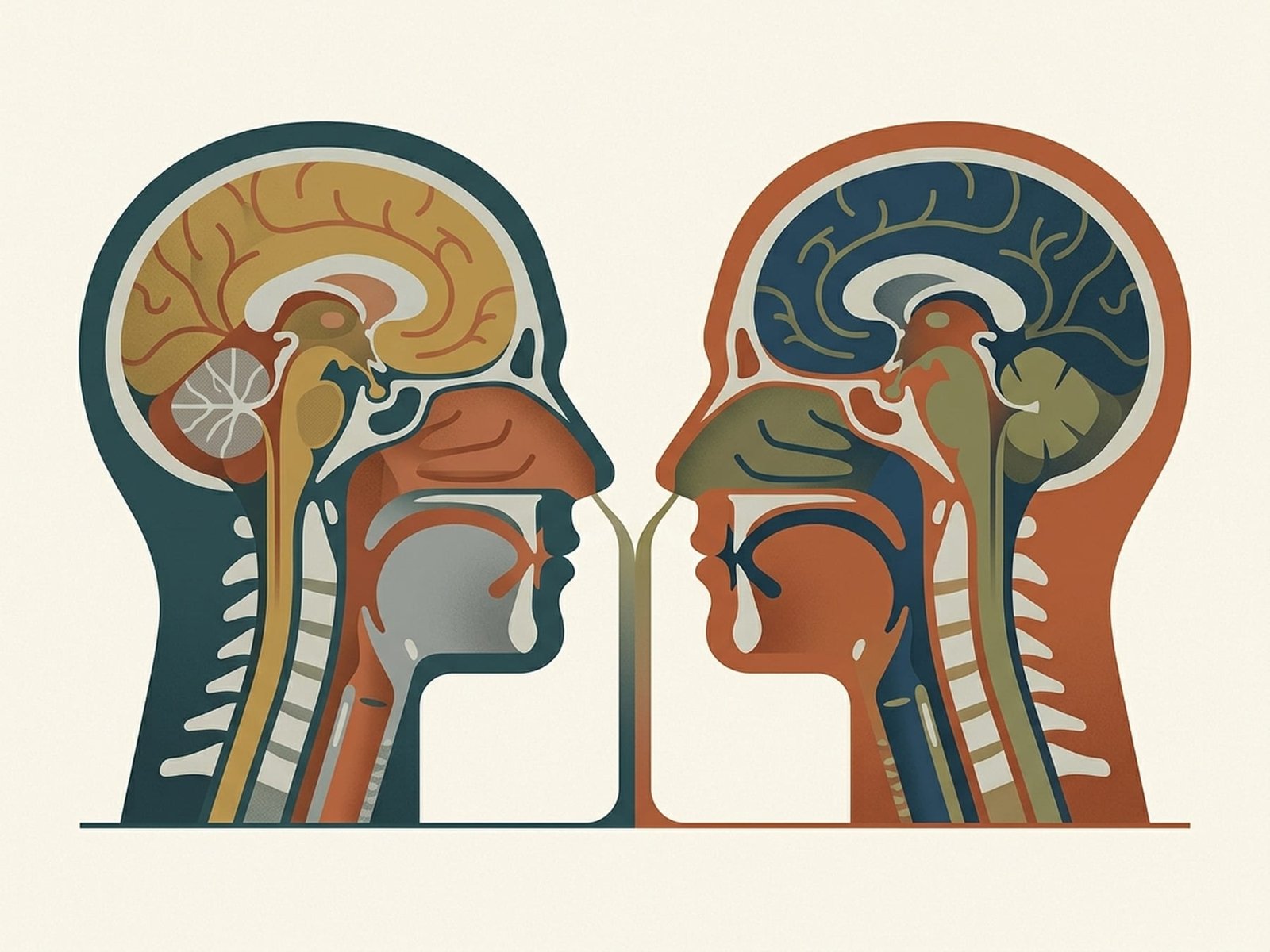
Head-to-Head Comparison
Comparison ChartAnalgesic Potency
Anti-inflammatory Effect
Antipyretic Effect
Spasmolytic Effect
Myofascial Pain Syndrome Effectiveness
Hepatotoxicity Risk
GI Bleeding Risk
Cardiovascular Risk
Hematologic Risk
Renal Risk
Pregnancy Safety
Global Availability
Available Forms
Cost
OTC Availability
Green dot indicates advantage in that parameter
Combination Products
Combination analgesic products are popular in many countries, particularly where dipyrone is available OTC. These fixed-dose combinations provide multi-mechanism analgesia in a single product, improving convenience and often providing synergistic efficacy.
Dipyrone + Orphenadrine + Caffeine
Popular CombinationDipyrone 300mg + Orphenadrine 35mg + Caffeine 50mg
One of the most widely prescribed OTC muscle pain medications in countries where dipyrone is available. Combines the analgesic and spasmolytic effects of dipyrone with the muscle relaxant action of orphenadrine (an anticholinergic/antihistaminic muscle relaxant) and the analgesic-enhancing effect of caffeine. This triple combination targets pain through three distinct mechanisms: central analgesia (dipyrone), muscle relaxation (orphenadrine), and enhanced drug absorption with additive analgesia (caffeine).
For myofascial pain: Excellent first-line OTC option for acute myofascial pain episodes in countries where available. The orphenadrine component directly addresses muscle spasm and the taut band, while dipyrone handles pain. Widely used for self-management of acute flares.
Tylenol Muscle Aches & Body Pain
Extended ReleaseAcetaminophen 650mg extended-release
An extended-release formulation of acetaminophen designed for sustained pain relief over 8 hours. Uses a bilayer tablet technology — an immediate-release layer provides rapid onset while a sustained-release layer maintains therapeutic plasma levels. This formulation reduces dosing frequency from every 4-6 hours to every 8 hours.
For myofascial pain: Provides sustained mild analgesia suitable for background pain management. The extended-release formulation maintains more consistent plasma levels, avoiding the peak-trough fluctuations of immediate-release acetaminophen. Limited effectiveness as monotherapy for moderate to severe myofascial pain.
Acetaminophen + Caffeine Combinations
Enhanced EfficacyAcetaminophen 500-1000mg + Caffeine 65-130mg
Multiple studies demonstrate that adding 65-130mg of caffeine to acetaminophen meaningfully enhances its analgesic efficacy. Caffeine acts as an adenosine receptor antagonist (A1 and A2A subtypes) in the CNS, facilitates faster drug absorption through increased gastric blood flow, and has independent mild analgesic properties through modulation of central pain processing pathways.
For myofascial pain: The caffeine enhancement can bring acetaminophen analgesia closer to the level of mild NSAIDs. A reasonable option for patients who cannot tolerate NSAIDs. The caffeine also counteracts the mild sedation some patients report with acetaminophen.
Dipyrone Oral Drops (Novalgin)
Rapid OnsetDipyrone 500mg/mL oral drops
A liquid formulation of dipyrone that allows precise dose titration and rapid absorption. Each mL (approximately 20 drops) contains 500mg of dipyrone. The liquid form provides faster onset of action compared to tablets (15-20 minutes vs 30-40 minutes) due to immediate gastric absorption without the need for tablet disintegration.
For myofascial pain: Particularly useful for acute, severe myofascial pain flares where rapid onset is needed. The ability to titrate doses precisely (e.g., 10 drops = 250mg for mild pain, 20 drops = 500mg for moderate pain, 40 drops = 1000mg for severe pain) gives patients flexible self-management options.
When to Use for Myofascial Pain Syndrome
Acute Mild Pain (VAS 1-3)
Moderate Pain (VAS 4-6) — Combined with NSAID
Spasm-Predominant Pain — Combined with Muscle Relaxant
Pre-Treatment Before Physical Therapy / Dry Needling
Rescue Medication During Active Treatment
Chronic myofascial pain — NOT Recommended as Sole Long-Term Treatment
Comparison with Other Analgesic Classes

Comparison with Other Analgesic Classes
Comparison ChartAcetaminophen
Dipyrone
NSAIDs
Muscle Relaxants
Opioids
Gabapentinoids
Gold dot = Non-opioid analgesics covered in this guide. * = OTC where legally available.
Key Takeaways
First-Line Role in Multimodal Therapy
Dipyrone Advantages for Myofascial Pain
Hepatotoxicity — The Critical Acetaminophen Risk
Combine with Physical Therapy, Not Just Other Drugs
Acetaminophen Hepatotoxicity Warning