How EDS Can Drive Myofascial Pain

EDS Hypermobility and Myofascial Pain
Mechanism OverviewHypermobile Ehlers-Danlos syndrome (hEDS) is a heritable connective tissue condition in which joints and soft tissues are more lax than usual. For pain patients, the most important practical consequence is that muscles often have to work harder to provide stability when passive structures are insufficient.
That extra stabilizing demand helps explain why trigger points are so common and so persistent in hEDS. The painful muscle is often not simply “too tight” — it may also be overworked because the joint or region is less stable than it should be.
This is one reason routine trigger point treatment may help temporarily but not hold: the painful muscle may still be filling a necessary stabilizing role. If the instability, movement strategy, or load pattern is not addressed, the trigger point often returns.
Many hypermobile patients also struggle with fatigue, orthostatic intolerance, poor sleep, and pain amplification. These do not replace the musculoskeletal explanation — they often amplify it and make the whole pain pattern harder to treat with local techniques alone.
Commonly Affected Areas & Muscles
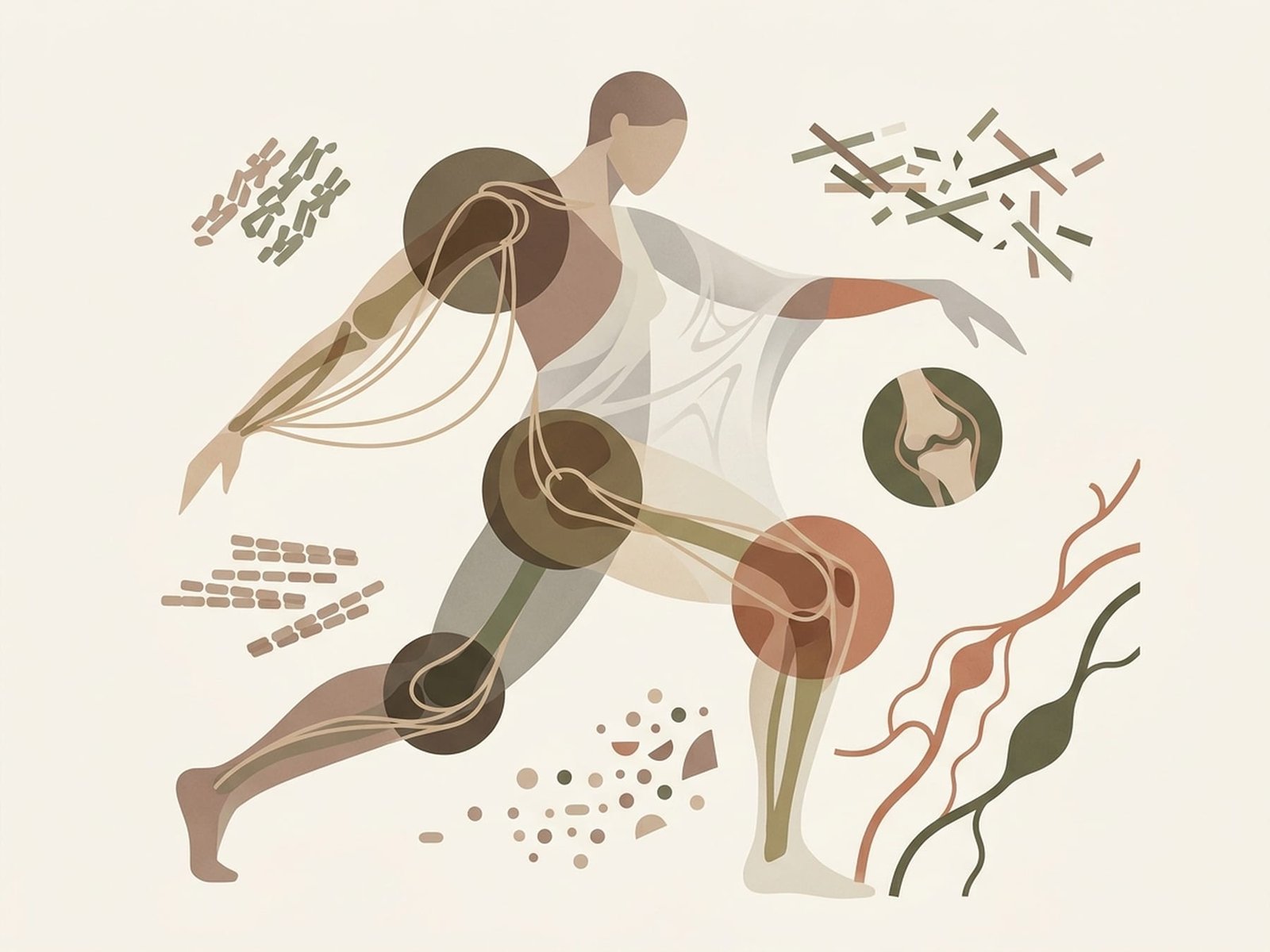
The areas most affected are usually the ones where instability and repetitive stabilizing demand are highest: knees, shoulders, spine, hips, and ankles. Those regions often develop muscular pain that reflects compensation as much as local tissue irritation.
Joint Instability and Muscle Guarding Patterns
hEDS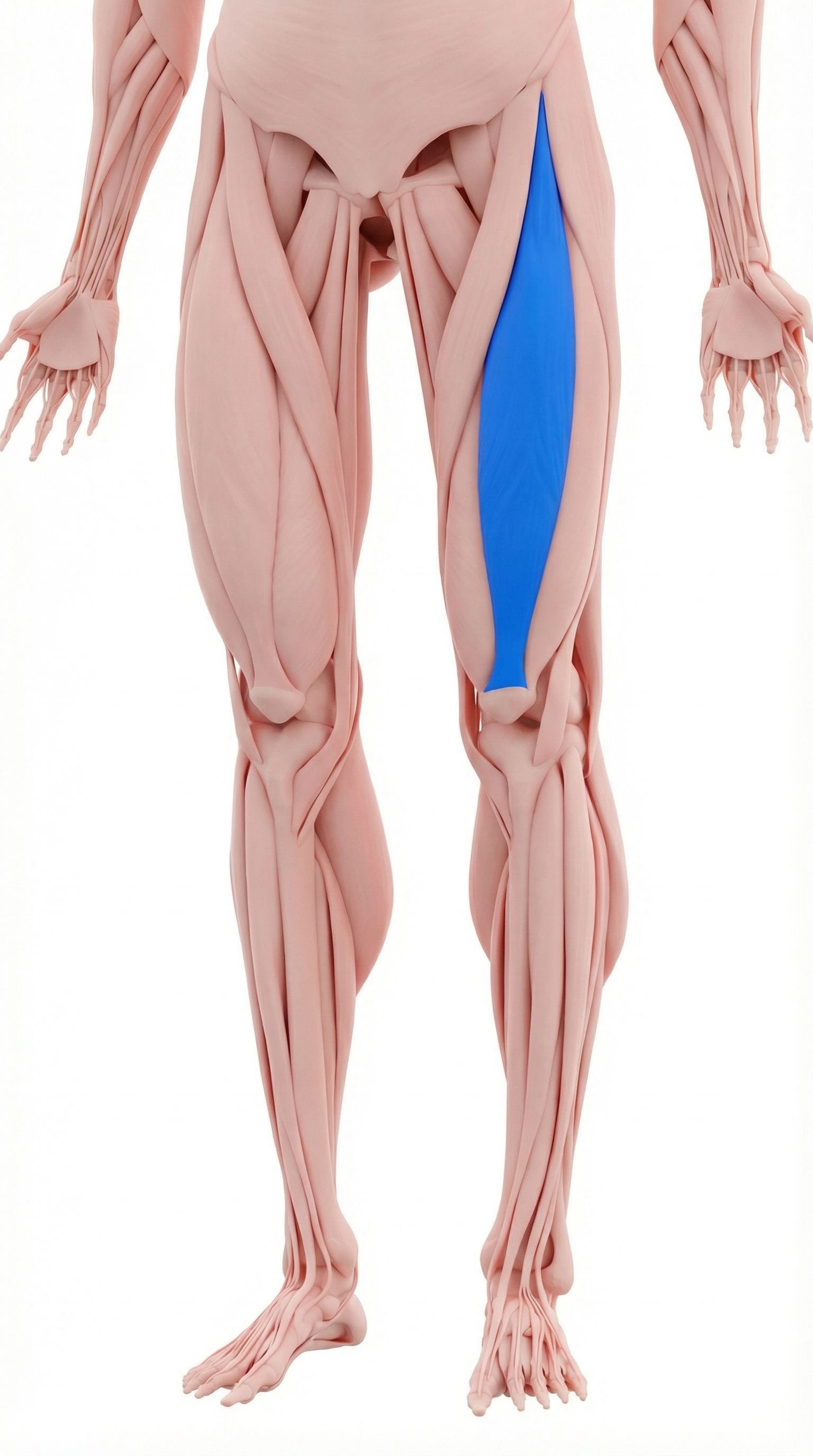
In hEDS, the quadriceps often work harder to stabilize a more mobile knee. That persistent stabilizing demand may contribute to trigger points, anterior thigh pain, and anterior-knee symptoms. These symptoms can overlap with patellofemoral pain, which is also common in hypermobile patients.
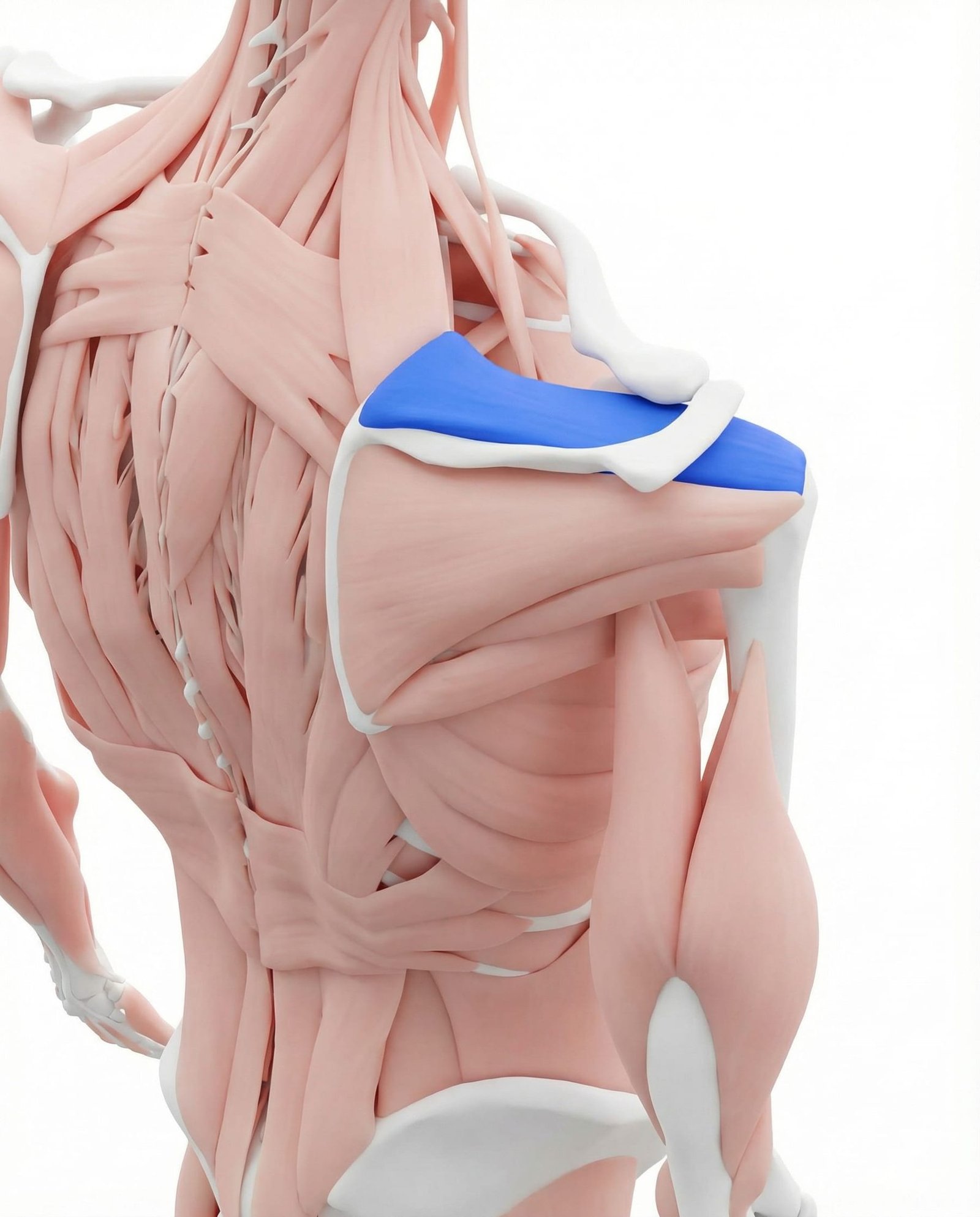
When the glenohumeral joint is very mobile, the rotator cuff may be asked to provide more dynamic stability than usual. Over time this can contribute to trigger points, lateral shoulder pain, and upper-arm referral that may mimic cuff overload, tendinopathy, or partial tear.
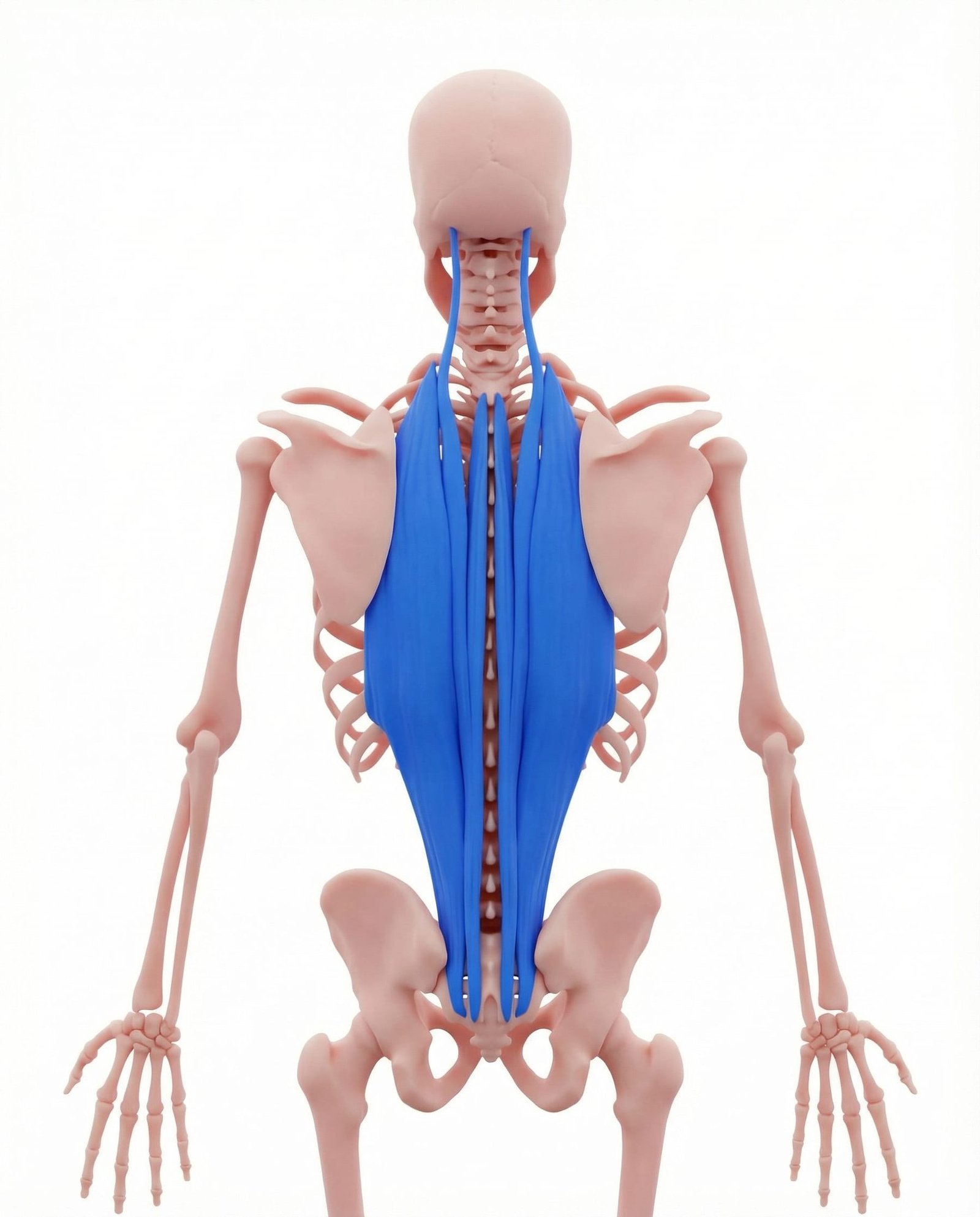
In hEDS, cervical and lumbar spinal mobility may increase the stabilizing demand on the paraspinals. Patients often describe broad spinal aching, fatigue, and a sense that the back muscles “never fully switch off.” This can create pain patterns that are harder to calm than ordinary mechanical back pain.
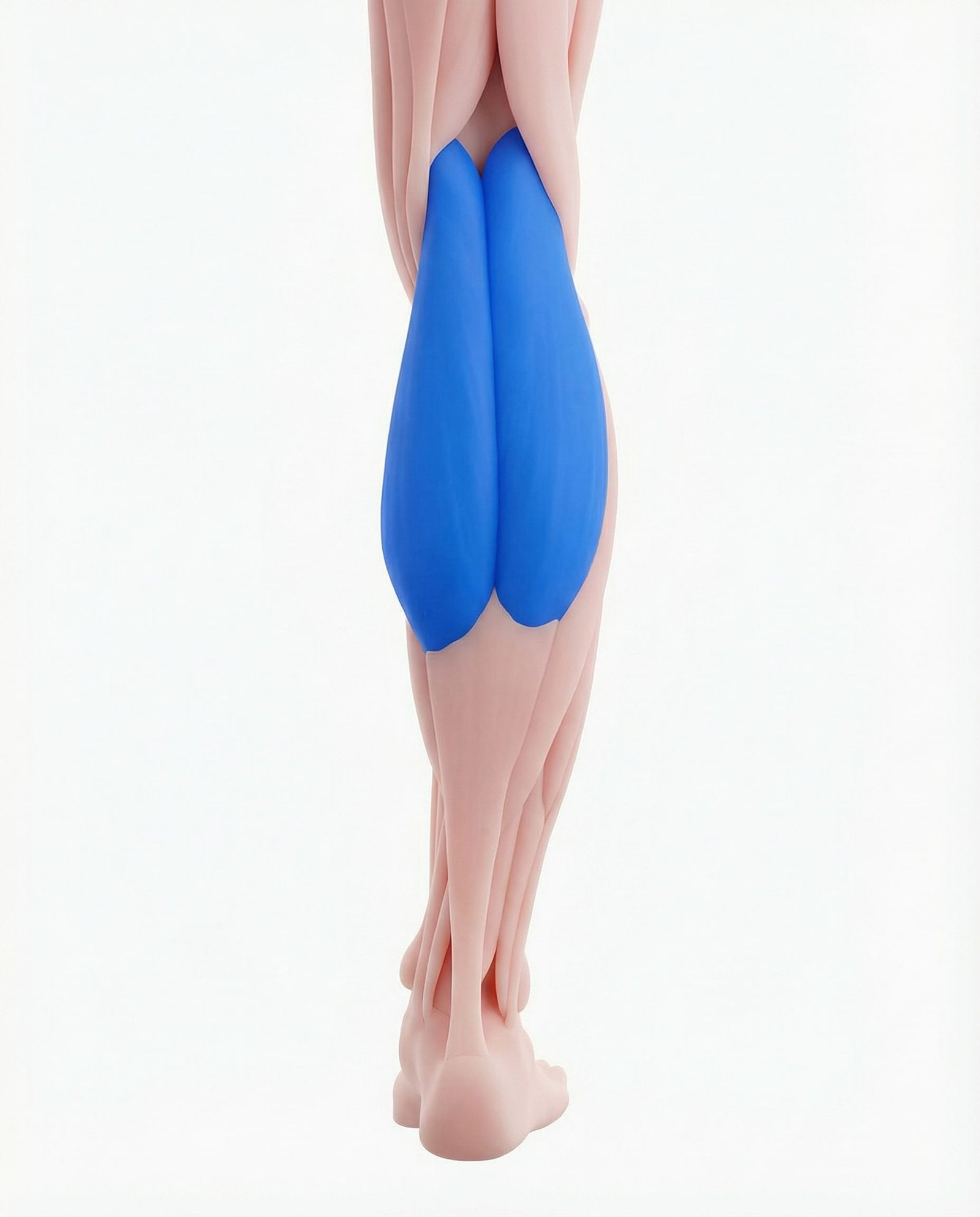
Ankle and subtalar hypermobility may shift more stabilizing work into the calf muscles, especially during walking or prolonged standing. Calf trigger points in this setting can contribute to heel, ankle, or plantar-foot pain that overlaps with plantar fasciitis or Achilles-region pain.
Patterns Seen in Hypermobile Patients
Pain in hEDS often feels more widespread, more fatiguing, and more persistent than ordinary localized trigger point pain. This does not mean that every hypermobile patient has central sensitization — only that broader system involvement is common enough to be considered.
Autonomic symptoms, widespread tenderness, and fatigue often coexist with myofascial pain in hEDS. The result is a pain picture that may be harder to classify neatly as “just trigger points” or “just central sensitization.”
In hEDS, painful muscles are often doing protective work the passive tissues are not doing well enough.
Multi-Region
Frequent
Common
Diagnosis & Screening
Diagnosing hEDS requires clinical assessment. Screening scores and symptom history are important, but they must be interpreted in context and with appropriate exclusion of other connective-tissue disorders when needed.
Beighton Score
Hypermobility Screening Score
2017 hEDS Clinical Criteria
Current Clinical Diagnostic Framework
Orthostatic Vitals / POTS Screening
Autonomic Symptom Screening
Genetic Evaluation When Indicated
Subtype Differentiation and Red-Flag Review
EDS-Adapted Treatment Principles
Treatment in hEDS usually needs to be adapted. The best question is often not “How do we release this muscle?” but “How do we reduce the stabilizing burden that keeps overloading this muscle?”
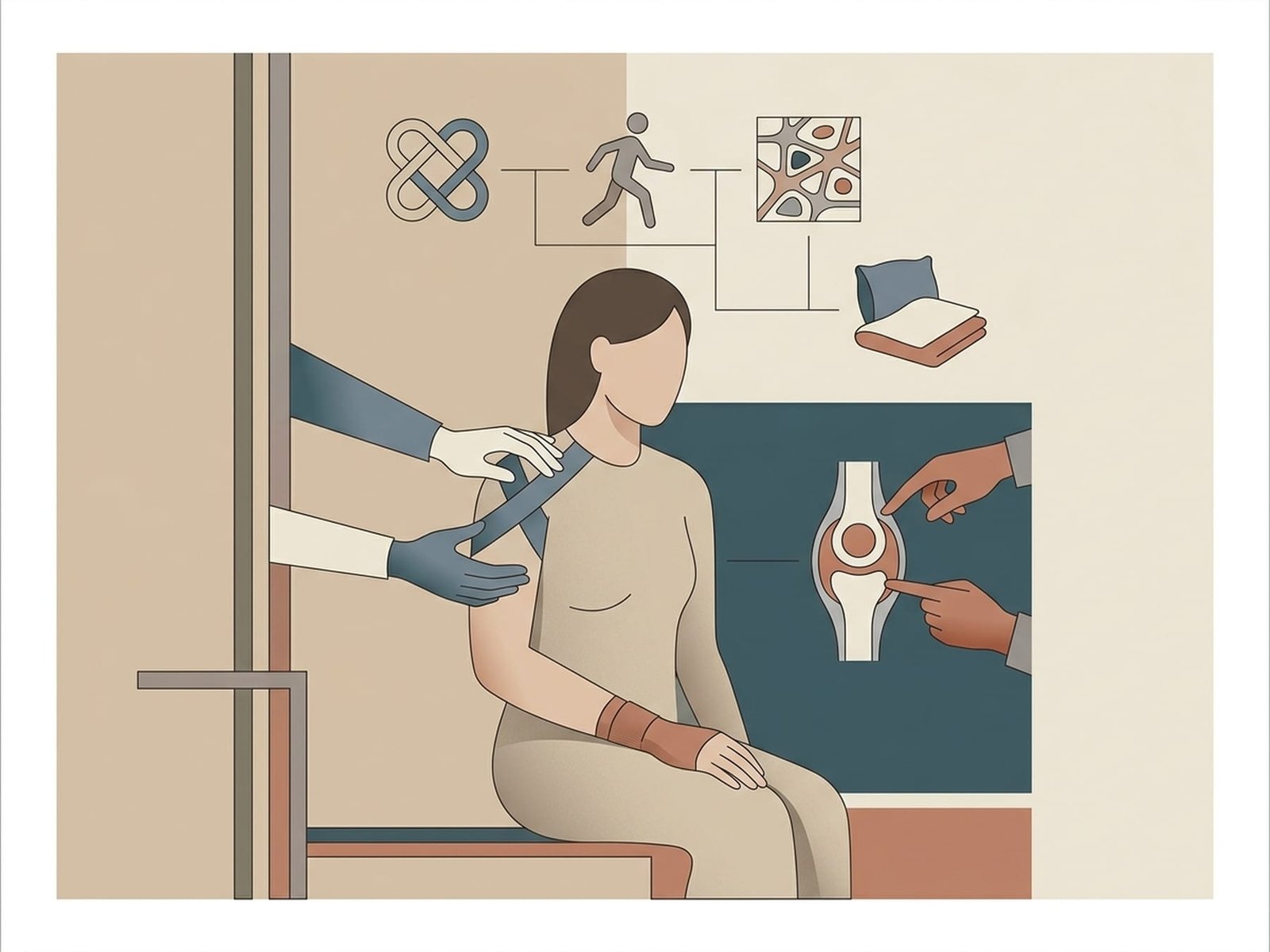
EDS-Adapted Treatment Approach
Stability and Pain ManagementStability-First Physiotherapy
Physiotherapy in hEDS usually works best when it prioritizes joint stability, movement control, and pacing rather than flexibility for its own sake. Standard musculoskeletal protocols may need significant adaptation.
- Proprioceptive and balance training when joint position sense is poor
- Low-load strengthening and endurance work for stabilizing muscles
- Scapular, core, and hip control work when larger regional instability patterns are present
- Joint protection strategies, activity adaptation, and pacing
- Careful avoidance of overloading end range when end-range control is poor
Gentle Myofascial Work
Trigger point work can still help in hEDS, but the tissue is often more reactive and the painful muscles are sometimes acting as compensatory stabilizers. That means treatment usually has to be lighter, more selective, and more carefully integrated with rehabilitation.
- Use gentler manual techniques rather than highly aggressive tissue work
- Treat the most relevant trigger points rather than trying to treat everything in one session
- Avoid assuming that every “tight” muscle should be released aggressively
- Reassess whether the painful muscle is also functioning as a necessary stabilizer
- Coordinate local symptom treatment with strengthening and movement support
Autonomic Management
Autonomic dysfunction can strongly influence pain, fatigue, exercise tolerance, and post-exertional worsening in hypermobile patients. Addressing this in parallel often improves the overall treatment response.
- Orthostatic symptom assessment when dizziness, palpitations, or fatigue are prominent
- Hydration, salt strategies, and compression if medically appropriate
- Graduated conditioning that matches autonomic tolerance rather than forcing upright exercise too early
- Pacing and recovery planning to reduce crashes
- Medical review when non-pharmacologic strategies are not enough
Pain Psychology & Pacing
Pain psychology is often important in hEDS — not because the condition is “psychological,” but because chronic instability, diagnostic delay, trauma from repeated dismissal, and long-term pain can change the whole recovery environment.
- Pacing to avoid repeated boom-bust cycles
- Sleep support and energy management
- ACT, CBT, or other pain-psychology approaches when pain has become persistent and threatening
- Education that validates the condition without over-pathologizing every symptom
- Peer support and clinician support for the long diagnostic journey many patients have experienced
Warning Signs in EDS
Not every hypermobile patient needs specialist referral, but some findings should clearly widen the differential and change the urgency of care.
Key Takeaways for EDS-Related Pain
hEDS is a connective-tissue disorder in which abnormal ligament and soft-tissue support can increase muscular stabilizing demand and contribute to persistent trigger point pain.
The painful muscles in hEDS are often compensating for instability, which is one reason local treatment alone is often insufficient.
“Stretch more” is often poor advice in hypermobile patients. Many do better with stability, control, pacing, and careful movement exposure rather than deeper range.
Autonomic dysfunction, fatigue, sleep problems, and pain amplification often shape the pain picture and need to be considered alongside the musculoskeletal findings.
Treatment usually works best when it combines gentle local care, stability-focused rehabilitation, pacing, and realistic long-term management rather than one isolated technique.