§ 01

What Is CBD?

CBD

CBD

Mechanism of Action Diagram

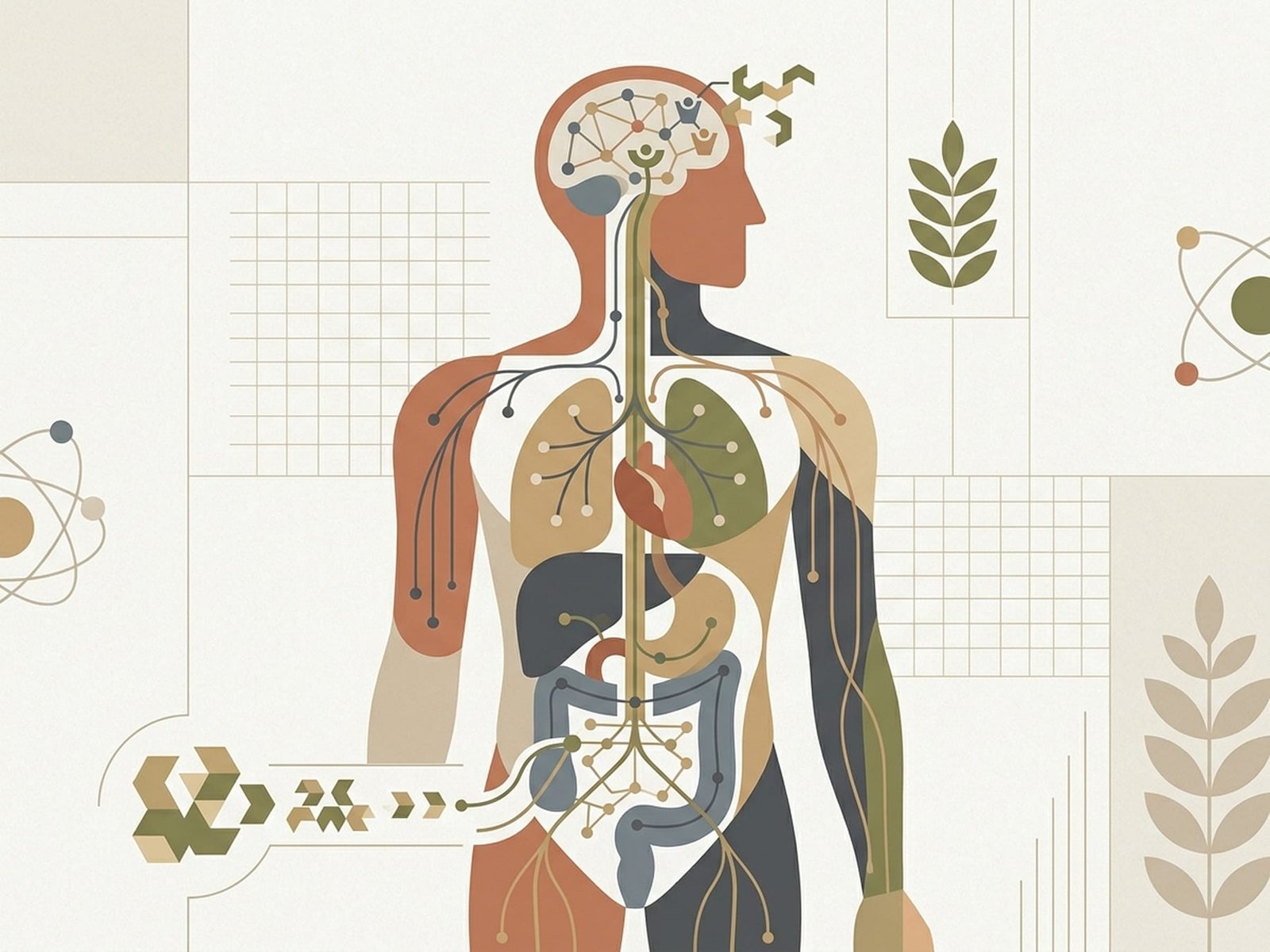
Cannabidiol (CBD) is one of many phytocannabinoids found in Cannabis sativa. It is commonly derived from hemp products that contain very low levels of THC. Unlike THC, CBD does not produce the intoxicating effects most people associate with cannabis. This difference has contributed to growing interest in CBD as a possible adjunctive option for pain, stress, sleep disturbance, and recovery-related symptoms.

CBD is non-intoxicating and pharmacologically broad, but direct evidence for myofascial trigger point pain remains limited.

CBD is often discussed in relation to the endocannabinoid system (ECS), a regulatory system involved in pain modulation, immune signaling, mood, sleep, and stress responses. Unlike THC, CBD has relatively low direct affinity for CB1 and CB2 receptors and appears to work more indirectly through multiple signaling pathways. This is one reason it is often described as pharmacologically broad rather than strongly receptor-specific.

For myofascial pain, the interest in CBD comes from its potential relevance to several clinically important domains: local pain sensitivity, inflammatory signaling, sleep disruption, anxiety, and stress-related muscle tension. However, the direct evidence base for CBD specifically in myofascial pain remains limited. It is best understood as a possible adjunct within a broader care plan rather than as a primary or definitive treatment.

§ 02

Mechanisms of Action

Mechanisms of Action

Mechanisms of Action

Mechanism Diagram

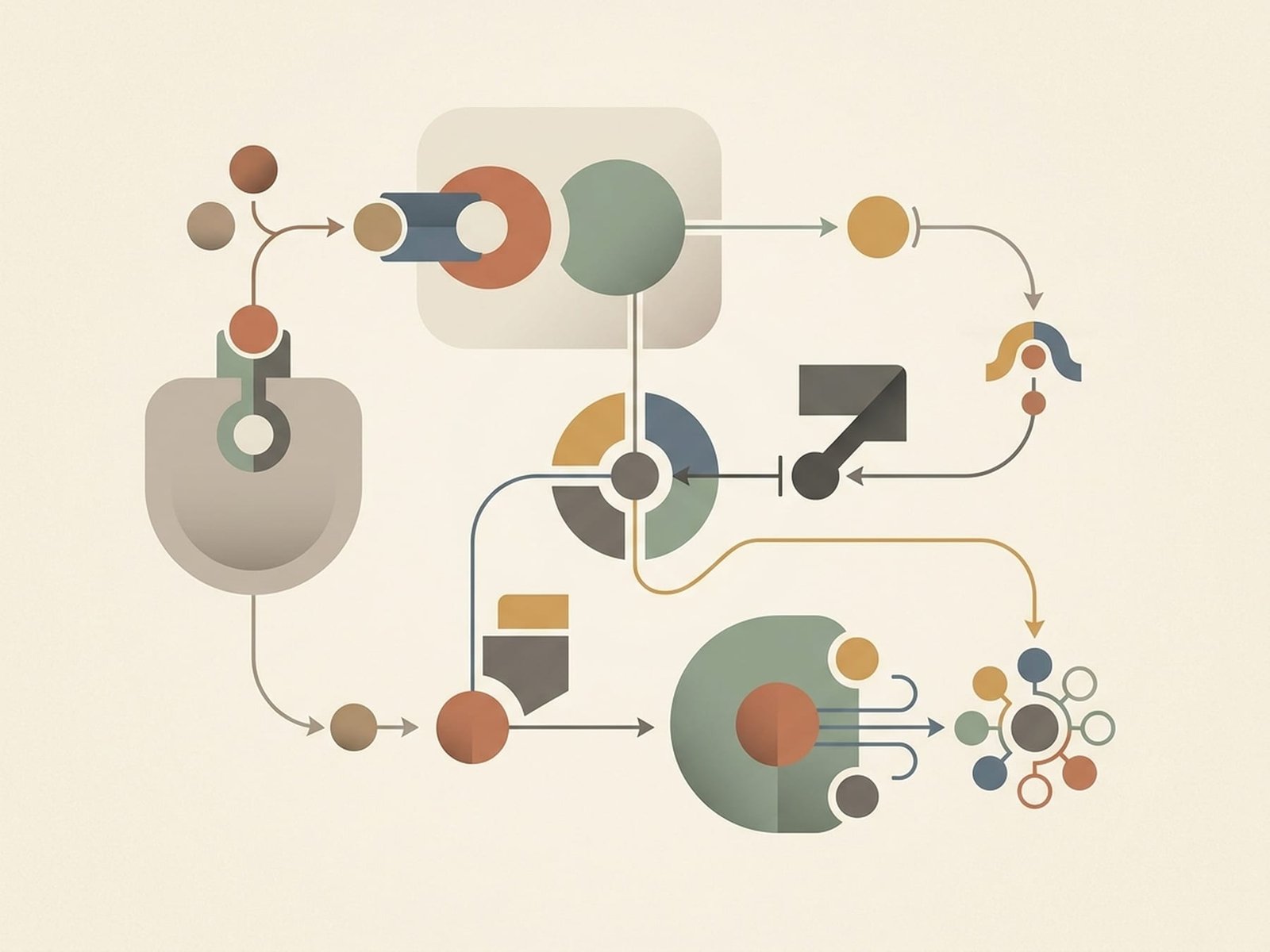
CBD is often described as a multi-target compound because it interacts with several pathways relevant to pain, stress, inflammation, and sensory processing. The mechanisms below are among the most commonly cited in the literature. They help explain why CBD is of interest in pain medicine, but they should not be mistaken for proof of clinical effectiveness in myofascial pain.

FAAH Inhibition (Anandamide Elevation)

CBD may inhibit fatty acid amide hydrolase (FAAH), an enzyme involved in the breakdown of anandamide (AEA), one of the body’s endogenous cannabinoids. By reducing anandamide breakdown, CBD may increase endocannabinoid tone indirectly rather than acting as a strong direct agonist at CB1 or CB2 receptors. This distinction is important because it separates CBD from THC, which produces intoxication primarily through direct CB1 activation. In pain contexts, elevated endocannabinoid tone has been proposed as one mechanism by which CBD may modestly influence pain signaling, stress reactivity, and inflammation. For myofascial pain, this is mechanistically interesting but not yet supported by strong condition-specific clinical trials.

TRPV1 Agonism (Vanilloid Receptor Modulation)

CBD interacts with the transient receptor potential vanilloid 1 (TRPV1) receptor, which is involved in nociception and heat signaling. In preclinical work, CBD appears to activate TRPV1 initially and may contribute to subsequent desensitization of nociceptive signaling. This is one reason CBD is often discussed alongside capsaicin, though the clinical effects are not identical and should not be treated as interchangeable. For myofascial pain, TRPV1 modulation is one plausible pathway by which CBD could influence local tenderness or pain sensitivity, but direct clinical evidence remains limited.

Adenosine Reuptake Inhibition

CBD may inhibit equilibrative nucleoside transporter 1 (ENT1), which can increase extracellular adenosine levels. Adenosine signaling is relevant to both pain modulation and inflammation, especially through A1 and A2A receptors. This has led to the hypothesis that CBD may modestly support endogenous analgesic and anti-inflammatory signaling in some contexts. In myofascial pain, where local tissue irritability and sensitization may be present, this mechanism is biologically plausible, but it should be viewed as a proposed pathway rather than a clinically established explanation.

5-HT1A Serotonin Receptor Partial Agonism

CBD appears to interact with the 5-HT1A serotonin receptor, a pathway often discussed in relation to anxiety modulation, stress reactivity, and descending pain inhibition. This may be clinically relevant for some people with myofascial pain, particularly when pain-related stress, sleep disruption, or autonomic arousal are significant perpetuating factors. However, this does not mean CBD functions like a standard antidepressant or that this pathway reliably translates into meaningful analgesia in all patients.

GPR55 Antagonism

CBD has been described as an antagonist at GPR55, an orphan G-protein coupled receptor that may play a role in inflammatory and pain-related signaling. This remains a mechanistically interesting but still evolving area of research. Its relevance to myofascial trigger point pain is theoretical rather than clinically established.

Anti-Inflammatory Cytokine Modulation

In preclinical and translational research, CBD has been associated with changes in inflammatory signaling, including reduced expression of some pro-inflammatory mediators and possible support of anti-inflammatory pathways. In active trigger points, local biochemical irritability has been described in research settings, which makes this mechanism conceptually relevant. However, direct evidence that CBD meaningfully changes trigger point biochemistry in routine clinical use is currently lacking.

PPAR-gamma Activation

CBD has also been reported to activate peroxisome proliferator-activated receptor gamma (PPAR-gamma), a nuclear receptor involved in inflammation, metabolism, and cellular stress responses. This mechanism is sometimes cited in discussions of tissue repair and metabolic regulation. In myofascial pain, it is best understood as a theoretical upstream pathway of interest rather than a validated treatment mechanism.
§ 03

Formulations & Delivery Methods

Formulations & Delivery Methods

Formulations & Delivery Methods

Step-by-Step Illustration

Topical Creams & Balms

Best starting option for localized pain

250–3000 mg CBD per container

BioavailabilityLimited (primarily local exposure, negligible systemic absorption)
Onset15–45 minutes (local effect)
Duration2–6 hours
Concentration250–3000 mg CBD per container
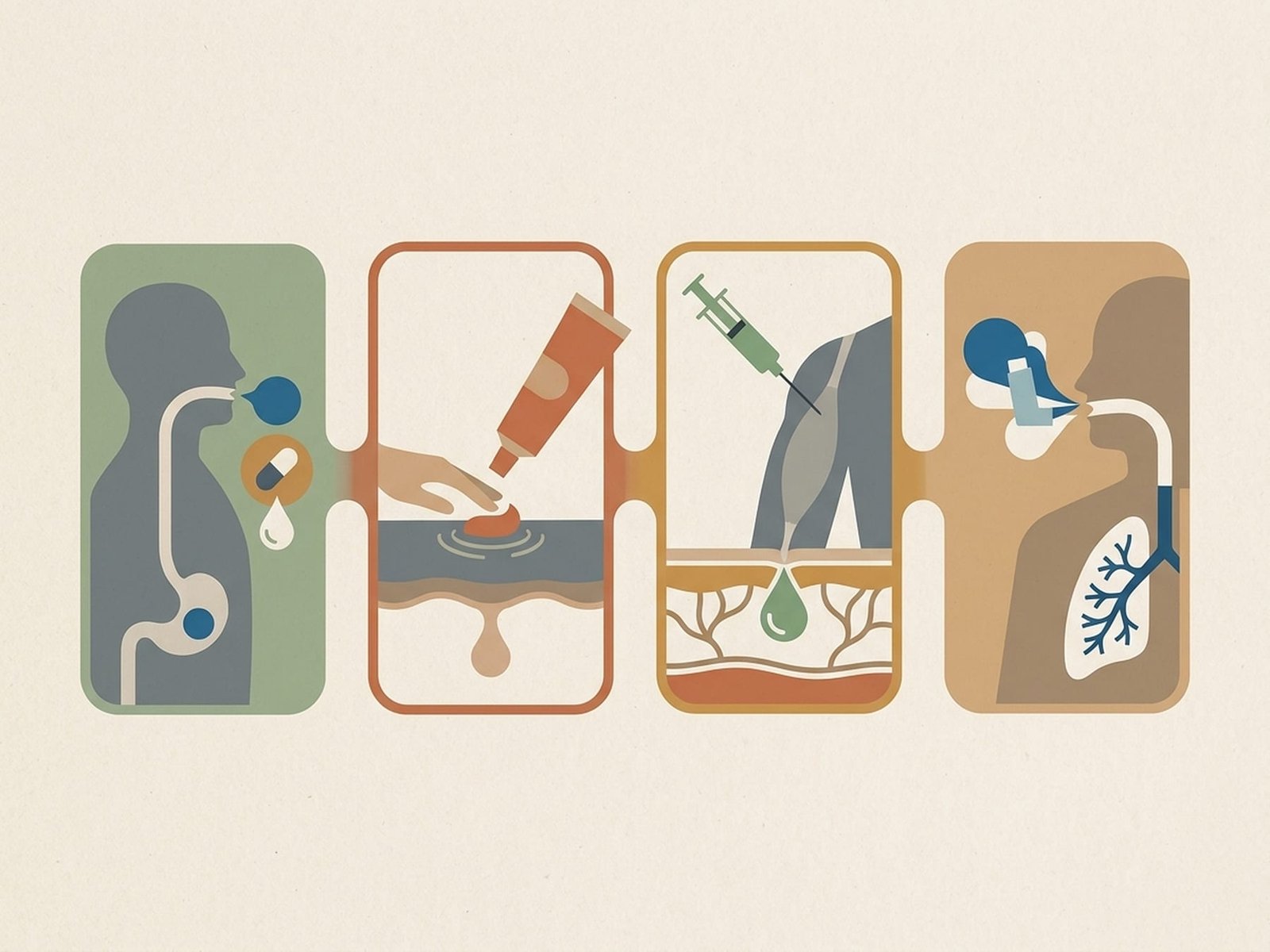
Topical CBD products are applied directly over painful or tender areas. Creams, balms, salves, and lotions are the most common formats. These products are often used for localized musculoskeletal discomfort because they target superficial tissue exposure without producing major systemic effects. For superficial muscles such as the upper trapezius or sternocleidomastoid, this may be a reasonable entry point for people who want to try CBD while minimizing systemic drug-interaction risk. For deeper muscles, penetration may be limited, and expectations should remain modest. Formulations with menthol, camphor, or similar ingredients may feel more immediately soothing, but that does not necessarily mean the CBD component is driving the full effect.

Sublingual Oils & Tinctures

Systemic option

300–3000 mg CBD per bottle (typically 30 mL)

Bioavailability13–35% (estimated, route-dependent)
Onset15–30 minutes
Duration4–6 hours
Concentration300–3000 mg CBD per bottle (typically 30 mL)
Sublingual administration involves placing CBD oil under the tongue before swallowing. This route may provide higher bioavailability than standard oral ingestion and is often chosen when users are seeking more systemic effects, such as support with sleep, stress reactivity, or generalized pain burden. In myofascial pain, sublingual CBD is best considered an adjunctive systemic option rather than a direct local treatment for trigger points.

Oral Capsules & Edibles

Convenient dosing

10–50 mg CBD per capsule/serving

Bioavailability6–19% (oral, affected by first-pass metabolism)
Onset1–2 hours
Duration6–8 hours
Concentration10–50 mg CBD per capsule/serving
Oral CBD products include capsules, gummies, beverages, and other edible preparations. They are convenient and allow relatively consistent dosing, but they undergo significant first-pass hepatic metabolism, which lowers bioavailability and increases the potential for drug interactions. They may be reasonable for people seeking broader systemic effects, but they are not ideal if the primary goal is targeted local symptom relief.

Transdermal Patches

Extended release

10–100 mg CBD per patch

BioavailabilityVariable (product-dependent; may exceed standard oral exposure)
Onset1–2 hours (gradual)
Duration8–12 hours per patch
Concentration10–100 mg CBD per patch
Transdermal CBD patches are designed to deliver CBD gradually across the skin over several hours. In theory, they may provide more sustained exposure than standard topicals and may produce both local and systemic effects depending on the formulation. In practice, product quality and delivery efficiency vary considerably, and the evidence base remains limited compared with more established routes.

Compounded Formulations

Customized option

Customized by pharmacist

BioavailabilityVaries by formulation and vehicle
OnsetVaries
DurationVaries
ConcentrationCustomized by pharmacist
Compounding pharmacies may prepare customized CBD formulations, sometimes in combination with other agents such as menthol, lidocaine, ketamine, diclofenac, or gabapentin, depending on jurisdiction and prescribing practice. These products can be tailored to concentration, base, and application site, but quality depends heavily on the pharmacy, the formulation, and regulatory context. They should not be assumed to be superior simply because they are compounded.
§ 04

Dosing & Administration for Myofascial Pain

Topical Application (Reasonable Starting Point)

For localized myofascial pain, topical CBD is usually the most practical starting option because it targets the painful area while minimizing systemic exposure. A trial of consistent use over 2 to 3 weeks is more informative than a single application. Expectations should remain modest: some people report reduced tenderness or improved comfort, while others notice little change.

Sublingual / Oral CBD (For Broader Systemic Use)

When people are using CBD for more generalized effects — such as stress modulation, sleep support, or broader pain burden — sublingual or oral routes are more relevant than topicals. Dosing is not standardized for myofascial pain. If oral or sublingual use is being considered, a low starting dose with gradual titration is more sensible than jumping quickly to high doses.

Bioavailability Considerations

Route matters. Topical products mainly affect local tissue exposure. Sublingual and oral routes are more relevant for systemic effects, but oral products have lower and more variable bioavailability because of first-pass metabolism. Food intake, product formulation, and individual metabolism can all change the effective dose.

Titration Approach

If oral or sublingual CBD is used, a cautious “start low and go slow” approach is more appropriate than aggressive dose escalation. Track pain, sleep, alertness, sedation, GI side effects, and perceived benefit rather than increasing dose automatically. The lowest dose that provides meaningful benefit is generally preferable.
§ 05

Evidence Assessment

Clinical evidence for CBD varies considerably by condition, route, formulation, and study design. The ratings below summarize the current state of evidence in broad terms. They should not be interpreted as guarantees of benefit for an individual patient.

Chronic Pain (General)

Low–ModerateEvidence for cannabinoids in chronic pain is broader than the evidence for CBD specifically. Some reviews and consensus reports suggest potential benefit in selected chronic pain populations, but much of the literature involves mixed cannabinoid products or THC-containing preparations rather than CBD isolate alone. For CBD specifically, the evidence is promising in some areas but still limited and inconsistent.

Neuropathic Pain

LowPreclinical data for CBD in neuropathic pain models is stronger than the current human trial evidence. Small trials and observational data suggest possible benefit in some patients, but there is still a lack of large, well-powered trials evaluating CBD isolate specifically for neuropathic pain.

Inflammatory Arthritis & Joint Pain

LowAnimal studies and limited human observational data suggest CBD may have anti-inflammatory and pain-modulating effects in some joint pain conditions. Human evidence remains limited, especially for commercially available products of variable quality.

Myofascial Pain Syndrome (myofascial pain)

Very LowDirect evidence for CBD specifically in myofascial trigger point pain is very limited. No large randomized controlled trials have established CBD as a primary treatment for myofascial pain. The mechanistic rationale is plausible, but current use is based mainly on extrapolation from related pain conditions, small studies, and individual patient experience. CBD should be viewed as an adjunctive option rather than a first-line treatment.

Fibromyalgia

LowSome observational studies and patient-reported data suggest that CBD-containing products may improve pain, sleep, or quality of life in some fibromyalgia patients. However, high-quality trials remain limited, and findings should be interpreted cautiously.

Sleep Disturbance (Pain-Related)

Low–ModerateCBD may help some people with sleep indirectly, particularly when anxiety, arousal, or pain-related distress are contributing factors. Evidence is mixed and highly dependent on dose, formulation, timing, and individual response. It should not be presented as a reliable sleep treatment for all patients.
§ 06

CBD vs Other Topicals for Myofascial Pain

Feature
CBDCapsaicinTopical LidocaineTopical Anti-Inflammatory Drugs (NSAIDs)

Primary Mechanism

Multi-target: ECS modulation, TRPV1 interaction, adenosine signaling, 5-HT1A effects, anti-inflammatory pathways
TRPV1 agonism with desensitization over repeated use
Sodium channel blockade with local anesthetic effect
COX inhibition with reduced prostaglandin-mediated inflammation

Onset of Action

Variable — 15 min to 2 hrs depending on formulation; meaningful benefit may take repeated use
May take days to weeks for consistent benefit
Often within minutes
Usually hours to days depending on formulation and indication

Duration of Effect

2–8 hours depending on formulation
Can be longer-lasting with repeated use
Hours
Hours; repeated application often needed

Side Effects

Topical products are usually well tolerated; oral products may cause fatigue, diarrhea, appetite change, or sedation in some users
Burning or stinging at the application site is common, especially early on
Local numbness or skin irritation; systemic toxicity is rare but relevant with overuse
Topical irritation possible; oral use carries broader GI, renal, and cardiovascular considerations

Drug Interactions

Meaningful mainly with oral/sublingual use due to CYP3A4/CYP2C19 inhibition
Essentially none of major clinical significance
Usually minimal with topical use
Minimal topically; more relevant with oral use

Evidence Grade (myofascial pain)

Very Low — plausible rationale, limited direct clinical evidence
Low–Moderate — indirect support from broader musculoskeletal pain literature
Low–Moderate — useful local analgesic option, but myofascial pain-specific evidence is limited
Moderate for some localized pain states, indirect for trigger point pain specifically

Cost

Variable ($30–$150+ per month); quality varies widely
Usually low for OTC products
Moderate; depends on OTC vs prescription formulation
Usually low to moderate

Prescription Needed

No for most consumer products; Epidiolex is prescription only
No for OTC products; high-strength patch requires supervision
Depends on strength and formulation
Depends on formulation and concentration
§ 07

Drug Interactions

Drug interactions matter mainly with oral and sublingual CBD because these routes create measurable systemic exposure. Topical CBD has negligible systemic absorption and is much less likely to cause clinically meaningful CYP-mediated interactions.

§ 08

Legal & Regulatory Landscape

Hemp-derived CBD products containing less than 0.3% THC are federally legal in the United States under the 2018 Farm Bill. However, the legal and commercial environment remains complex, especially when state rules, product labeling, and product quality are considered.

The FDA has approved only one prescription CBD product: Epidiolex, for specific seizure disorders. The FDA has not approved CBD as an over-the-counter pain treatment, dietary supplement, or general food additive. Most commercially available CBD products are consumer goods rather than regulated pain medications.

State-level rules vary. Patients and clinicians should verify local regulations if there are questions about legality, THC thresholds, retail sale restrictions, or workplace drug-testing implications.

Federally Legal (Hemp-Derived)

Hemp-derived CBD with less than 0.3% THC is legal at the federal level, but regulation of consumer products remains inconsistent.

Not FDA-Approved for Pain

CBD is not an FDA-approved pain treatment. Most products are sold in the consumer market rather than as regulated analgesic medications.

State Laws Vary

State rules may differ on labeling, retail sale, THC thresholds, and testing requirements.

Drug Testing Considerations

Full-spectrum CBD products may contain enough THC to matter for some drug-testing contexts. Broad-spectrum or isolate products may reduce, but not necessarily eliminate, that risk.
§ 09

Product Quality & Selection Guide

Product quality is one of the biggest practical issues in CBD use. Commercial products vary widely in CBD content, THC contamination risk, purity, and labeling accuracy. Careful product selection matters as much as the theoretical pharmacology.

Third-Party Certificate of Analysis (COA)

  • A third-party certificate of analysis is one of the most important quality markers. It should confirm CBD content, THC level, and basic contamination testing. Ideally the COA is recent, batch-specific, and easy to access. If a company cannot provide one, that is a meaningful quality concern.

Full-Spectrum vs Broad-Spectrum vs Isolate

  • Full-spectrum contains CBD plus other cannabinoids and terpenes, including trace THC. Some users and manufacturers cite an “entourage effect,” but the practical significance varies and is not fully settled.
  • Broad-spectrum contains CBD and other cannabinoids or terpenes with THC reduced or removed. This may be preferred by users concerned about THC exposure.
  • CBD isolate contains purified CBD without other cannabinoids. It offers simpler ingredient exposure but may not behave identically to multi-compound extracts.

Hemp Source & Extraction Method

  • Source material and extraction method affect quality. Independent testing matters more than marketing language alone. Organic sourcing, contaminant testing, and reputable manufacturing practices are more meaningful than branding claims.

Concentration & Value Assessment

  • Comparing products by cost per milligram of CBD is usually more informative than comparing sticker price alone. For topicals, concentration matters because many low-dose products market strongly but deliver very little active CBD. Clear labeling and batch testing are more useful than vague “hemp extract” claims.
Key Takeaways
  1. CBD (cannabidiol) is a non-intoxicating phytocannabinoid with several plausible mechanisms relevant to pain, inflammation, stress, and sleep.

  2. The mechanistic rationale for CBD in myofascial pain is interesting, but direct clinical evidence for trigger point pain specifically remains very limited.

  3. Topical CBD is usually the lowest-risk entry point for localized myofascial discomfort because systemic absorption is minimal and drug-interaction risk is low.

  4. Oral and sublingual CBD may be considered when broader systemic effects are being sought, but they carry more meaningful drug-interaction concerns and more variable bioavailability.

  5. CBD should be viewed as an adjunctive option, not a replacement for better-supported approaches such as targeted exercise, manual therapy, load modification, sleep optimization, and addressing perpetuating factors.

  6. Product quality varies substantially. Third-party certificates of analysis (COAs) are important because labeling accuracy and contamination control are inconsistent across the market.

  7. Patients taking warfarin, anti-seizure medications, immunosuppressants, benzodiazepines, or other CYP-metabolized drugs should discuss oral CBD with their clinician before use.

  8. For most people with myofascial pain, CBD is best considered one possible supportive tool within a broader multimodal plan rather than a standalone treatment.

Bottom Line

CBD is a non-intoxicating cannabinoid with a biologically plausible rationale for adjunctive use in myofascial pain, especially when sleep, stress, or local symptom relief are part of the clinical picture. However, direct evidence for trigger point pain specifically remains limited, product quality varies widely, and oral CBD carries meaningful drug-interaction concerns. For most patients, CBD is best considered a supplementary option within a broader multimodal plan rather than a primary treatment or replacement for better-supported care.