Why Athletes Get Trigger Points
Athletes are exposed to high-volume repetition, large force demands, and periods of incomplete recovery. Together, these create a setting where myofascial trigger points may develop and persist unless load and recovery are managed well.
Repetitive Microtrauma
Athletic movement often involves large numbers of repeated contractions in the same tissues. With adequate recovery, this drives adaptation. Without enough recovery, local overload can accumulate and leave muscles persistently irritable.
Eccentric Overload
Lengthening under load is often one of the most demanding forms of muscular work. Downhill running, landing, deceleration, and lowering heavy loads are common examples. These phases can be especially provocative in athletes with inadequate capacity, poor recovery, or pre-existing irritability.
Training Errors
Sudden changes in volume, intensity, frequency, or movement pattern are among the most common reasons tissues become overloaded. The issue is often not training itself, but change that outpaces adaptation.
Incomplete Recovery
Poor sleep, insufficient refueling, high life stress, and inadequate rest between demanding sessions all reduce the likelihood that tissues recover fully before the next load is applied.
Overtraining or Under-Recovery
When the total training and life load persistently exceeds recovery capacity, athletes often become more pain-sensitive, less adaptable, and more vulnerable to persistent muscle irritability.
Muscle Imbalances
Sport-specific repetition often creates predictable strength, mobility, and coordination imbalances. Over time, these imbalances may force some muscles to compensate beyond their usual capacity.
Equipment Issues
Poor bike fit, racket grip mismatch, worn footwear, or other equipment problems may subtly increase muscular load and contribute to recurring symptoms.
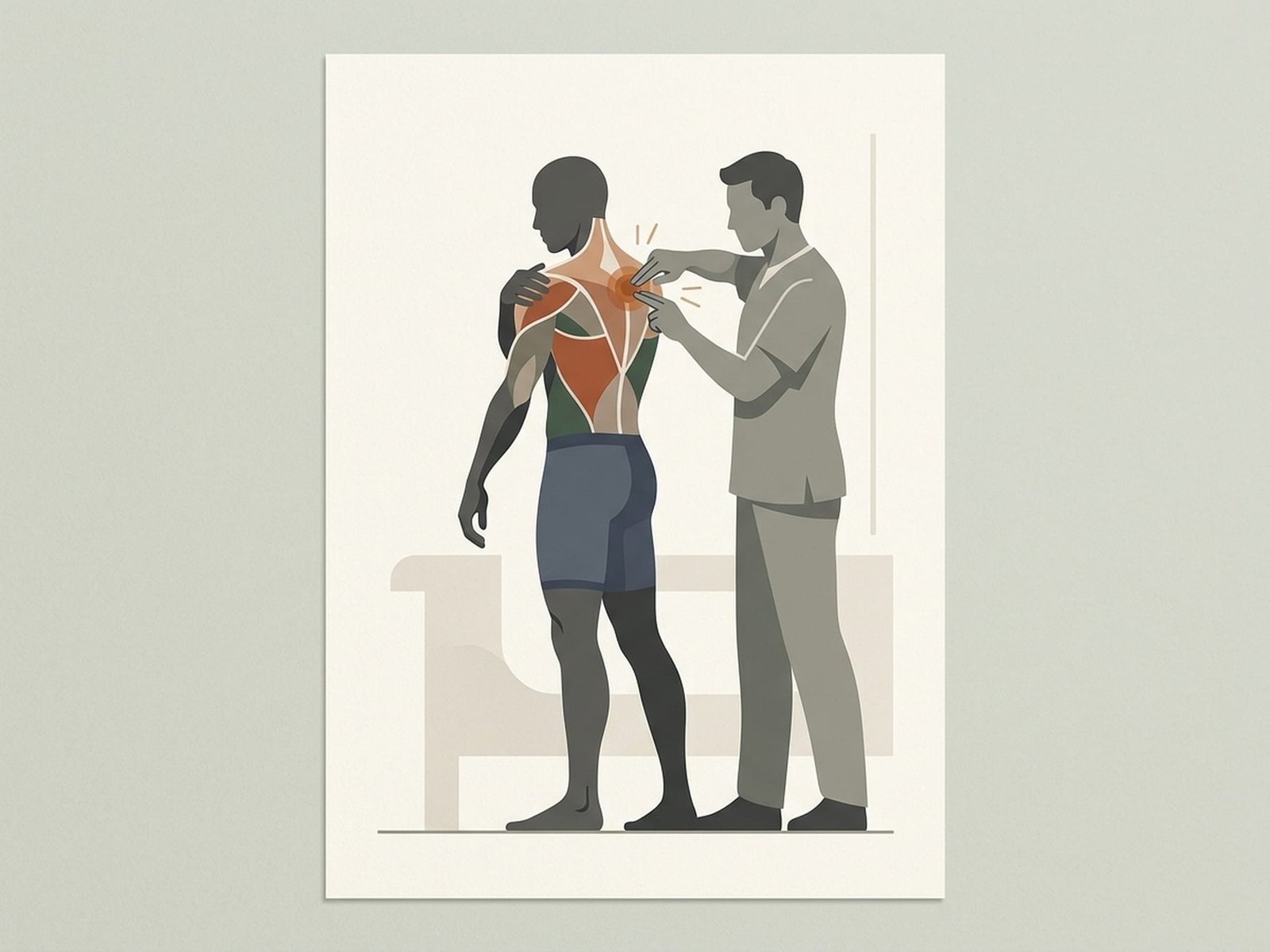
Athletic Trigger Point Assessment
Sport-Specific Trigger Point Patterns
Each sport loads the body differently, so trigger point patterns are often somewhat predictable. Use the sport profiles below as practical starting points rather than strict diagnostic maps.
Runners
Common Trigger Point Sites
Soleus
Loaded repeatedly during push-off and stance. High training volume, hill work, and accumulated fatigue may make the deep calf especially vulnerable to overload and persistent tenderness.
Tensor Fasciae Latae (TFL)
May become overloaded when hip control is poor or when the gluteal muscles fatigue. This is one reason some runners with lateral hip or knee pain seem to have a strong TFL contribution.
Piriformis
Can become irritable when hip rotation control is poor or when sitting and running loads combine. In some runners this contributes to deep buttock pain that may overlap with sciatic-type symptoms.
Gastrocnemius
Often stressed during hill running, speed work, and sudden training changes. Downhill or fast running can be particularly provocative in some athletes.
Common Complaints
- Calf tightness that returns quickly after stretching
- Lateral knee or lateral hip pain that does not behave like a classic IT band problem
- Deep buttock pain worsened by sitting after a run
- Unexplained drop in pace or running comfort despite ongoing training
Key Risk Factors
- Abrupt mileage increases or sudden changes in intensity
- Frequent running on cambered or uneven surfaces
- Worn-out footwear or major footwear changes without adaptation time
- Over-striding, low cadence, or persistent hip control deficits
Sport-Specific Trigger Point Body Map
Performance Impact
Trigger points can affect more than pain. They may alter force production, movement quality, confidence, and local endurance. In athletes, that often shows up first as “something feels off” before it becomes a clear injury.
Athletes often push through myofascial pain, mistaking it for ordinary soreness — but persistent trigger points can gradually reduce comfort, efficiency, and performance.
Power Output
Active trigger points or persistent muscle irritability may reduce force production and make an athlete feel weaker or less explosive even when conditioning is otherwise stable.
Range of Motion
Taut, irritated muscle can limit comfortable range and alter movement options. This may force compensations that shift stress elsewhere.
Secondary Injury Risk
When athletes compensate around unresolved symptoms, they may increase load on adjacent tissues and movement patterns, which can raise the likelihood of strain or overuse elsewhere.
Local Endurance
Persistently irritable muscle may fatigue earlier and feel less efficient during repeated efforts, especially late in sessions or competitions.
A Hidden Performance Problem
Athletes may compensate around trigger point-related weakness or stiffness for quite a while. That can preserve short-term performance, but it may also shift load into other tissues and gradually create a larger problem. When the body stops feeling coordinated or efficient despite otherwise normal training logic, trigger points are one reasonable thing to consider — not the only thing.
Red Flags vs. Trigger Points
Not all athletic pain originates from trigger points. Distinguishing myofascial pain from tendon injury, joint pathology, strain, or bone stress injury is essential for safe decision-making.
When to Seek Prompt Medical Evaluation
- Pain that wakes you from sleep or becomes clearly worse at night
- Acute pain onset during a single forceful movement with immediate loss of function
- Visible deformity, major swelling, or extensive bruising
- Numbness, tingling, or weakness that progresses
- Pain that increases steadily despite rest and simple self-care
Trigger Point Pain
- Dull, aching, deep pain that may be hard to localize precisely
- Pain may be reproduced by pressing on a tender taut band or muscle region
- Stiffness sometimes improves with gentle warm-up or movement
- Imaging may be normal or non-specific
- Pain may persist at rest and worsen with sustained positions or accumulated activity
Tendinopathy
- Pain often localizes more clearly near the tendon or insertion
- Symptoms often worsen with tendon loading
- Morning stiffness may be present
- Tendon thickening may be visible or palpable in some cases
- Imaging may show structural tendon change, though symptoms and imaging do not always align perfectly
Stress Fracture
- Well-localized bony tenderness
- Pain often worsens progressively with impact and may not ease with warm-up
- Night pain may be present
- Swelling may occur in some locations
- Imaging or targeted medical evaluation is usually needed when suspicion is high
Muscle Tear / Strain
- More acute onset during a forceful movement
- Sometimes associated with a pop, sudden pain, or immediate loss of function
- Bruising may develop later
- Strength loss is often clearer than in a simple trigger point presentation
- Imaging may show fiber disruption when clinically indicated
Joint Pathology
- Pain localizes more clearly to the joint line or joint motion
- Mechanical symptoms such as locking, catching, or giving way may be present
- Joint swelling or effusion may be present
- Specific provocation tests may implicate joint structures
- Imaging may show cartilage, labral, meniscal, or ligament findings when relevant
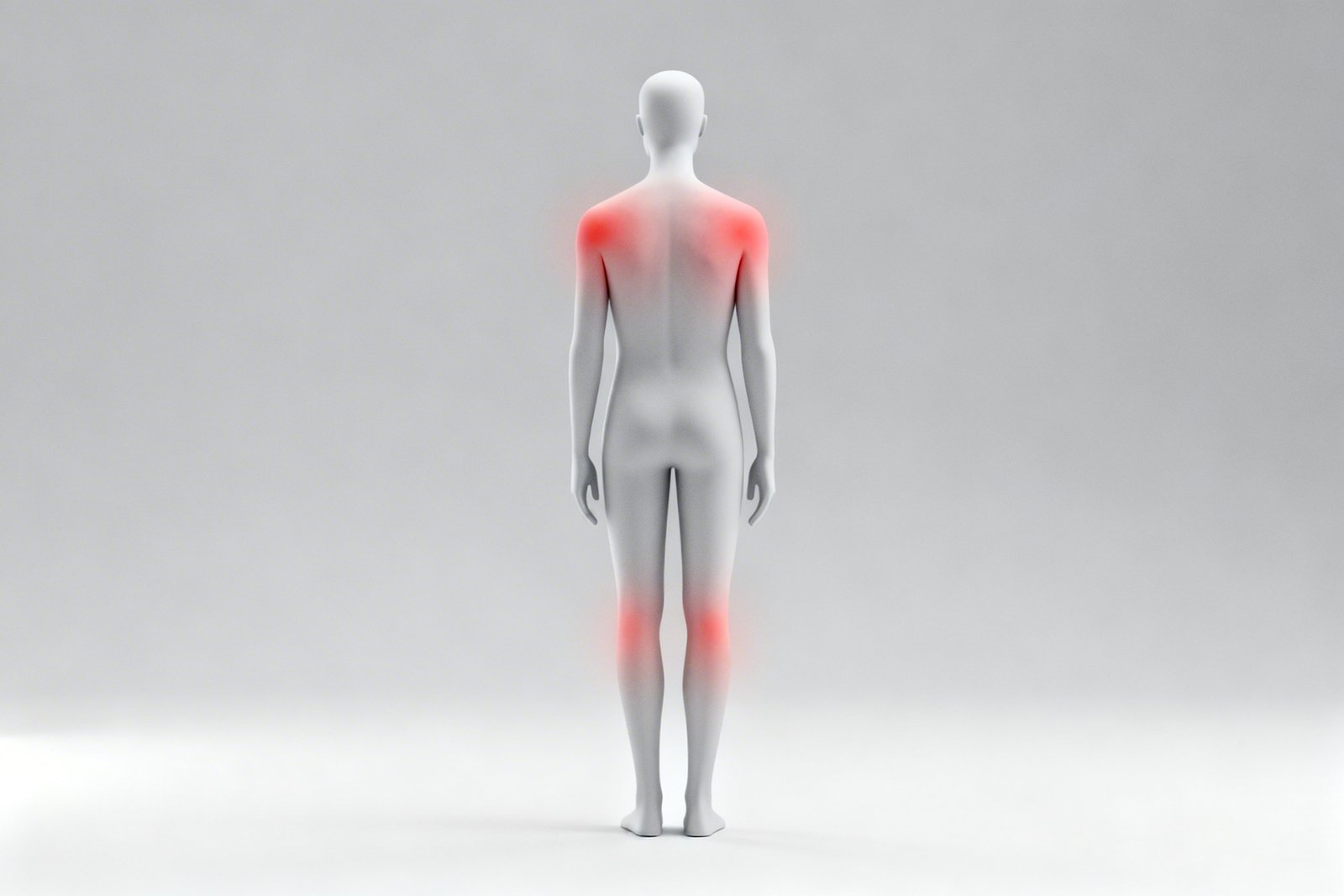
Sports-Specific Muscle Pain Patterns
Prevention Strategies
The best approach to athletic trigger points is usually prevention. Warm-ups, sensible loading, recovery, and movement maintenance reduce the chances that local muscle irritability becomes a chronic performance problem.
Structured Warm-Up Protocol
A well-designed warm-up usually combines general circulation, dynamic mobility, and sport-specific activation. The goal is not ritual for its own sake, but preparing the tissues and nervous system for the demands to come.
Key Action Points
- Allow enough time before high-intensity activity
- Favor dynamic movements before performance rather than long static holds
- Include sport-specific movement patterns at gradually increasing intensity
- Cold environments often require a longer or more deliberate warm-up
Training Periodization
Varying load across days, weeks, and seasons helps create adaptation without chronic accumulation of excessive fatigue. Planned easier weeks are often as important as the harder ones.
Key Action Points
- Use loading and recovery weeks rather than endless progression
- Vary training emphasis across microcycles when possible
- Include an off-season or lower-load phase annually
- Track load with a consistent method rather than guessing
Recovery Protocols
Recovery works best when it is active, repeatable, and matched to the demands of the sport. For many athletes, a combination of easy movement, soft-tissue maintenance, refueling, and adequate rest is more effective than relying on any one recovery tool.
Key Action Points
- Use short active cool-downs after harder sessions when appropriate
- Foam rolling or self-massage may help some athletes tolerate recovery better
- Contrast strategies may be useful for some athletes, though response varies
- Post-training nutrition and hydration still matter even when the session “felt fine”
Mobility Work
Athletes usually need usable, controllable range rather than passive flexibility alone. Mobility work is most useful when it supports actual sport-specific movement quality.
Key Action Points
- Use regular joint and movement practice for sport-relevant regions
- Reserve longer static stretching for after training or on recovery sessions when it suits the goal
- Prioritize the ranges that matter most for the sport
- Mobility work is often better tolerated once tissues are warm
Nutrition for Recovery
Adequate energy, protein, carbohydrate, and micronutrient intake support tissue repair and adaptation. Relative under-fueling can make persistent muscle irritability much harder to resolve.
Key Action Points
- Match intake to training demand rather than eating generically
- Spread protein intake across the day
- Do not underestimate carbohydrate needs during heavy blocks
- Address obvious nutrition gaps that may impair recovery
Sleep for Recovery
Sleep is a major recovery driver for nervous system regulation, tissue repair, pain modulation, and motor learning. Athletes who train hard but sleep poorly often under-recover even when other factors look reasonable.
Key Action Points
- Aim for consistent and adequate sleep during heavy training
- Protect sleep timing as much as possible
- Short naps may help in some schedules
- Reduce habits that repeatedly delay or disrupt sleep
Load Management
Load management means keeping the relationship between recent demand and accumulated capacity reasonable. Big spikes in training load are often more problematic than hard training itself.
Key Action Points
- Track load consistently rather than relying on memory
- Avoid sudden spike weeks when possible
- Rebuild gradually after illness, injury, or time off
- Use pain, performance, and fatigue trends together rather than any one metric alone
Treatment for Athletes
Treating trigger points in athletes is different from treating the general population because the treatment has to fit around training and competition. Timing, load adjustment, and function matter as much as symptom relief.
Return-to-Play Considerations
Trigger point treatment in athletes has to fit the competition and training schedule. Treatment that is helpful in principle can still be poorly timed. Functional testing and actual sport tolerance are usually more useful than pain score alone when judging return readiness.
Guidelines
- Schedule deeper or more provocative treatment away from key competitions when possible
- Expect some athletes to need 1-3 days before maximal effort after more aggressive treatment
- Use sport-specific function to guide return decisions
- Return load progressively rather than jumping straight back to full volume
Dry Needling in Sport
Dry needling can be a useful option in selected athletic trigger point presentations because it is targeted and time-efficient. Response is variable, and it usually works best when paired with exercise or load changes that address why the trigger point formed in the first place.
Guidelines
- Pair needling with corrective exercise or load adjustment
- Light movement after treatment may help some athletes
- Recent acute muscle strain deserves separate clinical judgment before needling
- Hydration and recovery planning still matter around treatment
Manual Therapy Timing
The timing of manual therapy relative to training can change whether it helps or hinders. Some athletes benefit from lighter, activation-oriented work before performance and deeper restorative work later.
Guidelines
- Keep pre-competition treatment lighter and more activating
- Use deeper restorative work after competition or on lower-demand days
- Avoid heavy manual treatment immediately before key skill or maximal-power sessions
- Coordinate therapy with the training plan rather than treating it as separate
Self-Treatment Tools for Travel
Athletes who travel often benefit from a small portable self-care kit. The goal is not to do major treatment in a hotel room, but to maintain movement quality and keep known problem areas calmer.
Guidelines
- Lacrosse ball or peanut ball for selected self-release work
- Roller stick for calves, quads, hamstrings, and adductors
- Resistance band for activation and warm-up
- Use short targeted routines rather than aggressive self-treatment right before competition
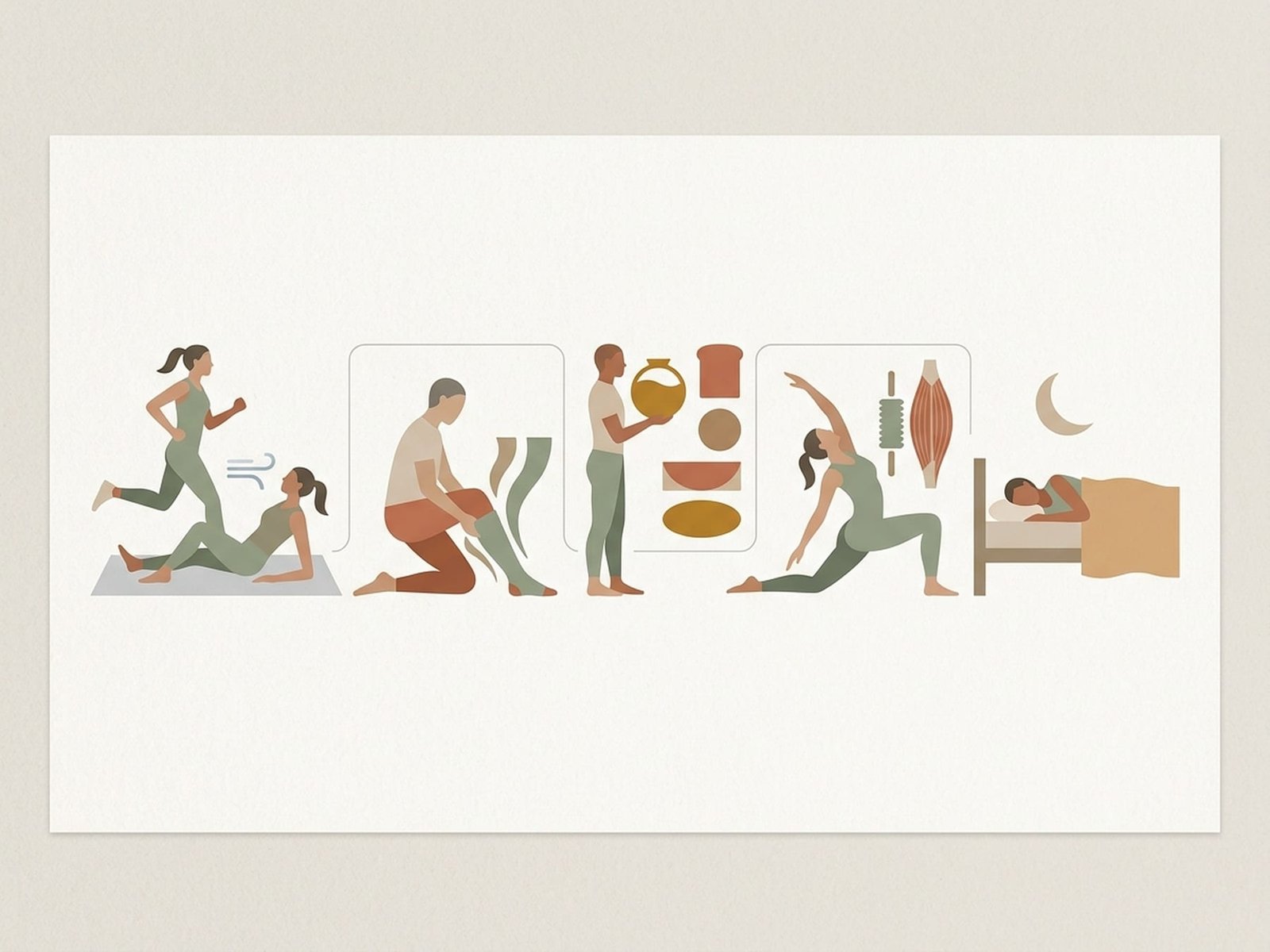
Athletic Recovery Protocol
Self-Assessment for Athletes
Use this checklist to consider whether myofascial trigger points may be contributing to your pain or performance issues. It is a screening tool, not a diagnosis.
Your Score: 0 / 12
Lower likelihoodYour symptoms may have another cause or a mixed cause. Consider sports medicine evaluation if symptoms persist.
This self-assessment is for educational purposes only and does not replace evaluation by a qualified healthcare professional. Persistent pain, performance decline, or red-flag symptoms deserve proper sports medicine assessment.
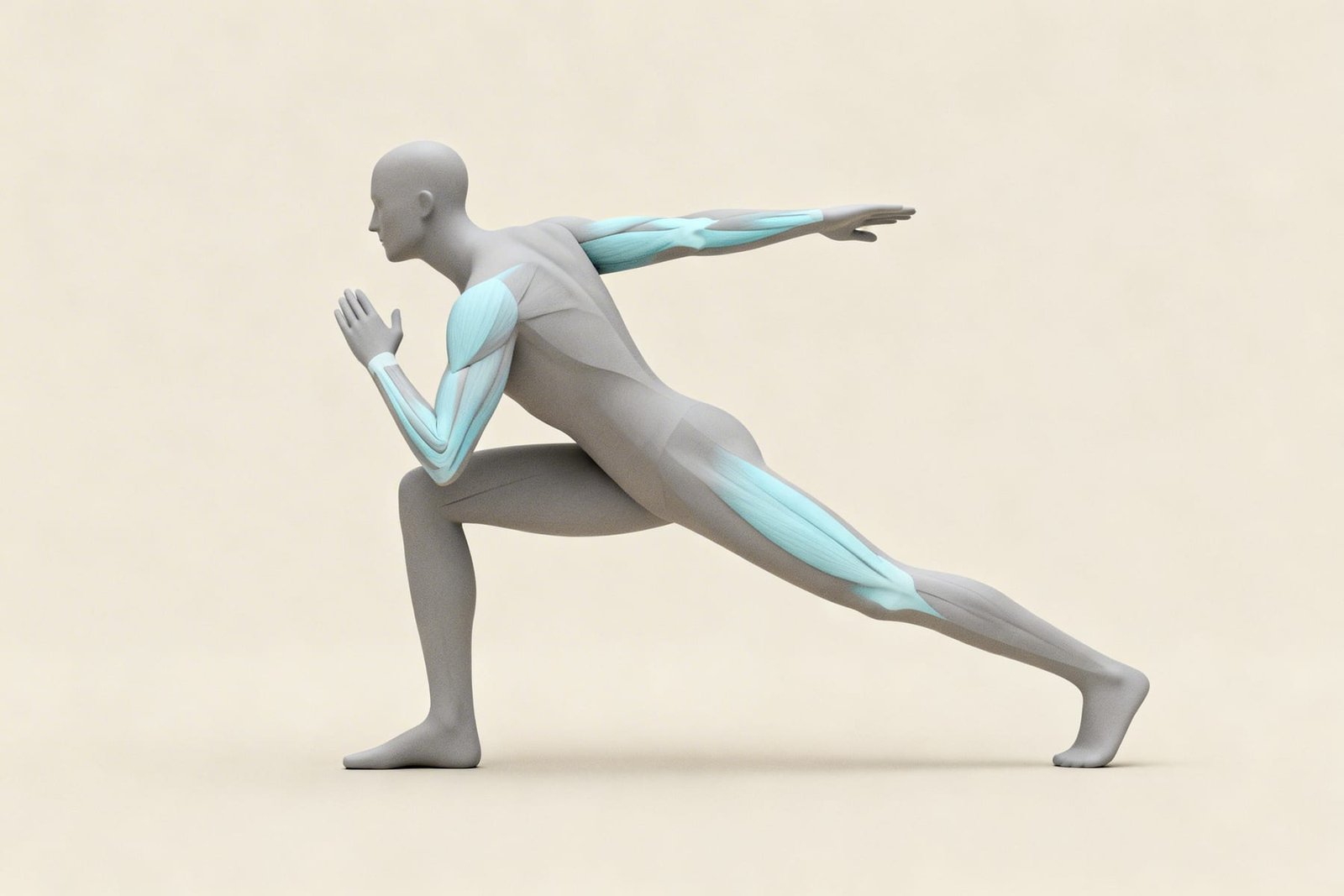
Athlete Self-Treatment Techniques
Recovery Protocols
These recovery and self-care protocols are meant to support consistency across the training week, competition periods, and off-season. They work best when adapted to the athlete rather than followed rigidly.
Key Takeaways
Trigger Points Are Often Sport-Specific
Different sports create predictable muscle overload patterns. Knowing your sport’s common sites can help with earlier recognition and smarter prevention.
Performance Decline Can Be an Early Clue
Unexplained drop in power, pace, or endurance sometimes reflects unresolved myofascial irritability rather than only conditioning or motivation problems.
Prevention Usually Beats Treatment
Warm-ups, recovery, periodization, and load management often reduce the recurrence of trigger points more effectively than waiting to treat them once they are severe.
Treatment Timing Matters
Good treatment at the wrong time can still impair performance. Therapy should fit the training and competition calendar whenever possible.
Not All Athletic Pain Is a Trigger Point
Acute injury patterns, progressive neurological symptoms, marked swelling, and persistent night pain deserve proper medical evaluation rather than self-diagnosis.
Recovery Drives Adaptation
Sleep, nutrition, hydration, and sensible training structure shape whether tissues adapt well or remain persistently irritated.
Continue Learning
Exercise Guide
Best exercises for myofascial pain — from walking and yoga to sport-specific strength training protocols.
Self-Care Toolkit
Foam rolling, massage balls, heat and cold therapy, and self-treatment techniques you can do anywhere.
Dry Needling
In-depth guide to dry needling — the evidence, the techniques, and what to expect during treatment.
Connected Conditions
How trigger points connect with tendinopathy, joint dysfunction, central sensitization, and other athletic conditions.