§ 01

Overview — TCAs for Myofascial Pain
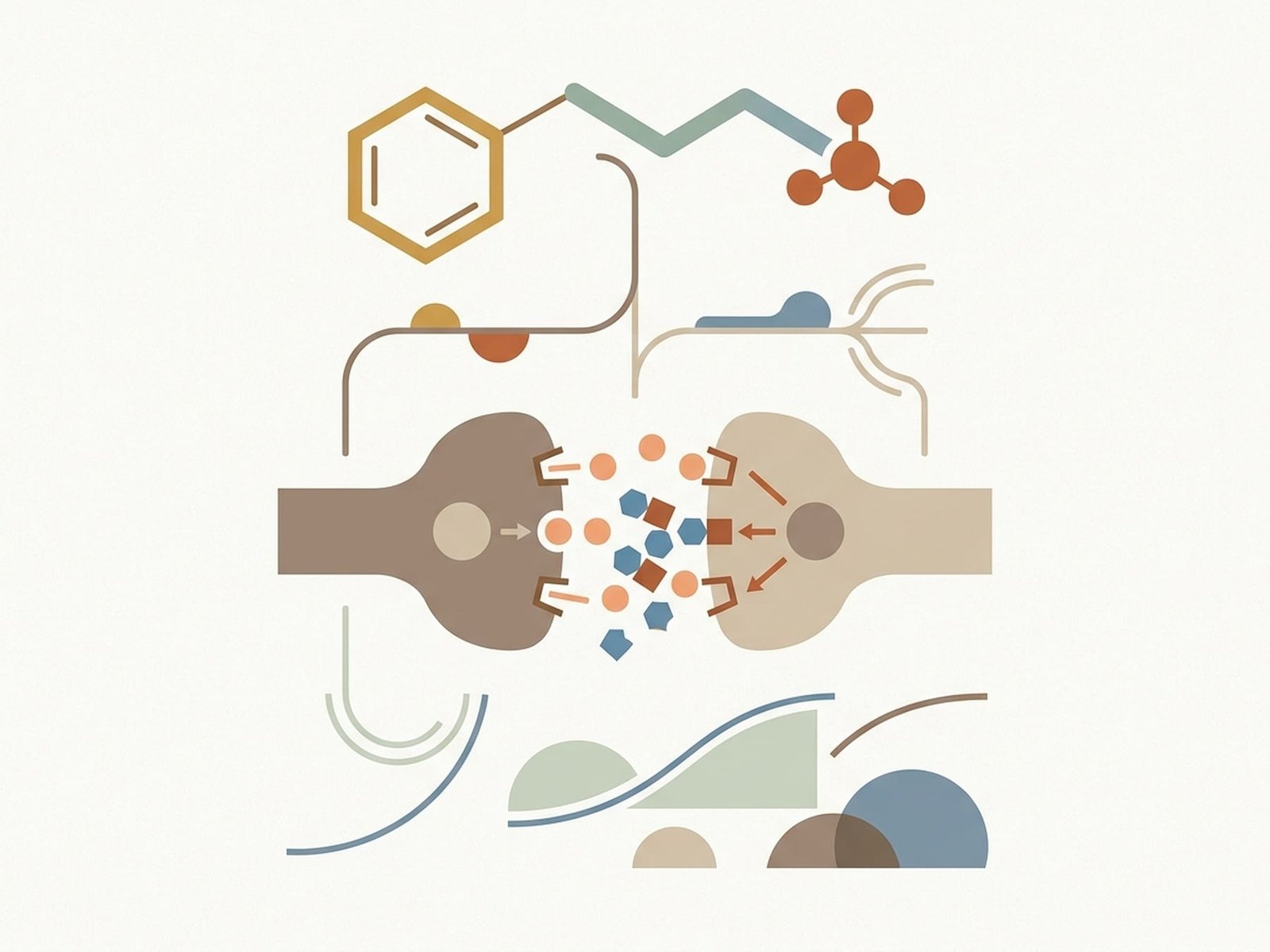
Amitriptyline

Amitriptyline

Mechanism of Action Diagram

Tricyclic antidepressants (TCAs) are longstanding adjuvant medications in chronic pain management. Although originally developed as antidepressants, they are often used at much lower doses for pain, sleep disruption, and overlapping chronic pain syndromes. In myofascial pain, they may be considered when insomnia, widespread pain, or other sensitization-related features are part of the picture.

A key practical point is that TCAs for pain are usually used at lower doses than for major depressive treatment. At these lower doses, the clinical goals are often pain modulation, sleep support, and reduced pain amplification rather than treatment of depression itself.

Low-dose amitriptyline in pain practice is usually being used as a pain-modulating and sleep-supportive medication, not simply as an antidepressant.

Amitriptyline Amitriptyline is the most familiar TCA in chronic pain practice, but its sedation and anticholinergic burden limit tolerability in some patients. Nortriptyline Nortriptyline is often considered when a similar strategy is desired with somewhat better tolerability.

TCAs remain important because they are broad, inexpensive, and clinically familiar — not because they are automatically the right choice for every patient with myofascial pain.

§ 02

Mechanism of Action

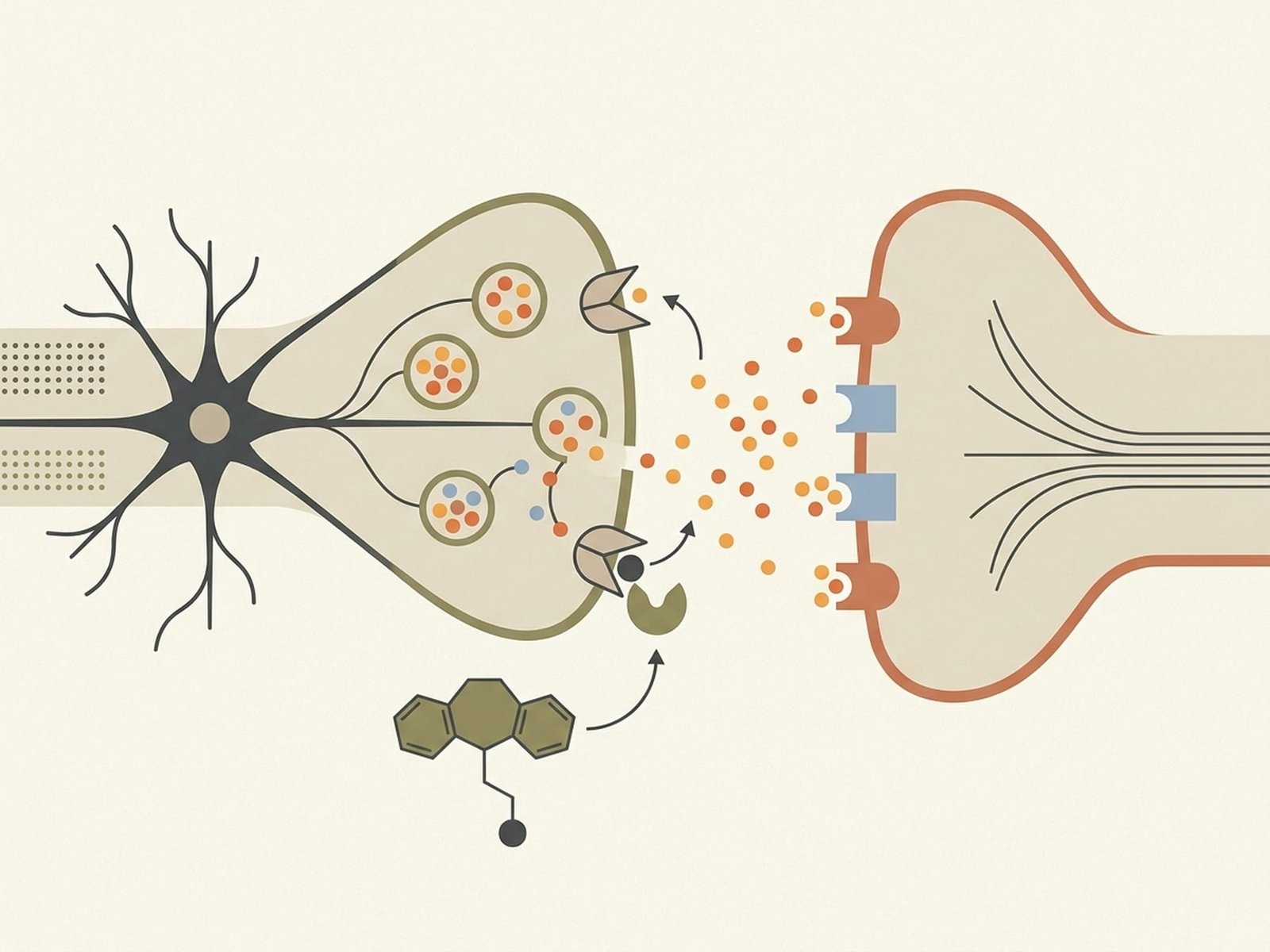
TCAs likely help pain through several overlapping mechanisms rather than one single pathway, which is one reason they remain relevant in chronic pain management.
Mechanism of Action

Mechanism of Action

Mechanism Diagram
01

Serotonin Reuptake Inhibition (SRI)

TCAs inhibit the presynaptic serotonin transporter (SERT), increasing serotonin availability in the synaptic cleft. In pain contexts, this is thought to matter mainly through descending inhibitory pathways involving the brainstem and spinal dorsal horn. By enhancing serotonergic signaling in these pathways, TCAs may strengthen endogenous pain modulation. This is one plausible contributor to their analgesic effect rather than a complete explanation on its own.

02

Norepinephrine Reuptake Inhibition (NRI)

TCAs also inhibit the norepinephrine transporter (NET), increasing norepinephrine availability in descending noradrenergic pathways. Norepinephrine can activate alpha-2 adrenergic receptors in the spinal dorsal horn and may help reduce pain transmission. This dual serotonin-norepinephrine profile is one reason TCAs are often discussed as more useful for pain than purely serotonergic antidepressants, though individual response still varies.

03

Sodium Channel Blockade

TCAs also have local anesthetic-like sodium channel blocking effects. This may reduce hyperexcitability in peripheral nociceptors and is one proposed reason these medications can help pain at doses lower than those typically used for antidepressant treatment. The exact contribution of this mechanism likely varies by condition and by patient.

04

NMDA Receptor Effects

TCAs have been described as having weak NMDA-related effects, which may be relevant to central sensitization and pain amplification. This is usually discussed as a secondary or supportive mechanism rather than the main driver of analgesia.

05

Histamine H1 Receptor Blockade

Many TCAs, especially amitriptyline and doxepin, strongly block histamine H1 receptors and therefore cause sedation. In some patients with chronic pain and comorbid insomnia, this can be clinically useful when dosing is timed appropriately at night. The same mechanism also explains why these agents may be poorly tolerated in patients who need daytime alertness.

06

Muscarinic Acetylcholine Receptor Antagonism

TCAs also block muscarinic acetylcholine receptors, which is why they commonly cause dry mouth, constipation, blurred vision, and urinary retention. These anticholinergic effects are dose-dependent and are generally more pronounced with amitriptyline than with nortriptyline or desipramine.

§ 03

Individual Drug Profiles

Amitriptyline (Elavil)

Most Familiar Pain TCA
Pain Dose10–50 mg at bedtime (often started low and titrated gradually)
Half-Life10–50 hours
EvidenceOften cited as having supportive chronic pain evidence
SedationStrong
AnticholinergicStrong
Amitriptyline is one of the best-known TCAs in chronic pain practice and is commonly used in low doses at bedtime. Its strong H1 antihistamine and anticholinergic properties make it more sedating than many alternatives, which may be useful for patients with significant sleep disruption but can also limit tolerability. It is generally used more cautiously in older adults because of anticholinergic burden, orthostatic effects, and sedation risk.
Best For →Best For — Chronic myofascial pain when poor sleep is also a major issue

Nortriptyline (Pamelor)

Often Better Tolerated
Pain Dose10–75 mg at bedtime
Half-Life16–90 hours
EvidenceOften considered broadly comparable to amitriptyline
SedationModerate
AnticholinergicModerate
Nortriptyline is the active metabolite of amitriptyline and is often chosen when clinicians want a TCA with less sedation and somewhat less anticholinergic burden. Many patients who do poorly with amitriptyline tolerate nortriptyline better. It is often a reasonable alternative when sleep benefit is still desired but amitriptyline feels too heavy.
Best For →Best For — Chronic myofascial pain when a somewhat better-tolerated TCA is desired

Desipramine (Norpramin)

Least Sedating
Pain Dose25–100 mg at bedtime
Half-Life12–24 hours
EvidenceUsed in pain practice, though less emphasized than amitriptyline or nortriptyline
SedationMinimal
AnticholinergicMinimal
Desipramine is more noradrenergic and tends to be less sedating and less anticholinergic than amitriptyline. This can make it appealing for patients who need to preserve daytime function. The trade-off is that it may be less useful when insomnia is a major treatment target.
Best For →Best For — Patients who need less sedation or better daytime alertness

Doxepin (Sinequan)

Strong Sedation
Pain Dose10–50 mg at bedtime
Half-Life15–31 hours
EvidenceSometimes considered when insomnia is prominent
SedationVery Strong
AnticholinergicModerate
Doxepin has particularly strong antihistamine properties and can be very sedating. In some patients this is useful, especially when sleep disruption is a central complaint. In others, the sedation burden is too high. It is best framed as a specific fit for selected patients rather than a general first-choice TCA.
Best For →Best For — Severe insomnia with myofascial pain

Imipramine (Tofranil)

Older Reference Drug
Pain Dose25–75 mg at bedtime
Half-Life6–18 hours
EvidenceLess emphasized in pain practice than amitriptyline or nortriptyline
SedationModerate
AnticholinergicModerate
Imipramine is historically important within the TCA class but is less commonly emphasized as a first-choice pain agent compared with amitriptyline or nortriptyline. It remains a possible option in selected situations, though pain-specific use is less prominent.
Best For →Best For — Historical or selected use when a balanced NE/5-HT profile is desired
§ 04

Clinical Evidence for myofascial pain

Supportive EvidenceStronger in broader chronic pain literature than in direct MPS trials

Plesh et al. (2000)

A randomized trial suggested that amitriptyline may reduce masticatory myofascial pain intensity and improve jaw-related symptoms compared with placebo over several weeks. As with much older pain literature, interpretation should consider sample size and study era.

Bendtsen et al. (1996)

A placebo-controlled crossover trial found amitriptyline helpful in chronic tension-type headache, a condition that often overlaps clinically with pericranial muscle tenderness and myofascial factors.

Goldenberg et al. (2004)

Evidence reviews have generally supported TCAs as a longstanding option in fibromyalgia and overlapping chronic pain states, especially when sleep disruption is prominent.

Cochrane Systematic Reviews

Cochrane and related reviews often cite supportive neuropathic pain evidence for TCAs, though much of the evidence base is older and not specific to myofascial pain. Extrapolation to MPS should therefore be done cautiously.

Moore et al. (2012) — Cochrane

Review data suggested that amitriptyline remains a reasonable option in chronic pain practice despite limitations in the older literature. Its place is often justified by clinical experience, low cost, and multi-mechanism action rather than by a modern MPS-specific evidence base.

Older Evidence Base

Widely used despite limited modern MPS-specific trials

1–2 Week Early Effects

Sleep or pain changes may begin early in some patients

Long Clinical History

Still commonly used in chronic pain practice
§ 05

Side Effects & Management

§ 06

TCAs vs SNRIs vs Gabapentinoids

TCAs vs SNRIs vs Gabapentinoids

TCAs vs SNRIs vs Gabapentinoids

Comparison Chart
Feature
TCA (Amitriptyline)SNRI (Duloxetine)Gabapentinoid

Drug Class

Tricyclic antidepressant
Serotonin-norepinephrine reuptake inhibitor
Calcium channel alpha-2-delta ligand

Representative Drug

Amitriptyline 25 mg
Duloxetine 60 mg
Gabapentin 300–900 mg

Primary Mechanism for Pain

Dual SRI/NRI plus additional sodium channel and antihistamine-related effects
Dual SRI/NRI with cleaner receptor profile
Alpha-2-delta calcium channel binding with reduced excitatory neurotransmitter release

NNT (Neuropathic Pain)

Often cited around 3.6 in older pain literature
Often cited around 6.4
Often cited around 7.2

Onset of Pain Relief

Often within 1–2 weeks in responders
Often 1–4 weeks
Often 1–2 weeks

Sedation

Often strong, which may help or hinder depending on the patient
Usually minimal
Moderate and dose-dependent

Weight Gain

Can be common
Often less prominent
Can be common

Anticholinergic Effects

Can be significant, especially with amitriptyline
None
None

Cardiac Risk

Dose-related conduction and QT concerns
Blood pressure effects in some patients
Usually lower cardiac concern

Overdose Risk

High — medically important toxicity risk
Moderate
Lower relative lethality

Sleep Benefit

Often strong
Usually limited
Sometimes moderate

Best For (myofascial pain Context)

Chronic myofascial pain when poor sleep, widespread pain, or low cost are major factors
Pain with mood/anxiety comorbidity or when TCA tolerability is poor
Pain with neuropathic or central sensitization features

Cost

Usually very low in generic form
Moderate
Low–moderate
§ 07

Practical Prescribing Guide for myofascial pain

Initial Assessment & Baseline

Confirm that a TCA is a reasonable fit for the patient’s broader clinical picture. Review sleep, mood symptoms, cardiac risk, age, current medications, and whether other sedating or serotonergic drugs are already in use. Baseline ECG is often considered in older patients or in those with cardiac risk factors.

Start Low — Amitriptyline 10 mg at Bedtime

A common starting approach is amitriptyline 10 mg at bedtime. Starting low improves tolerability and reduces early dropout from sedation or anticholinergic side effects.

Titrate Gradually

Dose is usually increased gradually based on symptom response and side effects. Many chronic pain patients remain in the 10–50 mg range. The aim is not to push dose automatically, but to find a dose that is both useful and tolerable.

If Intolerable — Consider Nortriptyline

If amitriptyline causes too much sedation, dry mouth, constipation, or weight gain, nortriptyline is often considered because it may be better tolerated while preserving a similar therapeutic goal.

Assess Response at 4–6 Weeks

Some benefit may appear earlier, especially around sleep, but a fuller trial usually requires several weeks at a tolerated dose. Follow-up should assess pain, sleep, function, and side-effect burden rather than pain score alone.

Long-Term Monitoring

If treatment is helpful, follow-up should include periodic review of weight, side effects, ongoing benefit, and whether the medication still deserves a place in the plan. When discontinuing, gradual tapering is usually preferred.
Quick Reference Summary
Start:
Amitriptyline 10 mg at bedtime
Titrate:
Gradually based on benefit and tolerability
Target:
Often 25–50 mg for many patients
If intolerable:
Consider nortriptyline
Onset:
Often 1–2 weeks for early effects
Duration:
Variable — often months if helpful
Monitor:
ECG when appropriate, weight, sedation, side effects
Taper:
Gradually when stopping
Key Takeaways
  1. TCAs are longstanding adjuvant options in chronic pain practice and may be useful in selected chronic myofascial pain patients, especially when sleep disruption is also prominent.

  2. Pain benefit usually occurs at lower doses than antidepressant dosing, which supports the idea that analgesia is not simply a mood effect.

  3. Amitriptyline is the best-known TCA in this context, but nortriptyline is often chosen when better tolerability is needed.

  4. Night dosing can turn sedation into a therapeutic advantage for some patients, but the same sedative burden can be limiting in others.

  5. Start low, titrate gradually, and reassess both benefit and side effects rather than escalating automatically.

  6. Drug interactions, cardiac risk, and anticholinergic burden matter, especially in older adults or medically complex patients.

  7. TCAs remain useful because they are inexpensive, familiar, and pharmacologically broad — not because they are ideal for every patient.

  8. They are best understood as one option within a broader multimodal plan rather than a universally preferred pain medication.