Why Alpha-2 Agonists May Matter in MPS

Alpha-2 Agonist Sympathetic Pathway Overview
Some myofascial pain presentations appear more stress-responsive, autonomically amplified, or sleep-disruptive than others. In those cases, medications that reduce central sympathetic outflow may be worth considering. That does not mean all trigger points are fundamentally “sympathetic” problems, but it does suggest that autonomic tone can be one relevant contributor in some patients.
Alpha-2 adrenergic agonists reduce norepinephrine release and sympathetic outflow through central and spinal mechanisms. At the spinal level, they may also reduce release of excitatory neurotransmitters involved in pain transmission. This makes them mechanistically interesting in pain medicine, especially when pain and arousal appear linked.
The three most clinically relevant agents in this class are tizanidine, clonidine, and dexmedetomidine. Tizanidine is the most practical outpatient option for many musculoskeletal settings. Clonidine may be more relevant when broader sympatholysis is desired. Dexmedetomidine is mainly useful in monitored procedural environments rather than routine outpatient care.
The choice among these agents depends on the clinical context, including sleep disruption, stress reactivity, blood pressure, other medications, and whether the goal is routine outpatient symptom support or procedural adjunct use. These drugs should generally be considered supportive tools within a larger plan rather than defining treatments for MPS on their own.
Drug Profiles
These medications share a receptor target but differ in selectivity, half-life, outpatient practicality, and risk profile. Matching the drug to the patient matters more than treating them as interchangeable.
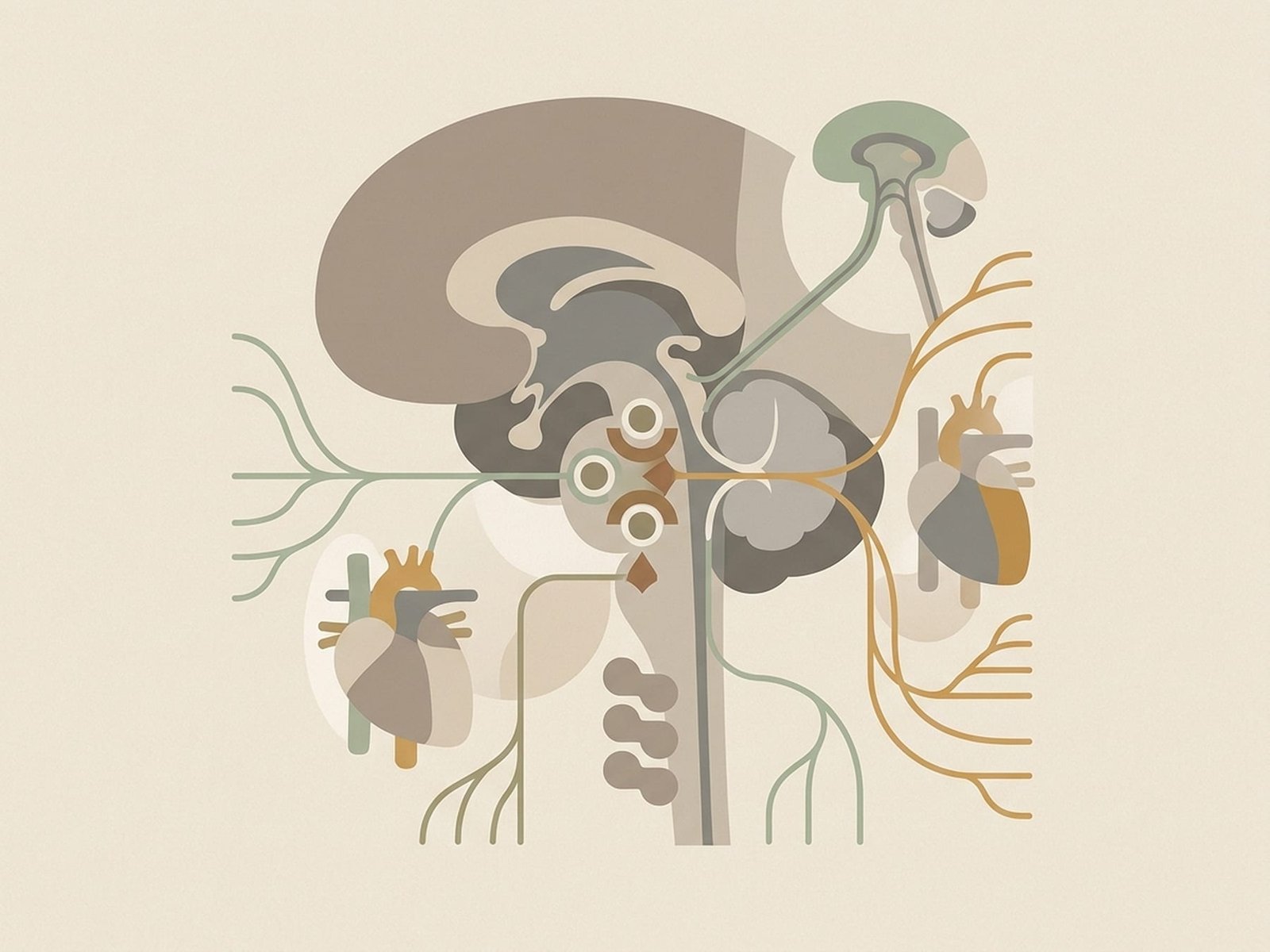
Alpha-2 Receptor Spinal Cord Mechanism Diagram
Clonidine (Catapres, Kapvay)
Broad alpha-2 agonistTizanidine (Zanaflex, Sirdalud)
Alpha-2 agonist with antispastic propertiesDexmedetomidine (Precedex)
Highly selective alpha-2 agonistTopical Clonidine (Compounded 0.1-0.2%)
Local compounded optionMechanism of Action & Pharmacology
All alpha-2 agonists reduce norepinephrine signaling through presynaptic alpha-2 receptor activation, but their clinical profiles differ. Tizanidine is commonly used for muscle tension and sleep-related symptoms. Clonidine has broader sympatholytic effects and more blood-pressure impact. Dexmedetomidine is highly selective and mainly used in monitored settings.
For myofascial pain, the most clinically relevant effects are usually sedation, reduced arousal, possible reduction in pain transmission, and decreased muscle overactivity in selected patients. These are plausible and clinically useful effects, but they do not make alpha-2 agonists uniquely curative or universally necessary in MPS.
Alpha-2 agonists may help when pain, arousal, sleep disruption, and muscle tension are clearly linked — but they are not routine answers for every myofascial pain presentation.
Short Half-Life
One reason tizanidine is often used at night
Blood Pressure Effects
Especially relevant with clonidine
Major Interaction Risk
Important when prescribing tizanidine
Patient Selection
Not every MPS patient needs an alpha-2 agonist. The best candidates are usually those whose symptoms suggest that poor sleep, autonomic arousal, stress reactivity, or overlapping indications make the class especially relevant.
Sympathetic Predominance Assessment
Identifying patients who may fit alpha-2 agonist use better
Some patients have pain patterns that appear more stress-responsive or autonomically amplified — for example pain clearly worsened by anxiety, visible guarding, cold or sweaty skin, or mixed pain-autonomic symptoms. These findings may support considering an alpha-2 agonist, but they are not a stand-alone diagnostic category.
Comorbidity Matching
Looking for overlapping problems these medications may also affect
Alpha-2 agonists may be more worth considering when other relevant issues coexist, such as insomnia, marked stress-related arousal, hypertension, or difficult medication transitions. The main question is whether the broader clinical picture makes this class more sensible than a simpler or lower-risk option.
Hemodynamic Screening
Pre-prescribing cardiovascular assessment
Baseline blood pressure and heart rate should be checked before starting any alpha-2 agonist. Caution is needed in patients with low resting blood pressure, bradycardia, orthostatic symptoms, or concurrent medications that can also lower blood pressure or heart rate.
Route Selection
Choosing oral, transdermal, topical, or procedural use
Route depends on the clinical goal. Oral tizanidine is often the most practical outpatient option. Oral or transdermal clonidine may be more relevant when a broader sympatholytic effect is desired. Topical clonidine is a niche option when local application is preferred. Dexmedetomidine is mainly reserved for monitored procedural settings.
Treatment Pathways
Alpha-2 agonists are best prescribed by matching the medication to the clinical pattern — for example nighttime symptoms, broader autonomic arousal, or procedural use — rather than treating them as a generic muscle-relaxant class.

Alpha-2 Agonist Prescribing Decision Tree
When Sympathetic Features Seem Clinically Relevant
In selected patients whose pain seems strongly amplified by stress, autonomic arousal, or overlapping sympathetic symptoms, alpha-2 agonists may be considered as part of a broader plan rather than as a stand-alone solution.
- Low-dose clonidine may be considered in carefully selected patients if blood pressure and tolerability allow
- Blood pressure and heart rate should be reviewed early after initiation or dose changes
- Topical clonidine may be considered in niche cases when local treatment is preferred and systemic effects are undesirable
- The broader diagnosis should be reassessed if the expected autonomic or sleep-related benefit does not materialize
- These medications usually work best alongside rehabilitation, sleep optimization, and stress-directed care rather than in isolation
Nocturnal MPS with Sleep Disruption
Tizanidine is often the most practical alpha-2 agonist when nighttime pain, muscle tension, or sleep disruption are important. It is commonly used at bedtime because of its shorter duration compared with clonidine.
- Tizanidine may be started cautiously at a low bedtime dose and titrated based on effect and tolerability
- Some patients may benefit from a more sedating nighttime strategy, but additive sedation with other agents must be considered carefully
- Combining multiple centrally sedating medications requires caution
- Patients should be warned about morning grogginess or orthostatic symptoms early on
- Response should be judged by both symptom relief and whether sleep/function actually improve
Procedural Adjunct Use
In monitored specialist settings, clonidine or dexmedetomidine may occasionally be used around painful procedures to reduce anxiety, improve tolerance, or support analgesia. This is a procedural niche rather than routine outpatient prescribing.
- Pre-procedure clonidine may occasionally be considered in selected patients when anxiety or sympathetic arousal is high
- Dexmedetomidine belongs in monitored specialist settings rather than routine office prescribing
- Vital sign monitoring is essential in procedural use
- Driving and post-procedure safety instructions matter when sedating effects are expected
- These agents should not be framed as reducing the number of future procedures in a predictable way
Tapering & Discontinuation
Alpha-2 agonists should not be stopped abruptly after regular use. Tapering is especially important with clonidine because rebound hypertension can be clinically significant.
- Clonidine should generally be tapered rather than stopped suddenly
- Tizanidine also deserves gradual reduction when used regularly
- Missed doses of clonidine are more concerning than with many other medications and should be taken seriously
- Blood pressure monitoring may be appropriate during tapering, depending on dose and patient risk
- Patients should be warned in advance not to let their supply lapse unexpectedly
Red Flags — When to See a Doctor
These medications can be useful, but their cardiovascular and withdrawal risks mean they require more caution than a casual sleep aid or simple pain adjunct.
Alpha-2 adrenergic agonists may be useful in selected myofascial pain patients, especially when sleep disruption, stress-related arousal, or autonomic features are clinically important.
Tizanidine is usually the most practical outpatient option in this class for musculoskeletal use, while clonidine is broader and more limited by blood pressure and sedation effects.
These medications are adjunctive tools, not universal first-line treatments for myofascial pain.
Abrupt discontinuation, especially of clonidine, is a major safety concern because rebound hypertension can be dangerous.
Topical clonidine is a niche compounded option with limited direct evidence in myofascial pain.
Dexmedetomidine is mainly relevant in monitored procedural settings rather than routine outpatient management.