Red Flags — Seek Care Urgently
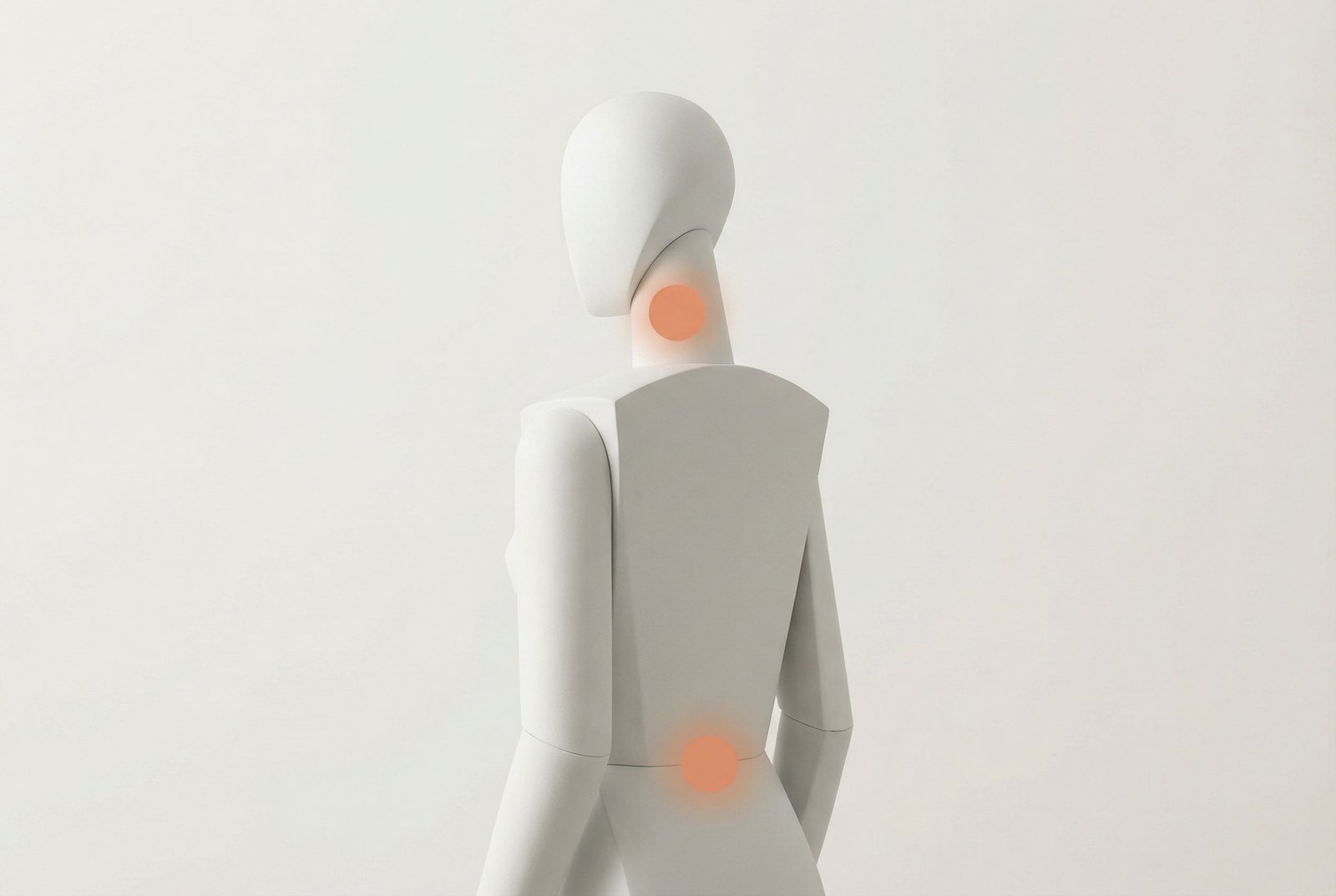
When To See Doctor
Overview IllustrationImportant: The symptoms below should lower your threshold for getting evaluated. When in doubt, it is safer to treat them seriously.
Sudden Severe Headache Unlike Anything Before
A sudden severe headache that reaches maximum intensity very quickly, especially if it feels completely different from prior headaches, needs urgent medical evaluation.
Why This Matters
This is not the same as a familiar gradual tension-type or migraine-like pattern. A headache that is sudden, severe, and unusual should be treated as urgent until a serious cause has been excluded.
Call emergency services or go to the nearest emergency department immediately.
Chest Pain with Shortness of Breath
Chest pain combined with shortness of breath, sweating, nausea, or radiation to the jaw or arm needs urgent medical evaluation. Even when musculoskeletal chest pain is common, it should not be assumed first.
Why This Matters
The risk of missing a cardiac or other urgent cause is too important to rely on self-assessment here.
Call emergency services immediately. Do not drive yourself if symptoms are severe.
Rapidly Progressive Numbness or Weakness
New weakness, spreading numbness, or rapidly worsening neurological symptoms may reflect a neurological condition that requires urgent assessment.
Why This Matters
Stable long-standing symptoms are different from new or clearly progressing symptoms. If the change is rapid or expanding, seek urgent evaluation.
Go to the emergency department, especially if the symptoms are worsening over hours or a few days.
Unexplained Weight Loss with Pain
Unintentional weight loss together with persistent pain can suggest a broader medical problem that deserves evaluation.
Why This Matters
Musculoskeletal pain itself does not usually explain ongoing unexplained weight loss.
Schedule an urgent appointment with your primary care doctor or appropriate clinician within the next few days.
Pain That Wakes You Repeatedly Every Night
Pain that repeatedly wakes you from sleep, especially if it is deep, worsening, and not clearly linked to position or activity, deserves medical review.
Why This Matters
This is different from pain that improves by changing position or adjusting how you sleep. Persistent night pain may need broader investigation.
See a doctor within days to one week, especially if the pattern is worsening or accompanied by other concerning symptoms.
Fever with Muscle or Body Pain
Fever together with significant muscle pain may point to infection, inflammatory illness, or another systemic cause.
Why This Matters
Myofascial pain does not explain fever. The combination should be medically assessed rather than monitored indefinitely at home.
Seek same-day evaluation through your doctor, urgent care, or the emergency department depending on severity.
Loss of Bowel or Bladder Control with Back or Leg Symptoms
New urinary retention, new incontinence, or loss of bowel control together with low back pain or leg symptoms may signal a spinal emergency.
Why This Matters
This can represent cauda equina syndrome or another urgent neurological problem. Do not wait to see if it improves.
Go to the emergency department immediately.
Pain After Significant Trauma
Pain after a major fall, collision, motor vehicle accident, or similar trauma needs appropriate medical evaluation before it is assumed to be only muscular.
Why This Matters
Pain that worsens after trauma, or trauma associated with head injury or loss of consciousness, should be assessed urgently.
Go to the emergency department or urgent care for trauma evaluation.
Yellow Flags — Schedule a Visit
These are not usually emergencies, but they suggest that self-care alone may not be enough and that a professional visit could be helpful in the near future.
When you are genuinely unsure whether a symptom is concerning, it is usually safer to seek evaluation than to wait too long.
Pain Lasting More Than 6 Weeks Without Improvement
Most uncomplicated musculoskeletal pain shows at least some change over several weeks. If your pain has not improved at all, a clinical evaluation can help clarify why.
Schedule an appointment with a clinician experienced in musculoskeletal assessment.
Pain That Is Gradually Getting Worse
Pain that is progressively worsening over time deserves assessment, even if it does not feel dramatic or urgent.
Arrange medical review within the next 1 to 2 weeks, sooner if the change is accelerating.
Pain Limiting Daily Activities
If pain is clearly interfering with work, walking, exercise, sleep, or other daily activities, it is reasonable to seek help rather than continue waiting.
See a healthcare provider and be specific about which activities are now difficult or impossible.
Self-Care Not Helping After 2 to 3 Weeks
If a consistent trial of heat, gentle movement, stretching, rest, or activity modification is not helping, a hands-on evaluation may be the next appropriate step.
Consider seeing a physiotherapist or another clinician experienced in musculoskeletal pain.
Pain Spreading to New Areas
Pain that is extending into new body regions may reflect compensation, progression, or a broader problem that needs proper assessment.
See a clinician who can evaluate the whole movement and pain pattern, not only the original pain site.
Persistent Sleep Disruption from Pain
When pain repeatedly disrupts sleep, recovery often worsens and symptoms become harder to manage.
Discuss the sleep disruption directly during your appointment — it is an important clinical clue, not a side issue.
Mood Changes Related to Ongoing Pain
Chronic pain can affect mood, concentration, anxiety, and motivation. These changes matter and deserve to be discussed in care rather than ignored.
Tell your doctor how pain is affecting your mood and mental health, not just your body.
Need for Daily Pain Medication
Regular daily use of pain medication may be a sign that your current management plan is not enough or that the underlying problem needs clearer evaluation.
Schedule an appointment to review your pain pattern and the amount of medication you are needing.
Context:
Important: Even if your symptoms seem familiar or resemble patterns you have read about, trust the fact that new, worsening, or unusual symptoms deserve proper clinical attention. A guide cannot replace examination.
Try our self-assessment toolThe right specialty depends on your specific symptoms, how long pain has lasted, and what you've already tried. Below is a comparison of the specialties most relevant for MPS, with notes on flow of care, cost, and time horizon.
Preparing for Your Appointment

When To See Doctor
What to Prepare for Your AppointmentA prepared appointment is usually a more useful appointment. A short, organized summary of your symptoms often helps the clinician faster than trying to remember everything in the room.
Pain Description
- Where is the pain? A body diagram can help
- When did it start — suddenly or gradually?
- What makes it worse? What helps?
- Does it travel, spread, or radiate?
- Has it changed over time?
What You Have Tried
- Self-care approaches such as stretching, heat, rest, or movement changes
- Over-the-counter medications and how much they helped
- Any prior professional treatment and whether it helped
- Ergonomic, sleep, or activity changes you have already made
Medications
- Prescription medications
- Over-the-counter medications used regularly
- Supplements
- Medication allergies or important prior reactions
Questions to Ask
- What do you think could be causing this pain?
- What needs to be ruled out?
- Do I need testing or imaging?
- Would physical therapy or specialist referral make sense?
- What is a realistic next step from here?
Tip: Prepare Before Your Visit
Bring a short written summary if possible. It helps you stay focused and helps the clinician understand the pattern more quickly.
General Decision Guide
Seek Emergency Care
Sudden severe headache, chest pain with breathing difficulty, rapidly progressive weakness or numbness, loss of bowel or bladder control, or pain after major trauma.
See a Doctor This Week
Fever with pain, unexplained weight loss with pain, persistent night pain, or pain after moderate trauma.
Schedule Within 1–2 Weeks
Pain lasting more than several weeks without improvement, pain getting worse, significant activity limits, self-care not helping, pain spreading, or chronic pain affecting mood or sleep.
Self-Care May Be Reasonable
Pain that is mild, clearly linked to activity, gradually improving, and not accompanied by warning signs may still be appropriate for self-care. If that changes, seek evaluation.
Related Resources
Talking to Your Doctor
Suggestions for clear, productive conversations with healthcare providers about pain.
Self-Assessment Guide
A guided symptom-organizing tool you can review before your appointment.
Building Your Care Team
A practical guide to the kinds of professionals who may be involved in pain care.
Treatment Framework
One practical way to think about how treatment may be organized over time.