The Inflammation-Pain Connection
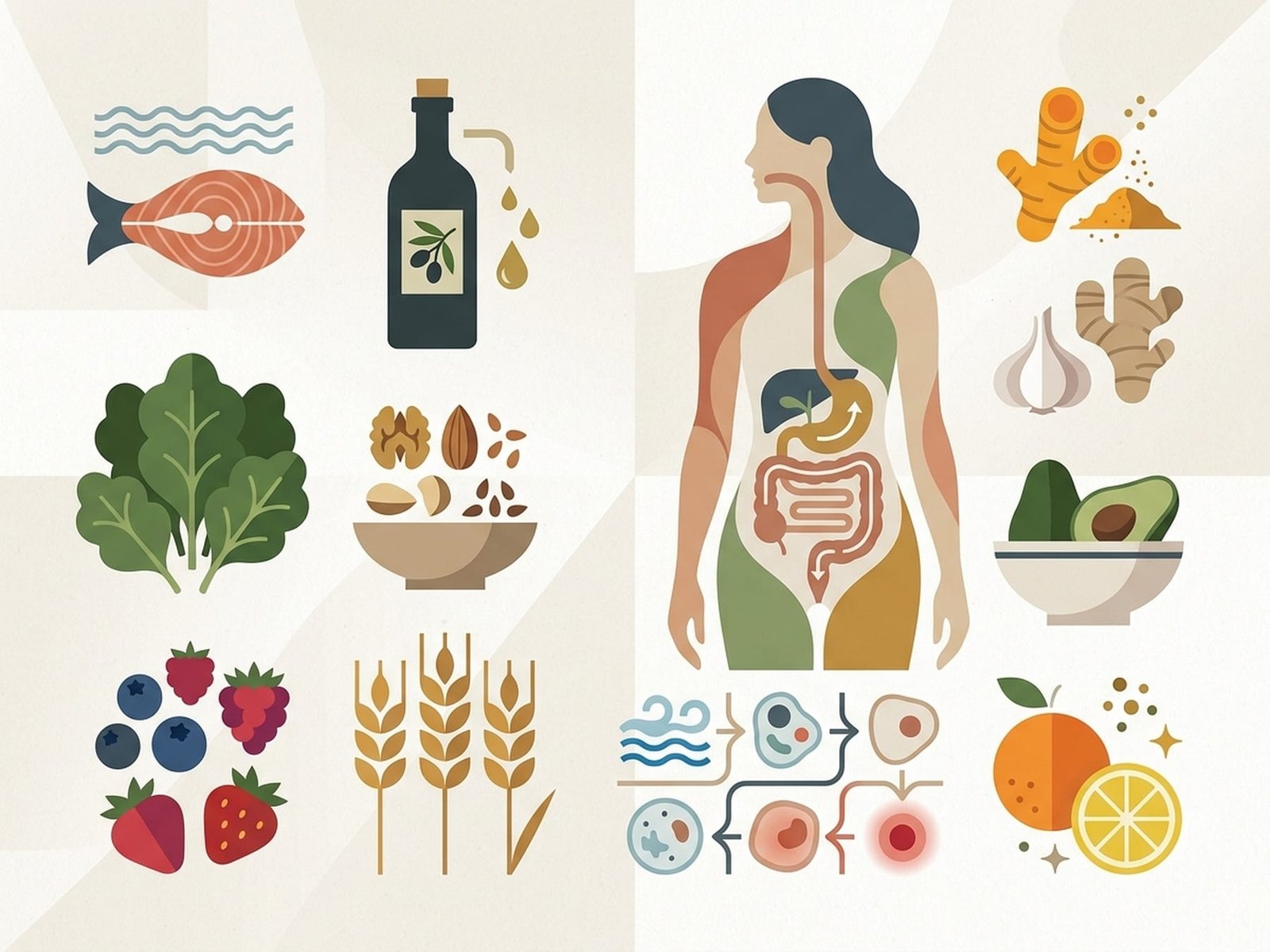
Food choices shape the biological environment in which pain either settles more easily or stays amplified.
Nutrition does not replace good diagnosis or treatment, but it can meaningfully influence the background factors that affect recovery, pain sensitivity, and inflammation.
Pro-Inflammatory Dietary Pattern
A diet high in ultra-processed food, added sugars, poor-quality fats, and low fiber is often associated with worse metabolic health and a higher inflammatory burden. That does not mean every pain flare is caused by one food. It means the overall pattern matters.
Anti-Inflammatory Dietary Pattern
A higher-quality eating pattern — rich in vegetables, fruit, legumes, fish, olive oil, nuts, seeds, and minimally processed foods — tends to support a healthier inflammatory balance, better recovery, and better long-term health.
The Gut-Pain Connection
Fiber, food diversity, and lower processed-food intake can support a healthier gut environment, which may indirectly support pain regulation and inflammatory balance.
Inflammation-Pain Connection Pathway Diagram
Better Fat Quality
More olive oil, fish, nuts, and seeds; fewer highly processed fats
More Plants & Fiber
Vegetables, fruit, legumes, and whole grains support better diet quality and gut health
Lower Processed Food Load
Reducing ultra-processed foods often improves the overall inflammatory profile
Supportive Micronutrients
Magnesium, vitamin D, omega-3s, and adequate protein may matter when intake is low
Foods to Reduce
The most practical targets are the foods that most strongly degrade overall diet quality: sugary drinks, ultra-processed foods, refined snack foods, and frequent fried foods.
Anti Inflammatory Foods Guide
Foods to Emphasize
The most useful anti-inflammatory foods are usually the foods that improve the whole diet: fish, olive oil, berries, leafy greens, legumes, nuts, seeds, and herb-rich meals.
Fatty Fish
Key Compounds
EPA and DHA omega-3 fats
Fatty fish are often highlighted because they provide marine omega-3 fats that support a healthier inflammatory balance and may be useful in broader chronic pain and cardiovascular patterns.
Top Sources
Regular inclusion through food choices where appropriate
Berries
Key Compounds
Polyphenols, anthocyanins, vitamin C
Berries are useful because they provide fiber and polyphenols with relatively low sugar load compared with many sweet foods. They are an easy way to increase plant diversity in the diet.
Top Sources
Frequent inclusion as part of a whole-food eating pattern
Leafy Greens
Key Compounds
Folate, magnesium, vitamin K, nitrates, polyphenols
Leafy greens help because they increase micronutrient density and fiber while displacing lower-quality foods. They are especially useful in patients whose diets are low in vegetables overall.
Top Sources
Regular daily intake when tolerated and accessible
Turmeric & Curcumin-Containing Foods
Key Compounds
Curcuminoids
Turmeric is often discussed for anti-inflammatory support. It is reasonable to use as a food ingredient, but concentrated supplement claims should be kept more cautious and product-dependent.
Top Sources
Food-based use is a practical starting point
Ginger
Key Compounds
Gingerols and related compounds
Ginger is commonly used in anti-inflammatory eating patterns and may support symptom management in some people, especially when used consistently as part of whole-diet change.
Top Sources
Use regularly in meals or tea if well tolerated
Nuts & Seeds
Key Compounds
Healthy fats, magnesium, vitamin E, fiber
Nuts and seeds add fiber, micronutrients, and healthier fats to the diet. They are often more useful as a replacement for ultra-processed snacks than as “superfoods” in isolation.
Top Sources
Use as a regular snack or meal addition when tolerated
Extra Virgin Olive Oil
Key Compounds
Oleic acid and polyphenols
Extra virgin olive oil is a cornerstone of Mediterranean-style eating patterns and is often one of the simplest high-impact dietary upgrades when replacing heavily refined fats.
Top Sources
Use regularly as the main added fat when practical
Dark Chocolate & Cacao
Key Compounds
Flavanols, polyphenols, magnesium
Dark chocolate and cacao can fit into an anti-inflammatory pattern in modest portions, especially when they replace sweeter processed desserts rather than adding extra sugar load.
Top Sources
Use in modest portions if it fits the overall diet
The Mediterranean Diet
A Mediterranean-style pattern has one of the strongest evidence bases for improving overall cardiometabolic and inflammatory health. It is a practical model for anti-inflammatory eating because it is food-based, realistic, and adaptable.
Key Principles
Olive oil as a main added fat
More vegetables, fruit, legumes, nuts, and seeds
More fish and less ultra-processed food
More whole grains and fewer refined starches
Less red meat and fewer sugary drinks
More simple home-prepared meals
Mediterranean Pattern vs. Standard Western Pattern
| Category | Mediterranean | Western / Standard American |
|---|---|---|
| Primary Fat Source | Olive oil, nuts, fish | More refined oils and processed fats |
| Omega-3 Intake | Usually higher | Often lower |
| Fiber Intake | Usually higher | Often lower |
| Fruit & Vegetable Intake | Usually much higher | Often modest |
| Processed Food Proportion | Usually lower | Often higher |
| Red Meat Frequency | Usually lower | Often higher |
| Inflammatory Burden | Often lower overall | Often higher overall |
| Gut Microbiome Support | Typically more favorable | Often less fiber-supportive |
Clinical perspective
The strength of the Mediterranean model is not one miracle ingredient — it is the combination of whole-food quality, healthier fats, fiber, and lower ultra-processed food exposure.
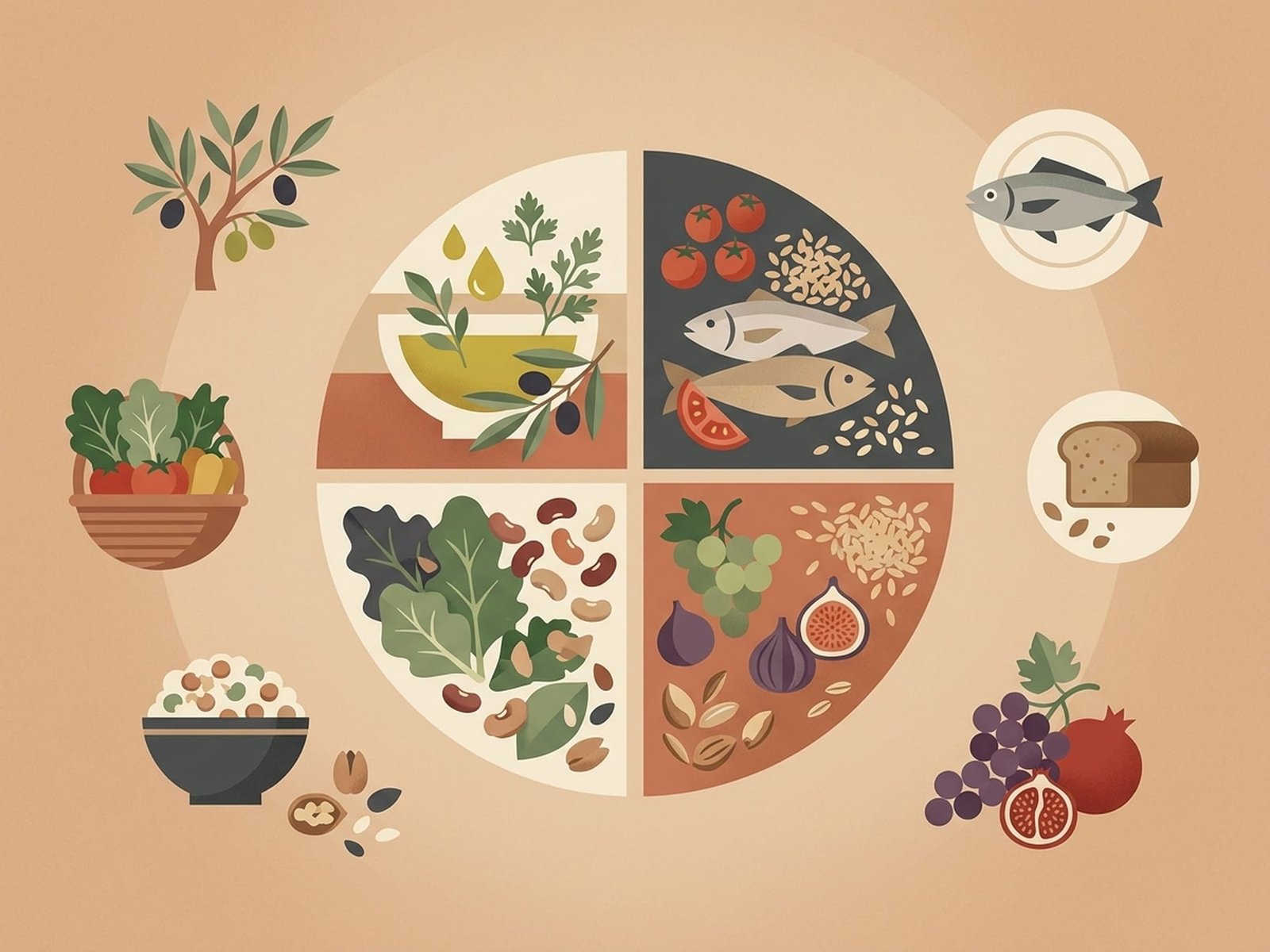
Mediterranean Diet Meal Plan Overview
Nutrients for Muscle & Myofascial Health
Certain nutrients matter more when deficiency, low intake, or dietary imbalance is likely. The goal is not supplementing everything by default, but identifying what is actually relevant.
Hydration & Fascia
Hydration matters for general tissue function, energy, exercise tolerance, and comfort. In pain care, dehydration is one more factor that can worsen stiffness, fatigue, and recovery.
Connective Tissue & Hydration
Connective tissues function best when overall hydration and movement are adequate. Hydration is not a miracle treatment, but poor hydration can worsen how stiff and fatigued tissues feel.
Dehydration & Pain
Even mild dehydration can worsen fatigue, exercise tolerance, and discomfort. For some patients it is a small but very fixable contributor to the bigger pain picture.
Hydration Principles
Drink regularly across the day rather than in large bursts
Increase fluids during exercise, heat, or illness
Use electrolytes when sweating heavily or when fluid intake is poor
Watch urine color and general thirst as simple practical markers
Remember that sleep, diet quality, and alcohol all influence hydration too

Hydration Fascia Health Clinical Evidence Summary
Interactive Meal Planning Guide
These sample patterns are not strict prescriptions. They are examples of how to build meals around higher-quality food choices for different pain contexts.
General Chronic Pain
A broadly anti-inflammatory pattern emphasizing fish, vegetables, legumes, whole grains, and healthy fats.
Priority Nutrients
Omega-3 fats, polyphenols, magnesium, fiber, vitamin-rich whole foods
Day 1
Breakfast
Oats with walnuts, berries, and seeds
Lunch
Large salad with fish, olive oil, legumes, and vegetables
Dinner
Baked fish with vegetables and a whole grain
Snacks
Fruit, nuts, dark chocolate in modest portions
Day 2
Breakfast
Green smoothie with seeds and fruit
Lunch
Whole-grain wrap or bowl with hummus, vegetables, and protein
Dinner
Lean protein with vegetables and a fiber-rich starch
Snacks
Nuts, tea, yogurt, fruit
Day 3
Breakfast
Eggs with vegetables and whole-grain toast
Lunch
Legume-based bowl or salad with olive oil dressing
Dinner
Chicken or fish with greens and roasted vegetables
Snacks
Seeds, berries, herbal tea
Supplements: Evidence Review
Supplements can help in selected situations, especially when deficiency or low intake is likely, but they should not be the first or only nutrition strategy.
Curcumin / Turmeric Extract
ModerateActive: Curcuminoids
Curcumin is commonly discussed in anti-inflammatory pain care. Evidence is supportive in some pain conditions, but formulations vary widely and product quality matters.
Use
Use only according to product labeling or clinician guidance
Cautions
May interact with blood thinners and other medications. Supplement form is not the same as using turmeric in food.
Fish Oil / Omega-3
StrongActive: EPA and DHA
Fish oil is one of the more established supplement discussions in inflammatory health, though food-first strategies are often easier to anchor.
Use
Use only according to product labeling or clinician guidance
Cautions
Quality, purity, and medication interactions matter. Fish oil is not a shortcut around poor dietary pattern.
Magnesium
StrongActive: Different magnesium salts
Magnesium is especially relevant when intake is low, sleep is poor, or muscle tension is prominent. Tolerability varies by form.
Use
Use only according to product labeling or clinician guidance
Cautions
GI side effects are common. Kidney function and medication review matter.
Vitamin D3
StrongActive: Cholecalciferol
Vitamin D is most useful to supplement when deficiency or insufficiency is likely or confirmed. It is not a universal pain solution.
Use
Use according to lab findings or clinician guidance
Cautions
Lab context matters. More is not automatically better.
Boswellia
ModerateActive: Boswellic acids
Boswellia is frequently discussed in anti-inflammatory supplement protocols, with some supportive evidence in joint-related pain contexts.
Use
Use only according to product labeling or clinician guidance
Cautions
Quality and standardization vary. Medication review still matters.
Collagen Peptides
EmergingActive: Hydrolyzed collagen
Collagen is often discussed for connective tissue support, though the evidence is still evolving and should not be overstated.
Use
Use only according to product labeling or clinician guidance
Cautions
Product quality varies and it should not replace adequate protein intake overall.

Nutrition Supplements Evidence Review
Practical Implementation
The most effective nutrition change is usually gradual and realistic. The goal is not perfection — it is building a sustainable pattern that supports recovery.
Simple Grocery List Essentials
Proteins
- Fish
- Eggs
- Lean meats or poultry
- Beans and lentils
- Yogurt or other simple protein options
Produce
- Leafy greens
- Berries
- Bell peppers
- Root vegetables
- Seasonal fruit and vegetables
Fats & Oils
- Extra virgin olive oil
- Nuts
- Seeds
- Avocado
- Nut butters
Pantry Staples
- Oats
- Beans
- Whole grains
- Herbs and spices
- Tea
Four Week Nutrition Plan Self Treatment Protocol
Key Takeaways
Inflammatory load is modifiable
Diet will not explain every pain problem, but it can influence the biological background in which pain persists or improves.
Whole-diet pattern matters more than one “superfood”
The biggest gains usually come from the overall pattern: more whole foods, more fiber, better fats, and fewer ultra-processed foods.
Mediterranean-style eating is the most practical benchmark
A Mediterranean-style pattern is one of the clearest evidence-informed dietary models for better long-term inflammatory and cardiometabolic health.
Supplements are supportive, not primary
Supplements can be useful in selected cases, especially when deficiency or low intake is likely, but they work best on top of a solid food pattern.
Hydration and sleep still matter
Nutrition is only one part of the recovery environment. Hydration, sleep, stress, and movement all affect pain and tissue tolerance.
Sustainable change beats short-term intensity
The best anti-inflammatory diet is the one you can actually maintain with enough consistency to matter.
Continue Learning
Sleep Optimization
How sleep quality influences pain sensitivity, recovery, and resilience.
Exercise Guide
Movement strategies that complement anti-inflammatory lifestyle change.
Fascia System
How connective tissue health, hydration, and movement interact with pain.
Stress-Pain Connection
How stress, sleep, and autonomic load can amplify chronic pain.