Understanding Ketamine for Myofascial Pain
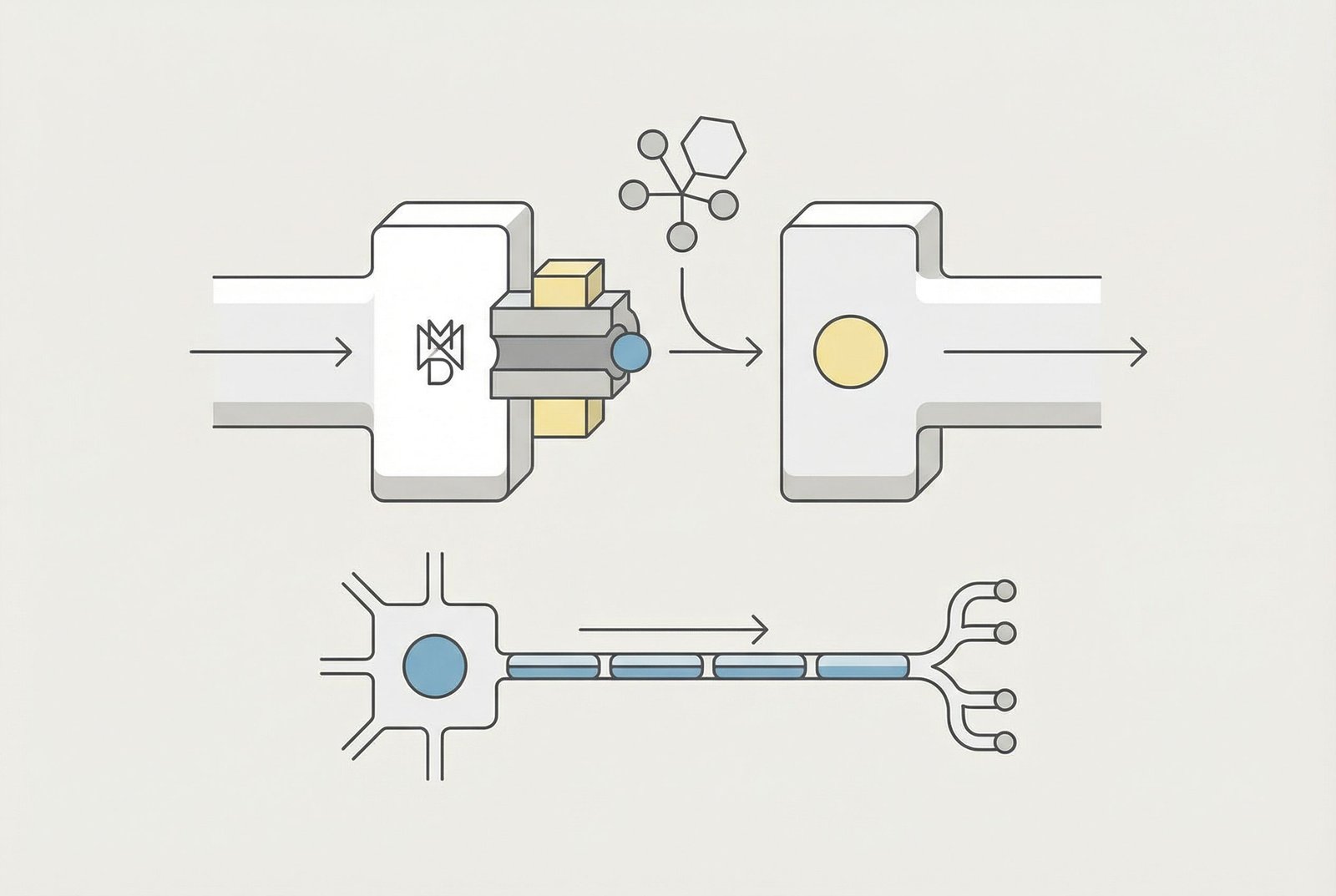
Ketamine
Mechanisms of Action & NMDA Receptor OverviewKetamine is a dissociative anesthetic that is sometimes used in specialist chronic pain practice at sub-anesthetic doses. It is discussed in refractory pain because of its effects on NMDA-mediated pain amplification and broader pain processing.
What makes ketamine different from simpler analgesics is that it is considered not just for short-term pain suppression, but for selected pain states in which central amplification, widespread sensitivity, or neuropathic features appear to be prominent. Even then, response is variable and should not be portrayed as a reliable “reset” for all patients.
Ketamine exists in different clinical forms and treatment pathways, but those routes are specialist decisions, not self-management options. The practical issue for patients is not route mechanics — it is whether a specialist team believes ketamine is appropriate at all.
In the treatment hierarchy for myofascial pain, ketamine belongs late. It is generally considered only when conservative therapy, rehabilitation, and more standard interventional options have not provided enough relief, especially when the pain phenotype is broader than routine localized trigger point pain.
Mechanisms of Action
Ketamine’s relevance in chronic pain comes from a combination of receptor-level effects, broader pain-modulating effects, and its use in specialist settings where centralized pain mechanisms are under consideration.
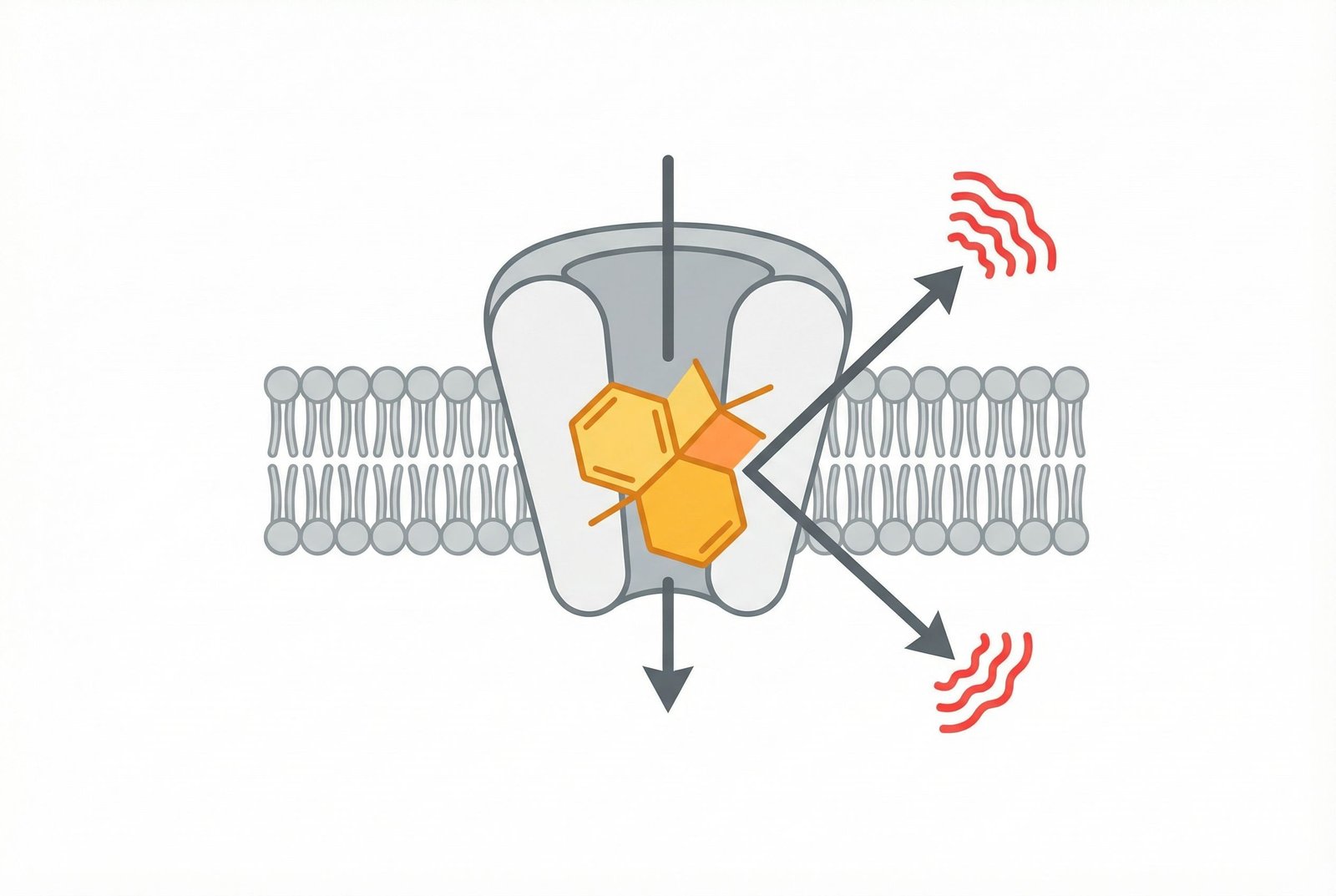
NMDA Receptor
Central Sensitization Pathway DiagramNMDA Receptor Blockade
A major proposed analgesic mechanism
Ketamine is often discussed in chronic pain because of its effects on NMDA glutamate receptors, which are involved in pain amplification and wind-up. This is one reason it is considered in selected refractory pain states with centralized features.
Central Pain Modulation
Broader nervous-system effect
Unlike local treatments that target one painful area, ketamine is used because it may influence broader pain processing. In selected patients with centralized or widespread pain features, this can be one reason it is considered by specialist pain teams.
Opioid-Sparing Potential
Part of multimodal pain care
Some pain specialists consider ketamine when long-term opioid use, opioid-induced hyperalgesia, or poor response to conventional analgesics complicates chronic pain care. It is not automatically appropriate in these settings, but it may be part of a broader opioid-sparing strategy in selected patients.
Neuroimmune and Anti-Inflammatory Effects
Secondary proposed mechanisms
Ketamine is also discussed in relation to neuroimmune and anti-inflammatory pathways. These effects may contribute to analgesia in some chronic pain states, although they are usually presented as supportive mechanisms rather than the main reason for treatment.
Mood and Pain Overlap
A relevant factor in some patients
Because mood and pain can interact strongly in chronic illness, ketamine sometimes attracts attention in patients whose refractory pain coexists with major depressive symptoms. This does not mean it is a routine co-treatment, but it is one reason interdisciplinary review is important.
Evidence & Clinical Context
The evidence base for ketamine in chronic pain is strongest in some neuropathic pain conditions and selected refractory centralized pain presentations. For myofascial pain specifically, the rationale is usually indirect: ketamine may be considered when MPS is widespread, highly treatment-resistant, and entangled with central sensitization features rather than when the problem is simply a few local trigger points.
The most clinically responsible framing is that ketamine may help a subset of carefully selected patients, but it is not a universal answer and should not be presented as predictably transformative. Functional improvement, not just transient pain reduction, is the outcome that matters most.
Ketamine belongs to specialist pain care because the main question is not “Does it reduce pain?” but “Is this the kind of pain state where ketamine is justified at all?”
Selective Candidate
Not routine MPS care
Central Features
Often more relevant than local trigger points alone
Function Matters
Use outcomes beyond pain scores
Patient Selection Criteria
Patient selection is central to whether ketamine is appropriate. These criteria help frame specialist review, not self-triage.
Refractory MPS Criteria
Establishing Treatment-Refractory Status
Ketamine should not be framed as first-line care. It is usually considered only after appropriate conservative, rehabilitative, and simpler interventional options have not helped enough, and after the diagnosis and pain phenotype have been reviewed carefully by a specialist team.
Central Sensitization Assessment
Central Sensitization Inventory (CSI) & Clinical Features
Broader pain amplification features — such as allodynia, widespread hyperalgesia, poor sleep, symptom spread, and pain out of proportion to local tissue findings — may make specialist consideration of ketamine more plausible. These features help with patient selection, but they do not guarantee response.
Psychological Screening
Contraindication & Risk Stratification
Psychiatric history, trauma history, dissociation risk, substance-use history, and current stability all matter before ketamine is considered. Screening is important because the treatment can have significant perceptual and psychological effects in addition to analgesic effects.
Route Suitability Assessment
Delivery Method Selection
Route selection is determined by the treating team and depends on the indication, monitoring requirements, local regulations, and the patient’s medical and psychiatric risk profile. This is not something patients should self-direct.
Treatment Protocols
Ketamine can be delivered through different specialist pathways, but route and protocol belong to the treating team. The main patient-facing issue is why it is being considered and how it fits into the larger plan of care.

Ketamine Protocols
Route Comparison & Monitoring OverviewSpecialist-Administered Ketamine Infusion
In some pain centers, ketamine is administered as a monitored infusion for carefully selected patients with refractory chronic pain. This is a specialist procedure and not routine care for typical localized trigger point pain.
- Used only in a monitored medical setting
- Requires specialist oversight and emergency readiness
- Selection is based on diagnosis, pain phenotype, psychiatric risk, and medical comorbidity
- Response varies substantially from patient to patient
- Used as part of a broader treatment strategy rather than as a stand-alone cure
Clinic-Based Esketamine or Other Specialist Programs
Some patients encounter ketamine-related care through regulated clinic pathways, especially when mood and pain overlap. The specific treatment model depends on diagnosis, country, regulation, and specialty setting.
- Requires clinician-led selection and supervision
- Typically delivered only through structured clinical programs
- Not interchangeable with general pain self-management approaches
- May be discussed when depression and pain are strongly intertwined
- Appropriateness depends on the full psychiatric and pain assessment
Maintenance or Follow-On Care
When ketamine is used, the more important question is often what happens after the treatment window. Any improvement should be used to support function, rehabilitation, sleep stabilization, and broader pain recovery work.
- Use any pain-relief window to re-engage with rehabilitation and graded activity
- Track pain, function, sleep, and daily capacity rather than pain intensity alone
- Avoid framing ketamine as the sole long-term strategy
- Reassessment should focus on whether function improved, not just whether symptoms dipped briefly
- Long-term plans should stay multidisciplinary
Integration & Maintenance
Ketamine makes the most sense when integrated into a broader rehabilitation plan. Its value, if any, is often in creating a window in which movement, sleep, and function become easier to work on.
- Pair any improvement with physical therapy and function-focused care
- Document both pain and functional outcomes
- Use repeat treatment only when benefit is clear and specialist reassessment supports it
- Avoid using ketamine as an isolated long-term solution
- Keep psychological support and medical follow-up integrated into the plan
Contraindications & Safety
Ketamine may carry substantial psychiatric, cardiovascular, and substance-use risks in the wrong setting. Contraindication screening is not optional and should be handled by a qualified medical team.
Ketamine is not a first-line treatment for ordinary focal myofascial trigger points.
Its strongest rationale is in carefully selected refractory pain states with centralized, widespread, or neuropathic features.
Specialist screening is essential because psychiatric, cardiovascular, hepatic, and substance-use risks can change whether ketamine is appropriate.
Any benefit should be used to support rehabilitation, sleep, function, and multidisciplinary care rather than treated as a stand-alone fix.
The right question is not whether ketamine is “powerful,” but whether it is appropriate for this pain phenotype, this patient, and this clinical setting.