What Is a Flare-Up?
Flare Up Survival
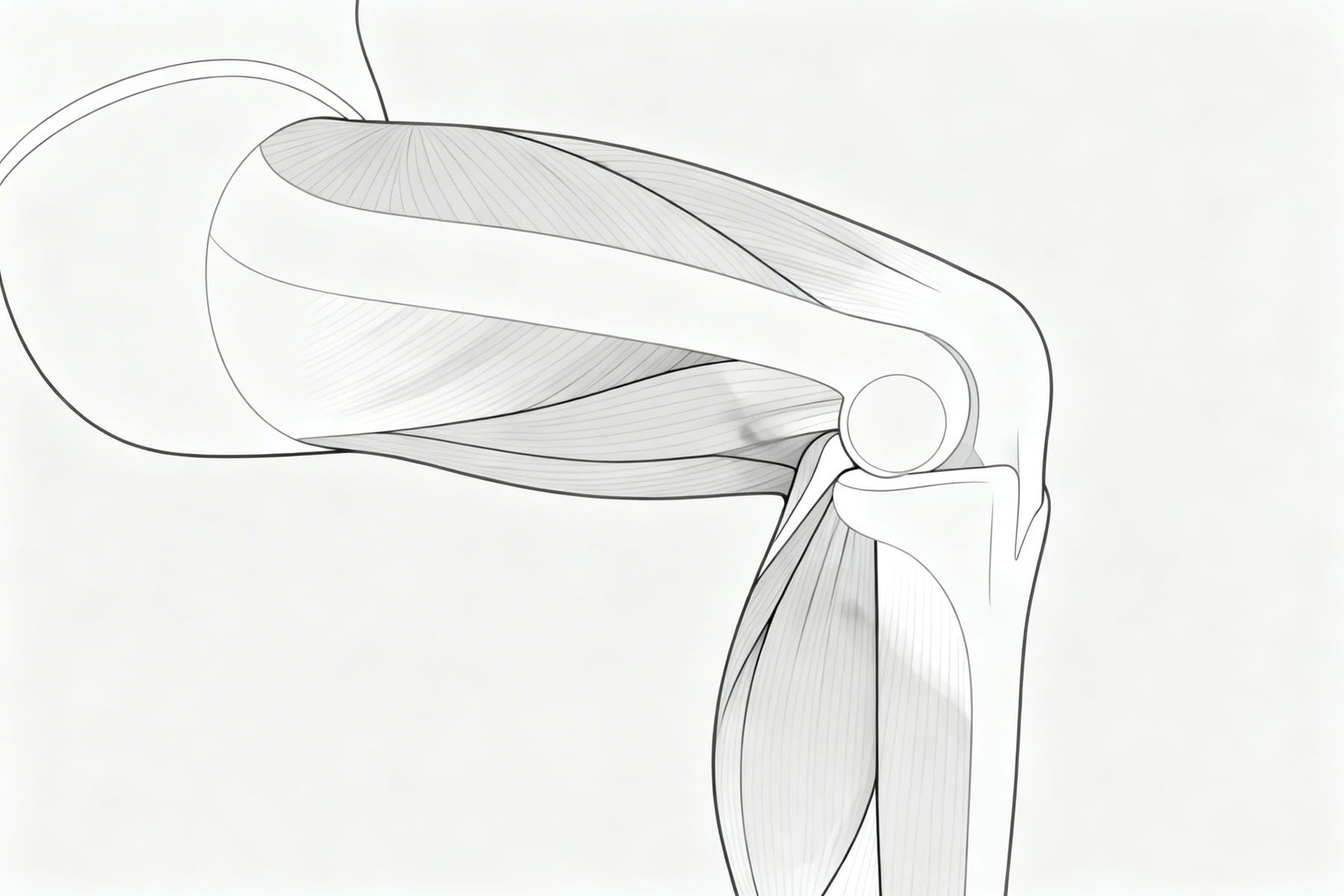
Overview IllustrationA flare-up is a temporary increase in pain and irritability beyond your usual baseline. It can feel alarming — like all your progress vanished overnight. But usually it has not. A flare is more often a signal that the system has been overloaded, stressed, sensitized, or irritated than proof of new damage.
Common triggers include overuse, emotional stress, weather changes, poor sleep, new activities, prolonged static postures, illness, or dehydration. Sometimes several smaller triggers stack up over a few days until the system tips into a flare. Other times, one clear event sets it off.
The most important thing to understand is this: flare-ups are common in the management of persistent myofascial pain. They are upsetting, but they are not necessarily signs of deterioration. Having a clear plan for what to do next turns a flare from a crisis into something manageable.
First Hours — Immediate Relief
These are six useful steps to take when a flare starts. Follow them in order and adjust based on what your body responds to. The goal is to interrupt the pain-tension loop, reduce irritability, and set yourself up for recovery over the next day or two.
A flare-up is not proof that you are failing — it is a signal that something needs attention.
STOP the Aggravating Activity
Whatever you were doing when the pain spiked — stop doing it for now. Do not keep pushing through a clear flare. Continuing the provoking activity often increases irritability and may extend the flare. This is not weakness — it is early damage control. The sooner you reduce the provoking input, the easier the next phase usually is.
Practical tip:If it was a work task, pause and reset. If it was exercise, stop the session. If it was a posture, change it immediately.Use Heat if It Helps
For many trigger point–dominant flares, warmth is more comfortable than ice. A hot pack, warm towel, or warm shower may help reduce muscle guarding, improve comfort, and make gentle movement easier. This is often preferred when the flare feels like tight, cramped, or aching muscle pain. Ice may still make sense when there is a clear acute injury, obvious swelling, or when heat simply feels wrong for you.
Practical tip:Try 15-20 minutes of comfortable warmth. Moist heat often feels better than dry heat. Avoid temperatures that could burn the skin.Gentle Movement
Do not lie down and stay still for hours. Complete immobility often makes muscles stiffen and feel more threatened. Instead, walk slowly around your home or office and move the affected area gently through its comfortable range of motion — not into pain, but through whatever range feels manageable. The goal is circulation and reassurance, not exertion.
Practical tip:A 5-10 minute slow walk is a good starting point. Gently rotate your neck, shrug your shoulders, or move the affected limb through easy, pain-limited arcs.Simple Pain Relief If Needed
If the pain is moderate to severe, over-the-counter pain relief may help you settle the spike enough to keep moving, sleep, or function. Follow the product label or your clinician’s instructions. This is not a long-term solution — it is a short-term bridge. If you have kidney disease, ulcers, liver disease, bleeding risk, or take other medications regularly, be more cautious and check with a clinician when possible.
Practical tip:Use the lowest effective dose, take medications as directed, and avoid combining products in unsafe ways.Slow Diaphragmatic Breathing
Pain often increases tension and alarm. When your nervous system interprets the flare as a threat, muscles guard harder — the opposite of what you want. A few minutes of slow diaphragmatic breathing can reduce overall arousal, soften guarding, and interrupt the pain-tension loop. This does not erase the pain, but it often makes the flare easier to manage.
Practical tip:Breathe in through your nose for 4 seconds, pause briefly, then breathe out slowly for 6 seconds. Let the belly rise more than the chest.Gentle Self-Pressure if Usually Helpful
If self-massage or trigger point pressure usually helps you, apply gentle, sustained pressure to the painful spot using your fingers, a tennis ball, lacrosse ball, or a tool like a Theracane. Keep the pressure moderate and tolerable rather than aggressive. In an acute flare, the goal is to calm the tissue, not overpower it.
Practical tip:Hold moderate pressure for about 20-60 seconds, then release. If the area becomes more reactive, back off rather than pushing harder.Hours 2-24 — Active Recovery
Once the initial spike has settled a little, shift into active recovery — a deliberate balance of rest, gentle movement, and symptom-calming strategies. What you do during the rest of the day often matters as much as what you do in the first hour.
Keep Moving Gently
Repeat Heat if It Continues to Help
Stay Well Hydrated
Avoid Aggravating Positions
Warm Bath if You Find It Helpful
Skip Training, Not Movement
Prepare for Sleep
Next Few Days — Gradual Return
Over the next couple of days, the goal is to transition from emergency mode to recovery mode. You do not need to be fully back to normal immediately — you just want the overall trend moving in the right direction.
Morning and Evening Stretching
Resume Light Activities at Reduced Intensity
Use Heat Before Activity if It Helps
Self-Massage 1-3 Times Per Day
Monitor Pain Trajectory
Pain Not Improving? See Below
Recovery and Prevention
As the flare settles, the next step is to understandwhat helped cause it and what you can change to reduce the chance of repetition. A flare can be frustrating, but it is also useful information.
Identify the Trigger
Address the Perpetuating Factor
Gradually Return Toward Normal Activity
Consider Professional Treatment if Flares Keep Repeating
Update Your Pain Journal
Common Flare-Up Triggers
Understanding your common triggers is one of the best ways to reduce future flares. After a few episodes, many people start noticing a pattern.
Overuse or Overexertion
Stress and Emotional Tension
Weather Changes
Poor Sleep
New Activity or Exercise
Prolonged Static Posture
Illness or Infection
Dehydration or Nutritional Factors
What NOT to Do During a Flare
These are common mistakes that often prolong recovery or make a flare feel bigger than it needed to be.
Flare Up Survival
What NOT to Do During a FlareWhen to Call for Help
Most flares can be managed at home. But certain signs suggest that what you are experiencing may need professional assessment rather than routine self-care alone.
Building Your Flare-Up Kit
Assemble these supplies before you need them. During a flare, easy access matters more than perfection.
Building Your Flare-Up Kit
- Hot Pack — A microwavable grain bag, warm compress, or electric heating pad can be useful if warmth helps your flares. Keep one where you can reach it easily.
- Tennis Ball or Lacrosse Ball — A tennis ball gives gentler pressure; a lacrosse ball gives firmer pressure. Keep one at home, and another at work or in a bag if flares catch you outside the house.
- Epsom Salts (Optional) — Useful if warm baths help you relax. The warmth is probably the main benefit, but many people like having Epsom salts as part of their routine.
- Simple Pain Relief You Already Use Safely — Keep the over-the-counter options you know you tolerate and use safely. Check expiration dates occasionally and avoid relying on products you have never used before during a flare.
- Theracane or Similar Tool — A self-massage tool can help you reach the back, shoulders, and neck without straining your hands. It is most useful when you already know how to use it gently.
- Supportive Pillow — A pillow setup that supports your usual comfortable sleep position can make a big difference during flares, especially for neck, shoulder, and low-back pain.
- This Page Bookmarked on Your Phone — During a flare, people forget steps. Keeping your plan easy to access helps you respond quickly and calmly instead of improvising while stressed.
Quick Reference Timeline
Quick Reference Timeline
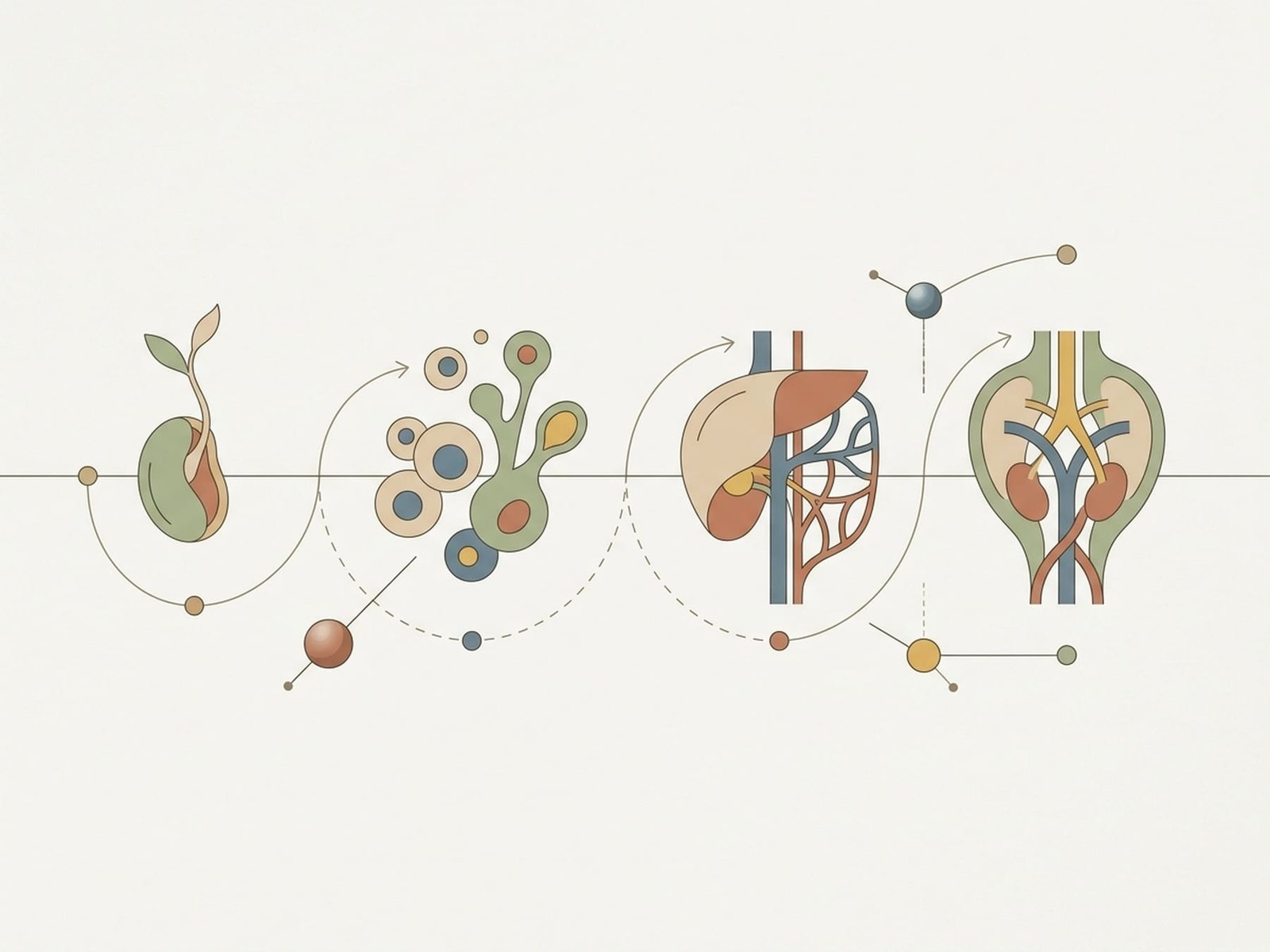
Stage Progression Diagram0–2 hrs
Pause the provoking activity. Use heat if helpful. Move gently. Calm the system.
Interrupt the pain-tension loop early.2–24 hrs
Keep moving lightly. Reuse what helps. Hydrate. Avoid long static positions.
Active recovery works better than shutdown.Day 2–3
Reintroduce activity gradually. Stretch gently. Track whether the trend is improving.
Use the next day’s response to guide progression.Day 4–7
Identify the trigger. Adjust the plan. Return gradually toward normal.
Use the flare as information, not just interruption.Related Guides
Self-Care Techniques
Comprehensive self-treatment methods
When to See a Doctor
Know when professional help is needed
Exercise Guide
Safe exercise with trigger points
Home Treatment Protocol
Muscle-by-muscle self-treatment
Sleep Optimization
Improve a major recovery factor
Stress-Pain Connection
How stress can fuel trigger points
What Recovery Usually Looks Like
Flare-ups feel intense in the moment, but they are usually temporary. You have a plan now: reduce the trigger, calm the system, keep moving gently, and watch the overall trend. If this flare does not settle as expected, ask for professional help.