Exercise Library
Wall sit isometric
What it does
The wall sit provides a heavy isometric load to the quadriceps and patellar tendon without the compressive shear forces of isotonic movement. This sustained contraction helps induce central pain modulation and normalizes motor unit recruitment. It can be a useful tool to help manage tendon-related pain while maintaining local load capacity.
How to do it
- Stand with your back flat against a wall and your feet shoulder-width apart, positioned about two feet away from the wall.
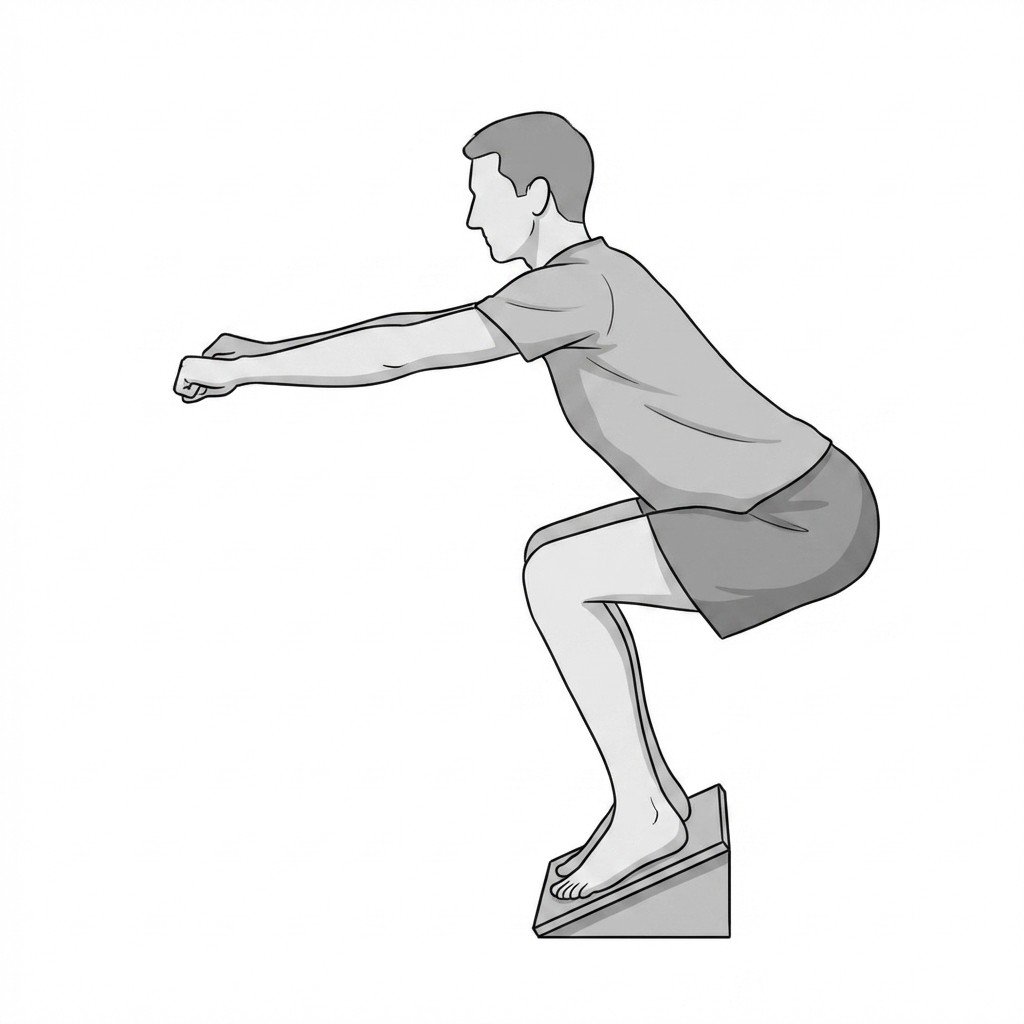
- Slowly slide your back down the wall until your knees are bent to a 45 to 60-degree angle.
- Keep your shins relatively vertical, ensuring your knees track directly over your middle toes.
- Hold this position actively by pushing your feet into the floor while keeping your core engaged.
- Slowly slide back up the wall to the starting standing position once the hold time is complete.
Progression
Increase the depth of the squat toward 90 degrees or hold a dumbbell or kettlebell across your chest to increase the functional load.
Regression
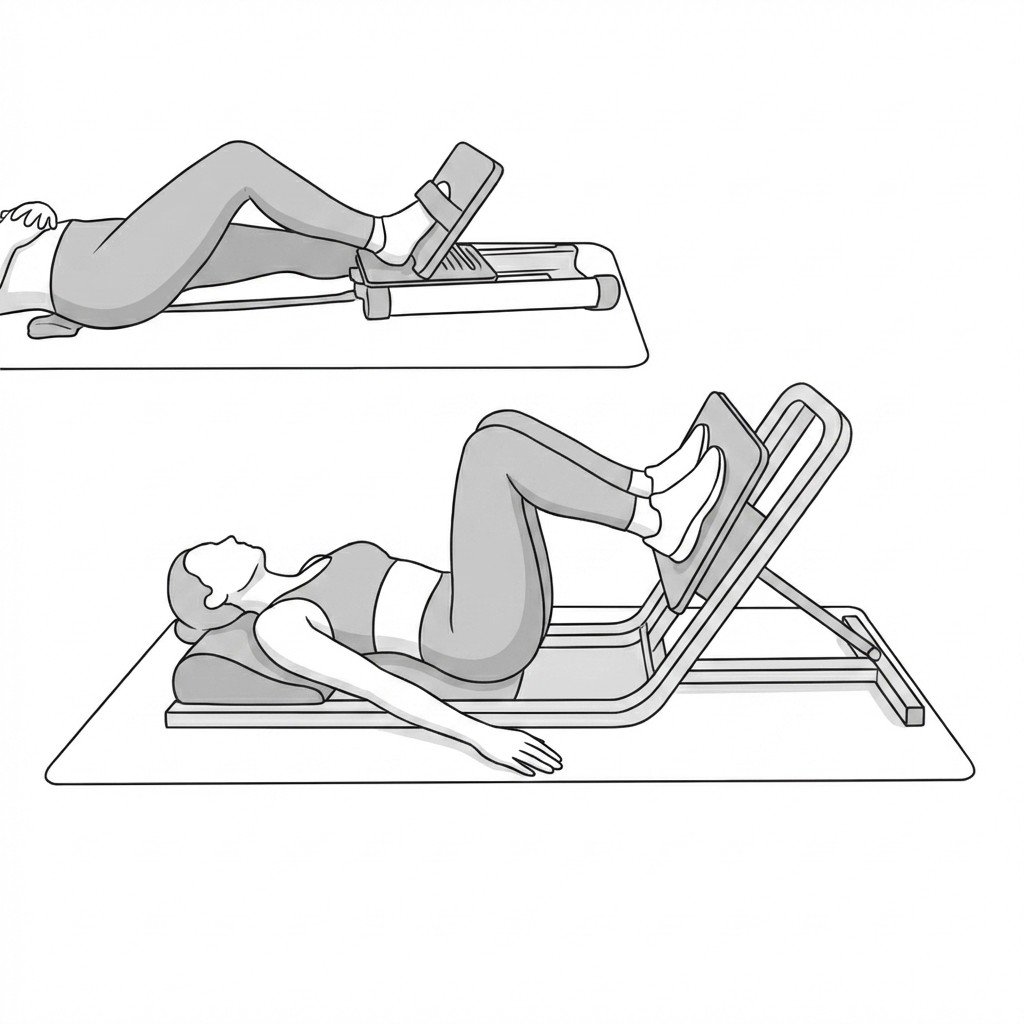
Decrease the depth of the wall sit to a shallower knee flexion angle (e.g., 30 degrees) or perform a double-leg isometric leg extension on a machine.