Immediate Relief
Forearm massage for associated discomfort
For associated forearm discomfort, support the forearm palm-up and try light, broad massage over a comfortable muscular area, away from the elbow crease and wrist. Stop for tingling or sharp pain. This treats the forearm region; the lumbricals and interossei lie in the hand.
- Duration
- 3-5 minutes per arm
- Frequency
- 2-3 times daily, especially after gripping activities
- Expect
- Goal: Check whether local care makes wrist movement and gripping more comfortable
Exercises
Finger Extension Stretch Against Table
Place your hand flat on a table with your palm down and fingers straight. Gently press down on each finger in turn to achieve a full extension stretch. Hold each stretch for 10 seconds. Then place all fingertips at the table edge and gently press your palm flat to stretch all flexors simultaneously.
- Duration
- 2-3 minutes per hand
- Frequency
- 3-4 times daily
- Expect
- Goal: Comfortable opening and closing of the fingers for daily tasks
Exercises
Finger Tendon Glide Exercises
Begin with the hand open. For a hook fist, keep the knuckles straight and bend both the middle and fingertip joints. For a tabletop, bend only the knuckles. For a straight fist, bend the knuckles and middle joints while keeping the fingertip joints straight. Move gently between these positions and a loose full fist; do not force a catching finger.
- Duration
- 5 minutes per hand
- Frequency
- Twice daily
- Expect
- Goal: Comfortable opening and closing of the fingers for daily tasks
Caution If a finger locks and will not straighten, do not force it. Gently assist with your other hand and consult a professional.
Exercises
Finger spreading with a rubber band
Place a rubber band around all five fingertips. Spread your fingers apart against the resistance of the band, hold for 5 seconds, then slowly release. Perform 3 sets of 15 repetitions. Use a thicker band to increase resistance as your strength improves.
- Duration
- 3-5 minutes per session
- Frequency
- Once daily, 5 days per week
- Expect
- Goal: Better control and tolerance when spreading and bringing the fingers together
Lifestyle Changes
Grip Load Management
Reduce sustained gripping time by taking 2-minute breaks every 15-20 minutes during manual work, climbing, or repetitive hand tasks. Alternate between grip-intensive and non-grip tasks throughout the day. Use ergonomic grips and power tools where possible to reduce manual demand.
- Duration
- 2-minute breaks
- Frequency
- Every 15-20 minutes during grip-intensive activities
- Expect
- Goal: Reduce demanding grip or pinch exposure while keeping comfortable hand activity
Professional Treatment
Professional Evaluation for Trigger Finger or Carpal Tunnel
If finger locking, persistent numbness, or significant weakness continues despite self-care, consult a hand specialist or orthopedic surgeon. They can perform specific clinical tests and imaging to differentiate trigger points from trigger finger, carpal tunnel syndrome, or early osteoarthritis.
- Duration
- 30-45 minute evaluation
- Frequency
- One-time consultation with follow-up as needed
- Expect
- Goal: Clarify persistent hand symptoms and plan care for the assessed muscle, tendon, joint or nerve findings
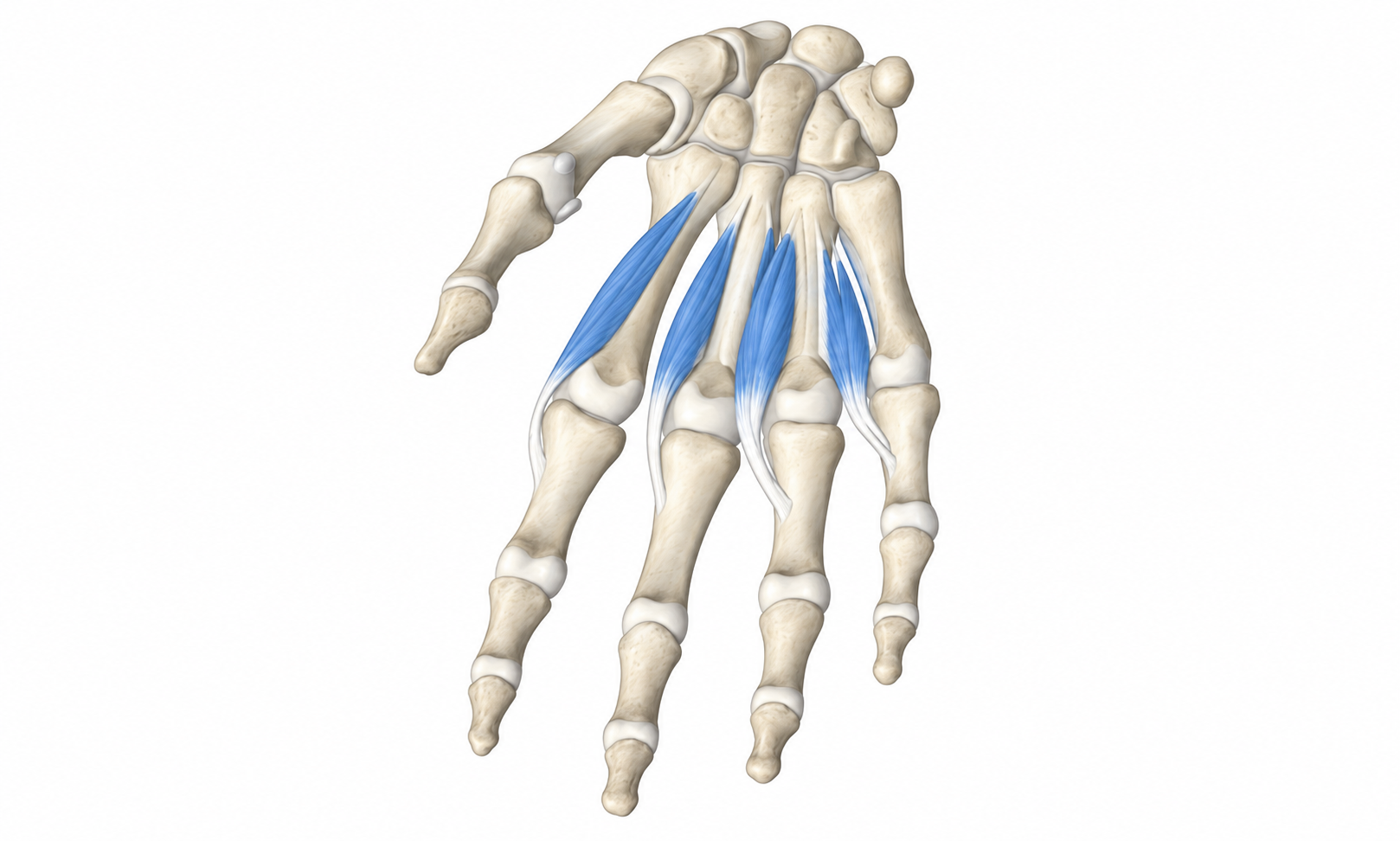
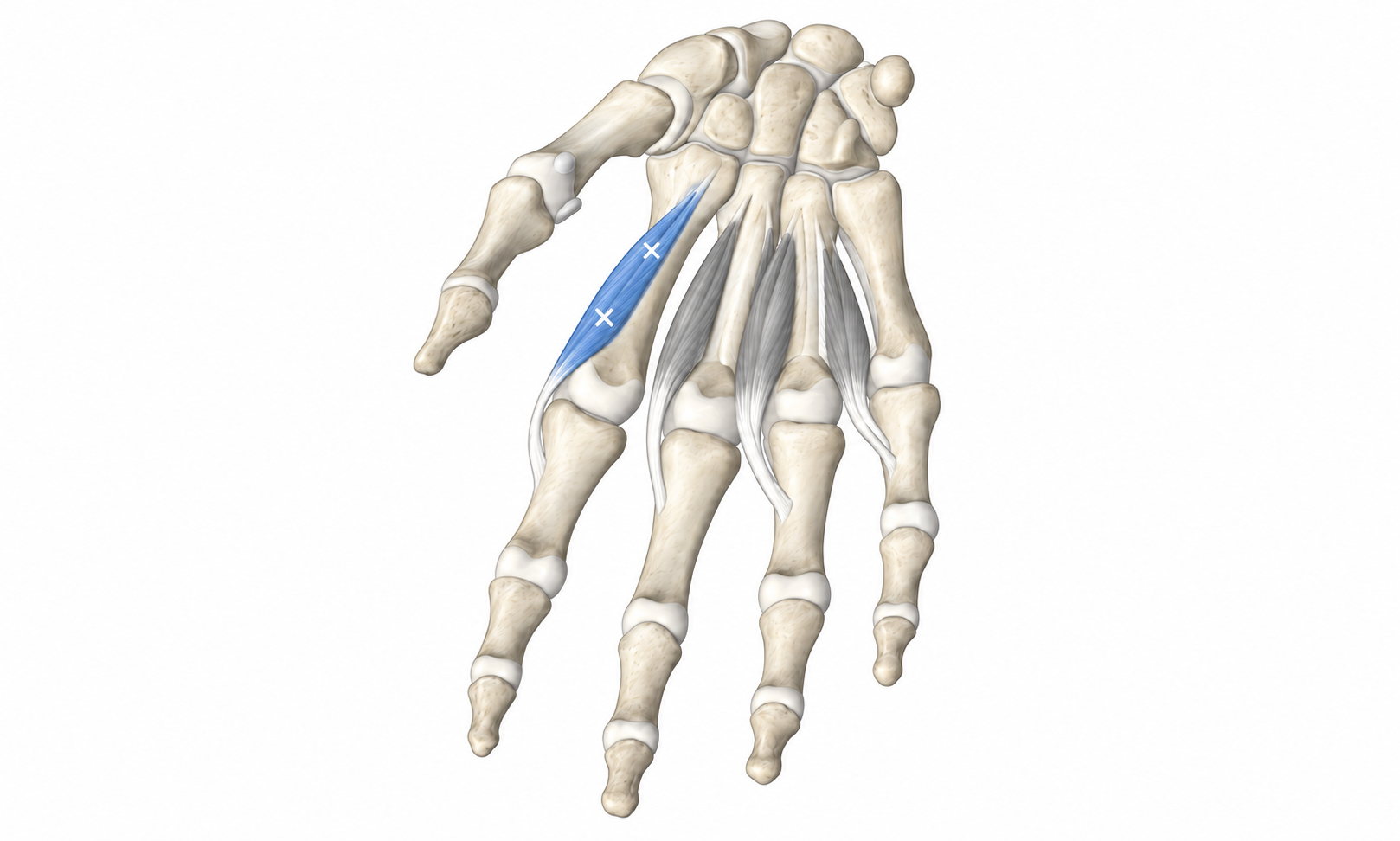 Open full-size image
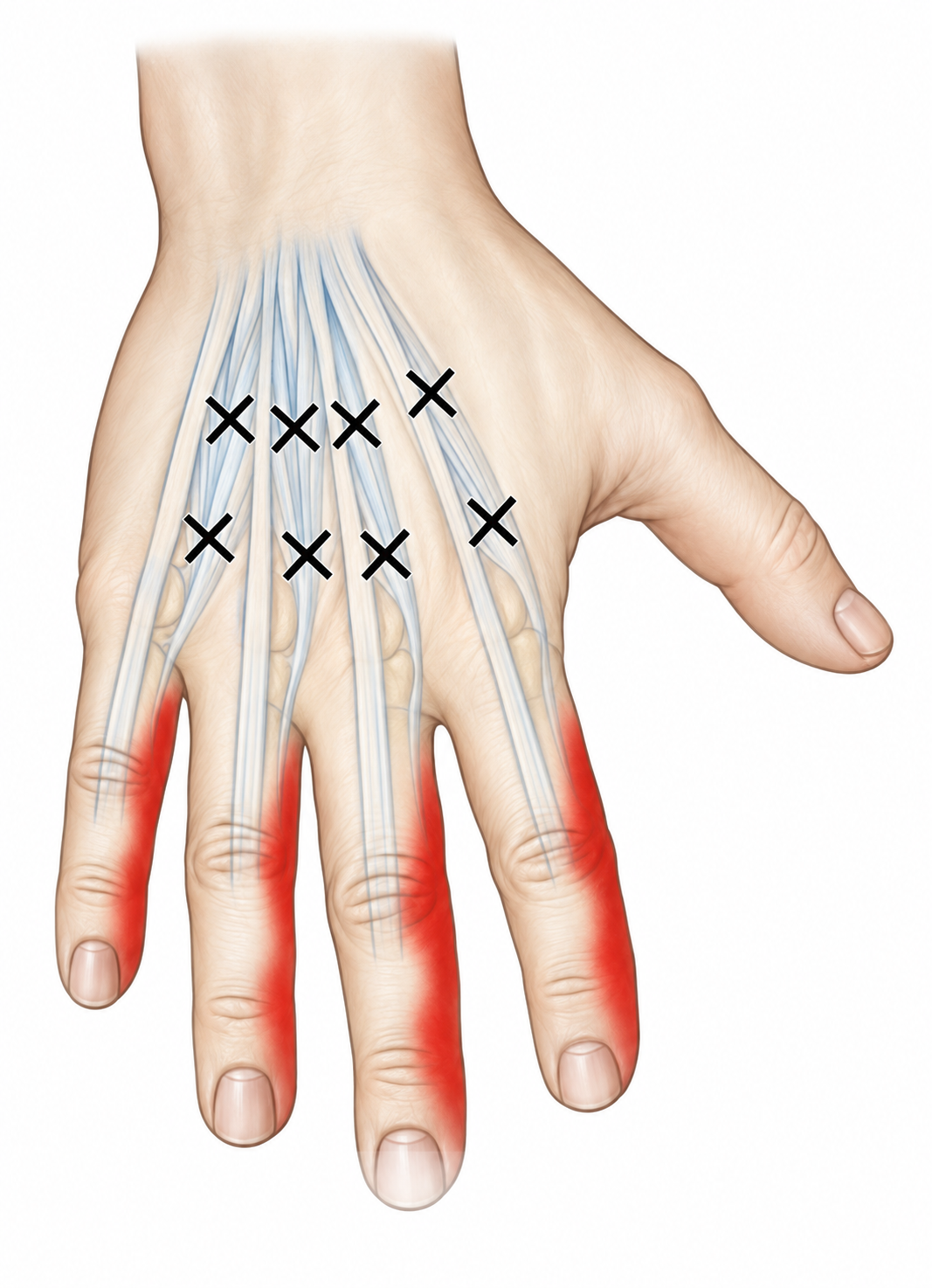 Open full-size image