Exercises
Stretching Fundamentals
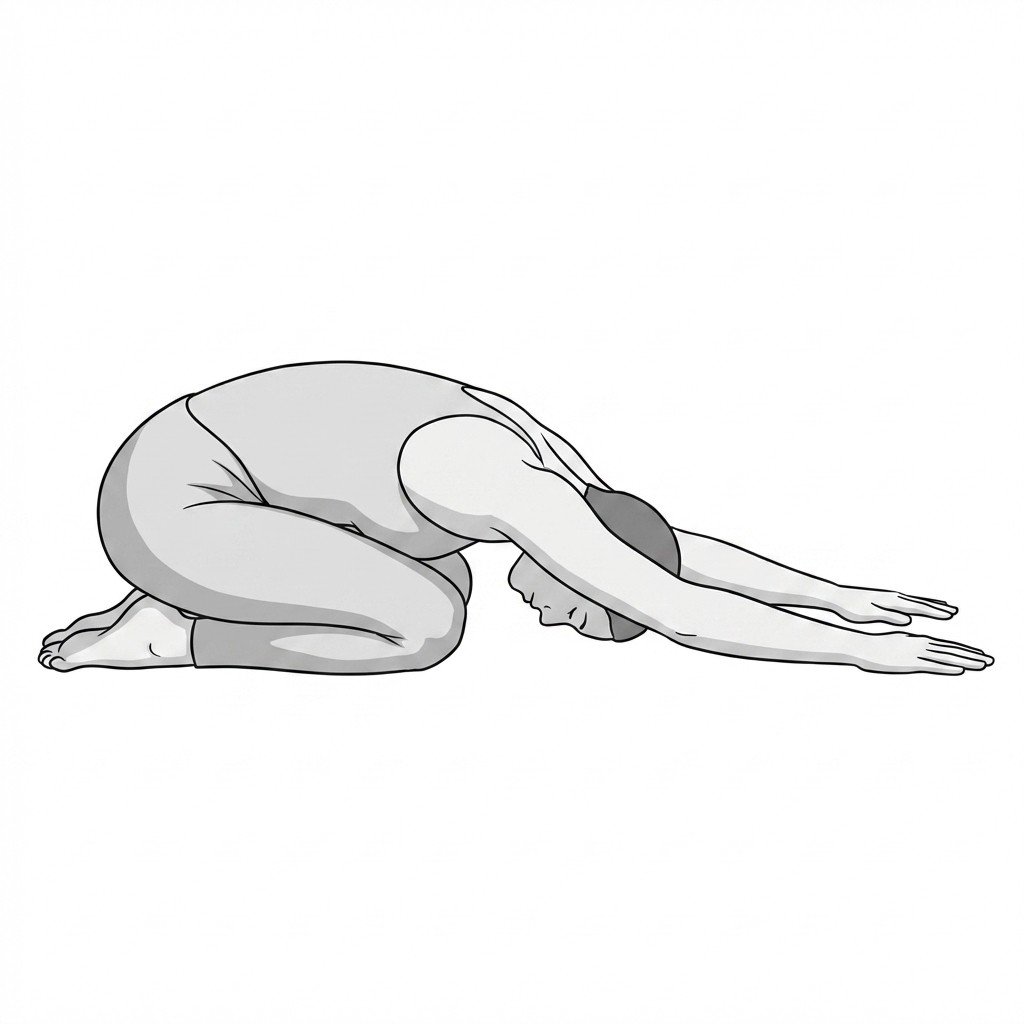
Step-by-Step Instructions
- Warm up with 2–3 minutes of gentle movement — marching in place, arm circles, or easy walking — before any stretching.
- Move slowly into each stretch until you feel a clear but tolerable pull; never bounce or force the position.
- Hold each stretch for 20–30 seconds at first, breathing slowly and keeping surrounding muscles as relaxed as possible.
- If you have active trigger points, use self-myofascial release (foam roller or ball) on the target area before stretching it.
- For each region, perform 2–3 repetitions and back off immediately if the sensation becomes sharp or clearly threatening.
- Use dynamic stretching (controlled movement through range) before activity, and save longer static holds for after exercise when tissue is warm.
- Progress hold times gradually over weeks — from 20 seconds toward 45–60 seconds — rather than forcing range in early sessions.
Clinical Precautions
Avoid stretching through sharp pain. If you have acute injury, uncontrolled hypermobility, or recent surgery, consult a physical therapist before starting a stretching program.
Why It Works
Stretching helps restore length to muscles that have become chronically tight, reducing the mechanical load that activates and sustains trigger points.
Regular stretching improves local circulation to affected tissues, which may support the metabolic processes involved in resolving active trigger points over time.
Calming trigger point irritability first — through heat, light release, or gentle movement — allows stretching to be more evenly distributed rather than concentrated at one painful spot.