Strength Training for MPS
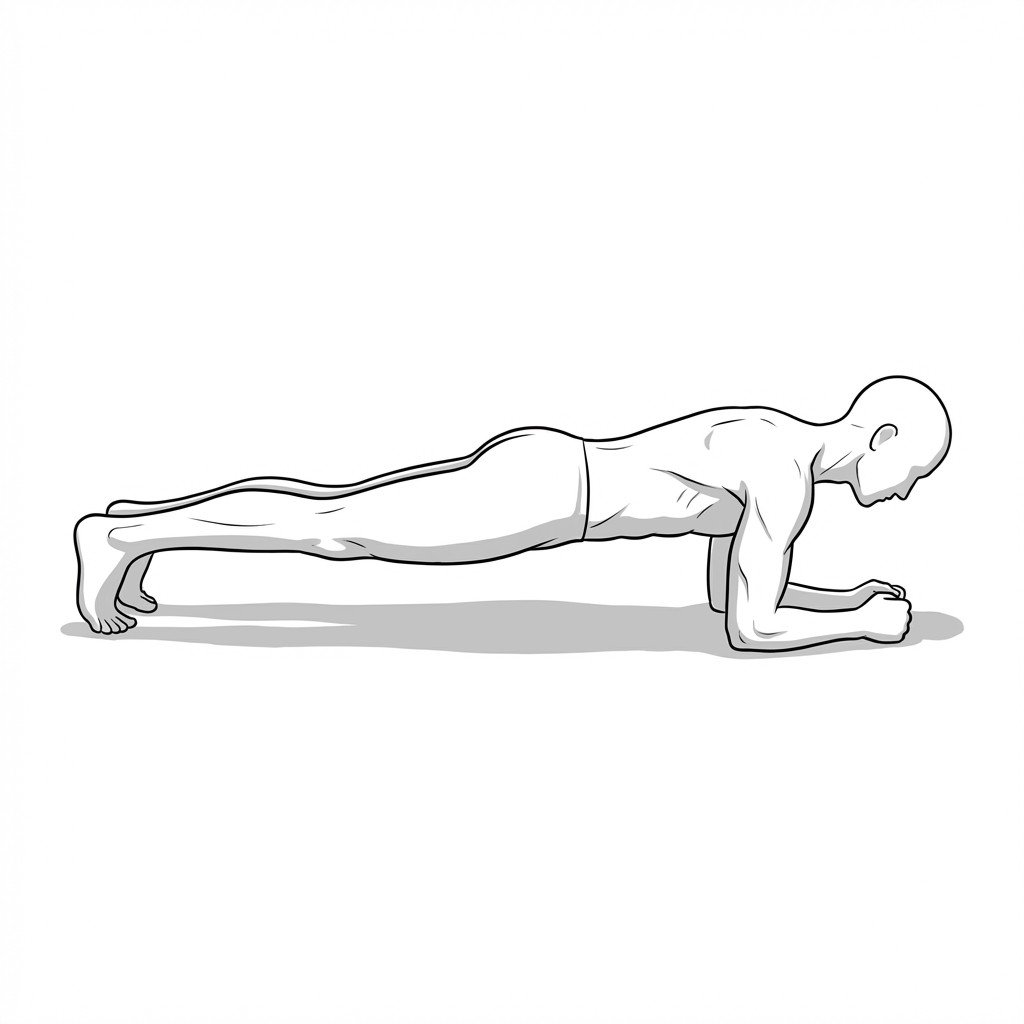
Step-by-Step Instructions
- Assess your readiness before starting: strength training is appropriate when pain is stable, not during a severe flare with high resting pain or immediately after an invasive procedure.
- Warm up with 5 minutes of light movement and activation drills (e.g., glute bridges, band pull-aparts, bird-dogs) matched to the session's main patterns.
- Begin Phase 1 (weeks 1–3) with isometric and bodyweight exercises — wall sits, bird-dogs, dead bugs, pallof press — using 2–3 sets of 8–10 reps at slow, controlled tempo.
- Progress to Phase 2 (weeks 4–8) by adding isotonic loading with moderate resistance — goblet squats, Romanian deadlifts, bent-over rows — emphasizing a slower lowering phase to build tissue tolerance.
- Use the traffic-light system to autoregulate: on green days complete the plan; on yellow days reduce volume; on red days substitute lighter movement or rest.
- Increase only one variable at a time — load, volume, or difficulty — and use the 24–48-hour symptom response to judge whether the progression was appropriate.
- Maintain a cool-down of easy movement and optional light stretching, keeping recovery as part of the treatment rather than an afterthought.
Why It Works
Many muscles with trigger points are both painful and under-conditioned. Strength training increases tissue capacity so ordinary daily demands no longer push the muscle past its load tolerance as easily.
Progressive resistance exercise improves local circulation, motor coordination, and nervous-system regulation — all of which contribute to reduced pain sensitivity and lower recurrence risk over time.
Slower eccentric tempos (controlled lowering phases) are especially useful in pain recovery because they build load tolerance and movement quality without requiring heavy loads.
Clinical Precautions
Avoid strength training during a severe flare with high resting pain or within 48 hours of an invasive procedure. If sharp pain occurs during an exercise or symptoms remain clearly aggravated the next day, reduce load or range and consult a physical therapist.