Strength for Hypermobility
Step-by-Step Instructions
- Begin with a functional movement screen — observe squat control, single-leg balance, and shoulder mechanics — to identify which joints are unstable before loading them.
- Start Phase 1 with mid-range isometrics and closed-chain patterns: focus on teaching controlled co-contraction around unstable joints rather than chasing maximal strength or end range.
- Use lighter resistance and higher rep ranges (12–20 reps) with controlled tempo; avoid relying on momentum or passive end-range locking, which can worsen instability.
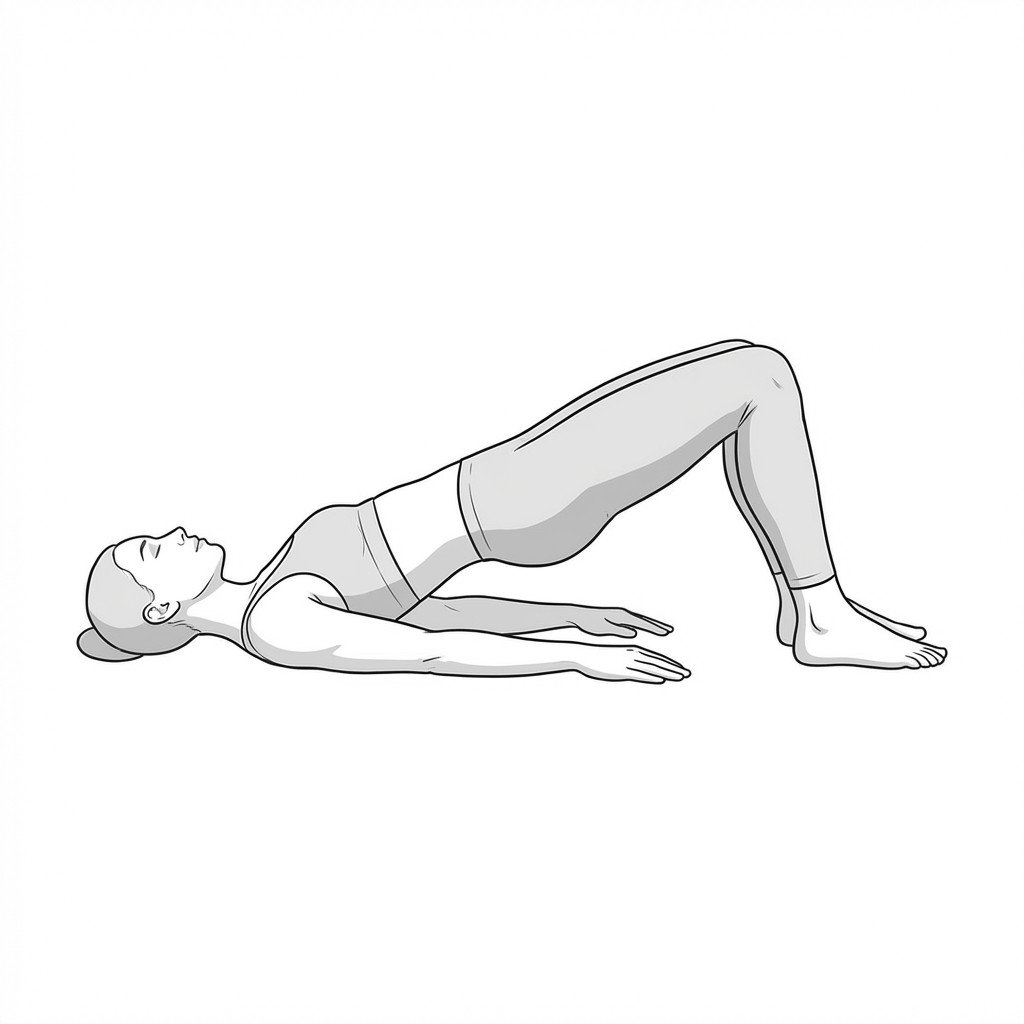
- Build hip, trunk, and scapular support first — glute bridges, clamshells, bird-dogs, scapular push-ups — before heavily loading joints that are clearly symptomatic.
- Progress load only when the previous level is well tolerated over 24 hours; a slower build is almost always more durable than rushing back to previous training numbers.
- Integrate proprioceptive work — simple balance tasks, single-leg control, verbal and visual motor feedback — alongside strength to reconnect joint position sense.
- Monitor for red flags: autonomic symptoms with exercise (presyncope, marked tachycardia), post-exertional crashes beyond ordinary soreness, or systemic flare patterns — these require medical review before continuing.
Why It Works
In hypermobility, painful muscles are sometimes protective co-contractors rather than purely dysfunctional tissue — aggressive release without building stability can worsen function.
Progressive resistance training builds the strength needed to stabilize lax joints under real-world load, which often reduces the chronic compensatory tension that perpetuates trigger points.
Proprioceptive training restores joint position sense, giving the nervous system better feedback and reducing the protective guarding that drives persistent pain in hypermobile patients.
Clinical Precautions
If you have hEDS, HSD, or known joint instability, consult a physical therapist before progressing beyond foundational co-contraction work. Avoid ballistic movements, forced end-range positions, and high-load progressions until basic joint control is well established.