The Sleep-Pain Cycle
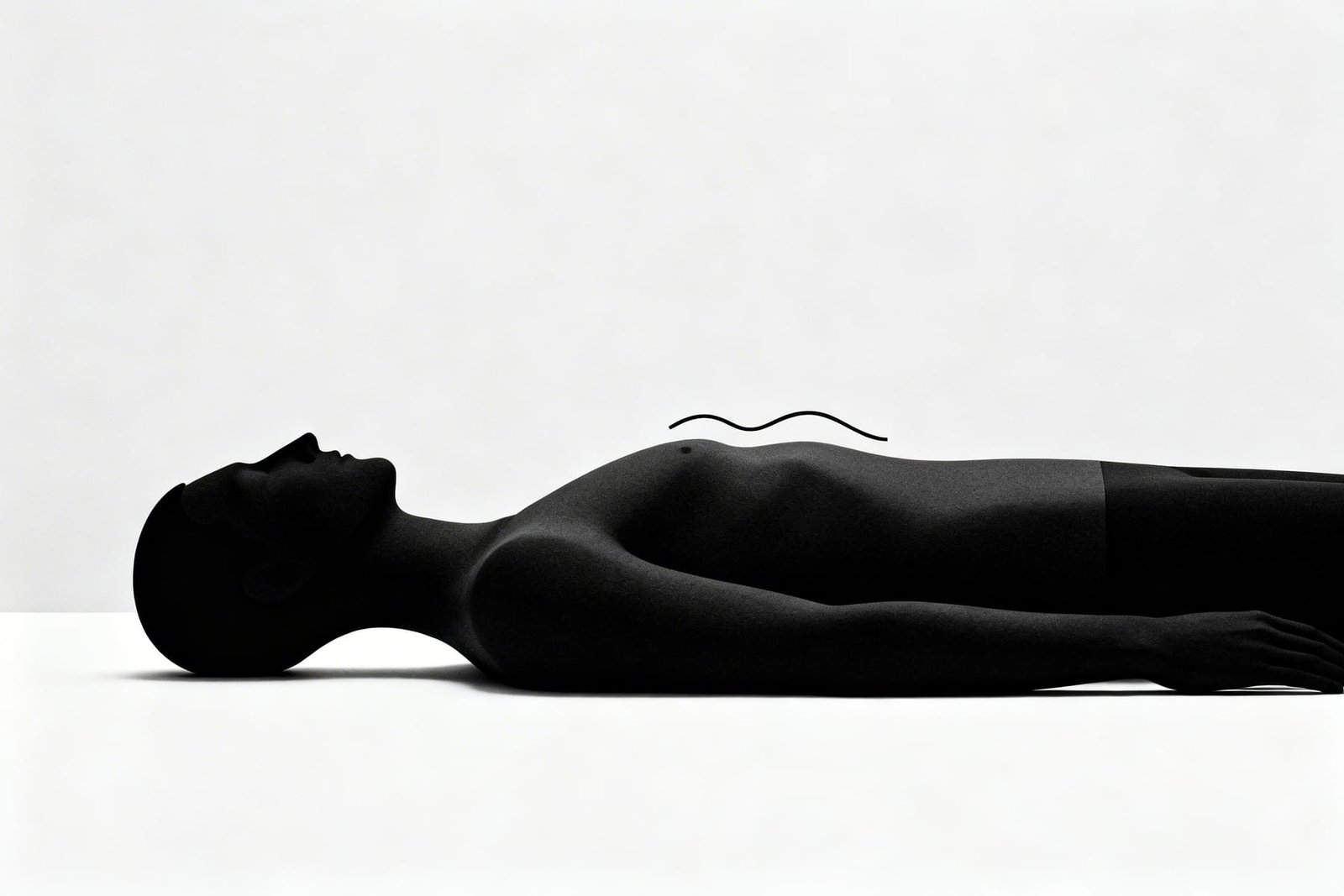
Sleep Apnea and MPS
Interaction OverviewObstructive sleep apnea (OSA) and myofascial pain syndrome (MPS) frequently interact in ways that make both conditions harder to treat. Repeated sleep disruption reduces recovery, increases fatigue, and can raise pain sensitivity the next day.
That relationship is not only subjective. Poor sleep can worsen central pain regulation, increase stress-system activation, and make trigger points more irritable and more resistant to treatment.
The relationship can also go the other way. Persistent neck, jaw, chest, or upper-quarter pain can fragment sleep, increase arousal, worsen breathing patterns, and reinforce non-restorative sleep.
The practical consequence is treatment resistance when only one problem is addressed. Patients often improve more when sleep-disordered breathing and myofascial pain are both treated rather than when either is treated in isolation.
Muscles Affected by OSA-MPS Interaction
The muscles most affected by the OSA–MPS interaction are often the upper-airway and accessory breathing muscles, along with jaw and suboccipital muscles that absorb the consequences of poor sleep, altered breathing, and bruxism.
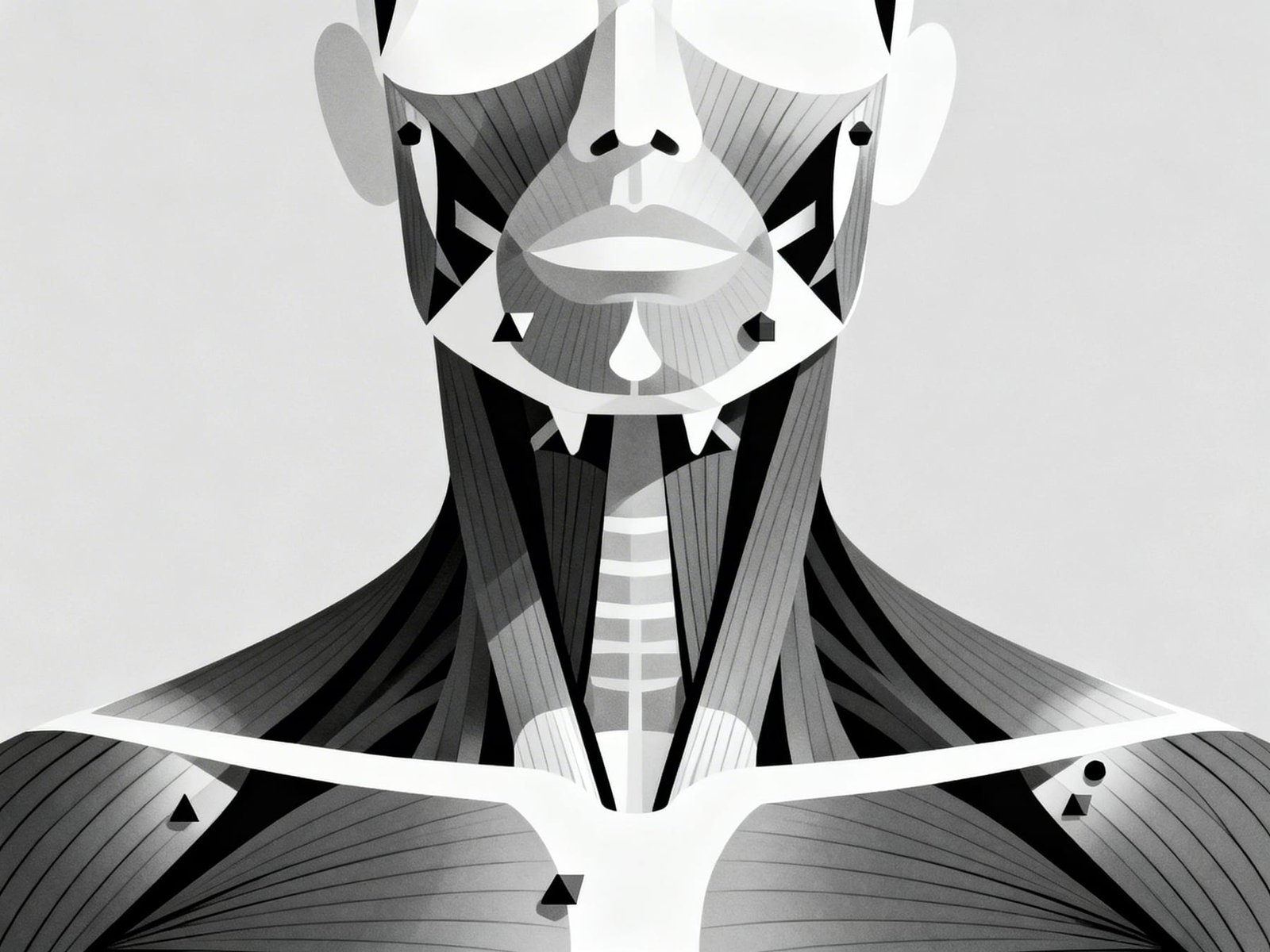
Upper Airway Muscles and Trigger Point Patterns
The SCM may become overactive in patients with disordered breathing, poor sleep, and repeated nocturnal arousals. Trigger points here can contribute to face, temple, ear, and headache patterns that are often overlooked in people with untreated sleep apnea.
The scalenes may be recruited heavily in patients with upper-airway obstruction and chronic upper-chest breathing patterns. Trigger points here can contribute to neck, chest, arm, and thoracic-outlet-type complaints.
Sleep bruxism is common in some patients with sleep-disordered breathing. Repeated clenching may contribute to masseter overload, jaw pain, temple pain, and toothache-like referral.
Chronic mouth breathing and forward-head posture may overload the suboccipital region. Trigger points here can contribute to occipital and morning headache patterns.
How OSA Can Worsen MPS
Sleep fragmentation, intermittent hypoxia, and repetitive arousal may all increase next-day pain sensitivity and reduce the body’s ability to calm trigger points overnight.
Jaw clenching, upper-chest breathing, forward-head posture, and poor sleep architecture then add local mechanical overload to an already sensitized system.
Sometimes the reason a trigger point keeps returning is not only the muscle — it is the night that comes after it.
Fragmented Sleep
Bruxism & Accessory Breathing
Poor Pain Inhibition
Fragmented Sleep
Frequent arousals reduce deep restorative sleep and impair overnight recovery.
Stress-System Activation
Poor sleep can increase sympathetic drive, tension, and next-day pain sensitivity.
Inflammatory Burden
Sleep apnea is associated with physiological stress and inflammatory signaling that may amplify pain.
Central Sensitization Risk
Persistent sleep disruption can make pain modulation less efficient over time.
Screening & Assessment Tools
Screening for sleep apnea in MPS patients usually begins with questionnaires, symptom history, and simple tracking of how sleep quality affects next-day pain.
STOP-BANG Questionnaire
Epworth Sleepiness Scale
Sleep & Pain Diary Correlation
Polysomnography (PSG)
Integrated Treatment Strategy
The most effective approach usually treats both the sleep problem and the myofascial pain pattern together rather than assuming one will automatically fix the other.
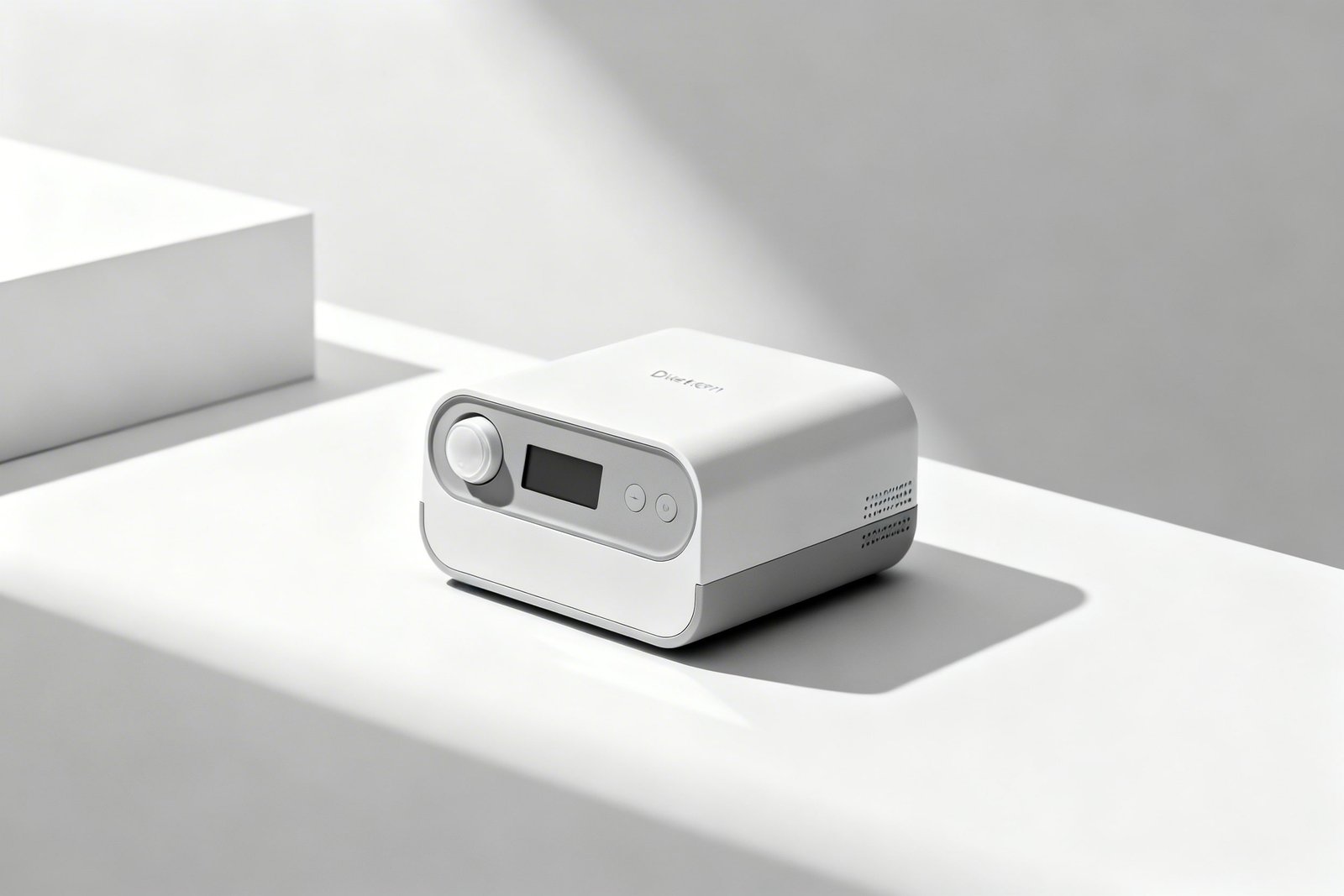
Sleep Apnea Treatment Cascade
PAP and MPS ManagementCPAP / PAP Therapy
Positive-airway-pressure therapy is often the single most important treatment for moderate to severe obstructive sleep apnea. In patients with MPS, improving sleep quality and reducing repeated nocturnal arousals may reduce one major driver of pain amplification.
- Standard CPAP or auto-adjusting PAP may be used depending on sleep-medicine assessment
- Adherence matters more than just prescribing the device
- Pain improvement often lags behind sleep improvement and may take time
- Use sleep follow-up to confirm the treatment is actually working
- Do not assume PAP alone will resolve all established trigger points
Myofascial Treatment of OSA-Loaded Muscles
SCM, scalenes, jaw muscles, suboccipitals, and upper-quarter muscles often remain symptomatic even after sleep treatment starts. Direct myofascial care may still be needed.
- Treat cervical and jaw trigger points when they are clinically active
- Use manual therapy, self-care, or needling only as appropriate to the patient
- Expect better durability when sleep-disordered breathing is treated in parallel
- Screen for bruxism and jaw overload if facial or temporal pain is prominent
- Avoid expecting one local treatment to overcome nightly re-irritation from untreated OSA
Sleep Hygiene & Behavioral Sleep Support
Even when PAP is indicated, patients often also need sleep-hygiene and insomnia-directed support. Sleep architecture, circadian timing, and conditioned arousal all matter.
- Keep a consistent wake time as much as possible
- Reduce late alcohol and other clear sleep disruptors
- Use sleep-hygiene changes that are realistic and repeatable
- Consider CBT-I or behavioral sleep support when insomnia coexists with OSA
- Track whether sleep quality improvements match next-day pain changes
Myofunctional / Airway Supportive Therapy
Oropharyngeal and nasal-breathing training may help selected patients as an adjunct to formal sleep treatment, especially in mild or positional cases.
- Encourage nasal breathing when feasible
- Use upper-airway exercise only as an adjunct, not a substitute for appropriate sleep evaluation
- Coordinate with sleep medicine, dentistry, or airway specialists when relevant
- Focus on adherence and practicality rather than promising a cure
- Use symptom and follow-up data to judge whether the approach is helping
Red Flags — When to See a Doctor
Certain symptoms suggest severe or medically risky sleep-disordered breathing and require faster evaluation rather than routine self-management.
OSA and MPS often worsen each other: poor sleep amplifies pain sensitivity, while pain and muscle tension can worsen sleep quality.
Many chronic pain patients have unrecognized sleep problems, which is why screening matters when trigger points remain unusually treatment-resistant.
Sleep fragmentation, poor recovery, jaw clenching, and upper-chest breathing all help explain why cervical, jaw, and suboccipital trigger points are common in OSA-related pain patterns.
Treating sleep apnea can meaningfully improve pain, but it usually does not replace direct treatment of established myofascial pain.
The best outcomes often come from treating both the sleep disorder and the regional myofascial pain pattern at the same time.