Understanding Myofascial Shoulder Pain
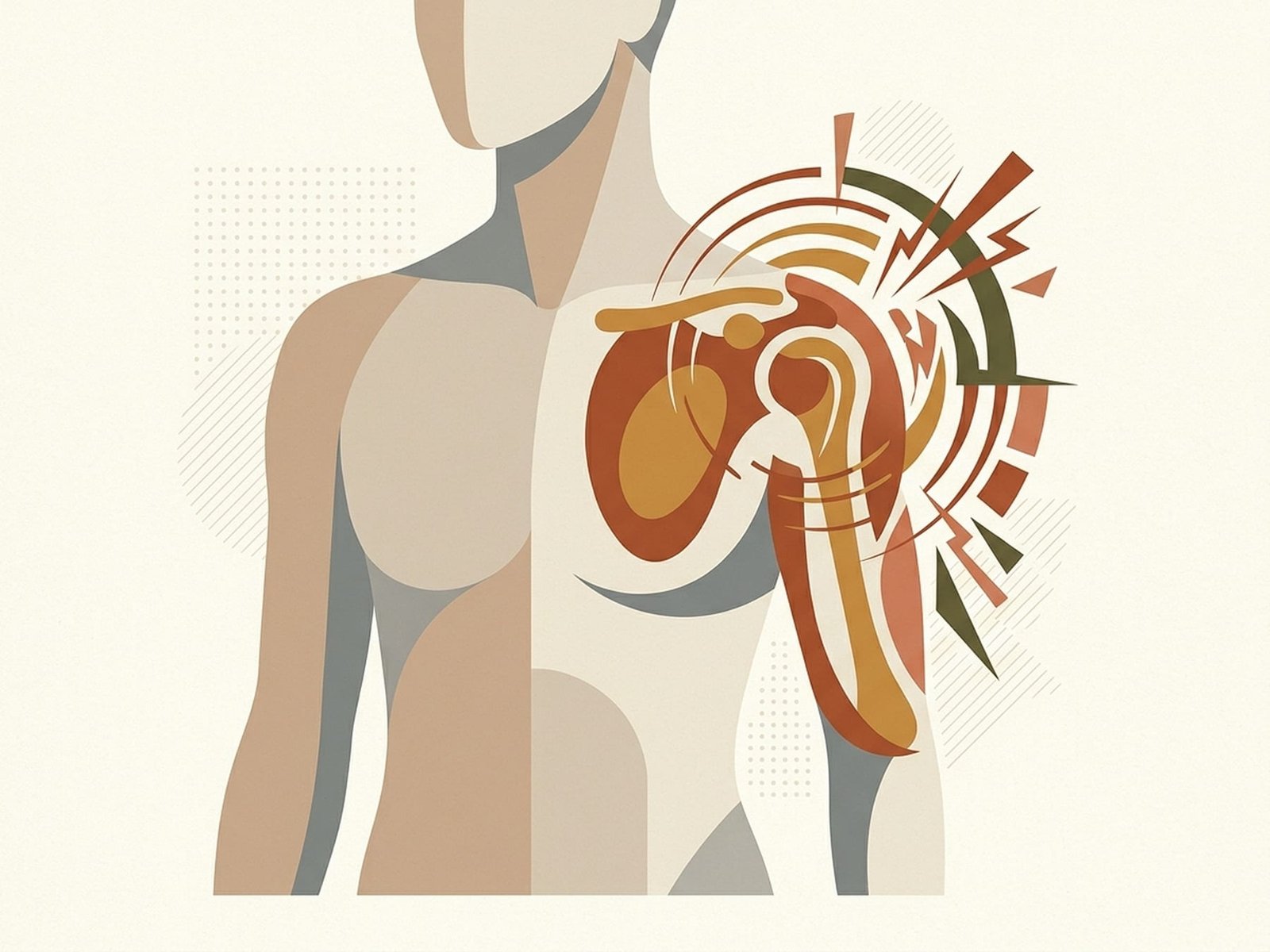
Shoulder Pain
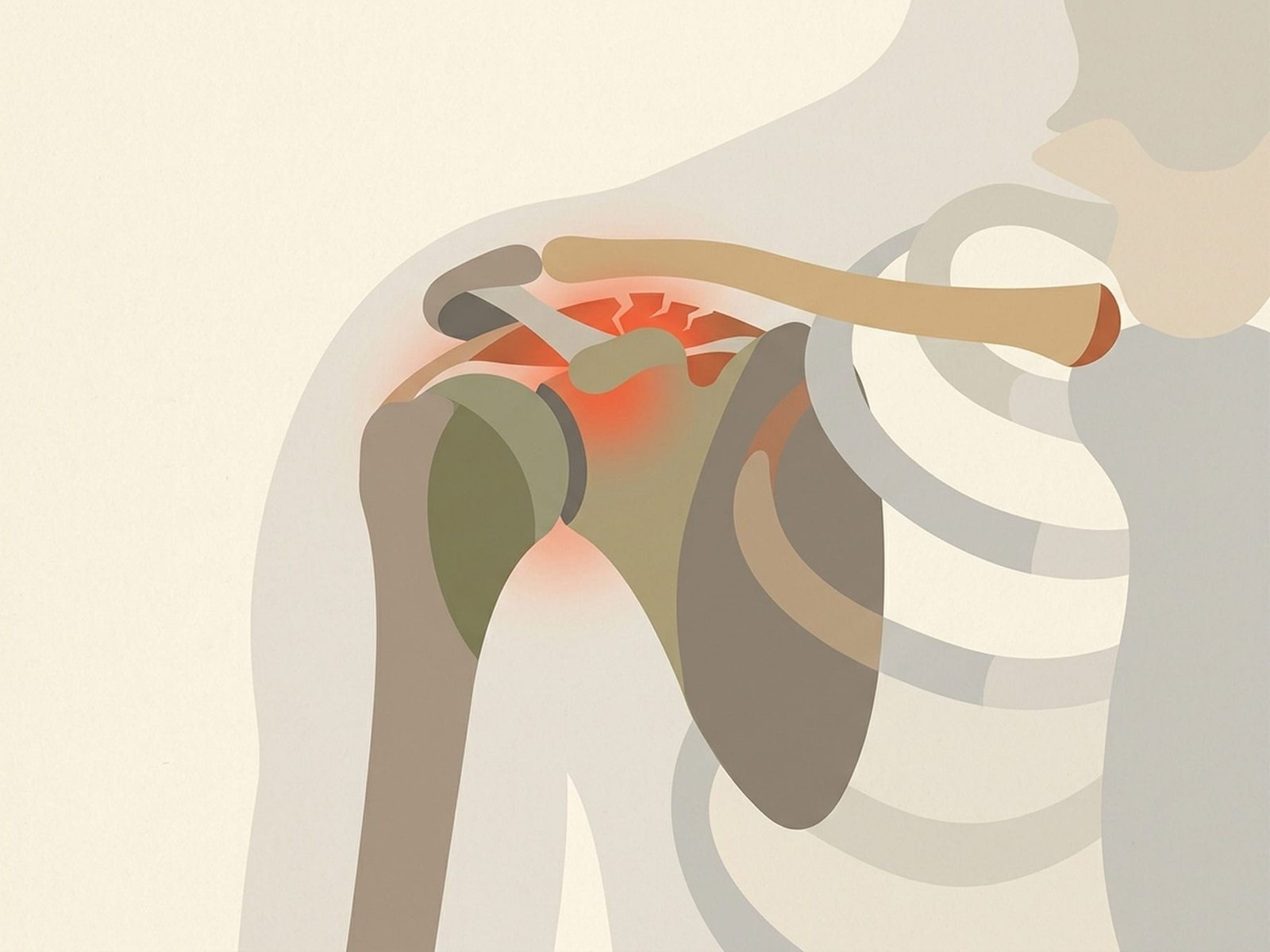
Anatomy and Pain Pattern OverviewThe shoulder is a highly mobile and mechanically complex region. Pain can arise from the glenohumeral joint, rotator cuff tendons, biceps tendon, scapular mechanics, thoracic posture, or myofascial trigger points — and several of these often coexist.
Trigger points in the rotator cuff and scapular muscles often mimic tendon pathology or “impingement” patterns. This is one reason shoulder pain is frequently more complicated than imaging alone suggests.
Some patients continue to have pain even after structurally successful procedures or conventional rehab because the myofascial component was never fully assessed or treated.
Infraspinatus trigger points are one of the most common hidden contributors to anterior shoulder pain — even though the trigger point itself sits on the back of the scapula.
Anatomy & Key Trigger Points
The most clinically relevant muscles in shoulder MPS include the rotator cuff, upper quarter postural muscles, scapular stabilizers, and selected chest-wall muscles. Each can produce a distinct pain pattern — and many coexist.
Shoulder Pain
A very common source of myofascial shoulder pain. Infraspinatus trigger points often refer deep pain into the anterior shoulder and upper arm, which is why they can be confused with rotator cuff tendon pain or other anterior-shoulder diagnoses.
A key rotator cuff muscle involved in initiating shoulder abduction. Trigger points here can contribute to lateral shoulder pain and a painful arc pattern, but the same presentation may also come from tendon pathology, which is why assessment must stay broad.
The largest rotator cuff muscle and a major internal rotator. Trigger points may contribute to deep anterior or posterior shoulder pain and can be especially relevant when external rotation is restricted.
A common contributor to neck–shoulder tension and scapular elevation. In shoulder pain patients, it often becomes overactive secondarily when the scapula is poorly controlled.
Often contributes to the stiff, painful neck that accompanies shoulder dysfunction. It commonly overlaps with upper trapezius and scapular-border pain.
The main shoulder-cap muscle. Deltoid trigger points usually act more as local contributors or satellites than as the primary hidden driver, but they can still add substantial lateral-arm pain and weakness.
A small but clinically important anterior-shoulder/chest muscle. Trigger points here may contribute to anterior shoulder pain, chest-wall discomfort, and thoracic-outlet-type patterns in selected patients.
Often involved in interscapular pain and postural shoulder-girdle overload, especially when the shoulder remains chronically protracted.
A major scapular stabilizer. When it is weak, inhibited, or poorly timed, scapular control often deteriorates and secondary trigger points may develop elsewhere in the shoulder girdle.
A small external rotator that often overlaps with infraspinatus dysfunction. It may contribute to more localized posterior shoulder pain.
Often involved in anterior shoulder pain and tenderness near the bicipital groove. Biceps tendon irritation and myofascial overload can coexist, so local pain here does not automatically point to only one structure.
A powerful internal rotator and adductor that can contribute to restricted shoulder flexion, inferior scapular discomfort, and medial-arm referral in some patients.
Infraspinatus Trigger Points
A frequent source of anterior shoulder pain despite being located posteriorly.
Upper Trapezius & Levator Scapulae
Often overactive in shoulder dysfunction and major contributors to neck–shoulder overlap pain.
Subscapularis Restriction
Often important when external rotation is markedly limited.
Scapular Dysfunction
Poor scapular control can perpetuate rotator cuff and upper-quarter trigger points.
Referral Patterns
Shoulder trigger points often refer pain away from the actual muscle, which is why the painful area can be misleading if the broader exam is not done.
Infraspinatus — The Great Mimicker
Subscapularis — The Restriction Driver
Pectoralis Minor — The Chest / Arm Overlap Pattern
Frozen Shoulder Connection
Marked myofascial restriction can resemble adhesive capsulitis clinically, especially when external rotation and behind-the-back reach are limited. The distinction matters because the treatment approach changes depending on whether the restriction is mostly myofascial, capsular, or mixed.
Subscapularis Trigger Points Restrict External Rotation
Infraspinatus Trigger Points Can Add Global Shoulder Restriction
Guarding Creates a Progressive Restriction Cycle
Early Myofascial Treatment May Reduce Secondary Stiffness
Self-Assessment
These clinical tests are most useful as pattern-recognition tools. They help identify which tissues deserve attention, but they are not perfect stand-alone diagnostic proofs.
Infraspinatus Palpation
Arm Cross-Body Test
Hand-Behind-Back Reach Test
Empty Can Test (Supraspinatus)
Lift-Off Test (Subscapularis)
Treatment Pathways
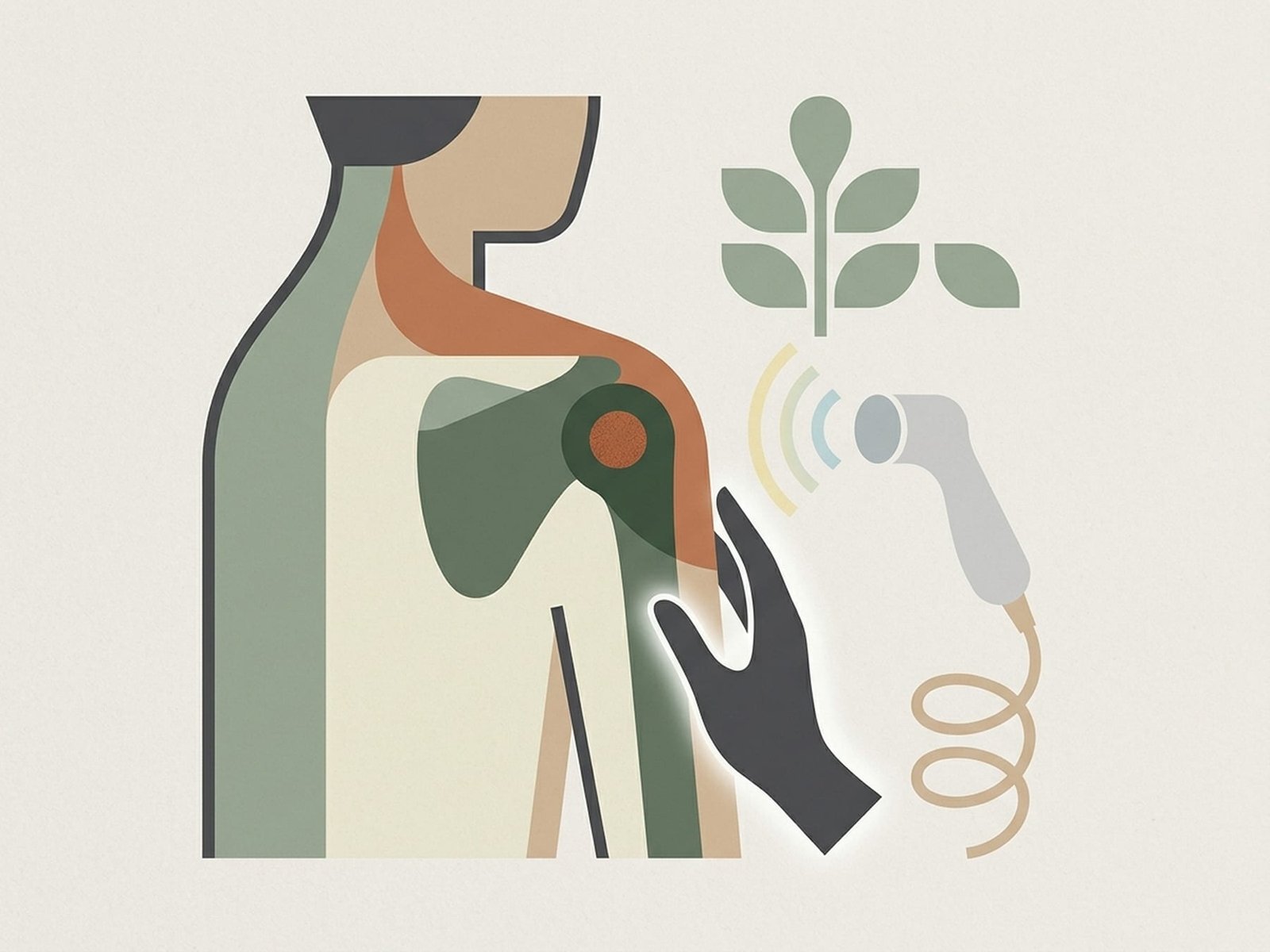
Shoulder MPS treatment usually works best when local trigger point treatment is combined with scapular control, thoracic mobility, rotator cuff loading, and correction of perpetuating factors such as posture and repetitive strain.
Treatment Pathways
Mechanism DiagramSelf-Care
- Cross-body stretch for posterior shoulder tolerance
- Gentle chest / pectoral opening when anterior tightness is obvious
- Tennis-ball or wall-ball release for posterior shoulder when appropriate
- Pendulum exercises or low-threat shoulder motion during painful phases
- Heat before mobility work if the area feels stiff and guarded
Manual Therapy
- Trigger point release for infraspinatus, supraspinatus, upper trapezius, and related muscles
- Careful subscapularis treatment when clinically appropriate
- Pectoralis minor and anterior-shoulder soft-tissue work in rounded-shoulder patterns
- Scapular and thoracic mobility techniques
- Movement reassessment after treatment rather than passive care alone
Interventional
- Dry needling for selected rotator cuff or scapular trigger points
- Trigger point injection in appropriately chosen cases
- Image guidance for deeper or higher-risk targets when indicated
- More advanced interventions only when the diagnosis and indication are clear
Rehabilitation
- Rotator cuff strengthening progression
- Scapular stabilization and serratus / lower-trapezius work
- Postural correction for forward-head and rounded-shoulder patterns
- Graduated return to overhead work and sport
- Ergonomic changes when desk posture or repetitive load is a key perpetuating factor
Red Flags — When to See a Doctor
Before labeling shoulder pain as myofascial, always screen for trauma, major weakness, systemic symptoms, or potentially referred medical pain.
The infraspinatus is one of the most important myofascial sources of shoulder pain and often refers pain to the front of the shoulder rather than where the trigger point actually sits.
Subscapularis and infraspinatus trigger points together can create a frozen-shoulder-like pattern before true adhesive capsulitis develops.
Anterior chest and shoulder pain can involve pectoralis minor, but cardiac and other medical causes still need to be excluded when the presentation is concerning.
Persistent shoulder pain often reflects more than one contributor: trigger points, tendon irritation, scapular dysfunction, and posture-related overload commonly coexist.
The most durable results usually come from combining local treatment with scapular, rotator cuff, thoracic, and postural rehabilitation.