Start gently. If you are new to self-treatment, begin with lighter pressure and shorter sessions. Mild temporary soreness after self-massage can happen, but sharp pain, tingling, dizziness, or a clear flare means you should ease up and get guidance if needed.
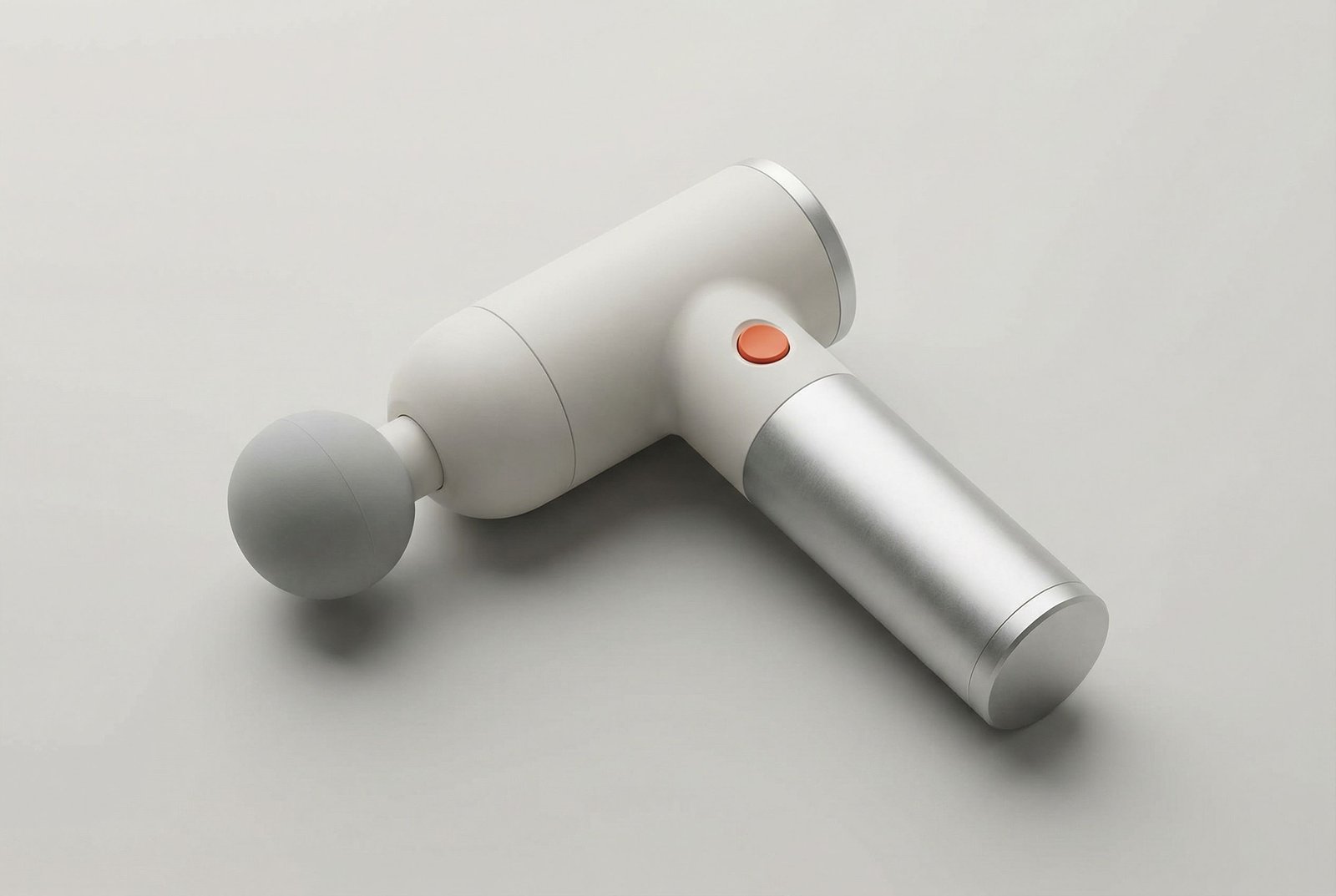
Self-Care Toolkit
Daily Protocol OverviewSelf-Massage Techniques
Learning to calm your own trigger points can be a useful part of long-term management. Choose the right tool for the area and use enough pressure to feel productive, but not so much that the body braces against it.
Professional treatment may open the door, but your day-to-day self-care often determines whether the gains actually last.
Self-Care Techniques
Position and Form GuidePressure Guidelines
Usually too light to change much unless the area is very sensitive
Usually the most useful range — firm but tolerable
Often too intense and likely to make the area guard
A useful rule is to stay in the range where the area feels achy or productive but not sharply threatened. Pressure usually works best when the tissue gradually softens rather than fights back. Avoid pressing directly on bone, spine, or places that trigger nerve-like symptoms.
Heat & Cold Therapy
Heat and cold can both be useful, but they are usually helpful for different reasons. A simple rule is: use heat when stiffness dominates, and consider cold when irritation or post-activity sensitivity is the main issue.
Heat Therapy
Benefits
- •May improve comfort in stiff or guarded muscles
- •Can make stretching or self-massage feel easier
- •Often helpful with chronic dull aching pain
- •Useful when the area feels tight rather than inflamed
Practical Tips
- Moist heat is often more comfortable than dry heat
- A warm shower or bath can work well before a self-care session
- Avoid heat over clearly swollen or acutely inflamed areas
- Use a barrier between the heat source and the skin
Use Heat When...
- • Muscles feel stiff or guarded
- • You are preparing to stretch or move
- • The pain is dull, chronic, and non-swollen
- • Morning stiffness is a major problem
Use Cold When...
- • A flare-up feels sharp or highly irritated
- • The area feels more inflamed after activity or self-treatment
- • There is visible swelling
- • A recent acute strain or overload is suspected
Stretching & Mobility
Stretching is often most useful after the tissue has been calmed slightly by heat, movement, or self-release. The goal is not extreme flexibility — it is restoring comfortable length and movement.
Stretching rules: Hold each stretch gently, breathe slowly, and stop well short of sharp pain. In most cases, 2-3 repetitions per side is enough. Stretching should feel like controlled lengthening, not like forcing the body into position.
Upper Trapezius
Tilt your ear toward your shoulder and gently assist with your hand if needed. Hold in a comfortable range.
Keep the opposite shoulder relaxed rather than hiking it upward.
Levator Scapulae
Turn your head slightly and look down toward your armpit, then gently assist if needed.
You should feel the stretch more on the back-side of the neck than on the front.
Pectorals (Chest)
Use a doorway or wall-assisted chest stretch with the arm supported at a comfortable angle.
Different arm heights change which fibers are emphasized.
Piriformis
Use a figure-4 type stretch in lying or sitting, keeping the movement gentle.
If it triggers nerve-like leg pain, reduce range or stop.
Hip Flexors (Iliopsoas)
Use a kneeling or standing lunge variation with a gentle pelvic tuck.
Light glute activation on the back leg side may help the stretch feel more focused.
Hamstrings
Use a chair-based or supine variation and hinge forward gently rather than rounding aggressively.
A straighter back usually feels better than forcing depth.
Post-Treatment Stretching Helps Consolidate Gains
After self-massage or trigger point work, gentle stretching can help the muscle move through a more comfortable range and may reduce the urge to tighten back up immediately.
Ergonomics & Posture
Posture is rarely the whole cause of trigger points, but everyday setup and repeated positions are often major perpetuating factors. Small changes repeated daily can matter a lot.
Desk Setup
- •Place the monitor near eye level
- •Keep elbows bent comfortably and wrists relatively neutral
- •Support the low back if the chair does not do it well
- •Keep frequently used items close enough to avoid constant reaching
- •Change position regularly instead of chasing one “perfect” posture
Standing Desk
- •Alternate between sitting and standing rather than standing all day
- •Use an anti-fatigue mat if standing for long periods
- •Keep the same shoulder and monitor-height principles as seated work
- •Wear supportive footwear if hard floors are involved
Phone & Tablet Posture
- •Bring the device closer to eye level when possible
- •Use support for tablets instead of holding them for long periods
- •Take short breaks from sustained neck flexion
- •Use brief posture resets rather than long aggressive corrections
Driving Position
- •Adjust the seat so the hips and knees feel supported
- •Use lumbar support if the seat does not support the low back well
- •Avoid long one-handed, asymmetric shoulder positions
- •Take movement breaks on longer drives when possible
Sleeping Position
- •Use pillow support to keep the neck and spine relatively aligned
- •Side sleepers may benefit from a pillow between the knees
- •Back sleepers may benefit from knee support if the low back feels strained
- •Avoid positions that repeatedly provoke symptoms
- •If you wake up stiff every day, your pillow or mattress setup may need attention
The 20-20-20 Rule
- •Every 20 minutes, change position or move briefly
- •Look away from the screen periodically to reduce visual strain
- •Pair breaks with a brief shoulder roll, walk, or posture reset
- •Use reminders until it becomes automatic
Lifestyle Modifications
Trigger points rarely exist in isolation. Sleep, stress, hydration, nutrition, and how you pace activity all affect whether muscles stay reactive or recover well.
Sleep Hygiene
Poor sleep is one of the strongest perpetuating factors in chronic myofascial pain because recovery, repair, and pain regulation all depend on sleep quality.
- •Keep a reasonably consistent sleep and wake time
- •Create a cool, dark, and quiet sleep environment when possible
- •Reduce screens close to bedtime if they keep you alert
- •Be mindful of late caffeine if sleep is poor
- •Use supportive pillows and positioning if pain interrupts sleep
Stress Management
Stress can increase muscle tension, breathing dysfunction, and pain sensitivity. For some patients, stress management is not optional — it is part of the musculoskeletal treatment.
- •Practice slow diaphragmatic breathing for a few minutes daily
- •Use progressive muscle relaxation if you tend to brace unconsciously
- •Try mindfulness, journaling, or another realistic calming practice
- •Identify patterns that repeatedly spike tension during the day
- •Use walking, stretching, or low-threat movement as stress relief when appropriate
Hydration & Nutrition
Hydration and nutrition are rarely magic fixes, but they do affect recovery, tissue health, and pain sensitivity over time.
- •Drink enough water regularly rather than only when already thirsty
- •Include magnesium-rich and nutrient-dense foods where practical
- •Favor a generally anti-inflammatory pattern over ultra-processed intake
- •Correct major nutritional deficiencies with proper guidance when relevant
- •Reduce excess alcohol and highly inflammatory eating patterns when they clearly worsen symptoms
Activity Pacing
Avoid the boom-bust cycle where you do too much on a better day and then flare for the next two. Pacing is one of the most important long-term skills in persistent pain.
- •Break physical tasks into manageable chunks
- •Use short rest breaks before symptoms spike, not only after
- •Increase activity gradually rather than jumping back to full load
- •Plan a mix of more active and more recovery-oriented days
- •Treat consistency as a success, not just intensity
Your Daily Self-Care Routine
Consistency matters more than intensity. A short routine done regularly usually works better than occasional long sessions.
Use light stretching, mobility, or heat if mornings are your stiffest time.
Take movement breaks, check your setup, and interrupt prolonged static posture.
Use short self-massage or release work on the most relevant areas, then follow with gentle stretching.
Use breathing or relaxation work to reduce muscle tension and help sleep quality.