§ 01

What Is Prolotherapy?

Prolotherapy Treatment

Prolotherapy Treatment

Overview Diagram

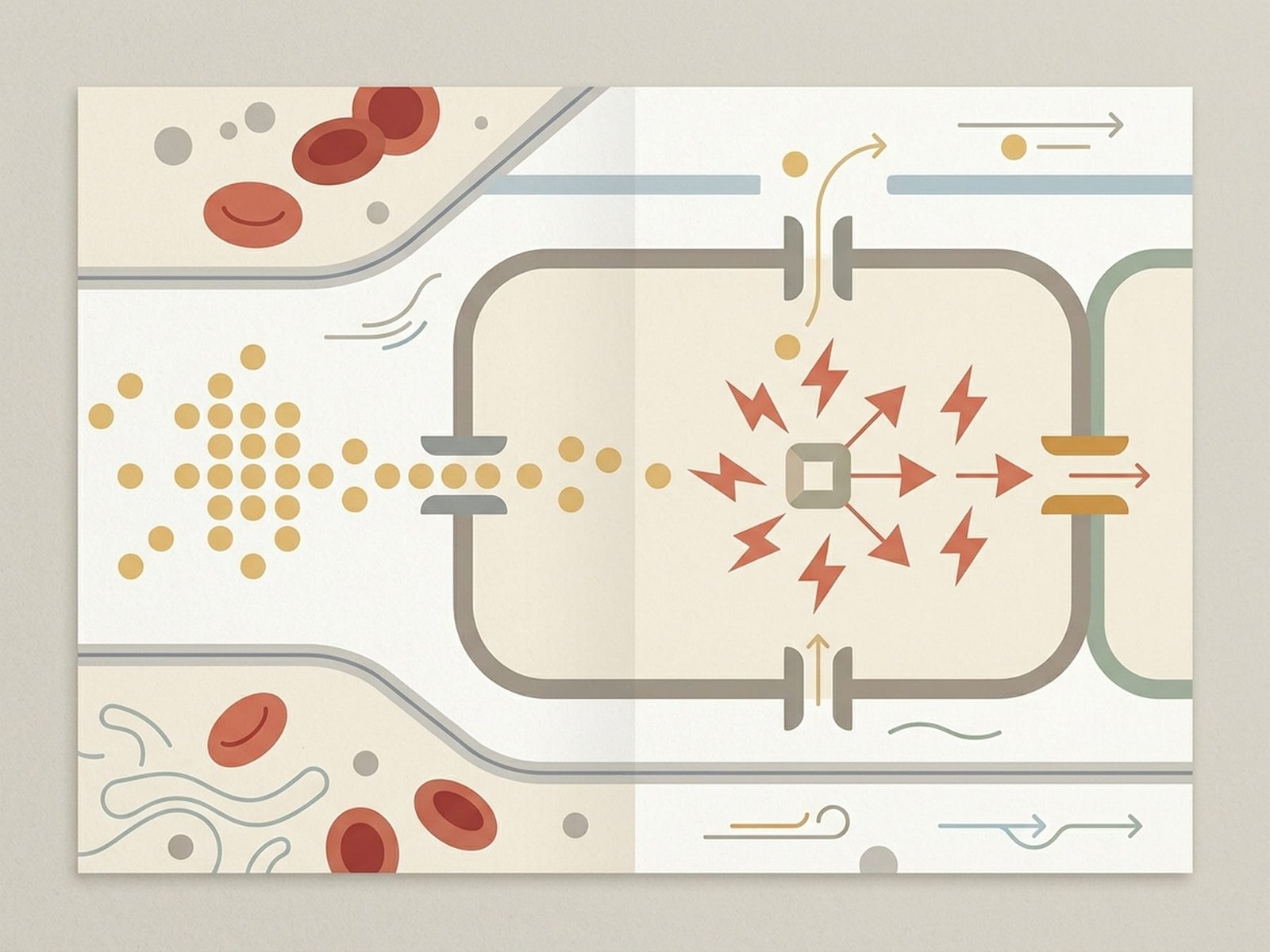
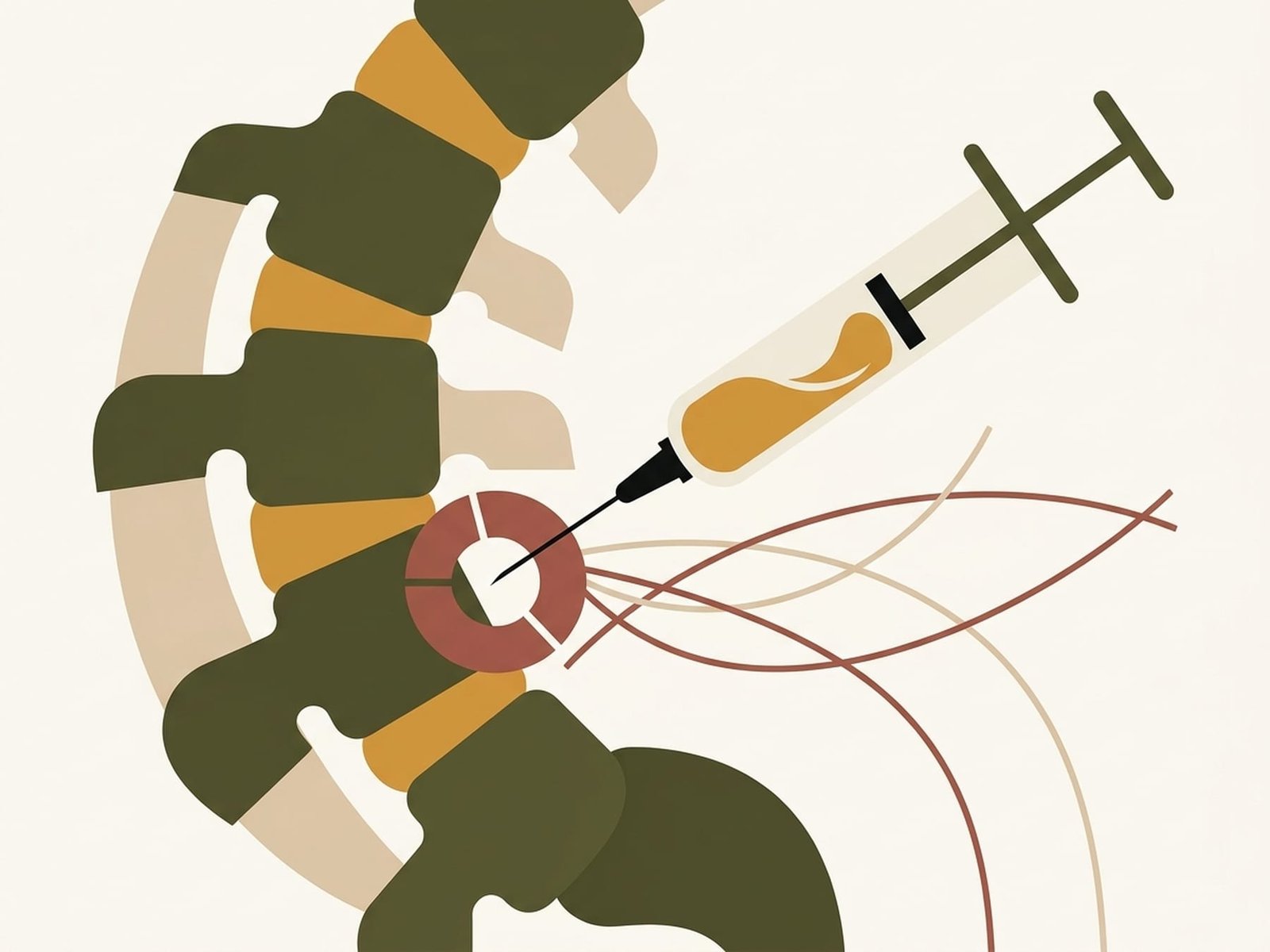
Prolotherapy is a regenerative injection technique in which a dextrose-based or other irritant solution is injected into selected ligaments, tendons, or related support structures with the intention of stimulating a localized healing response.

Historically, prolotherapy was developed around the idea that some chronic pain conditions persist because structurally stressed tissues never completed an adequate healing process. The treatment attempts to re-stimulate that process.

Prolotherapy is best understood as a regenerative injection strategy for selected structural pain problems — not as a routine first-line trigger point treatment.

It is important to distinguish prolotherapy from platelet-rich plasma (PRP) therapy. Both are used as regenerative approaches, but they rely on different biological strategies. Prolotherapy aims to stimulate a repair response indirectly through local irritation, whereas PRP delivers platelet-derived biologic material directly. indirectly directly In practice, prolotherapy is usually less expensive than PRP and is often considered when structural support tissues are the main target.

The clinical logic of prolotherapy is strongest when the pain problem involves ligamentous laxity, enthesis-related overload, or chronic tendon dysfunction that may be perpetuating myofascial pain secondarily.

§ 02

Mechanisms of Action

Mechanisms of Action

Mechanisms of Action

Mechanism Diagram

Controlled Local Tissue Irritation

Prolotherapy is based on the idea that a carefully placed irritant solution can trigger a localized healing response in tissue that has not repaired adequately on its own.

Inflammatory Cascade Activation

The intended therapeutic effect is not simple numbing. The goal is to provoke a controlled healing cascade that recruits repair-related cells and signaling molecules to the treated region.

Growth-Factor Signaling

As part of the local healing response, growth-factor signaling may increase and help drive tissue remodeling. In patient education, this should be described as a regenerative rationale rather than as a guaranteed tissue-repair outcome.

Fibroblast Activity and Collagen Remodeling

One reason prolotherapy is discussed in ligament and tendon problems is the hope that it may stimulate fibroblast activity and support collagen repair over time.

Support for Ligament and Tendon Strengthening

The treatment is most often discussed when structural support tissues — such as ligaments, tendon insertions, or unstable soft-tissue interfaces — are thought to be part of the pain problem.

Possible Neuromodulatory Effects

Some prolotherapy-related approaches also discuss possible effects on local nerve irritability and pain sensitivity, although this should be framed cautiously and not as a settled universal mechanism.
§ 03

Prolotherapy Solutions

Dextrose Solution Mechanism of Action

Dextrose Solution Mechanism of Action

Hypertonic Dextrose

Current Standard
MechanismCommonly used to trigger a controlled healing response in targeted tissue
ConcentrationProtocol-dependent
Safety ProfileGenerally regarded as a relatively simple and familiar injectate when used by trained clinicians in appropriate settings
CostUsually lower than platelet-rich plasma

P2G (Phenol-Glucose-Glycerine)

Historical
MechanismHistorically used irritant-based prolotherapy solution
ConcentrationHistorical / protocol-dependent
Safety ProfileLess favored today because of a more complicated safety profile
CostVariable

Sodium Morrhuate

Rarely Used
MechanismOlder irritant solution used in historical prolotherapy practice
ConcentrationHistorical / protocol-dependent
Safety ProfileNow much less commonly discussed because of adverse-reaction concerns
CostVariable
§ 04

Injection Technique

Prolotherapy Injection Technique

Prolotherapy Injection Technique

Clinical Assessment and Target Selection

The clinician first determines whether the pain pattern is actually a good fit for prolotherapy. The strongest rationale is usually when ligamentous laxity, joint instability, or chronic tendon-related overload appears to be part of the problem.

Guidance Method Selection

Some clinicians use palpation-based anatomical guidance while others use ultrasound guidance. The key patient-facing point is that the treatment should be targeted accurately and performed by someone appropriately trained.

Multi-Site Regional Treatment

Prolotherapy is often discussed as a multi-site treatment because the structural problem may involve several related attachment points rather than one single spot.

Clinician-Performed Injection Procedure

The injection itself is a medical procedure and should not be described as self-care. It is performed by a qualified clinician using a protocol suited to the tissue and anatomical region.

Solution and Session Planning

The exact solution, session structure, and spacing depend on the tissue being treated, the diagnostic rationale, and the treating clinician’s method.

Follow-Up and Reassessment

Response is assessed over time rather than judged only by the first few days after treatment. The clinician uses changes in pain, function, and mechanical tolerance to decide what comes next.

Protocol-dependent

Needle Gauge

Protocol-dependent

Volume per Site

Protocol-dependent

Concentration

Clinician-Directed

Technique
§ 05

Clinical Evidence for Myofascial Pain

Moderate EvidenceStrongest in selected structural pain conditions

The evidence base for prolotherapy is strongest in certain ligament, tendon, and osteoarthritis-related conditions. The evidence for uncomplicated myofascial trigger points alone is more limited.

Dextrose-based nerve-focused injections and trigger point applications are related but conceptually distinct extensions of the broader prolotherapy conversation.

Trigger point–directed dextrose injections have been compared with lidocaine-based trigger point injection in smaller studies. These results suggest a possible role in selected cases, but they do not make prolotherapy the default first choice for routine trigger point care.

Rabago et al.

Randomized Controlled TrialsHelped establish prolotherapy as a reasonable option in selected knee osteoarthritis and chronic musculoskeletal pain settings.

Hauser et al.

Narrative / Systematic ReviewReview-level literature has discussed prolotherapy across tendinopathy, osteoarthritis, and instability-related pain conditions. Readers should note that some of this body of work originates from prolotherapy-specialty groups, so individual study quality and the risk of optimistic framing should be weighed alongside independent reviews.

Lyftogt

Perineural Dextrose LiteratureExpanded the broader conversation around dextrose injection therapy by emphasizing possible nerve-related pain applications, though this is conceptually distinct from classic ligament-focused prolotherapy.

Reeves & Hassanein

Randomized Controlled TrialEarlier double-blind placebo-controlled trials reported reduced pain and improved function with dextrose prolotherapy in selected knee osteoarthritis, ACL laxity, and small finger joint contexts. These remain frequently cited foundational studies, though sample sizes were small.

Sit et al.

Systematic Review and RCTA 2016 systematic review and meta-analysis and a 2020 RCT in Annals of Family Medicine reported benefit from intra-articular hypertonic dextrose for symptomatic knee osteoarthritis, while emphasizing that effect size and durability vary by protocol and population.
§ 06

Prolotherapy vs Other Interventions

Feature
ProlotherapyPRPTrigger Point InjectionDry NeedlingBOTOX

Primary Mechanism

Controlled regenerative irritation and healing response
Biologic growth-factor concentrate from autologous blood
Mechanical needle effect plus anesthetic symptom relief
Mechanical trigger point disruption without injectate
Neuromuscular blockade and reduced muscle overactivity

Injectate

Most commonly dextrose-based solution
Autologous platelet concentrate
Local anesthetic, saline, or similar injectate
No injectate
Botulinum toxin

Typical Course

Usually delivered as a short series over time
Usually one or a few sessions depending on the target
Often episodic or repeated as clinically needed
Often performed over multiple sessions
Usually intermittent repeat treatment depending on indication

Onset of Relief

Often gradual
Usually gradual
Often faster symptom relief
Variable, often short-term onset
Delayed onset compared with anesthetic injections

Duration of Effect

Potentially longer if structural healing is meaningful
Variable, often medium- to longer-term
Often shorter-term
Often shorter-term unless integrated with rehab
Usually medium-term

Approximate Cost

Often lower than PRP, but still usually out-of-pocket
Often high and out-of-pocket
Usually lower-cost and more established
Variable
Usually higher-cost

Evidence Level

Moderate in selected structural pain conditions
Emerging / condition-specific
Well-established for routine trigger point care
Moderate and growing
Mixed by indication

Best Use Case

Instability, laxity, or structural support problems
Selected refractory tissue-repair cases
Acute or subacute trigger point relief
Classic taut-band trigger point treatment
Selected refractory muscle-overactivity or spasm patterns
The Prolotherapy Healing Rationale
Local Irritation

The injectate is intended to create a controlled local healing stimulus.

Repair Signaling

The resulting healing response may recruit cells involved in tissue repair.

Collagen Remodeling

Over time, this may support stronger or more organized connective tissue.

Structural Support Goal

The main therapeutic target is often ligament or tendon support rather than symptom suppression alone.

§ 07

Treatment Protocol & Timeline

Prolotherapy Treatment Protocol Timeline
Prolotherapy Treatment Protocol Timeline

Treatment Protocol & Timeline

Treatment Protocol & Timeline

Step-by-Step Illustration

Prolotherapy is usually approached as a progressive treatment series rather than a one-time pain-relief procedure. Unlike trigger point injections , its intended effect is gradual tissue change rather than immediate anesthetic relief.

Initial Assessment

Starting pointThe first step is deciding whether prolotherapy is actually indicated. The treatment makes the most sense when the clinician believes structural support tissue is part of the problem, not when the pain is simply an isolated trigger point without instability or tendon involvement.

Early Treatment Phase

Early sessionsSessions are typically spaced over time to allow tissue response and reassessment rather than repeated too rapidly. The exact schedule depends on tissue type, region, and protocol.

Collagen Remodeling Phase

Weeks to monthsStructural improvement, if it occurs, is expected gradually. This is why prolotherapy should not be sold as a same-day pain fix.

Completion & Reassessment

End of treatment courseAt the end of the series, the clinician reassesses pain, function, and whether the original instability or tendon-related problem now appears better controlled.

Early phase

Early Healing Response

Weeks to months

Remodeling Phase

Short series

Typical Treatment Course
§ 08

When to Choose Prolotherapy

Prolotherapy is not usually the first choice for a simple, isolated trigger point presentation. Its value is highest when a structural instability, ligament problem, or chronic tendon issue appears to be driving recurrent myofascial pain.

Coexisting Ligamentous Laxity or Joint Instability

This is one of the clearest reasons to consider prolotherapy. When trigger points appear to be secondary to poor structural support, treating the instability may make the myofascial pain more manageable long-term.

Hypermobility Syndromes or Recurrent Instability Patterns

Some patients with generalized laxity develop recurring myofascial pain because muscles are chronically overworking to stabilize loose joints. Prolotherapy may be discussed in selected cases when that instability is clinically meaningful.

Chronic Tendinopathy with Myofascial Overlap

When tendon overload and trigger point pain coexist, prolotherapy may be considered because it targets the structural tendon/enthesis side of the problem rather than only the symptomatic muscle side.

Cost-Conscious Alternative to PRP

For some patients, prolotherapy is considered a more affordable regenerative-injection option than PRP, particularly when the clinical target is ligament or tendon support rather than platelet-derived biologic therapy specifically.

Cases Unresponsive to Simple Trigger Point Injection

When routine trigger point treatments repeatedly help only briefly, the clinician may need to ask whether an underlying instability or structural overload problem is keeping the trigger point cycle alive.
Quick Decision Guide

Isolated trigger points, no instability

  • Usually start with trigger point injection or dry needling
  • Trigger points + ligamentous laxity → Prolotherapy becomes more relevant
  • Refractory trigger points after standard care → Evaluate whether instability or tendon overload is perpetuating the pain PRP
  • Hypermobility + recurrent pain patterns → Structural support may be part of the treatment logic
  • Cost matters relative to PRP → Prolotherapy is often the lower-cost regenerative option
§ 09

Safety & Complications

Dextrose prolotherapy is often described as having a favorable overall safety profile when performed by trained clinicians, but it still carries the normal risks of an invasive injection procedure.

Key Takeaways
  1. Prolotherapy is a regenerative injection therapy built around the idea of provoking a controlled healing response in structurally stressed tissue.

  2. Its best-supported role is in selected ligament, tendon, and instability-related pain conditions rather than in ordinary uncomplicated trigger points.

  3. It is most worth considering when a structural problem appears to be perpetuating recurrent myofascial pain.

  4. Prolotherapy is distinct from PRP: both are regenerative in intent, but they work through different biologic strategies.

  5. Response is typically gradual, not immediate, and treatment usually involves a short series rather than a single injection.

  6. Safety and procedural judgment matter because this is an invasive clinician-performed treatment, not a self-care technique.

Bottom line:Prolotherapy makes the most clinical sense when the core problem is not just pain, but a structural support issue that keeps the pain coming back. It is a selective regenerative option, not a routine first-line injection for every trigger point pattern.