Understanding Post-Viral Myofascial Pain
Post-Viral MPS
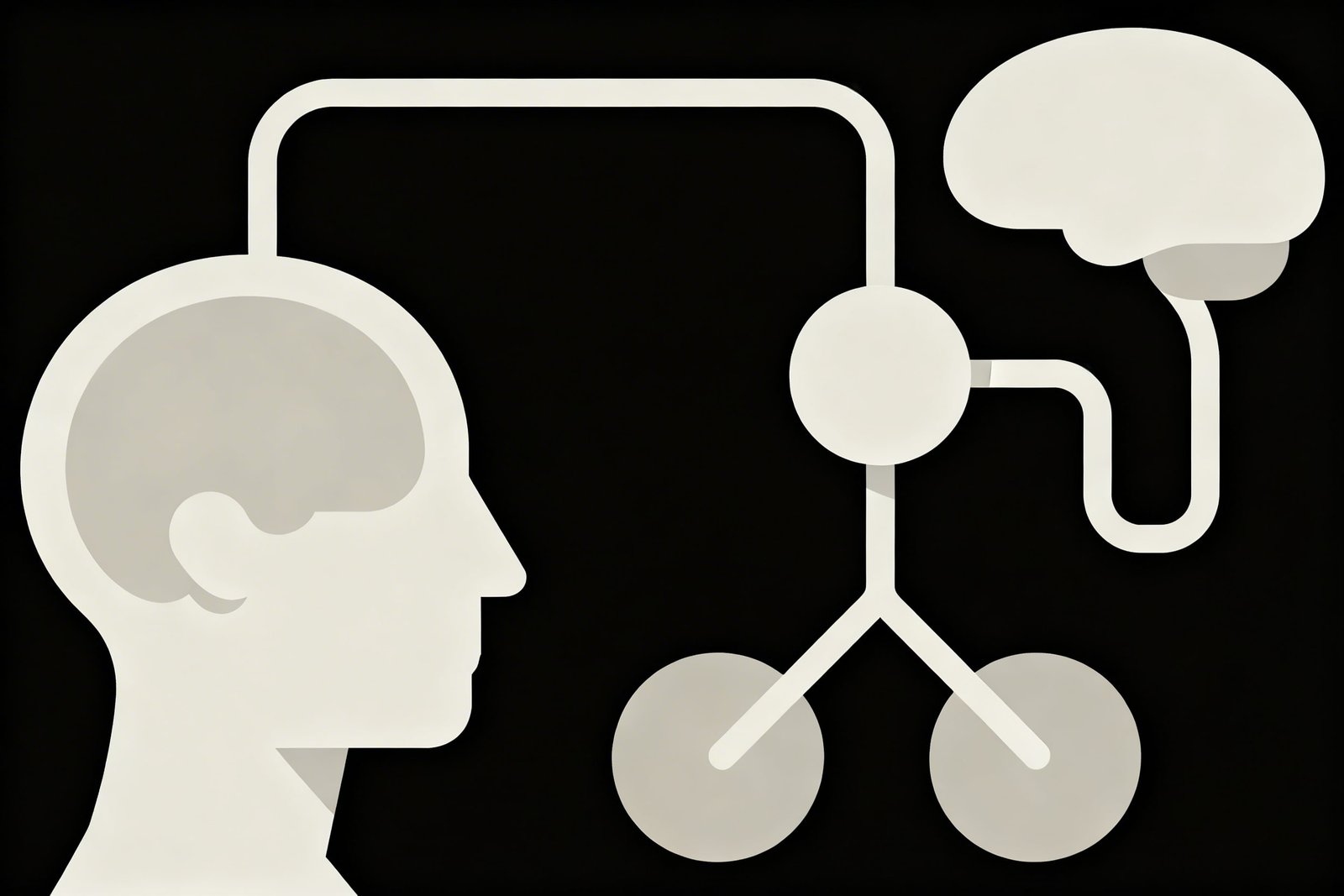
Mechanism and Affected Regions OverviewPost-viral myofascial pain refers to the persistence of trigger point–like pain, muscle guarding, and widespread tissue irritability after an acute viral illness has resolved.
The mechanisms are usually layered: illness-related inflammation, bed rest or low activity, disrupted sleep, altered breathing patterns, and stress all push the system toward muscular overprotection and reduced recovery capacity.
Post-COVID presentations can be especially complex because breathing muscles, autonomic symptoms, chest-wall pain, fatigue, and central sensitization may all overlap.
A key clinical challenge is distinguishing post-viral MPS from broader Long COVID or ME-CFS overlap. Some patients mainly need graded rehabilitation; others mainly need strict pacing and delayed progression.
Inflammation
Illness-related inflammation can increase tissue sensitivity and reduce recovery capacity.
Bed Rest & Deconditioning
Prolonged rest changes load distribution and leaves common postural muscles vulnerable.
Sleep Disruption
Poor sleep makes trigger points and pain amplification more likely to persist.
Central & Autonomic Amplification
Neuroinflammation and dysautonomia can widen and intensify the pain experience.
Affected Muscle Groups
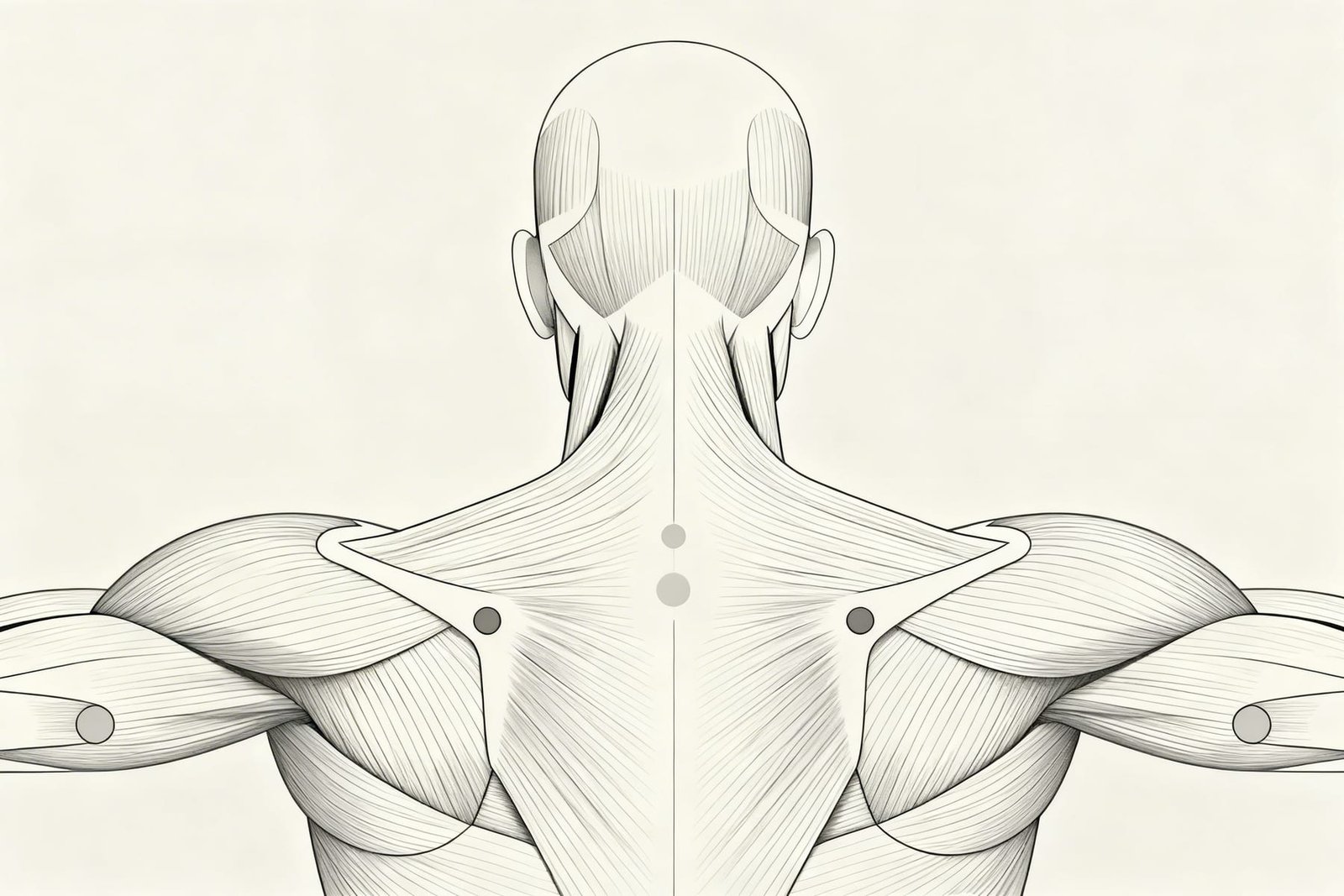
Post-viral myofascial pain often affects the muscle groups most stressed by rest, poor sleep, altered breathing, and deconditioning.
Post-Viral MPS
Key Affected Muscle GroupsNeck, shoulder, occipital, and interscapular pain are common after prolonged bed rest, prolonged sitting, and fatigue-related forward-head posture during or after illness.
Extended time in bed or prolonged sitting can leave the hip flexors shortened and irritable, contributing to low-back, groin, and upright-standing discomfort during recovery.
After respiratory illness, chest-wall muscles may remain guarded or overworked, contributing to chest tightness, rib discomfort, or a sense of breathing effort even when major cardiopulmonary pathology has been excluded.
Poor sleep, jaw clenching, and post-illness stress may contribute to temporal headaches, jaw pain, and facial tension during recovery.
Reduced walking, bed rest, and lower activity tolerance can contribute to lateral hip, buttock, and pseudo-sciatic pain patterns in the recovery phase.
Referral Patterns
Post-viral pain often feels more diffuse, variable, and whole-body than classic single-region trigger point pain. This does not make it less real — it reflects the broader systemic context.
Respiratory muscles, jaw muscles, cervical muscles, and hip stabilizers are especially common contributors during recovery because they are strongly affected by illness behavior and deconditioning.
Post-viral myofascial pain often becomes chronic not because it is untreatable, but because it is progressed too quickly or misread as “just fatigue.”
Breathing Muscles
Delayed Worsening
Pacing
Self-Assessment Tests
Assessment should prioritize delayed-response patterns, autonomic symptoms, and cognitive fatigue before making assumptions about how fast the patient can progress.
Post-Exertional Malaise Screen
Autonomic Symptom Review
Trigger Point Distribution Mapping
Cognitive Load Assessment
Treatment Pathways
Treatment works best when it begins conservatively and is guided by what happens later — not just by how the patient feels during the session itself.
Post-Viral MPS
Treatment Pathway DiagramPacing & Energy Management
Pacing is often the single most important principle in post-viral recovery. The goal is to avoid repeated crashes while slowly rebuilding a stable baseline.
- Use symptom-guided pacing rather than pushing through fatigue
- Track how you feel later the same day and the day after activity
- Avoid boom-bust cycles where one good day leads to several bad days
- Build consistency before trying to build intensity
- Progress only after a stable baseline is present
Gentle Myofascial Release
Manual treatment often needs to be gentler in post-viral patients than in standard myofascial presentations. The aim is symptom calming, not aggressive tissue challenge.
- Use lower-intensity manual treatment in high-irritability phases
- Avoid techniques that leave the patient markedly more fatigued afterward
- Prefer warmth, comfort, and gradual release over forceful treatment
- Treat breathing muscles and postural muscles thoughtfully when relevant
- Use post-treatment response to guide the next session’s dosage
Autonomic & Sleep Support
Sleep disruption and autonomic instability can keep post-viral myofascial pain active. Recovery often depends as much on these factors as on the trigger points themselves.
- Prioritize sleep quality and regular sleep schedule
- Use breathing work and downregulation strategies to reduce hyperarousal
- Address orthostatic symptoms and hydration issues with appropriate medical guidance
- Reduce cognitive overload when brain fog is significant
- Consider broader medical review when autonomic symptoms are prominent
Progressive Rehabilitation
Rehabilitation should begin only from a stable enough baseline. The mistake is not “doing too little” — it is usually progressing before the system is ready.
- Start with very low-load movement and short sessions
- Use range of motion and gentle activation before formal conditioning
- Increase activity only when recovery between sessions is acceptable
- Reduce or pause progression if delayed worsening becomes clear
- Use water-based or gravity-reduced exercise when standard loading is poorly tolerated
Red Flags — When to See a Doctor
Some post-viral symptoms reflect cardiopulmonary, neurological, or autonomic complications rather than straightforward myofascial pain. Those features need medical review first.
Post-viral myofascial pain is a real and clinically useful concept, especially when inflammation, bed rest, sleep disruption, and stress interact to keep muscles irritable.
The biggest mistake is pushing recovery faster than the system can tolerate.
Breathing muscles, postural muscles, hip flexors, and deconditioned gluteal muscles are common post-viral targets.
The overlap with autonomic dysfunction, Long COVID, and ME-CFS features makes pacing and staging essential.
Recovery often improves when treatment is gentle, consistent, and guided by delayed response rather than by motivation alone.