How Surgery Can Create Myofascial Pain
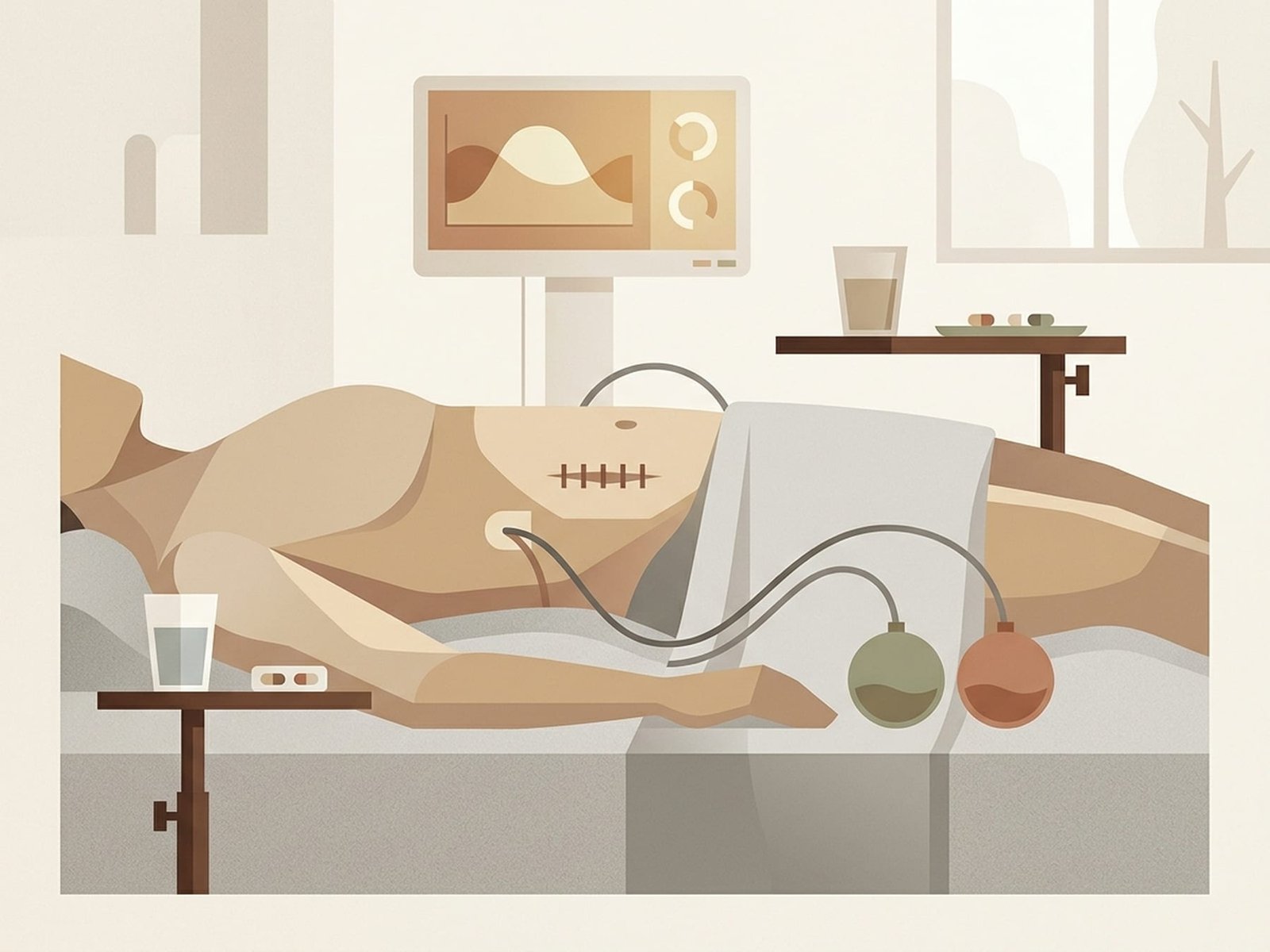
Post-Surgical Scar Myofascial Recovery
Every surgery affects tissues beyond the incision alone. Muscles may be cut, retracted, guarded, inhibited, or overloaded during recovery, and all of these can contribute to later myofascial pain patterns.
One reason post-surgical myofascial pain is missed is that symptoms may appear after the wound has healed and after the “main recovery” phase seems complete. Patients may assume the surgery failed, when the more accurate explanation is often that a secondary pain generator developed during recovery.
A useful framework is to think about three layers: the local surgical site, the guarding pattern adopted during healing, and the compensation chain that develops when movement stays altered for too long.
This does not mean all persistent post-surgical pain is myofascial. It means myofascial pain should remain on the differential when structural healing looks acceptable but function and pain do not fully recover.
Surgery Types & Typical Trigger Point Patterns
Different surgeries create different compensation patterns, but the general principle is similar: local tissue change leads to guarding, guarding changes movement, and changed movement can create trigger points elsewhere.
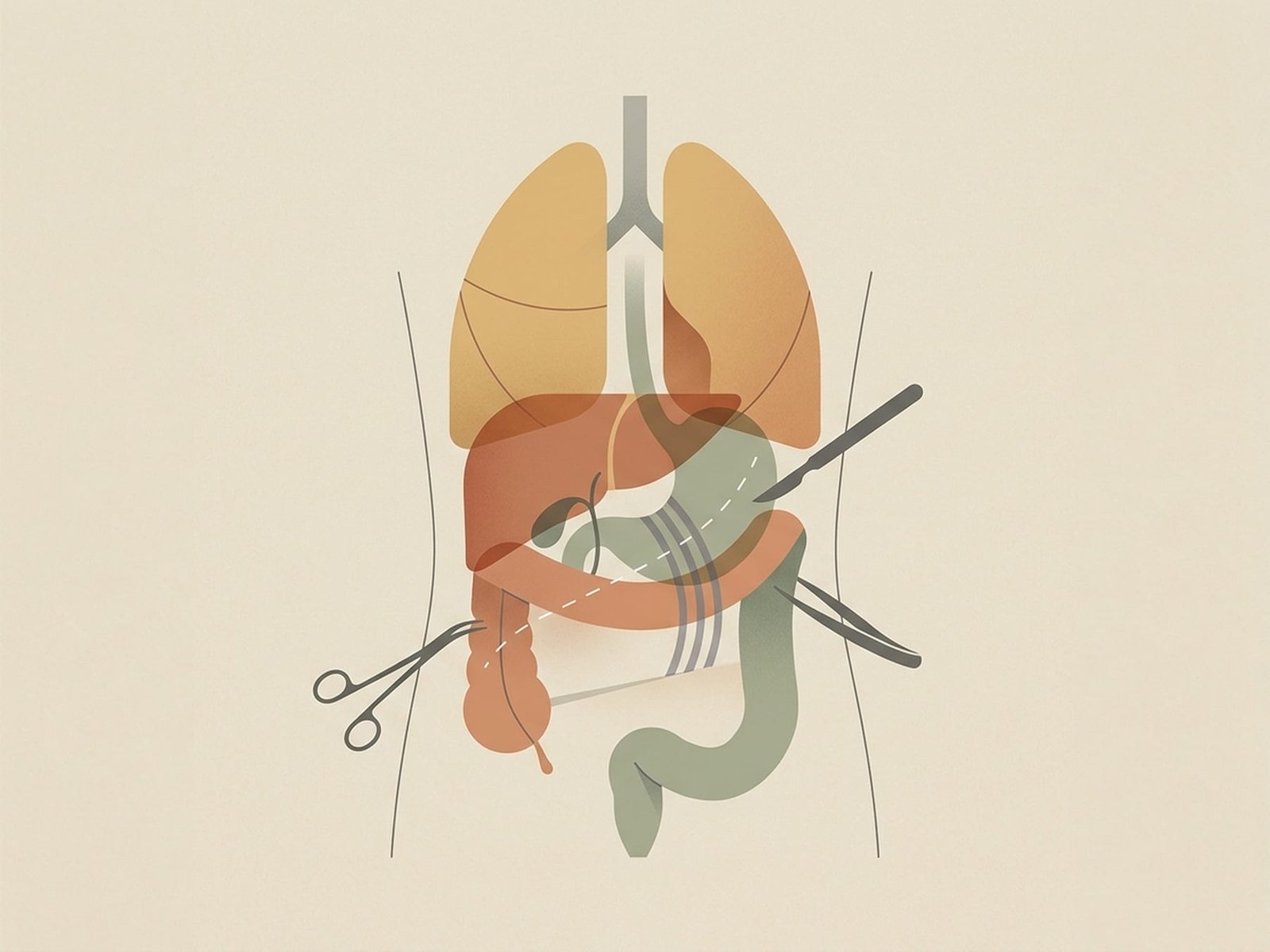
Post-Surgical Trigger Point Development Diagram
Breast Surgery (Mastectomy / Lumpectomy)
Cesarean Section & Abdominal Surgeries
Knee & Hip Replacement
Spinal Surgery (Fusion, Laminectomy)
Recognizing Post-Surgical Trigger Points
Post-surgical trigger points often show up not only near the incision, but also in muscles that had to protect, compensate, or take over during recovery.
This is why patients sometimes feel pain that seems “away from the scar” — the primary driver may now be muscular or fascial rather than surgical tissue failure.
Sometimes the surgery addressed the original structural problem, but the recovery process created a new myofascial problem that was never identified.
Delayed
Adjacent Muscles
Compensation Chain
- 01Early Healing
Protect the wound and follow surgical guidance; focus on safe movement and symptom monitoring.
- 02Early Mobilization
Once medically cleared, begin gentle scar and movement work as appropriate.
- 03Active Rehabilitation
Address trigger points, compensation, strength, and movement confidence progressively.
- 04Long-Term Recovery
Build durable function and reduce recurrence through continued rehabilitation and self-management.
Assessment Approach
Post-surgical assessment should include the scar, the surrounding muscles, the compensation pattern, and the movements that were most restricted during recovery.
Scar Mobility Assessment
Multi-Directional Scar Tissue Evaluation
Guarding Pattern Recognition
Protective Posture & Compensation Analysis
Adjacent Muscle Palpation
Perioperative Muscle Trigger Point Screening
Functional Movement Assessment
Post-Surgical Movement Deficit Evaluation
Treatment Pathways
Post-surgical myofascial pain often responds well when treatment is systematic and respects both the surgical healing phase and the current functional problem.
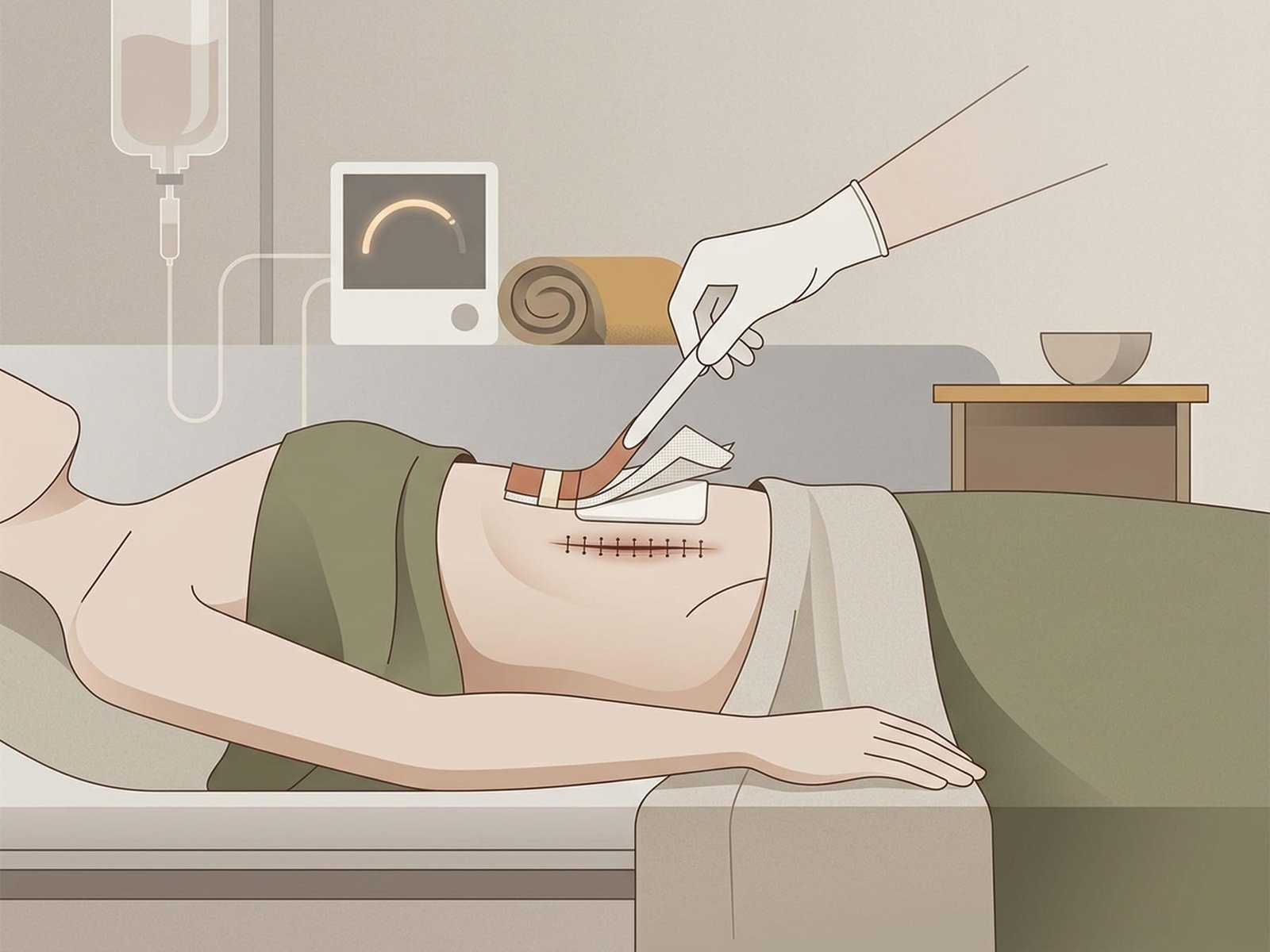
Scar Mobilization Post-Surgical Physiotherapy
Scar Tissue Mobilization
Once the incision is medically healed and the surgical team has cleared local handling, scar-focused work may help improve tissue glide and reduce local mechanical restriction.
- Gentle desensitization and touch progression
- Scar mobility work in tolerated directions
- Supportive silicone or other scar-management strategies when appropriate
- Progression guided by wound healing status and tissue tolerance
- Integration of scar work with movement restoration rather than scar work alone
Trigger Point Deactivation Adjacent to Surgery
Muscles near the surgery — or muscles that compensated during recovery — may develop trigger points and protective tension. These can be treated once the region is medically appropriate and clinically ready.
- Identify dominant trigger points around the post-surgical movement pattern
- Use manual techniques adjusted to tissue sensitivity and healing stage
- Consider needling or injection only when clearly indicated and appropriately timed
- Treat compensation muscles, not just the area closest to the scar
- Reassess function after treatment rather than relying on pain alone
Progressive Movement Restoration
Movement restoration is central. The aim is to reduce fear, restore range and coordination, and gradually return the patient to normal function without overloading healing tissues.
- Begin with safe, clinician-cleared range of motion work
- Progress gradually toward strength and function
- Use water-based exercise when load reduction is helpful
- Retrain walking, reaching, or task-specific movement patterns when needed
- Pair movement restoration with symptom monitoring and pacing
Psychological Support & Pain Education
Some post-surgical patients become fearful of movement or interpret all pain as proof of harm. Education and graded exposure can be important in helping them re-enter movement safely.
- Explain hurt-versus-harm concepts clearly and honestly
- Use graded activity exposure to reduce fear of movement
- Address catastrophizing or avoidance when present
- Set realistic expectations for a slower, layered recovery
- Include family or caregivers when they strongly shape recovery behavior
Red Flags: When to Return to Your Surgeon
Some post-surgical pain reflects a complication rather than a myofascial recovery issue. Those situations need medical reassessment first.
Key Takeaways
Post-surgical myofascial pain is common because surgery changes tissue, movement, guarding, and load distribution.
Persistent post-surgical pain does not automatically mean the surgery failed; it may mean a myofascial or movement-based component is now dominant.
Scar restriction, protective guarding, and compensation patterns are often as important as the incision itself.
Treatment is usually most effective when it combines scar management, trigger point treatment, movement restoration, and education.
Timing matters: post-surgical treatment should follow surgical healing status and clinician clearance rather than a one-size-fits-all calendar.