The Phenotype Classification Framework
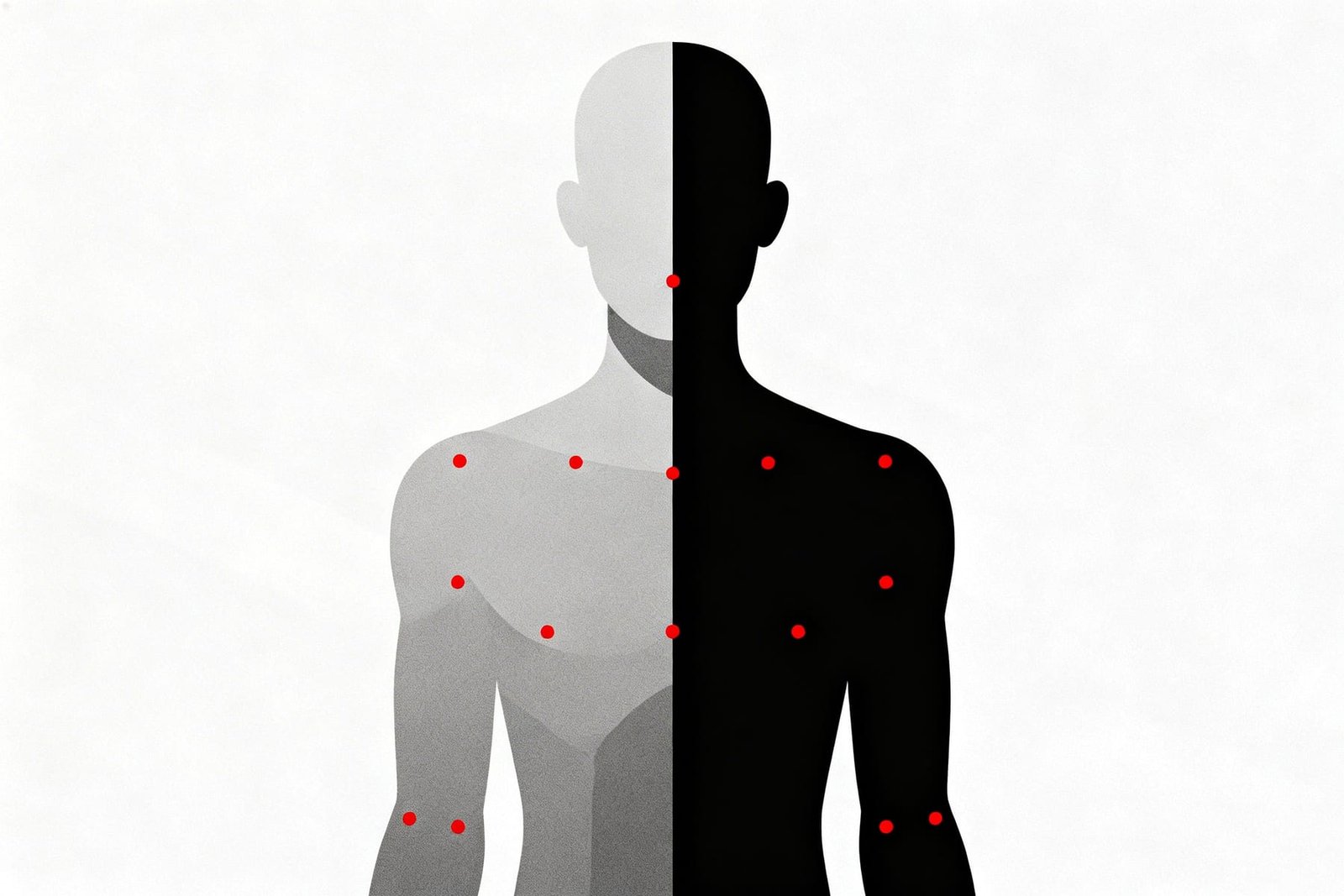
Phenotype M P S
Overview IllustrationNot all myofascial pain looks or behaves the same. Two patients can both have trigger points in the same region and still need very different treatment because the dominant mechanism driving their pain is different.
Not all myofascial pain is driven by the same mechanism. Classifying the dominant driver can make treatment more rational and more targeted.
A phenotype-based approach is useful because it shifts the question from “Where is the trigger point?” to “What is actually driving this trigger point pattern right now?” That often makes treatment more precise and more realistic.
Five Useful Myofascial Pain Phenotypes
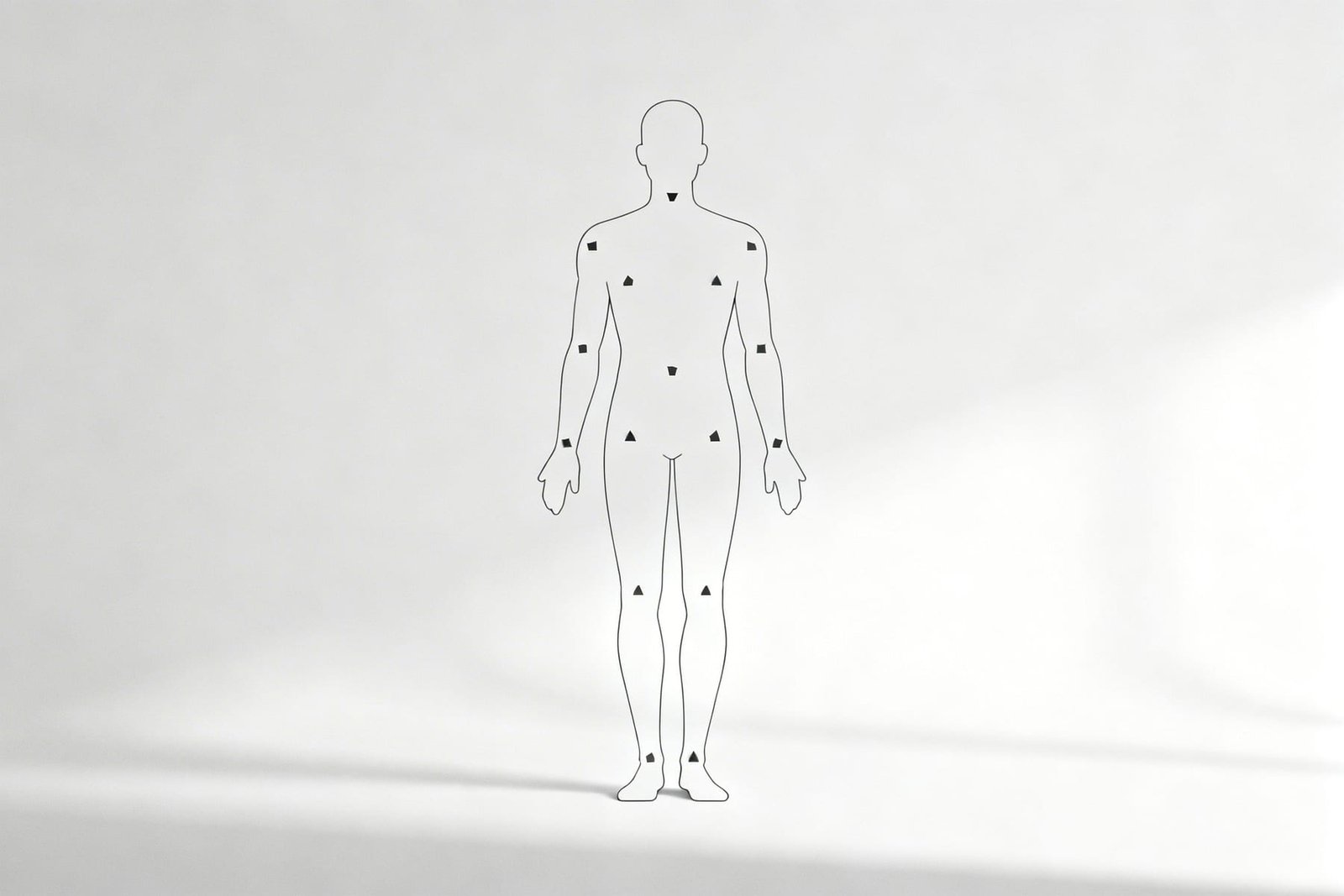
Myofascial Pain Phenotypes
Comparison Chart"Which Phenotype Fits Best?" Quick Guide
Use these screening questions to think about which phenotype may be most dominant. This is a rough guide, not a diagnostic tool. Many patients show features of more than one phenotype, and mixed presentations are common. dominant pain driver.
Can you point to one main painful spot or a fairly clear local pattern?
Does the pain burn, sting, tingle, or feel electrical?
Does light touch or repeated input feel exaggerated or overly threatening?
Does the area feel more restricted or “stuck” than sharply focal?
Does treatment help, but the same pain keeps returning?
Why This Classification Matters
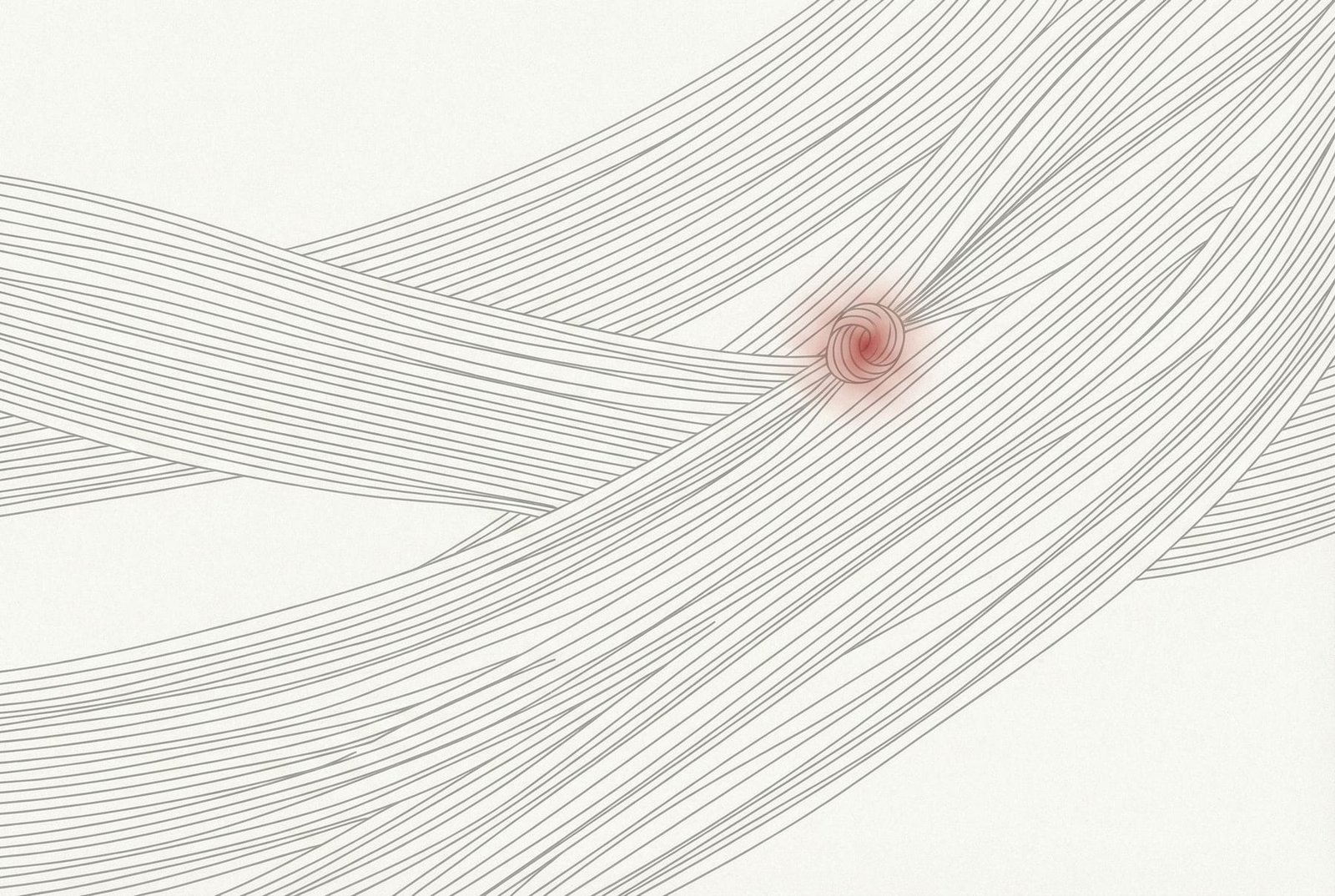
Why This Classification Matters
Mechanism DiagramThe One-Size-Fits-All Problem
One of the biggest reasons myofascial pain treatment feels inconsistent is that different pain mechanisms are often treated as though they are the same problem. A local trigger point, a sensitized nervous system, a nerve-related pain pattern, a fascial restriction, and a recurrence driven by overload may all need different priorities.
Misclassification Drives Treatment Frustration
When the dominant phenotype is missed, treatment often underperforms. The issue is not always that the chosen therapy is “wrong” in itself — it may simply be aimed at the wrong layer of the problem.
A Better Use of Clinical Reasoning
This framework can improve treatment planning by helping clinicians decide when to emphasize local treatment, nervous-system desensitization, nerve-focused care, fascial restoration, or correction of recurrent overload.
Related Treatment Pages
Local Mechanical Trigger Point
A more focal, classic trigger point presentation with relatively proportional local pain behavior.
Central Sensitization Dominant
A broader pain-amplification state in which local treatment alone is often not enough.
Peripheral Nerve Sensitization
A more clearly neuropathic pattern where the nerve pathway may matter as much as the muscle.
Fascial or Biomechanical Dominance
Patterns driven more by tissue restriction, recurrence, overload, instability, or compensation than by one simple local knot.