§ 01

What Is PENS?

P E N S Treatment

P E N S Treatment

Overview Diagram

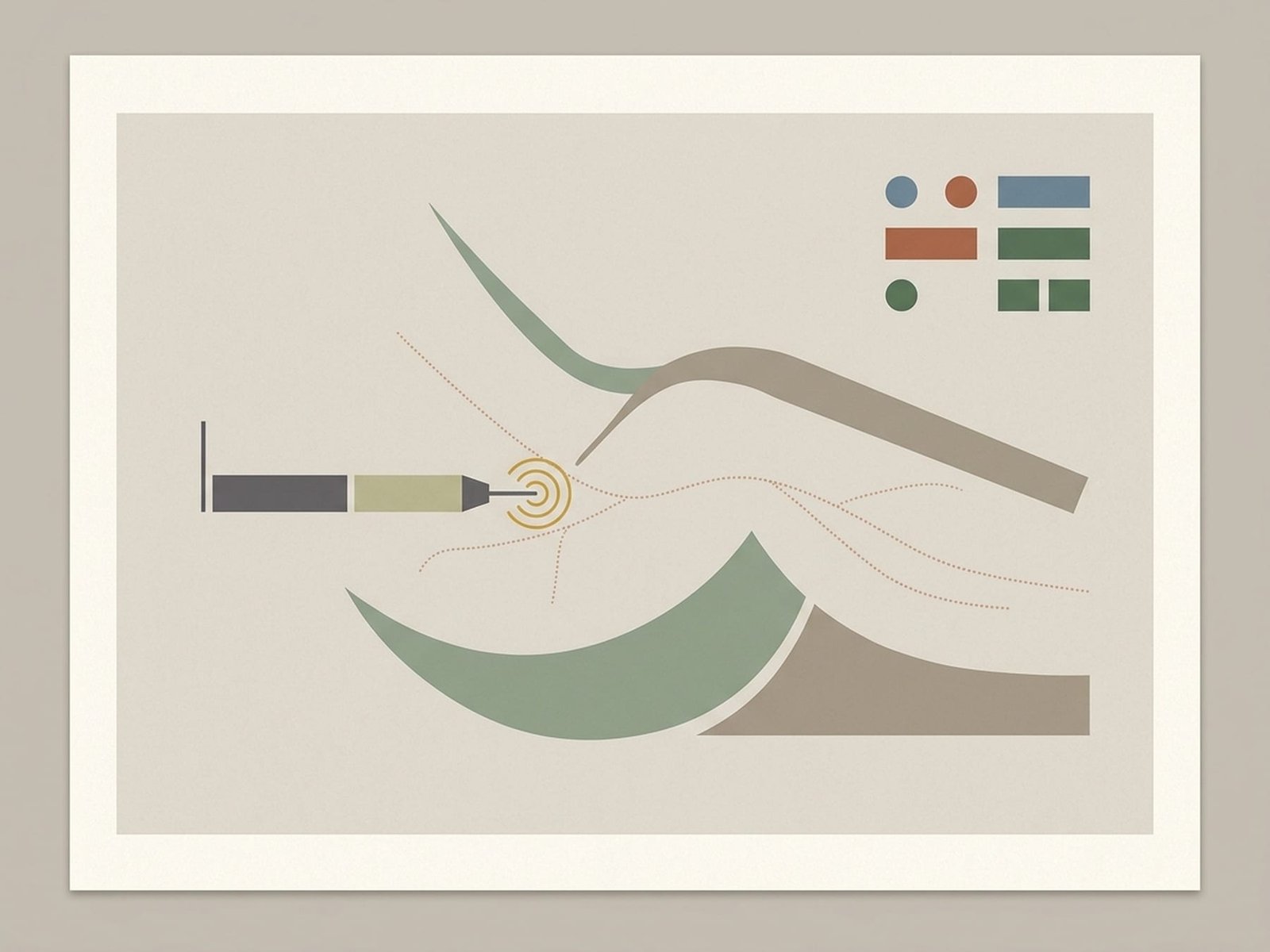
Percutaneous Electrical Nerve Stimulation (PENS) is a minimally invasive treatment that combines needling with electrical stimulation. It is used in some pain practices when a clinician wants a more direct neuromodulation effect than surface stimulation can provide.

PENS sits conceptually between TENS and more invasive implanted neuromodulation approaches. It remains an office-based clinician procedure, but it reaches deeper tissues through needle electrodes rather than surface pads.

PENS is best understood as a selective neuromodulation procedure for patients in whom deeper or more stubborn pain generators may matter.

Its main attraction is that the current is delivered closer to the target tissue than in TENS. That makes it a consideration when pain appears deeper, more persistent, or partly neural in character. It should still be framed as a selective tool rather than as a universal upgrade over every other treatment.

§ 02

Mechanism of Action

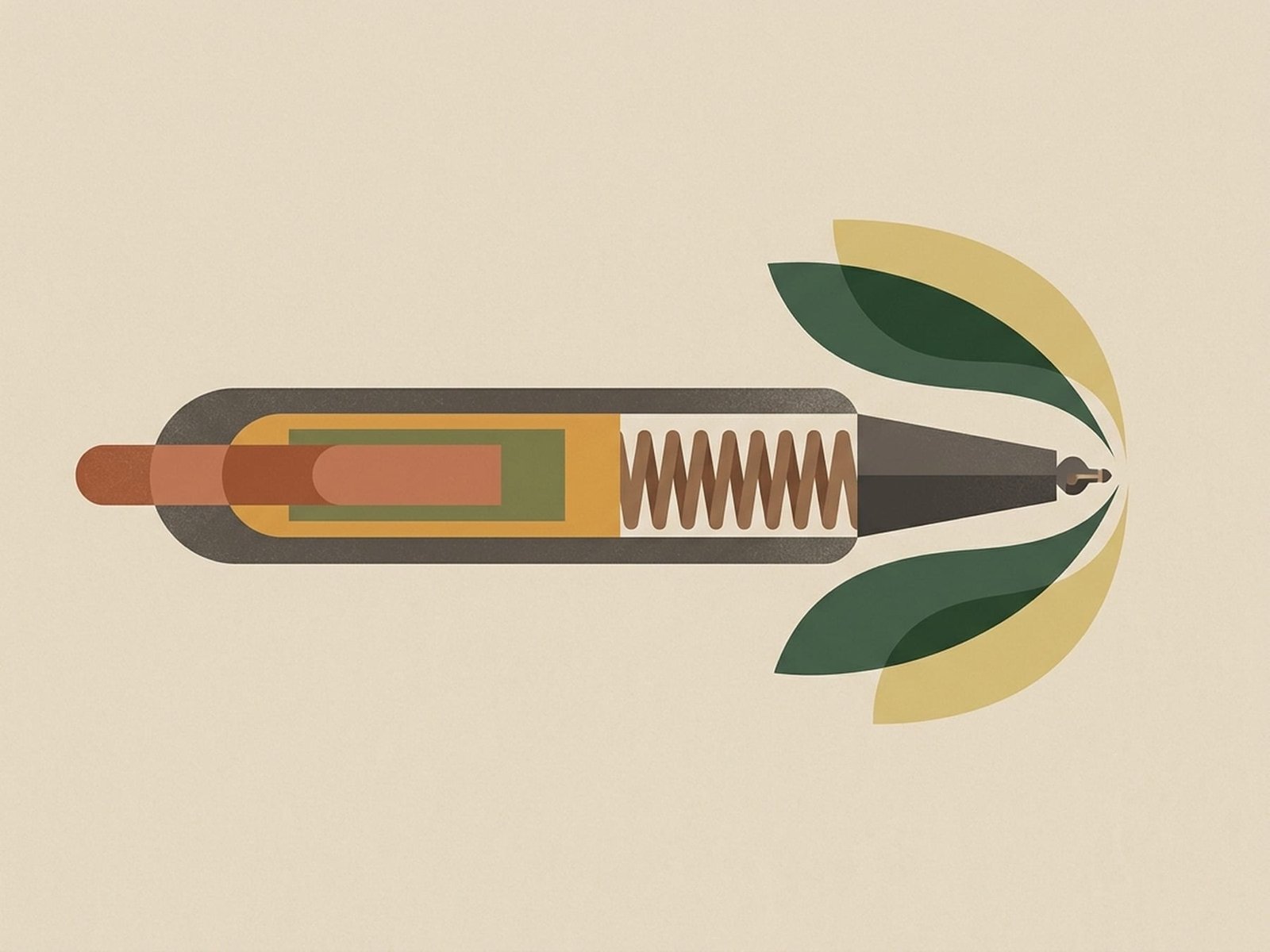
PENS is discussed through several pain-modulating mechanisms, including spinal modulation, endogenous analgesia, and local neural or myofascial effects. The overall clinical point is that it aims to change pain processing more directly than surface stimulation.
Mechanism of Action

Mechanism of Action

Mechanism Diagram

Direct Delivery to Deeper Tissue

PENS differs from surface stimulation because it uses needle electrodes to deliver current closer to the target tissue. This is one reason it is discussed for deeper or more stubborn pain patterns that are less responsive to surface methods.

Spinal Pain-Modulation Effects

Like other electro-analgesic techniques, PENS is discussed in terms of pain-gating and broader modulation of spinal pain processing. The practical point is that it may reduce how strongly pain signals are transmitted or perceived.

Endogenous Analgesic Activation

Electrical stimulation may recruit the body’s own pain-modulating systems, which is one reason patients sometimes report benefit beyond the treatment session itself. Exact neurotransmitter and receptor-level explanations should be viewed as plausible models rather than as a reason to oversell the therapy.

Segmental and Regional Neuromodulation

PENS is often used with the goal of influencing pain both locally and at the relevant spinal or peripheral nerve level. In practice, this makes it more of a neuromodulation procedure than a simple “muscle treatment.”

Potential Reduction in Local Irritability

When PENS is used around painful myofascial regions, one hoped-for effect is reduced local sensitivity and improved tolerance for movement or rehabilitation afterward.

Support for Local Circulatory and Tissue Effects

As with other needling-based treatments, PENS is sometimes discussed as helping local blood flow, tissue tolerance, and resolution of pain-maintaining irritability. These effects are reasonable to discuss, but should not be presented as guaranteed outcomes.

Possible Anti-Inflammatory Influence

Neuromodulation techniques are sometimes discussed as affecting inflammatory signaling indirectly. This is best framed as a possible contributory effect rather than the primary proven mechanism.

Potential Relevance in Central Sensitization

In selected chronic pain patients, PENS may be considered when peripheral pain has become part of a broader sensitized pain state. It should still be described as one tool within a multimodal plan rather than a stand-alone reversal strategy.
§ 03

PENS vs TENS vs Electroacupuncture

These modalities all use electrical stimulation, but they differ in invasiveness, target depth, and treatment framework.

Feature
PENSTENSElectroacupuncture

Electrode Type

Needle electrodes placed by a clinician
Surface electrodes placed on the skin
Acupuncture needles attached to electrical stimulation

Delivery Method

Percutaneous
Transcutaneous
Percutaneous

Target Depth

Designed for deeper targets than surface stimulation
Primarily superficial
Variable depending on point selection

Clinical Framework

Western pain medicine and neuromodulation
Surface electroanalgesia
Traditional acupuncture plus electrical stimulation

Invasiveness

Minimally invasive
Non-invasive
Minimally invasive

Best Use Case

Selected deeper or refractory pain states
Home-based or simple adjunctive pain modulation
Acupuncture-based electrical treatment in appropriate settings

Practical Limitation

Requires clinician skill and procedural setting
May not reach deeper pain generators effectively
Depends on practitioner training and treatment model

Role in Care

Selective interventional option
Simple adjunctive self-management tool
Needle-based adjunctive treatment option
§ 04

Treatment Parameters

PENS settings vary by protocol, clinician, and treatment goal. Patients need the broad concept and safety framework more than exact procedural numbers.

Needle Specifications

  • Needle Type — Fine clinician-placed needle electrodes
  • Depth — Determined by target tissue and anatomy
  • Number — Varies by treatment region and protocol
  • Setting — Procedure-specific and clinician-directed

Frequency Settings

  • Low Frequency — Sometimes used for slower rhythmic stimulation strategies
  • High Frequency — Sometimes used for stronger sensory modulation strategies
  • Alternating Protocols — Some clinicians use mixed-frequency programs
  • Selection Principle — Chosen based on treatment goal, tolerance, and device protocol

Stimulation Parameters

  • Intensity — Adjusted to patient tolerance by the clinician
  • Waveform — Device- and protocol-dependent
  • Session Style — Sensory or motor response may be used depending on the goal
  • Progression — Guided by response rather than a one-size-fits-all template

Treatment Protocol

  • Session Length — Typically a short clinic-based procedure
  • Treatment Series — Usually delivered as part of a short course rather than a one-time cure
  • Frequency — Clinician-directed
  • Follow-Up — Best paired with reassessment and broader rehabilitation
§ 05

Clinical Evidence

Moderate EvidenceSupportive evidence in selected chronic pain conditions

Ghoname et al. (1999)

Level I · JAMAA randomized crossover study comparing PENS to TENS and exercise for chronic low back pain reported greater short-term improvements in pain, physical activity, and sleep quality with PENS than with the comparators. It is one of the most-cited early reports supporting PENS for selected chronic low back pain.

Ghoname et al. (1999)

Level I · Anesthesia & AnalgesiaA trial examining how stimulus frequency affects PENS response in chronic low back pain. Often cited in discussions of protocol optimization and the possibility that different stimulation patterns produce meaningfully different patient responses.

Ghoname et al. (1999)

Level I · PainReported that PENS may offer better short-term relief than TENS in selected sciatica-type pain presentations. Findings support discussion of PENS in mixed neural-myofascial leg pain rather than as a routine treatment.

White et al. (2001)

Narrative review · Anesthesia & AnalgesiaA review of electroanalgesia in acute and chronic pain that places PENS in the broader landscape of electrical pain-modulation techniques, while noting the evidence base remains smaller than for more established conservative therapies.

Yokoyama et al. (2004)

Level II · Anesthesia & AnalgesiaA randomized trial in chronic low back pain comparing repeated PENS versus TENS, suggesting PENS may produce better short-term relief but that benefit is not durable once treatment stops. Useful for setting realistic expectations about repeat treatment courses.

Systematic Reviews & Meta-Analyses

Grade B · Multiple SourcesOverall, the literature suggests PENS is a promising selective intervention for chronic musculoskeletal pain, especially when deeper tissues or mixed neural-myofascial pain generators are suspected. It should still be framed as a specialist option rather than a routine first-line treatment.

Better Than Surface Stimulation in Some Cases

Comparative trials often favor PENS when deeper targets matter

Most Useful in Selected Patients

Not every chronic pain patient needs an interventional neuromodulation approach

Best Within Multimodal Care

PENS usually works best alongside rehabilitation rather than in isolation
§ 06

Procedure Overview

Procedure Overview

Procedure Overview

Step-by-Step Illustration

Assessment & Target Selection

The clinician identifies whether the pain pattern, anatomy, and prior treatment history make PENS a reasonable option. This includes confirming that the target is clinically relevant and that less invasive options have been considered appropriately.

Preparation & Positioning

The patient is positioned comfortably, the treatment region is prepared using standard procedural precautions, and the expected sensations and post-treatment course are reviewed.

Needle Electrode Placement

Needle electrodes are placed by the treating clinician in positions selected for the target tissue and treatment goal. This part of the procedure requires anatomical skill and should not be described as self-care.

Stimulation Setup

The needles are connected to a clinical stimulator and the program is chosen based on the planned therapeutic goal and the patient’s tolerance.

Clinician-Guided Stimulation

Stimulation is delivered for a defined treatment period while the patient is monitored for tolerance, symptom behavior, and any adverse responses.

Post-Treatment Reassessment

After the procedure, symptoms, movement, and treatment tolerance are reassessed. Follow-up planning usually includes guidance on soreness expectations, activity, and the broader rehabilitation plan.
§ 07

Ideal Candidates

TENS Non-Responders

PENS is often considered when a patient has not received enough benefit from surface electrical stimulation and the clinician believes a deeper route may matter.

Deep Myofascial Trigger Points

It may be more relevant when the suspected pain generator is deep or difficult to influence with superficial approaches alone.

Chronic Low Back Pain with a Myofascial Component

This remains one of the better-supported use cases in the literature, especially when conventional conservative treatment has not been sufficient.

Sciatica or Mixed Neural-Myofascial Presentations

PENS may be considered when pain appears to involve both nerve sensitivity and surrounding myofascial contributors.

Chronic Cervicobrachial or Upper-Quarter Pain

Selected neck and upper-quarter pain presentations may be candidates when deeper structures and neural components seem clinically relevant.

Patients Comfortable with Needling-Based Care

Patients who tolerate needle-based procedures reasonably well are better candidates than those with strong vasovagal responses or severe needle fear.
§ 08

Contraindications

§ 09

Side Effects & Safety Profile

PENS is generally considered a low-risk procedure in trained hands, but it still carries the normal risks of needling and electrical stimulation.

How PENS May Help
Deeper Tissue Access

Needle electrodes allow stimulation closer to the intended tissue than surface pads can provide.

Pain Modulation

The procedure aims to change how pain is transmitted and processed rather than only covering symptoms temporarily.

Neural & Myofascial Overlap

PENS may be relevant when neural sensitivity and myofascial pain coexist.

Adjunctive Role

It is usually one part of a larger plan rather than a complete stand-alone treatment.

Key Takeaways
  1. PENS is a clinician-performed procedure that combines needle placement with electrical stimulation to reach deeper pain targets than surface stimulation can.

  2. Its strongest practical role is in selected chronic or refractory pain cases rather than routine first-line care.

  3. PENS is usually considered when deeper tissues, neural involvement, or failure of simpler approaches make a more direct neuromodulation strategy worth considering.

  4. It is an interventional option, not a home treatment, and it should be performed only by appropriately trained clinicians.

  5. Best results usually come when PENS is integrated into a broader plan that also includes rehabilitation, movement, and management of the factors keeping the pain active.