Understanding Neurodynamic Mobilization
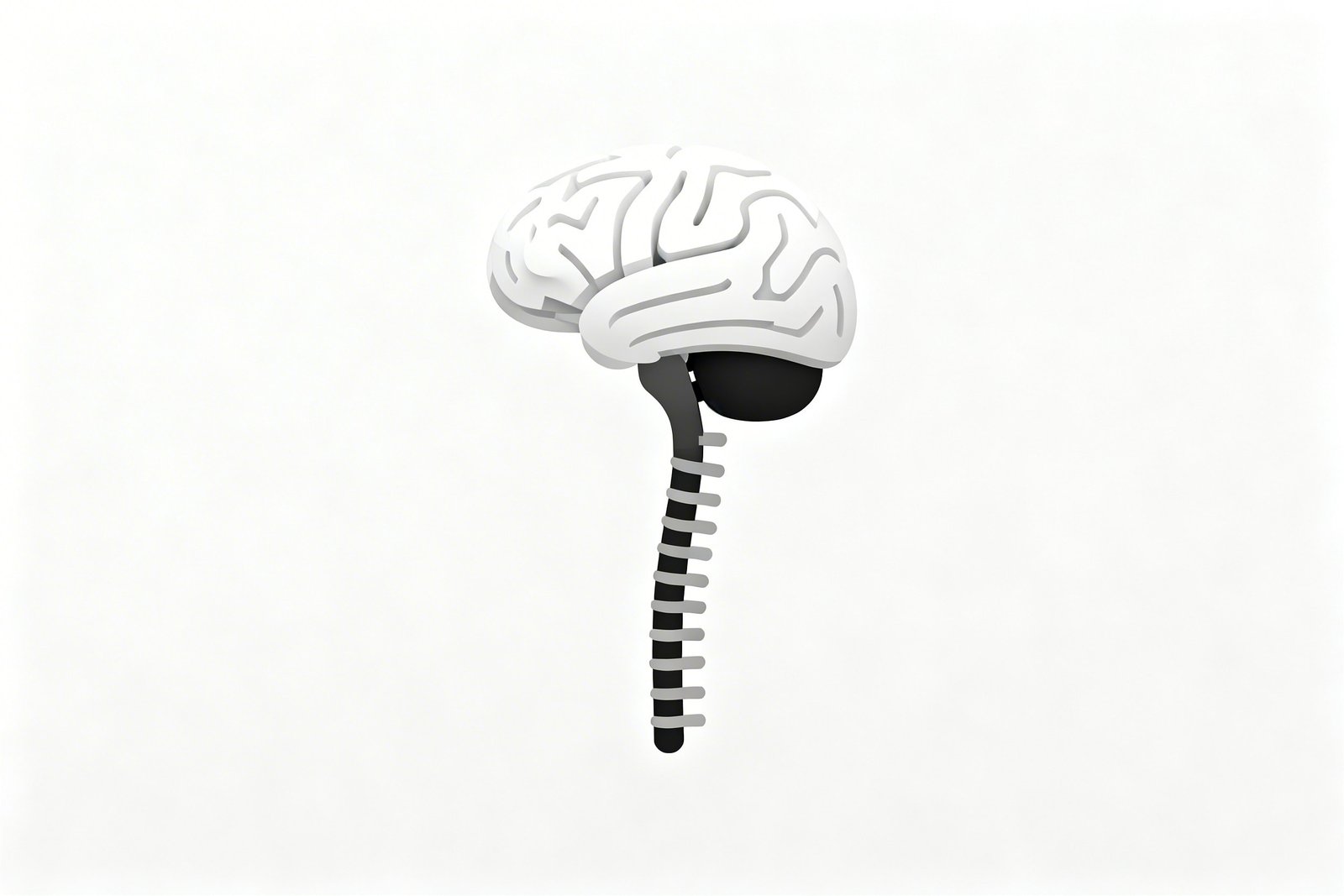
Neurodynamic Mobilization
Overview and Nerve Pathway DiagramNeurodynamic mobilization — also called nerve flossing or nerve gliding — is used to improve how neural tissue moves relative to the surrounding tissues. Unlike ordinary muscle stretching, the aim is not to lengthen the nerve aggressively, but to improve its tolerance to movement and reduce sensitivity.
In myofascial pain syndrome, trigger points and surrounding tissue tightness can contribute to local pain while also increasing stress on nearby nerves. This can create a mixed clinical picture in which the pain feels partly muscular and partly neural.
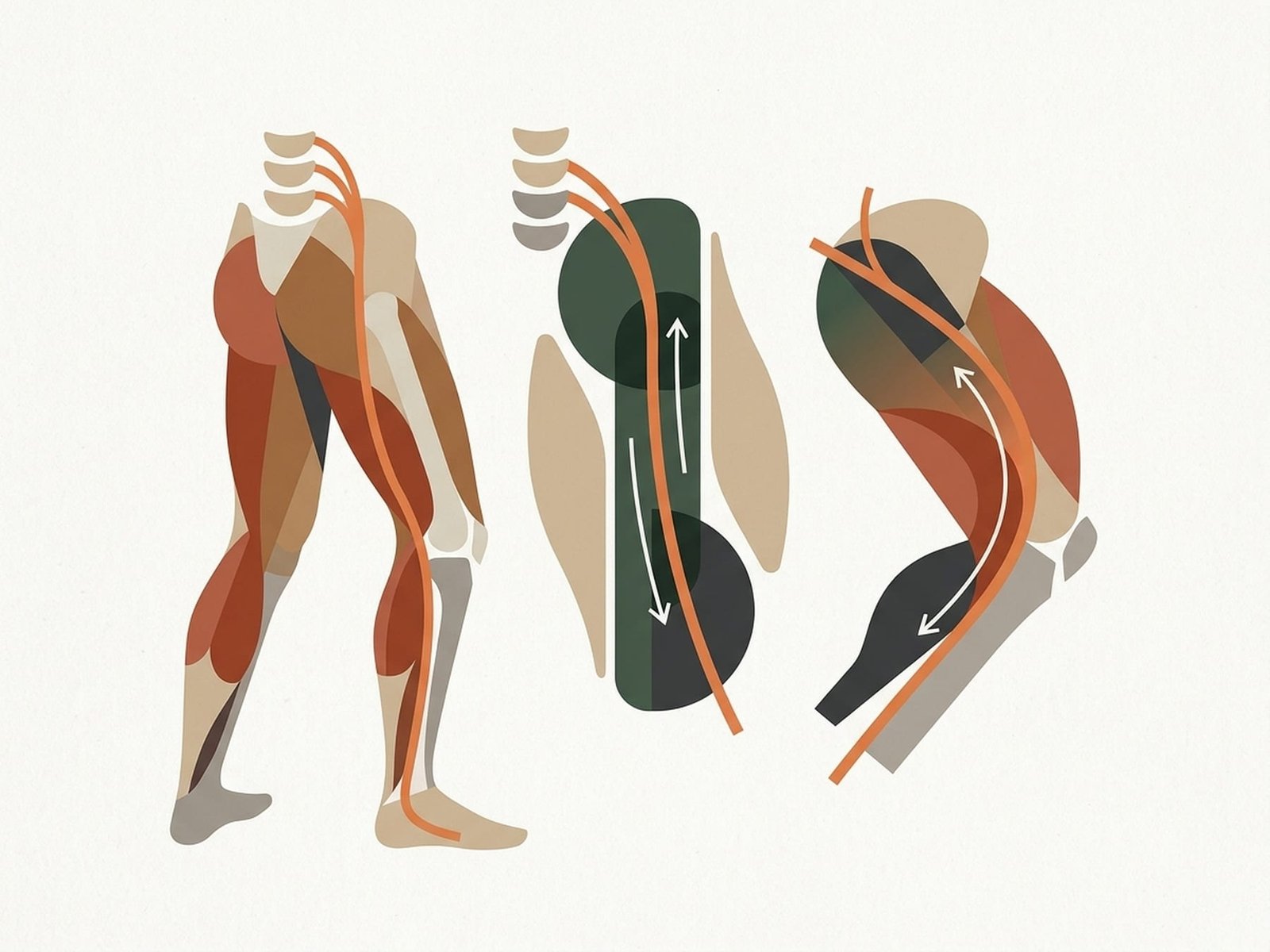
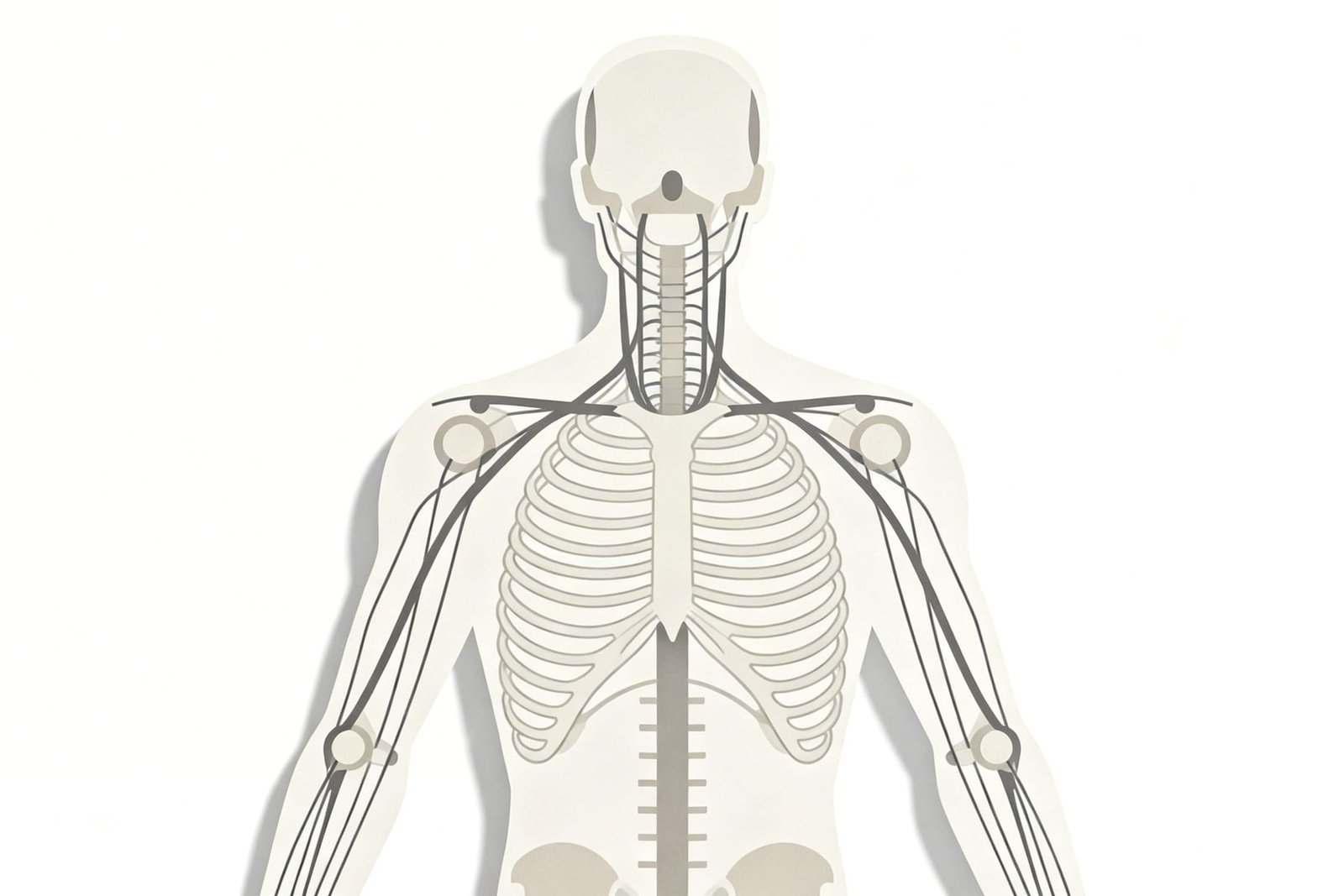
The practical difference between sliders and tensioners matters. Sliders generally move the nerve at one end while reducing load at the other, making them more tolerable for irritable cases. Tensioners increase neural load more directly and are usually reserved for later progression when symptoms are calmer.
Neurodynamic tests are most useful when they help answer a clinical question: is the pain behaving like a neural problem, a muscular problem, or both? The answer usually comes from the symptom response pattern, not from the test position alone.
Key Nerve Pathways
Peripheral nerves travel through regions full of muscles, fascia, and connective tissue. When those nearby tissues become irritable, neural movement can also become more sensitive.
Upper and Lower Limb Tension Tests
Median Nerve — Upper Limb Tension Test 1
Ulnar Nerve — Upper Limb Tension Test 4
Radial Nerve — Upper Limb Tension Test 3
Sciatic Nerve — Slump Test / SLR
Femoral Nerve — Prone Knee Bend Test
Nerve Tension vs. Muscle Tension
Myofascial referred pain and neural pain can both radiate away from the local source. That is why they are often confused. The key distinction is whether symptoms change in a way that strongly suggests neural loading sensitivity when remote structures such as the spine or shoulder are moved.
In practice, many chronic pain cases involve both components. That is why a patient may improve somewhat with trigger point treatment but still retain tingling, pulling, or limb symptoms until the neural component is addressed.
When a nerve stays mechanically sensitive, nearby muscles often remain guarded — and when nearby muscles stay irritable, the nerve may never fully settle.
Upper Limb
median, radial, ulnar overlap
Lower Limb
sciatic and femoral overlap
Differentiation
symptom response guides meaning
Neural Assessment Tests
Neurodynamic assessment is most useful when it includes structural differentiation and careful symptom monitoring. Reproducing symptoms alone is not enough.
ULTT Battery (Upper Limb Tension Tests)
Slump Test
Muscle vs. Nerve Tension Differentiation
Neural Irritability Assessment
Treatment Pathways
Neurodynamic treatment works best when guided by irritability, symptom recovery, and the broader diagnosis. The right dose is the one the system can tolerate and recover from.
Nerve Slider vs. Tensioner Technique Comparison
Median Nerve Slider Protocol
A median nerve slider can be useful in selected pronator-teres, carpal tunnel, and mixed neural-myofascial presentations when the goal is improving neural excursion without provoking a flare.
- Use a low-irritability starting range rather than maximal limb positioning
- Favor slider-style movement first when symptoms are easily provoked
- Monitor whether symptoms settle quickly after each set
- Progress only when the test and exercise response become clearly more tolerant
- Stop if distal symptoms spread or remain aggravated afterward
Sciatic Nerve Flossing Protocol
Sciatic nerve sliders are commonly used when lower-limb symptoms appear partly neural and are influenced by position. They are often most helpful when paired with treatment of the adjacent muscular or movement contributors.
- Start with a comfortable range rather than pushing end range
- Use slider-style movement before trying higher-load tensioning approaches
- Reassess symptom spread, recovery time, and tolerance after each session
- Combine with management of piriformis, gluteal, or lumbar contributors when relevant
- Use symptom behavior to determine progression rather than a fixed timetable
Radial Nerve Slider
Radial nerve sliders may help in radial tunnel or extensor-overload presentations when symptoms behave like a mixed myofascial-neural problem rather than a simple local tendon issue.
- Use lower-load gliding early when irritability is high
- Pay attention to whether forearm or hand symptoms change with shoulder or neck position
- Do not treat the test position itself as an exercise target if it is clearly provocative
- Use progression only when recovery after practice is acceptable
- Reassess whether the pain pattern is still primarily tendon, muscle, or nerve dominant
Integration with Trigger Point Treatment
Neurodynamic work often fits best when integrated with myofascial treatment, not when treated as a completely separate system. In many chronic cases, both tissue irritability and nerve mechanosensitivity are part of the clinical picture.
- Treat clearly relevant trigger points and movement restrictions alongside neural work
- Use sliders first when trigger points are still highly irritable
- Avoid aggressive nerve loading into a sensitized, flared state
- Progress only when both local tissue irritability and neural reactivity are improving
- Use symptom response, not theory alone, to guide the sequence
Red Flags — When to See a Doctor
Neurodynamic exercise is not appropriate for every pain presentation. Serious neurological signs, progressive deficits, or uncontrolled irritability require medical review rather than self-directed loading.
Improve Neural Excursion
Help the nerve move more comfortably relative to surrounding structures.
Reduce Mechanosensitivity
Lower the sensitivity of a nerve that reacts too strongly to ordinary movement.
Support Tissue Recovery
Reduce the contribution of guarding, stiffness, and local tissue restriction around the nerve path.
Integrate with Trigger Point Care
Pair neural work with myofascial treatment when both systems are contributing.
Neural mechanosensitivity and myofascial trigger points often coexist rather than appearing as fully separate problems.
Slider techniques are usually better tolerated early on, especially in irritable or flare-prone presentations.
Tensioner-style loading can be useful later, but only when symptom behavior clearly supports progression.
Upper limb tension tests and the Slump test are useful when interpreted through symptom behavior and structural differentiation, not as stand-alone yes/no diagnoses.
Nerve gliding is about restoring comfortable movement tolerance and neural excursion — not about stretching the nerve aggressively.